Museo Diocesano, Gubbio
Museum in Gubbio
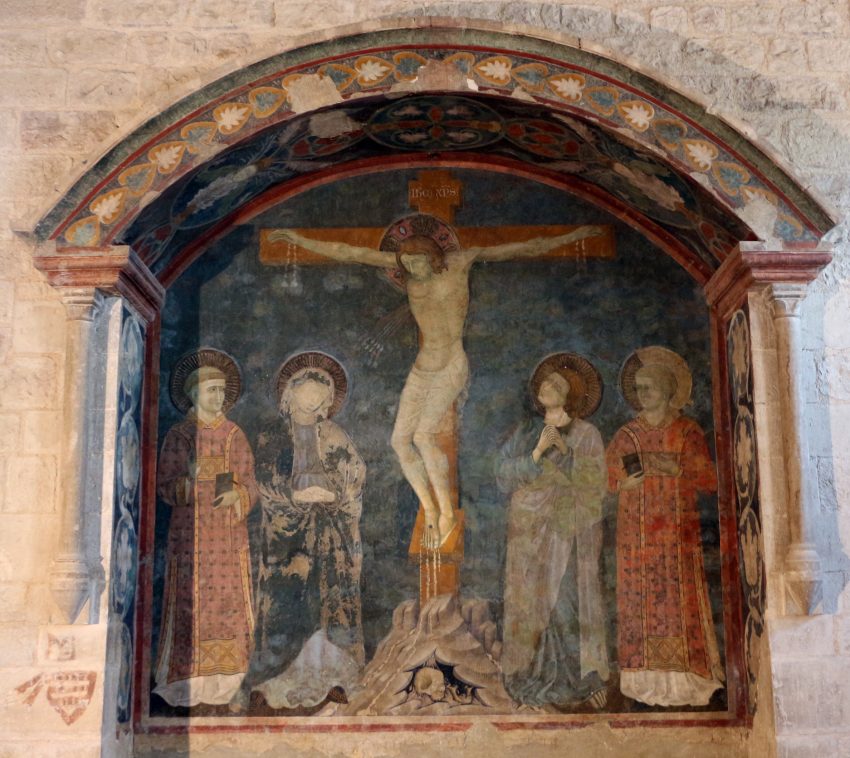
Located beside the Duomo in the upper town, the Museo Diocesano is one of the top attractions in Gubbio and often visited on walking tours of Gubbio. Housed within historic episcopal buildings, the museum offers an intimate look into the city's religious heritage through paintings, sculpture, textiles, and artifacts spanning many centuries.
For travellers seeking a deeper understanding of Gubbio's spiritual and artistic past, the Museo Diocesano stands as one of the must-see places in Gubbio. Its quiet halls and carefully curated rooms create a reflective atmosphere, blending devotion, artistry, and local history.
Table of Contents
History and Significance of Museo Diocesano
The Museo Diocesano is located within the historic buildings adjacent to the cathedral, structures long associated with the bishops of Gubbio. Much of the complex dates to the medieval and Renaissance periods, when the episcopal palace served as a centre of both administration and religious life.
Created to preserve and display the diocese’s most valuable works, the museum holds pieces that would otherwise be hidden from public view. Its collections reveal Gubbio’s close ties to Umbrian artistic traditions as well as wider Italian influences. Many works come from nearby churches, chapels, and monastic houses, bearing witness to centuries of faith and craftsmanship.
The museum also plays an important role in preserving Gubbio’s liturgical and documentary heritage. Through paintings, reliquaries, vestments, and manuscripts, it tells the story of a city where faith and daily life have long been entwined.
Things to See and Do in Museo Diocesano
The museum displays a remarkable variety of sacred artworks. Visitors can admire medieval and Renaissance paintings from Gubbio’s churches, including pieces attributed to local workshops influenced by the Nucci and Basili families. Sculptures, devotional objects, and liturgical furnishings offer insight into religious practices from the Middle Ages through the Baroque era.
One of the highlights is the collection of medieval wooden crucifixes and polychrome sculptures, many of which once adorned rural churches in the surrounding hills. The museum also preserves intricately worked textiles, including embroidered vestments that showcase the skill of Umbrian artisans.
Archival materials and illuminated manuscripts provide glimpses into the intellectual and spiritual life of the diocese. Combined with views over the rooftops of Gubbio from near the museum entrance, the experience is both artistic and atmospheric - one of the best places to visit in Gubbio for lovers of sacred art.
How to Get to Museo Diocesano
The nearest airports are Perugia “San Francesco” Airport (PEG) and Ancona Airport. For the best deals and a seamless booking experience, check out these flights to Gubbio on Booking.com. To reach Gubbio by public transport, take a regional train to Fossato di Vico and connect by bus into the historic centre. Use Omnio to easily compare schedules, book train tickets, and find the best prices all in one place for a hassle-free journey across Italy. From Piazza 40 Martiri, follow the uphill medieval streets toward the cathedral; the museum is located just next to the Duomo. Visitors arriving by car can park at Piazza 40 Martiri and make the walk into the upper town. If you are looking to rent a car in Italy I recommend having a look at Discover Cars, first, as they compare prices and review multiple car rental agencies for you.
Practical Tips on Visiting Museo Diocesano
- Suggested tips: Combine your visit with the Duomo for a richer understanding of Gubbio’s spiritual heritage.
- Best time to visit: Late morning or early afternoon when the museum is quiet.
- Entrance fee: Approximately €3-€5 depending on ticket type.
- Opening hours: Typically open daily with breaks; hours vary by season.
- Official website: Check the Diocese of Gubbio’s pages for current details.
- How long to spend: About 30-45 minutes.
- Accessibility: Some areas require stair access and may be difficult for visitors with mobility issues.
- Facilities: Small information desk; cafés and shops nearby around the cathedral.
- Photography tip: Focus on details of the wooden sculptures and embroidered vestments.
- Guided tours: Occasionally available during cultural events or through local tour guides.
- Nearby food options: Trattorie and cafés along Via XX Settembre and the cathedral area.
Where to Stay close to Museo Diocesano
Stay nearby at Hotel Gattapone, which places you within easy reach of the cathedral and upper town landmarks. Another excellent option is Hotel Bosone Palace, offering historic interiors in the heart of the medieval centre. For a spacious and refined stay, Park Hotel Ai Cappuccini provides comfort and calm within walking distance of the old town.
Is Museo Diocesano Worth Visiting?
Yes - the Museo Diocesano is a rewarding stop for anyone interested in sacred art, local craftsmanship, or the religious history of Gubbio. Its quiet, intimate galleries provide a peaceful contrast to the bustling streets below, and its collections help illuminate the city's cultural story across many centuries.
What Other Travellers Say...

Duomo dei Santi Mariano e Giacomo sits above Gubbio on Via Sant'Ubaldo and welcomes visitors daily from morning until early evening; its sober exterior gives way to a spacious interior with high Gothic ceilings, stained glass, richly decorated altar area and chapels, where visitors note notable paintings and frescoes—including works evoking the Conversion of Saint Paul, the Kiss of Judas, the Resurrection by Virginio Nucci, Presutti's Magdalene, Dono Doni's Pietà, Benedetto Nucci's Saint Ubaldo, and Allegrini's frescoes—plus a fourteenth-century crucifix and a Madonna of Loreto that together create a contemplative, spiritually moving atmosphere.


FAQs for Visiting Museo Diocesano
Can I buy combined tickets with other museums?
Sometimes, seasonal combined passes are available; ask locally.
Are labels available in English?
Many exhibits include basic English descriptions; guides can offer additional context.
Is photography allowed?
Usually permitted without flash.
Can I visit the Duomo afterwards?
Yes, the cathedral is directly next door.
Nearby Attractions to Museo Diocesano
- Duomo di Gubbio - The Gothic cathedral beside the museum.
- Palazzo Ducale - Renaissance palace with a recreated studiolo and hanging garden.
- Palazzo dei Consoli - Iconic medieval civic palace with panoramic views.
- Piazza Grande - Gubbio's dramatic hanging square overlooking the valley.
- Via Galeotti - Historic street leading toward the lower town.
The Museo Diocesano appears in our Complete Guide to Visiting Gubbio!

Moira & Andy
Hey! We're Moira & Andy. From hiking the Camino to trips around Europe in Bert our campervan — we've been traveling together since retirement in 2020!
This website uses affiliate links which may earn a commission at no additional cost to you!
Planning Your Visit
Nearby Attractions
- Gubbio Cathedral (0.0) km
Cathedral - Palazzo Ducale (0.0) km
Museum and Palace - Palazzo dei Priori (0.1) km
Palace - Piazza Grande (0.1) km
Square - Palazzo dei Consoli (0.1) km
Palace - San Francesco della Pace (0.1) km
Church - Logge dei Tiratori (0.2) km
Historic Building - Fontana del Bargello (0.3) km
Fountain - Gubbio Funivia (0.5) km
Cable Car - Basilica di Sant'Ubaldo (0.5) km
Basilica