Museo del Teatro Romano de Cartagena
Museum, Roman Site and Theatre in Cartagena
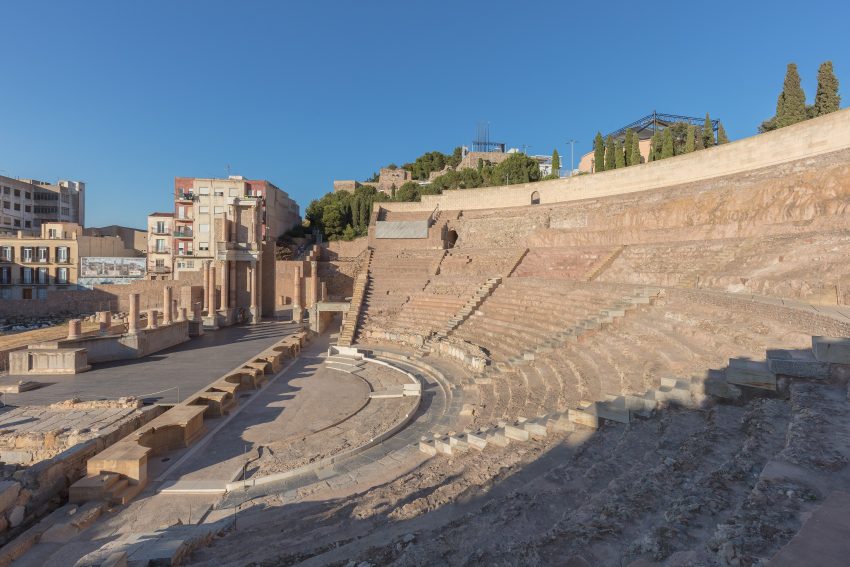
Museo del Teatro Romano de Cartagena is one of Cartagena's most rewarding historic visits: a thoughtfully designed museum route that culminates in the city's spectacular Roman Theatre. Set right in the old town near Plaza del Ayuntamiento, the experience feels like time-travel-moving from curated exhibits and architectural passages into an open-air monument that still dominates the urban landscape.
It's an easy highlight to add to a walking tour of central Cartagena, especially if you're pairing big-ticket sights like the waterfront, the main squares, and the city's archaeological landmarks. For the best flow, start at the museum entrance and let the route guide you through the tunnels and galleries until you emerge at the theatre itself.
Table of Contents
- History and Significance of the Museo del Teatro Romano de Cartagena
- Things to See and Do in the Museo del Teatro Romano de Cartagena
- How to Get to the Museo del Teatro Romano de Cartagena
- Practical Tips on Visiting the Museo del Teatro Romano de Cartagena
- Where to Stay Close to the Museo del Teatro Romano de Cartagena
- Is the Museo del Teatro Romano de Cartagena Worth Visiting?
- For Different Travelers
- FAQs for Visiting Museo del Teatro Romano de Cartagena
- Nearby Attractions to the Museo del Teatro Romano de Cartagena
History and Significance of the Museo del Teatro Romano de Cartagena
The Roman Theatre of Cartagena is one of the most important surviving monuments from the city's Roman era, and the museum was created to do more than simply display artifacts. It was designed as a narrative journey that explains how the theatre was built, how it changed over time, and how it was eventually rediscovered and excavated.
A major part of the museum’s significance is its integration into the living city. Rather than isolating the ruins, the visit threads through historic structures and beneath modern streets, showing how layers of Cartagena’s past sit directly under today’s urban fabric.
The finale-stepping into the theatre-drives home the scale of Roman public life in Hispania. Seeing the seating, stage area, and the way the monument is framed by the city makes it clear why this site is considered a cornerstone of Cartagena’s cultural identity.
Things to See and Do in the Museo del Teatro Romano de Cartagena
Start by taking your time with the interpretive displays: models, panels, and audiovisual elements help you understand what you’ll later see in stone. Even if you’re not a specialist, the museum does a strong job of turning architectural fragments into a coherent story.
As you move through the museum route, look for the way the spaces transition-corridors and tunnels are part of the experience, not just connectors. The changing light, viewpoints, and framing are designed to build anticipation before the theatre reveal.
In the Roman Theatre itself, walk the perimeter to appreciate the seating tiers and the relationship between the monument and the surrounding city. If you enjoy photography, the theatre offers dramatic angles, but it’s also worth simply pausing to take in the scale and imagine performances with thousands of spectators.
How to Get to the Museo del Teatro Romano de Cartagena
The nearest major airports are Región de Murcia International Airport (RMU) and Alicante-Elche Airport (ALC), with onward travel options to Cartagena by road and rail. For the best deals and a seamless booking experience, check out these flights to Cartagena on Booking.com.
Cartagena is well-connected by train, and arriving at Cartagena station puts you within easy reach of the historic center by taxi, local bus, or a straightforward walk depending on your luggage and pace. Train schedules and bookings can be found on Omio.
If you’re traveling by car, aim for parking on the edge of the center and continue on foot, since the old town streets can be narrow and traffic-restricted in places. If you are looking to rent a car in Spain I recommend having a look at Discover Cars, first, as they compare prices and review multiple car rental agencies for you.
Practical Tips on Visiting the Museo del Teatro Romano de Cartagena
- Entrance fee: Adults: €7
- Opening hours: (Summer) May 1 – September 30; Tuesday – Saturday: 10:00–20:00. Sunday: 10:00–14:00. Closed on Monday. (Winter) October 1 – April 30; Tuesday – Saturday: 10:00–18:00. Sunday: 10:00–14:00. Closed on Monday.
- Official website: https://teatroromano.cartagena.es/
- Best time to visit: Go early for cooler temperatures and quieter galleries, then linger in the theatre before midday crowds build. Late afternoon can also be pleasant, especially outside peak summer heat.
- How long to spend: Plan around 60-90 minutes for the museum route and theatre, longer if you like reading every panel or taking photos.
- Accessibility: Expect stairs and uneven historic surfaces; some viewpoints can feel exposed, so take care if you’re sensitive to heights.
- Facilities: You’ll typically find restrooms and a small shop on-site, and the central location makes it easy to combine with cafés and other sights nearby.
Where to Stay Close to the Museo del Teatro Romano de Cartagena
Base yourself in central Cartagena (Casco Antiguo) so you can walk to the museum, the harbourfront, and most major sights without relying on transport.
Sercotel Alfonso XIII A reliable, comfortable choice with an easy walk or quick taxi ride to the old town; great if you want a polished stay and straightforward logistics.
NH Campo Cartagena A practical option for travelers who prefer modern rooms and a quieter setting while still staying close enough to walk into the historic center.
Hotel Los Habaneros Well-placed for exploring on foot, with a classic city-hotel feel that suits travelers who want value and convenience near the action.
Hotel Sercotel Carlos III A solid mid-range base that works especially well if you’re arriving by train and want an easy route to the centre and museum.
Hotel Boutique La Posada de Papá A more intimate, boutique-style stay for travelers who want character and a local feel within walking distance of the museum route.
Is the Museo del Teatro Romano de Cartagena Worth Visiting?
Yes-this is one of Cartagena’s standout attractions, and it’s worth prioritizing even on a short visit. The museum-to-monument sequence is exceptionally well done, and the final reveal of the Roman Theatre delivers a memorable “wow” moment that’s hard to match elsewhere in the city.
Honest Pivot: If you’re short on time and not interested in archaeology or interpretive exhibits, you might prefer to focus on Cartagena’s waterfront strolls and viewpoints instead. Also, if you’re uncomfortable with heights or exposed vantage points, you may find parts of the theatre experience less enjoyable.
What Other Travellers Say...

Visitors consistently describe the museum-and-theatre route as a standout Cartagena experience, praising the impressive Roman architecture, clear storytelling, and multilingual explanations. Many appreciate that the ticket includes access to the theatre and consider it good value, with some noting a convenient free-entry window late on Tuesdays. Common drawbacks include occasional wayfinding confusion (some people struggle to find the correct entrance) and a few comments that the museum section can feel lighter on artifacts than expected; a small number also mention that certain viewpoints may be uncomfortable for those with a fear of heights.


For Different Travelers
Different travel styles get different value here: some visitors come for the architecture and city views, others for the excavation story and artifacts. The good news is that the route is structured, central, and easy to combine with the rest of Cartagena’s highlights.
Families with Kids
Kids who like “real ruins” usually enjoy the big reveal at the theatre, especially after the build-up through tunnels and galleries. It can feel like an adventure because the route changes spaces often and ends outdoors.
To keep it fun, focus on the theatre scale and the idea of ancient performances rather than trying to read every panel. A quick snack break afterward in the nearby squares helps maintain momentum for the rest of the day.
Couples & Romantic Getaways
For couples, the museum is a low-stress, high-reward cultural stop that fits neatly into a day of wandering the old town. The theatre itself can feel surprisingly atmospheric, especially when the light is softer later in the day.
Pair it with a harbourfront walk and a relaxed meal nearby for a classic Cartagena date itinerary. It's also a great shared experience if one person is a history fan and the other just wants a beautiful place to visit.
Budget Travelers
This is a strong value attraction because your ticket covers both the museum and the theatre, and you can see a major landmark without needing a paid tour. If your schedule allows, the free-entry window on Tuesdays can be a smart way to save.
Budget travelers will also appreciate that the location is walkable from many central accommodations, reducing transport costs. Combine it with other nearby outdoor sights to build a full day without extra spending.
History Buffs
If you love Roman history, this is a must. The museum provides context on construction, urban layering, and excavation, so the theatre isn’t just a photo stop-it becomes a story you can follow.
Take your time with the architectural explanations and then revisit key viewpoints in the theatre to match what you learned to what you're seeing. It's one of the best places in Cartagena to understand how the ancient city connects to the modern one.
FAQs for Visiting Museo del Teatro Romano de Cartagena
Getting There
Tickets & Entry
Visiting Experience
Tours, Context & Itineraries
Photography
Accessibility & Facilities
Food & Breaks Nearby
Safety & Timing
Nearby Attractions to the Museo del Teatro Romano de Cartagena
- Cartagena City Hall (Palacio Consistorial): An elegant landmark right by the museum area that's perfect for quick photos and a sense of the city's civic grandeur.
- Muralla Púnica (Punic Wall): A compact but fascinating archaeological site that adds deeper context to Cartagena's pre-Roman and Roman layers.
- Castillo de la Concepción: A hilltop castle with sweeping views over the port and city, ideal for pairing history with a viewpoint.
- Cartagena Harbourfront: A scenic promenade for an easy stroll after the museum, with breezes, boats, and plenty of places to pause.
- Museo Naval (Naval Museum): A good add-on if you want to balance ancient history with Cartagena's maritime and military story.
The Museo del Teatro Romano de Cartagena appears in our Complete Guide to Visiting Cartagena!

Moira & Andy
Hey! We're Moira & Andy. From hiking the Camino to trips around Europe in Bert our campervan — we've been traveling together since retirement in 2020!
This website uses affiliate links which may earn a commission at no additional cost to you!
Planning Your Visit
(Summer) May 1 - September 30; Tuesday - Saturday: 10:00-20:00. Sunday: 10:00-14:00. Closed on Monday.
(Winter) October 1 - April 30; Tuesday - Saturday: 10:00-18:00. Sunday: 10:00-14:00. Closed on Monday.
Adults: €7
Nearby Attractions
- Ayuntamiento Cartagena (0.0) km
Attraction, Historic Building and Town Hall - Old Cathedral of Cartagena (0.1) km
Cathedral, Historic Site and Ruins - Teatro Romano de Cartagena (0.1) km
Museum, Roman Site and Theatre - Calle Mayor (0.2) km
Area and Street - Naval Museum Cartagena (0.2) km
Museum - Castillo de la Concepción (0.3) km
Castle, Museum and Viewing Point - Augusteum (0.4) km
Historic Site, Museum and Roman Site - Civil War Shelters Museum (0.4) km
Museum - Cartagena’s Panoramic Elevator (0.4) km
Viewing Point - Molinete Roman Forum Museum (0.4) km
Historic Site, Museum and Roman Site