Museo de la Rioja, Logroño
Museum in Logroño
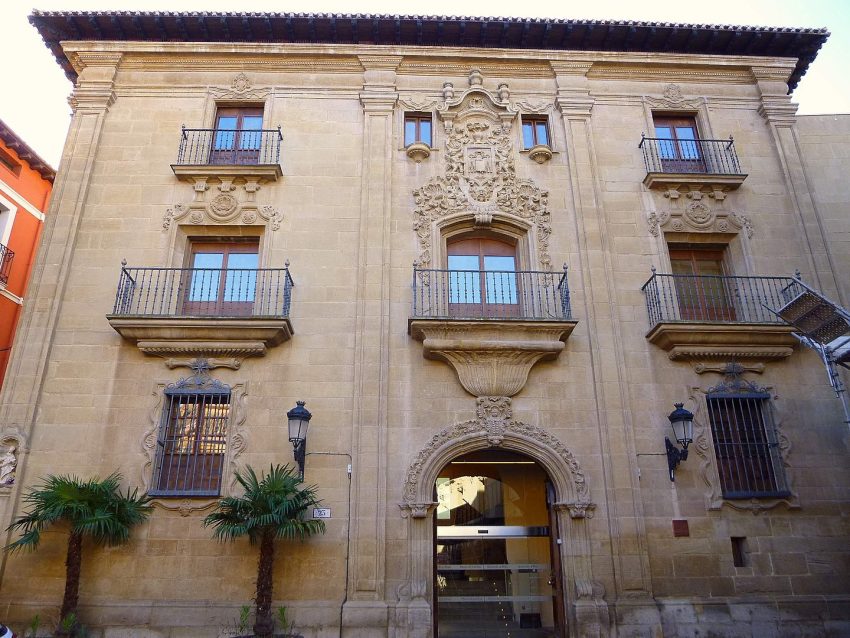
The Museo de La Rioja is where the story of this small but influential region unfolds under one roof. Set inside the 18th-century Palacio de Espartero, an aristocratic mansion turned museum, it is the kind of place that surprises you with its depth: what looks like a modest city museum turns out to be a journey from Stone Age settlements to the threshold of the modern era. Vaulted ceilings, grand staircases, and original architectural details create an atmospheric backdrop for the collections, reminding you that the building itself is part of the story.
Inside, the museum is divided into clear sections, guiding you from prehistory and pre-Roman cultures through Roman occupation, the Middle Ages, and into more recent centuries. Along the way you will see ancient arrowheads, swords, spears, and Roman coins, as well as precious tablets from the famed San Millán monasteries. These objects, paired with thoughtful visual aids, make the complex history of La Rioja feel surprisingly accessible. For anyone curious about what lies behind the wines, churches, and streets outside, the Museo de La Rioja is a great place to visit on a walking tour of Logroño, adding context and depth to everything you see in the city.
Table of Contents
- History and Significance of Museo de La Rioja
- Things to See and Do in Museo de La Rioja
- How to Get to Museo de La Rioja
- Practical Tips on Visiting Museo de La Rioja
- Where to Stay close to Museo de La Rioja
- Is Museo de La Rioja Worth Visiting?
- FAQs for Visiting Museo de La Rioja
- Nearby Attractions to Museo de La Rioja
History and Significance of Museo de La Rioja
The museum is housed in the Palacio de Espartero, an 18th-century palace that once belonged to influential figures in Spanish political and military life. Its stately façade and inner courtyard still reflect that noble past, and stepping inside feels like entering a private residence that has been carefully repurposed for public use. The building’s transformation into a museum turned a symbol of power and privilege into an open, educational space dedicated to the region’s shared heritage.
The collection itself spans a remarkable timeline. Prehistoric tools and arrowheads tell of early communities that hunted, farmed, and settled along the Ebro and its tributaries. Pre-Roman and Roman artefacts-coins, ceramics, inscriptions-reveal how the area became integrated into wider Mediterranean networks. Medieval pieces, including tablets and documents from the monasteries of San Millán, illuminate the monastic culture that played such a vital role in preserving language, faith, and knowledge in what is now La Rioja.
Later rooms move into the early modern and 19th-century periods, showing how the region evolved through changing political structures, artistic tastes, and social realities. Together, these collections make the Museo de La Rioja one of the must-see places in Logroño if you want to understand how a small, wine-famous region came to have such a rich and layered identity.
Things to See and Do in Museo de La Rioja
Begin your visit with the archaeological sections, where prehistory comes to life through stone tools, arrowheads, and early metalwork. Displays are clearly organised, with maps and diagrams helping you place each object in its wider context. It is a good reminder that long before vineyards and pilgrims, this was a landscape of hunter-gatherers and early farmers learning to live with the Ebro’s rhythms.
Move forward to the Roman and medieval galleries, where the story becomes more recognisably “historical.” Here you will find coins, sculptures, and everyday objects that reveal how Roman culture took root in the area. The medieval section is especially evocative: tablets and documents from the San Millán monasteries link directly to one of Spain’s most important centres of early written culture. These pieces are not just old texts; they are windows into how people prayed, recorded land, and transmitted ideas centuries ago.
Upstairs or in later rooms, depending on the current layout, you will encounter early modern and 19th-century works-paintings, religious art, decorative pieces-that trace changing tastes and social structures. The palace setting makes these displays feel particularly at home, with high ceilings and period details providing a fitting stage. Take your time: the museum is compact enough to see in a couple of hours, but rich enough that you will likely find yourself lingering at particular pieces that catch your eye or connect to places you have already seen in Logroño and the wider Rioja region.
How to Get to Museo de La Rioja
The Museo de La Rioja is located in the historic centre of Logroño, inside the Palacio de Espartero, just a short walk from the Concatedral de Santa María de la Redonda and the main pinchos streets. Once you reach the Old Town, you can easily navigate on foot using local maps or signs pointing to the museum.
If you are flying into the region, you may arrive at Logroño-Agoncillo Airport or, more commonly, at larger airports such as Bilbao or Zaragoza before continuing by road or public transport to Logroño. For the best deals and a seamless booking experience, check out these flights to Logroño on Booking.com. From central Logroño, the museum is within walking distance of most hotels and key landmarks.
Logroño's railway station connects the city with Madrid, Zaragoza, and other regional centres.Train schedules and bookings can be found on Omio. From the station, it is typically a 15-20 minute walk or a short bus or taxi ride into the Old Town, where you can follow signs to the Palacio de Espartero.
If you are driving, major roads and motorways link Logroño to other cities in northern Spain.If you are looking to rent a car in Spain I recommend having a look at Discover Cars, first, as they compare prices and review multiple car rental agencies for you. Park in a public car park near the centre, then stroll through the historic streets to the museum; the walk itself is part of the charm, with plenty of opportunities to stop for a coffee or snack along the way.
Practical Tips on Visiting Museo de La Rioja
- Suggested tips: Visit the museum earlier in the day, then use what you have learned to interpret churches, streets, and monuments in the Old Town in a new light.
- Best time to visit: Late morning or mid-afternoon, when it is usually quieter and you can explore at your own pace without rushing.
- Entrance fee: Free
- Opening hours: Sun: 10am - 2pm; Tue - Sat: 10am - 2pm, 4pm - 9pm (closed on Mon)
- Official website: http://www.museodelarioja.es/
- How long to spend: Allow 1-2 hours to see the main collections without hurrying; longer if you like to read all the interpretive panels.
- Accessibility: The historic building has been adapted for visitors, but some areas may still involve steps or uneven floors; check locally for lift access and the most accessible route.
- Facilities: Expect a reception desk, cloakroom or locker options, restrooms, and possibly a small shop or information area; cafés and bars are just outside in the Old Town.
- Photography tip: Confirm the photography policy at the entrance; if allowed, focus on details-inscriptions, coins, sculpted faces-and the contrast between artefacts and the palace’s architecture.
- Guided tours: From time to time, guided visits or themed activities are offered; even if you visit independently, printed guides and panels provide plenty of context.
- Nearby food options: Step out into the surrounding streets for cafés, bakeries, and pinchos bars, perfect for a bite after your museum visit.
Where to Stay close to Museo de La Rioja
Staying near the Museo de La Rioja puts you right at the heart of Logroño's historic and cultural core. For a boutique-style hotel in a restored historic building, Hotel Calle Mayor offers a stylish and comfortable base just a short walk from the palace. If you prefer a modern hotel within easy reach of both the Old Town and the newer parts of the city, NH Logroño Herencia Rioja makes a convenient option with good access to shops and restaurants. For a practical, central choice close to many of Logroño’s main sights, Hotel Condes de Haro places you within comfortable walking distance of the museum, cathedral, Puente de Piedra, and Calle Laurel.
Is Museo de La Rioja Worth Visiting?
Museo de La Rioja is definitely worth visiting, especially if you want to understand more than just the surface of Logroño's streets and La Rioja's vineyards. In a relatively compact space, it traces the region's story from prehistoric tools to monastic manuscripts and 19th-century art, all within the refined setting of an 18th-century palace. Whether you are a dedicated museum-goer or someone who usually prefers to stay outside, an hour or two here adds context and richness to everything else you will see and taste in the city.
What Other Travellers Say...

Museum of La Rioja, at C/ San Agustín 23 in Logroño, occupies an ornate 18th-century space and presents local historical artifacts and paintings arranged chronologically to trace the region's development; visitors praise the extensive permanent exhibition (which begins with a historic film), the clear organization by centuries, friendly staff, special temporary shows, and the chance to see notable works alongside archaeological material — admission is free and a typical visit lasts about an hour.


FAQs for Visiting Museo de La Rioja
Nearby Attractions to Museo de La Rioja
- Catedral de Santa María de la Redonda - Logroño's co-cathedral with twin Baroque towers, just a short walk away in the Old Town.
- Puente de Piedra - The city's iconic stone bridge over the River Ebro and traditional Camino de Santiago entrance to Logroño.
- Calle Laurel - Famous pinchos street packed with bars offering local tapas and Rioja wines, ideal after a museum visit.
- Plaza del Mercado - Central square beside the cathedral, a lively spot for terraces, people-watching, and soaking up the local atmosphere.
- Parque del Ebro - Riverside park with walking and cycling paths along the Ebro, offering a green contrast to the historic streets and museum interiors.
The Museo de la Rioja appears in our Complete Guide to Visiting Logroño!

Moira & Andy
Hey! We're Moira & Andy. From hiking the Camino to trips around Europe in Bert our campervan — we've been traveling together since retirement in 2020!
This website uses affiliate links which may earn a commission at no additional cost to you!
Planning Your Visit
Sun: 10am – 2pm; Tue – Sat: 10am – 2pm, 4pm – 9pm (closed on Mon)
Free
Nearby Attractions
- Calle Laurel (0.1) km
Street - Fabrica de Tabacos (0.1) km
Historic Building - Muralla del Revellín (0.1) km
City Gate and City Walls - Old Logroño City Hall (Plaza del Mercado) (0.2) km
Notable Building and Square - Catedral de Santa María de la Redonda (0.3) km
Cathedral - Parque del Espolón (0.3) km
Park - Iglesia de San Bartolomé (0.4) km
Church - Puente de Hierro (0.5) km
Bridge - Casa de las Ciencias (0.6) km
Museum - Puente de Piedra (0.6) km
Bridge