Museo Civico di Storia Naturale, Trieste
Museum in Trieste
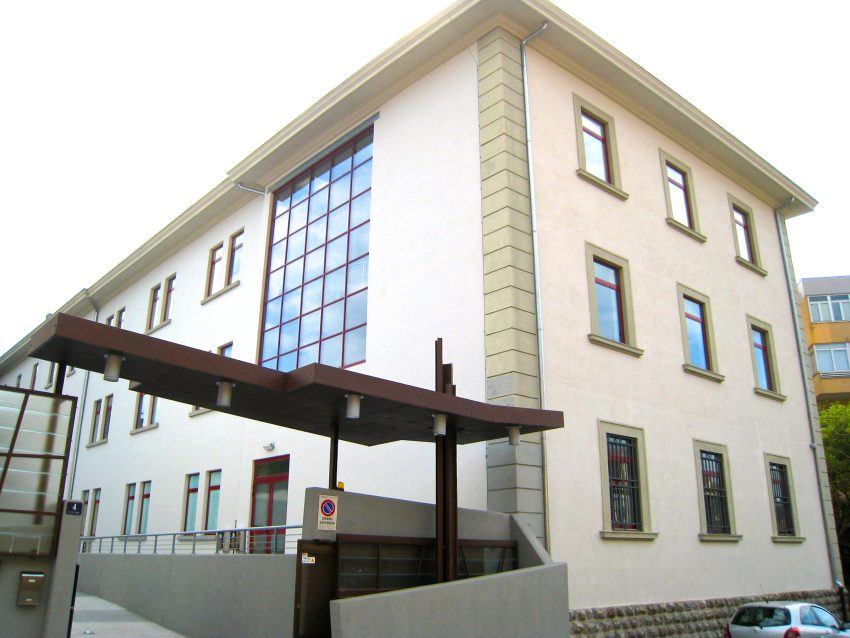
Museo Civico di Storia Naturale is Trieste's go-to museum for dinosaurs, fossils, minerals, and the natural history of the Adriatic and the Karst. Set a little uphill from the city center, it's a compact, two-floor museum that's easy to fit into a half-day of sightseeing while still feeling surprisingly rich in specimens and stories.
It works especially well as a smart add-on to a walking tour of Trieste: pair it with the historic center and waterfront, then head here when you want something indoors and hands-on. If you're choosing “best places to see” for a first-time visit, this museum is a strong pick for anyone who likes science, cabinets-of-curiosity vibes, and standout showpieces like large skeletons and marine collections.
Table of Contents
- History and Significance of the Museo Civico di Storia Naturale
- Things to See and Do in the Museo Civico di Storia Naturale
- How to Get to the Museo Civico di Storia Naturale
- Practical Tips on Visiting the Museo Civico di Storia Naturale
- Where to Stay Close to the Museo Civico di Storia Naturale
- Is the Museo Civico di Storia Naturale Worth Visiting?
- For Different Travelers
- FAQs for Visiting Museo Civico di Storia Naturale
- Nearby Attractions to the Museo Civico di Storia Naturale
History and Significance of the Museo Civico di Storia Naturale
Founded in the 19th century, the Museo Civico di Storia Naturale reflects Trieste's long-standing role as a port city and a crossroads of cultures, trade, and scientific exchange. Its collections grew from the era when natural history museums served as public “encyclopedias,” bringing together geology, zoology, botany, and paleontology under one roof.
What makes the museum particularly meaningful in Trieste is its connection to the surrounding landscapes: the limestone Karst plateau, nearby caves, and the Adriatic Sea. The exhibits help you read the region's natural history like a map, from ancient seabeds and fossil layers to the biodiversity of coastal waters.
Today, the museum remains a practical, approachable place to understand how Trieste’s environment shaped local life and research. Even when some galleries feel more traditional than high-tech, the depth of specimens and the clear bilingual labeling keep it relevant for modern visitors.
Things to See and Do in the Museo Civico di Storia Naturale
Start with the headline attractions: dinosaur-related displays and large skeletal specimens that immediately set the tone for a “wow, this is bigger than I expected” visit. If you’re traveling with kids (or you’re a kid at heart), these rooms are the fastest way to get everyone engaged.
Next, slow down in the mineral and fossil sections. The museum's strength is the sheer variety: rocks and crystals, regional geology, and fossil material that ties directly to the Trieste area and the broader Adriatic world. It's the kind of place where you can do a quick highlights lap or linger and read your way through.
Don’t skip the marine and zoology collections, which many visitors call out as a highlight. Expect preserved specimens and classic natural-history presentation, with enough detail to satisfy enthusiasts while still being accessible for casual travelers.
How to Get to the Museo Civico di Storia Naturale
The nearest airports are Trieste Airport (Friuli Venezia Giulia) for the most direct access, with Venice Marco Polo Airport as a common alternative if you're building a wider Italy itinerary. For the best deals and a seamless booking experience, check out these flights to Trieste on Booking.com.
Trieste is well connected by rail, and arriving at Trieste Centrale makes it easy to combine the museum with a city-center walking route before heading uphill by bus or taxi. Use Omnio to easily compare schedules, book train tickets, and find the best prices all in one place for a hassle-free journey across Italy.
If you’re traveling by car, you’ll have flexibility for pairing the museum with stops on the Karst plateau or nearby coastal viewpoints, and street parking can be easier here than in the tight city center. If you are looking to rent a car in Italy I recommend having a look at Discover Cars, first, as they compare prices and review multiple car rental agencies for you.
Practical Tips on Visiting the Museo Civico di Storia Naturale
- Official website: https://museostorianaturaletrieste.it/
- Entrance fee: Adults: €5; Reduced: €4; Under 6: free; First Sunday of each month: free.
- Opening hours: Wednesday – Sunday: 10:00–17:00. Closed on Monday, Tuesday.
- Best time to visit: Go mid-morning for the calmest galleries, or choose a rainy/windy day when Trieste’s famous bora makes outdoor sightseeing less appealing.
- How long to spend: Plan 60–90 minutes for highlights, or 2 hours if you like reading labels and moving slowly through fossils, minerals, and marine displays.
- Accessibility: The museum is spread over two floors; if you have mobility needs, confirm current access arrangements before you go and allow extra time for entry and circulation.
- Facilities: Expect a straightforward museum setup with restrooms and an information/ticketing flow that may involve a separate ticket point; bring water and plan your coffee stop before or after.
Where to Stay Close to the Museo Civico di Storia Naturale
Base yourself in central Trieste near Piazza Unità d'Italia for the best mix of walkability, dining, and easy transit connections.
Savoia Excelsior Palace Trieste A classic waterfront stay with a grand feel, ideal if you want your museum visit to be one stop among Trieste’s biggest “first-timer” sights.
DoubleTree by Hilton Trieste A polished, reliable option in a central location that makes it easy to balance museums with cafés, shopping streets, and evening aperitivo.
Urban Hotel Design Boutique and contemporary, great for travelers who want a stylish base and quick access to the center before hopping on a bus/taxi to the museum.
Hotel Continentale A comfortable, well-located pick for travelers who prioritize convenience: easy walks to the historic core and straightforward onward transport.
NH Trieste Practical for train travelers thanks to its proximity to Trieste Centrale, making it simple to arrive, drop bags, and start sightseeing.
Is the Museo Civico di Storia Naturale Worth Visiting?
Yes, especially if you enjoy natural history, fossils, minerals, and traditional museum collections with real depth. It's compact enough to fit into a busy Trieste itinerary, but varied enough that most visitors find at least a few standout rooms—often the dinosaur and marine sections.
Honest Pivot: if you only like highly interactive, ultra-modern museums, you may find parts of the presentation a bit old-school. In that case, prioritize Trieste’s waterfront, viewpoints, and café culture, and save the museum for a rainy day or a “science break” between outdoor stops.
What Other Travellers Say...

Google reviewers rate the museum very highly overall, often describing it as compact but packed with interesting content. Common highlights include a large dinosaur skeleton, strong fossil and mineral displays, and impressive marine and zoology specimens, with many visitors appreciating bilingual (Italian/English) explanations. A recurring downside is that some sections feel a bit dated in presentation, and a few visitors mention that ticketing can be slightly confusing if it’s handled separately.


For Different Travelers
This museum is flexible: you can do a quick highlights loop or a slower, detail-focused visit. It’s also a good counterbalance to Trieste’s outdoor-heavy pleasures, giving you an indoor option that still feels connected to the region.
Families with Kids
Big skeletons and animal displays make this an easy win for younger travelers, especially if you set a simple “treasure hunt” (find the biggest bones, the strangest sea creature, the shiniest mineral). The compact layout helps keep energy up without turning into an all-day commitment.
If you’re visiting with mixed ages, plan a highlights-first route and then let curious kids linger where they’re most engaged. It’s a good museum for sparking questions without requiring a deep science background.
Couples & Romantic Getaways
For couples, the museum is a relaxed, low-pressure stop that breaks up a day of strolling and café hopping. It’s especially nice when the weather turns, or when you want something quieter than the busiest city-center sights.
Pair it with a scenic walk afterward—either back toward the center for aperitivo or onward to viewpoints if you’re exploring the hills. The visit feels intimate because it’s not overwhelmingly large.
Budget Travelers
This is a strong-value attraction: you get a lot of exhibits for a relatively small ticket, and it’s easy to combine with free city pleasures like waterfront walks and piazzas. If your timing aligns, the free-entry first Sunday of the month can make it an even better deal.
Because it doesn’t require a guided tour to be enjoyable, it’s also a good “self-paced” museum. Bring a small snack and plan your paid meals around Trieste’s excellent bakeries and cafés.
History Buffs
Even though it’s a natural history museum, there’s plenty here for history-minded travelers: the way collections were built, the older display style, and the regional focus all tell a story about Trieste’s scientific culture. The museum also helps contextualize the Karst and Adriatic landscapes you’ll see around the city.
If you’re visiting other heritage sites, use this museum as the “why does this place look like this?” stop. It adds depth to everything from coastal geology to local biodiversity.
FAQs for Visiting Museo Civico di Storia Naturale
Getting There
Tickets & Entry
Visiting Experience
Tours, Context & Itineraries
Photography
Accessibility & Facilities
Food & Breaks Nearby
Safety & Timing
Nearby Attractions to the Museo Civico di Storia Naturale
- Civico Museo della Guerra per la Pace Diego de Henriquez: A distinctive military-history museum nearby that pairs well if you’re interested in 20th-century collections.
- Castello di Miramare: Trieste’s iconic seaside castle with gardens and sweeping Adriatic views, ideal for a half-day excursion.
- Piazza Unità d’Italia: The city’s grand main square on the waterfront, perfect for photos, people-watching, and evening atmosphere.
- Canal Grande di Trieste: A scenic canal area lined with cafés and elegant architecture, great for a relaxed stroll.
- Cattedrale di San Giusto Martire: The hilltop cathedral complex that adds history and panoramic viewpoints to your Trieste day.
The Museo Civico di Storia Naturale appears in our Complete Guide to Visiting Trieste!

Moira & Andy
Hey! We're Moira & Andy. From hiking the Camino to trips around Europe in Bert our campervan — we've been traveling together since retirement in 2020!
This website uses affiliate links which may earn a commission at no additional cost to you!
Planning Your Visit
Wednesday - Sunday: 10:00-17:00.
Closed on Monday, Tuesday.
Adults: €5; Reduced: €4; Under 6: free; First Sunday of each month: free.
Nearby Attractions
- Civico Orto Botanico di Trieste (1.5) km
Attraction, Gardens and Park - Politeama Rossetti (1.8) km
Arts Venue, Attraction and Theatre - Viale XX Settembre (2.1) km
Promenade, Street and Walk - Tempio Israelitico di Trieste (2.1) km
Historic Building, Religious Building and Synagogue - Lapidario Tergestino (2.2) km
Attraction, Museum and Roman Site - Castello di San Giusto (2.3) km
Castle, Museum and Viewing Point - Propylaeum and Roman Basilica (2.3) km
Cathedral, Church and Roman Site - Cattedrale di San Giusto (2.3) km
Cathedral, Church and Religious Building - Civico Museo della Risiera di San Sabba (2.3) km
Historic Site, Memorial and Museum - Civic Museum of Antiquities "J.J. Winkelman" (2.4) km
Gardens, Historic Site and Museum