Musei Civici di Padova
Historic Building and Museum in Padova
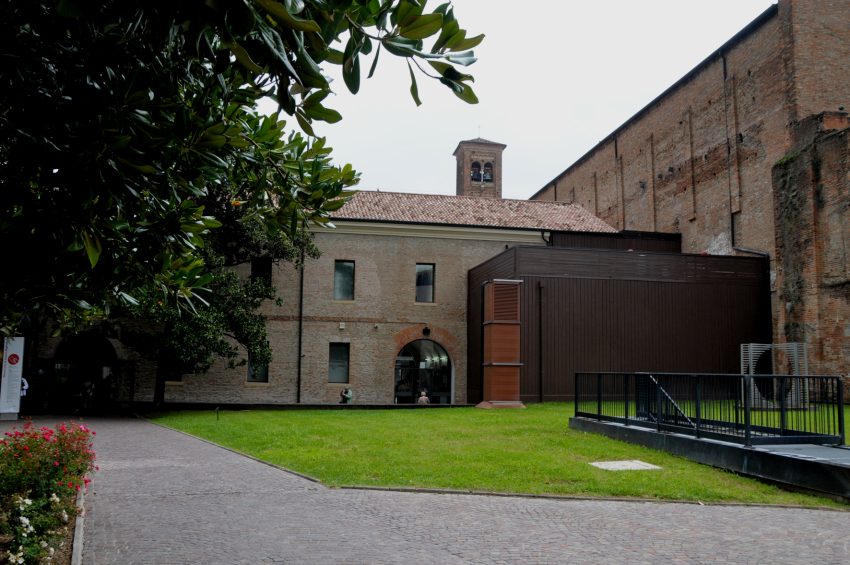
Just steps from the tram lines and traffic of modern Padua, the Musei Civici di Padova offer a deep dive into the city's past, from Roman monuments and medieval painting to refined decorative arts. Centered on the former Eremitani convent and its cloisters, this complex is where you come to connect all the threads: ancient Patavium, Renaissance Padua, and the artistic explosion that produced masterpieces like Giotto's Scrovegni Chapel next door. For many visitors, it quickly becomes one of the top attractions in Padua, especially if you like to pair big-name sights with thoughtful, well-presented collections.
Inside, the museums feel quietly scholarly yet very approachable. Archaeological finds, lapidary inscriptions and sculptures give you context for the ruins scattered around the city, while the picture gallery and applied arts collections reveal the tastes, wealth and craftsmanship of Padua's citizens over the centuries. The complex is compact enough to enjoy in an hour or two, but rich enough that you can easily linger much longer, making it a highlight of any walking tour of Padua.
Table of Contents
- History and Significance of the Musei Civici di Padova
- Things to See and Do in the Musei Civici di Padova
- How to Get to the Musei Civici di Padova
- Practical Tips on Visiting the Musei Civici di Padova
- Where to Stay close to the Musei Civici di Padova
- Is the Musei Civici di Padova Worth Visiting
- FAQs for Visiting Musei Civici di Padova
- Nearby Attractions to the Musei Civici di Padova
History and Significance of the Musei Civici di Padova
The origins of the Musei Civici di Padova lie in the great wave of ecclesiastical suppressions that swept through northern Italy in the late 18th and early 19th centuries. When monasteries and religious houses such as San Giovanni da Verdara were dissolved, their artworks, books and artefacts were gathered up by the city, becoming the nucleus of a civic collection. Further acquisitions followed in 1810, bringing in more paintings, sculptures and religious objects that might otherwise have been dispersed or lost.
In 1825, the scholar and abbot Giuseppe Furlanetto displayed his collection of Roman and Greek lapidary inscriptions in the logge of the Palazzo della Ragione, signalling a new ambition to preserve and show the city's heritage more systematically. The collection expanded again in 1864 with a major donation from Leonardo Capodilista. Under the guidance of the scholar Andrea Gloria, these diverse holdings were brought together under the ownership of the Comune, forming the core of the Pinacoteca (art gallery) as well as a civic library and archive.
The former Augustinian convent of the Eremitani eventually became the main home of these collections. Its cloisters and refectory provided atmospheric spaces for sculptures, frescoes and archaeological items, while the nearby Palazzo Zuckermann, a 20th-century palace across the street, now holds the applied and decorative arts and the Bottacin numismatic collection. Together with the Scrovegni Chapel, the Musei Civici embody Padua's long commitment to scholarship and art, rooted in its medieval university tradition.
Things to See and Do in the Musei Civici di Padova
A typical visit begins in the archaeology and lapidary sections, where Roman and pre-Roman artefacts help you understand the city when it was known as Patavium. Inscriptions, reliefs and everyday objects bring the Roman streets you walk today to life, and there is something special about seeing stones that once formed part of local monuments now carefully preserved in the former cloister of an Augustinian monastery.
The Pinacoteca showcases Paduan and Veneto painting from the medieval period through the Renaissance and beyond. As you move through the rooms, you can trace the evolution of style, from religious panels and altarpieces to more secular subjects. Because many works came from local churches and confraternities, the gallery doubles as a visual history of Padua's spiritual and civic life. It is a calm place to linger after the intensity of Giotto's frescoes next door, and a good way to see how other artists responded to the same currents that made the chapel so famous.
Do not skip Palazzo Zuckermann across the street, which forms part of the same museum complex. Here you find the Museo di Arti Applicate e Decorative, with furniture, ceramics, glassware, jewellery and other finely crafted objects from the Middle Ages to the 19th century, and the Museo Bottacin with its extensive collection of coins, medals and historical curiosities. Together, these collections give you a more intimate view of how people in Padua lived, decorated their homes and expressed their wealth and status, making the Musei Civici di Padova one of the best places to visit in Padua for anyone who enjoys exploring a city through its objects.
How to Get to the Musei Civici di Padova
The Musei Civici di Padova (Eremitani Museum) are located on Piazza Eremitani, at the northern edge of Padua's historic centre, very close to the Scrovegni Chapel and Giardini dell'Arena.
If you are arriving from abroad, the nearest major airports are Venice Marco Polo and Treviso, both of which have shuttle buses and other transport options to Padua, making it easy to visit the museums as part of a wider Veneto itinerary. For the best deals and a seamless booking experience, check out these flights to Padova on Booking.com.
By train, travel to Padova railway station, a key stop on the Venice-Milan and Venice-Bologna lines with frequent regional and high-speed services. From the station it is about a 10-15 minute walk along clearly signed routes to Piazza Eremitani, or you can take the tram and get off at the Eremitani stop just a short stroll from the museum entrance. Use Omnio to easily compare schedules, book train tickets, and find the best prices all in one place for a hassle-free journey across Italy.
Local buses also serve the area around Piazza Eremitani, and once you are in the historic centre, most visitors simply walk, as distances are short and the streets are pleasant. If you are driving, follow signs to Padua from the A4 or A13 motorways and use one of the paid car parks near the station or on the edge of the centre; from there you can walk to the Musei Civici and Scrovegni Chapel without needing to navigate the narrowest streets by car. If you are looking to rent a car in Italy I recommend having a look at Discover Cars, first, as they compare prices and review multiple car rental agencies for you.
Practical Tips on Visiting the Musei Civici di Padova
- Suggested tips: Combine your visit with the Scrovegni Chapel; many tickets are sold as combined passes, and seeing the museums before or after the chapel gives you a much richer understanding of Padua's art.
- Best time to visit: Late morning or mid-afternoon on weekdays is usually quieter; visiting in the heat of the day is ideal as the cool interiors offer a welcome break from the sun.
- Entrance fee: adult/reduced €10/8
- Opening hours: 9am-7pm Tue-Sun
- Official website: https://padovacultura.padovanet.it/it/musei
- How long to spend: Allow at least one hour for a cursory visit, or two to three hours if you want to see archaeology, painting and applied arts at a relaxed pace.
- Accessibility: Main galleries are reasonably accessible, but some older spaces and staircases may be less so; consult staff on arrival if you have mobility needs.
- Facilities: The complex offers restrooms and cloakroom facilities; cafés and restaurants are within a short walk around Piazza Eremitani and towards the main piazzas.
- Photography tip: Photography policies can vary by room, so check signage; when allowed, look for shots that frame sculptures or paintings against the monastery architecture for a sense of place.
- Guided tours: Consider joining a guided tour or using an audio guide to connect what you see here with the Scrovegni Chapel and other historic sites across the city.
- Nearby food options: After your visit, head towards Corso Garibaldi or the main squares for coffee, gelato or a relaxed lunch before continuing your exploration.
Where to Stay close to the Musei Civici di Padova
Staying near Piazza Eremitani puts you within a few minutes' walk of the Musei Civici, the Scrovegni Chapel and the Roman Arena remains, making it an excellent base for an art- and history-focused stay. Hotel Europa Padova is a convenient choice just a short stroll from the museums and also close to the train station, ideal if you are arriving by public transport. For something more intimate in the heart of the old town but still within easy walking distance, Hotel Majestic Toscanelli offers a characterful setting amid narrow streets between the main piazzas and Caffè Pedrocchi. If you prefer a boutique feel with wellness facilities, Le Camp Suite & Spa gives you stylish rooms and a spa while keeping you close to both the museums and the university quarter.
Is the Musei Civici di Padova Worth Visiting
The Musei Civici di Padova are definitely worth visiting, especially if you want to go beyond a quick look at the Scrovegni Chapel and really understand Padua's story. The archaeology, lapidary collections and art gallery help you see how the city grew from Roman roots to medieval powerhouse and Renaissance cultural centre. The applied arts and coin collections in Palazzo Zuckermann add another layer, revealing everyday objects, luxury goods and symbolic items that rarely appear in guidebooks but tell you a lot about local life.
Because the museums are compact, well-organised and located right next to one of Padua’s most famous sights, they are easy to fit into your itinerary. Whether you are an art lover, history buff or simply a curious traveller, they give you context, colour and detail that will enrich every other monument and square you visit in the city.
What Other Travellers Say...
Reviews Summary
Eremitani Museums on Piazza Eremitani present Roman and pre‑Roman archaeological finds alongside Italian art from the 14th–18th centuries, including works associated with Giotto, Guariento, Bellini, Vivarini and Tintoretto; visitors note large galleries with notable Renaissance paintings, mosaics and Egyptian mummies, plus a casual café. Some praise the rich pockets of art and the archaeology displays, while others warn the venue is sprawling, can feel tiring to explore, lacks English labels for many exhibits and may involve time‑restricted access related to the Cappella degli Scrovegni, so plan your visit accordingly.
FAQs for Visiting Musei Civici di Padova
Nearby Attractions to the Musei Civici di Padova
- Scrovegni Chapel: Giotto's world-famous fresco cycle in a small chapel just beside the museums, one of Padua's absolute highlights.
- Giardini dell'Arena and Roman Arena: Green park with the remains of the Roman amphitheatre, perfect for a stroll before or after your museum visit.
- Church of the Eremitani: Adjacent Gothic church with important surviving fresco fragments and monuments to the Carraresi lords.
- Palazzo Zuckermann: Part of the same museum complex, housing decorative arts and the Bottacin coin and medal collection across the street.
- Caffè Pedrocchi: Historic café in the nearby city centre, ideal for a coffee or snack after a morning exploring the museums and chapel.
The Musei Civici di Padova appears in our Complete Guide to Visiting Padova!

Moira & Andy
Hey! We're Moira & Andy. From hiking the Camino to trips around Europe in Bert our campervan — we've been traveling together since retirement in 2020!
This website uses affiliate links which may earn a commission at no additional cost to you!
Planning Your Visit
9am-7pm Tue-Sun
adult/reduced €10/8
Nearby Attractions
- Chiesa degli Eremitani (0.1) km
Church - Roman Arena of Padua (0.1) km
Amphitheatre - Cappella degli Scrovegni (0.1) km
Church - Palazzo Zuckermann (0.1) km
Historic Building and Museum - Giardini dell’Arena (0.2) km
Gardens - Cafe Pedrocchi (0.4) km
Historic Building - Ponte Molino (0.5) km
Bridge and Historic Building - Palazzo Bo (0.5) km
Historic Building and Palace - Palazzo della Ragione (0.5) km
Historic Building and Market - Piazza dei Signori (0.6) km
Square