Municipal Archaeological Museum of Cartagena
Museum in Cartagena
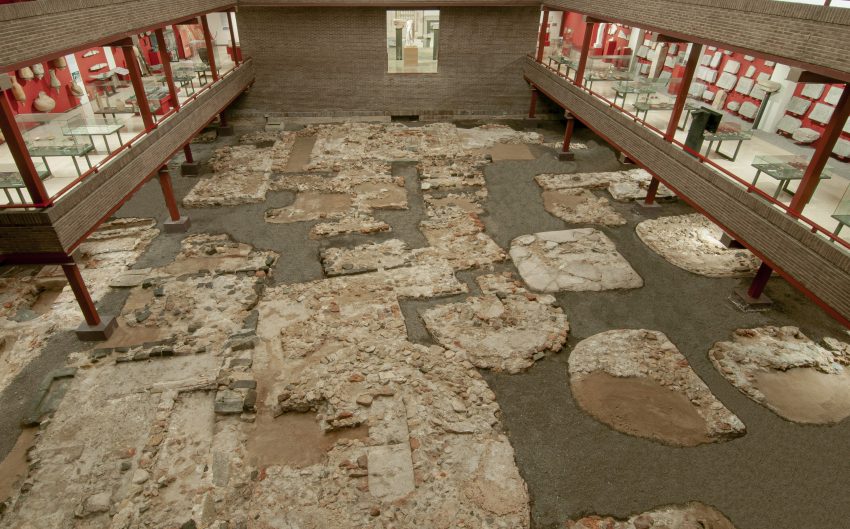
The Municipal Archaeological Museum of Cartagena (Museo Arqueológico Municipal “Enrique Escudero de Castro”) is one of the city's most rewarding cultural stops, especially if you want context for Cartagena's Roman and pre-Roman layers without committing to a huge, all-day museum. Set a little outside the tight historic core, it's still easy to reach on foot and makes a smart add-on to a self-guided walk between central Cartagena and the Alameda de San Antón area.
Inside, the museum is designed around real archaeology rather than just display cases: you'll move through galleries that frame an excavated site, then follow the story from prehistory to later periods through ceramics, mosaics, everyday objects, and funerary finds. If you're doing a walking tour of Cartagena's highlights, this is a great “why it matters” stop before (or after) exploring the Roman Theatre area and the city's hilltop viewpoints.
Table of Contents
- History and Significance of the Municipal Archaeological Museum of Cartagena
- Things to See and Do in the Municipal Archaeological Museum of Cartagena
- How to Get to the Municipal Archaeological Museum of Cartagena
- Practical Tips on Visiting the Municipal Archaeological Museum of Cartagena
- Where to Stay Close to the Municipal Archaeological Museum of Cartagena
- Is the Municipal Archaeological Museum of Cartagena Worth Visiting?
- For Different Travelers
- FAQs for Visiting Municipal Archaeological Museum of Cartagena
- Nearby Attractions to the Municipal Archaeological Museum of Cartagena
History and Significance of the Municipal Archaeological Museum of Cartagena
Cartagena’s history is famously layered, and this museum is one of the best places to see that timeline laid out clearly. The collection focuses on the wider municipality and surrounding region, helping you understand how people lived here long before the Roman boom, and how the city evolved through later centuries.
A major point of significance is the museum’s relationship to the archaeology itself: rather than separating the building from the past, the museum incorporates excavated remains into the visitor route. That “museum built around the dig” feeling makes the experience more tangible than a typical artifact-only gallery.
If you're visiting Cartagena for its Roman heritage, the museum works as a primer: it gives you the everyday-life details (trade, domestic objects, burial customs) that make big-ticket sites like theatres, forums, and walls feel more human and less abstract.
Things to See and Do in the Municipal Archaeological Museum of Cartagena
Start by orienting yourself around the central excavation area, which many visitors describe as the most memorable feature. From there, the permanent exhibition builds outward with objects that track daily life and changing cultures over long stretches of time.
Look out for Roman-era highlights such as mosaics and household items, plus earlier Iberian and Phoenician-influenced material that explains why this coastline mattered strategically. The museum’s strength is in the variety of “real life” artifacts-pottery, tools, and trade-related pieces-that make the ancient city feel lived-in.
If you don’t speak Spanish, plan to use your phone for translation and lean on any available multilingual resources (some visitors mention QR-based content and helpful staff). Even with a language barrier, the layout and the excavation-centered design make it easy to enjoy as a visual, object-led visit.
How to Get to the Municipal Archaeological Museum of Cartagena
The nearest airports are Región de Murcia International Airport (RMU) and Alicante-Elche Airport (ALC). For the best deals and a seamless booking experience, check out these flights to Cartagena on Booking.com.
From elsewhere in Spain, Cartagena is straightforward to reach by rail via Cartagena train station, with connections that typically route through Murcia for many itineraries. Train schedules and bookings can be found on Omio.
If you're driving, Cartagena is well connected by regional highways, and the museum's location outside the tightest old-town streets can make arrival simpler than some central attractions. If you are looking to rent a car in Spain I recommend having a look at Discover Cars, first, as they compare prices and review multiple car rental agencies for you.
Practical Tips on Visiting the Municipal Archaeological Museum of Cartagena
- Entrance fee: Free
- Opening hours: Tuesday – Friday: 09:00–14:00 & 17:00–19:00. Saturday – Sunday: 11:00–14:00. Closed on Monday. Closed on public holidays. (July – August) Tuesday – Sunday: 09:00–13:30.
- Official website: https://museoarqueologico.cartagena.es/
- Best time to visit: Aim for a weekday morning for the quietest galleries, or go in the late afternoon session if you're building a day around central Cartagena.
- How long to spend: Plan for 60-90 minutes for a satisfying visit; history lovers can easily stretch it to 2 hours.
- Accessibility: Expect an indoor museum environment with structured galleries; if you have mobility needs, check with staff on the easiest route around the excavation-focused layout.
- Facilities: You’ll typically find basic visitor amenities and interpretive materials; bring a charged phone if you plan to translate labels or use QR-based content.
Where to Stay Close to the Municipal Archaeological Museum of Cartagena
Base yourself in central Cartagena (near the old town and waterfront) for the easiest walkable access to major sights, dining, and transport.
For a comfortable, well-located stay with a classic city-hotel feel, consider Sercotel Alfonso XIII-it’s a strong all-rounder for couples and first-time visitors who want a reliable base near the center.
If you want a modern, practical option that’s convenient for arrivals and day trips, B&B HOTEL Cartagena Cartagonova is a good pick for value and straightforward comfort.
For a more boutique, design-forward stay with a sense of place, Hotel Boutique La Casa del Reloj is ideal if you like smaller properties and being close to the port-side atmosphere.
If you prefer a polished, contemporary hotel close to the waterfront promenade and restaurants, Hotel NH Campo Cartagena works well for business travelers and anyone who prioritizes quiet nights.
For a central, easygoing option that suits short stays and sightseeing-heavy itineraries, Hotel Los Habaneros is a practical choice with a location that keeps you close to the action.
Is the Municipal Archaeological Museum of Cartagena Worth Visiting?
Yes-especially because it's free, well-reviewed, and genuinely informative. It's the kind of museum that makes the rest of Cartagena better: after you've seen the artifacts and the excavation-centered layout, the city's Roman and medieval remnants feel more connected and easier to interpret.
Honest Pivot: If you’re short on time and only want “big wow” monuments, you might prioritize the Roman Theatre area and waterfront viewpoints instead, then skip this museum if language barriers frustrate you or if you’re not interested in object-based displays.
What Other Travellers Say...

Travelers rate the museum very highly and often describe it as one of the most impressive archaeology museums they’ve visited, especially given that entry is free. Common highlights include the wide historical scope (from prehistory through Roman and later periods), the central excavation area, and standout displays like mosaics and everyday artifacts; several visitors also mention friendly, helpful staff and useful QR-based information. The main drawbacks are that much of the interpretation is in Spanish and English captions can be limited, so non-Spanish speakers may need a translation app; a few also note it’s slightly outside the very center, though still worth the detour.


For Different Travelers
Different travelers get different value here: some will love the deep historical context, while others will appreciate it most as a calm, air-conditioned break that still feels meaningful. Because it’s compact and free, it’s also easy to fit into a flexible day plan.
Families with Kids
Kids who like “real treasure” museums tend to enjoy the variety of objects and the idea that there’s an excavation right in the building. It’s also manageable in length, which helps if you’re traveling with shorter attention spans.
To keep it fun, turn the visit into a scavenger hunt: spot mosaics, find everyday items (cups, jugs, tools), and talk about what people ate, wore, and traded. If labels are mostly in Spanish, using quick phone translation can keep everyone engaged.
Couples & Romantic Getaways
For couples, this museum is a great low-key shared experience between meals, viewpoints, and waterfront strolls. It’s quiet, thoughtful, and gives you conversation fuel for the rest of the day.
Pair it with a walk back toward the center via Alameda de San Antón or a relaxed drink near the port afterward. It’s an easy way to add depth to a romantic city break without over-scheduling.
Budget Travelers
This is a standout budget-friendly attraction because entry is free and the visit feels substantial. If you're building a low-cost Cartagena itinerary, it's one of the best “high value per hour” stops in the city.
Combine it with other walkable sights and use public buses if you want to minimize taxis. A charged phone (for translation/QR content) is the only real “extra” you’ll want.
History Buffs
History buffs should put this near the top of their list, because it connects Cartagena’s famous Roman story to earlier and later periods. The emphasis on everyday artifacts and burial customs adds texture that big monuments alone can’t provide.
If you like to move from objects to sites, visit the museum first, then head to major Roman-era landmarks in the center to see how the material culture fits the urban landscape.
FAQs for Visiting Municipal Archaeological Museum of Cartagena
Getting There
Tickets & Entry
Visiting Experience
Tours, Context & Itineraries
Photography
Accessibility & Facilities
Food & Breaks Nearby
Safety & Timing
Nearby Attractions to the Municipal Archaeological Museum of Cartagena
- Roman Theatre Museum: Cartagena's headline Roman site, combining dramatic ruins with a well-designed interpretive museum.
- ARQVA (National Museum of Underwater Archaeology): A modern museum focused on Mediterranean shipwrecks and maritime heritage.
- Cerro del Molinete Archaeological Park: A hilltop archaeological area with ruins and viewpoints over the city.
- Castillo de la Concepción: A central castle viewpoint with panoramic city and harbor views.
- Cartagena Port & Waterfront Promenade: A scenic area for walking, people-watching, and easy access to restaurants.
The Municipal Archaeological Museum of Cartagena appears in our Complete Guide to Visiting Cartagena!

Moira & Andy
Hey! We're Moira & Andy. From hiking the Camino to trips around Europe in Bert our campervan — we've been traveling together since retirement in 2020!
This website uses affiliate links which may earn a commission at no additional cost to you!
Planning Your Visit
Tuesday - Friday: 09:00-14:00 & 17:00-19:00.
Saturday - Sunday: 11:00-14:00.
Closed on Monday.
Closed on public holidays.
(July - August) Tuesday - Sunday: 09:00-13:30.
Free
Nearby Attractions
- Columnata Romana (1.5) km
Historic Site, Roman Site and Street - Molinete Roman Forum Museum (1.6) km
Historic Site, Museum and Roman Site - Augusteum (1.7) km
Historic Site, Museum and Roman Site - House of Fortune (1.8) km
Historic Site, Museum and Roman Site - Calle Mayor (1.8) km
Area and Street - The Punic Wall (1.8) km
City Walls, Historic Site and Museum - Castillo de la Concepción (1.9) km
Castle, Museum and Viewing Point - Old Cathedral of Cartagena (1.9) km
Cathedral, Historic Site and Ruins - Ayuntamiento Cartagena (1.9) km
Attraction, Historic Building and Town Hall - Museo del Teatro Romano de Cartagena (2.0) km
Museum, Roman Site and Theatre