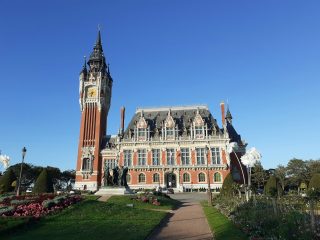
Monument of the Rescuers, Calais
Memorial and Monument in Calais
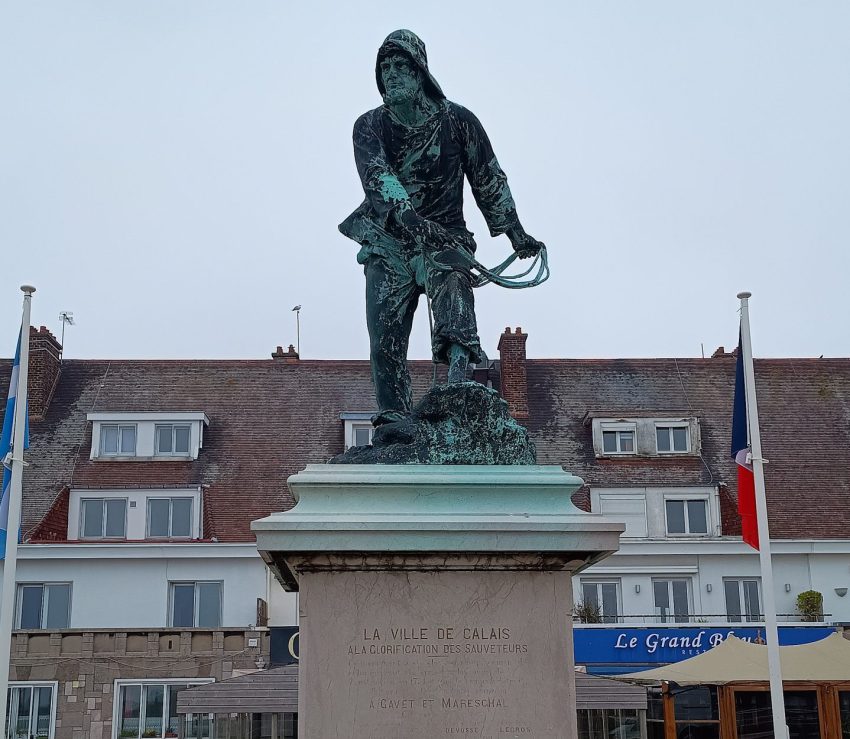
The Monument of the Rescuers (Monument des Sauveteurs) is a small but powerful maritime memorial in Calais, set in the Courgain area near the fishing-port atmosphere that shaped the city's identity. It's the kind of stop that doesn't take long, but it adds real emotional depth to a stroll along the quays.
Most travelers see it as part of a self-guided walking tour through Calais' waterfront and historic center, pairing it with nearby viewpoints, port scenes, and other monuments. For the best experience, come on foot and linger a few minutes to read the inscriptions and take in the sea-facing setting.
Table of Contents
- History and Significance of the Monument of the Rescuers
- Things to See and Do in the Monument of the Rescuers
- How to Get to the Monument of the Rescuers
- Practical Tips on Visiting the Monument of the Rescuers
- Where to Stay Close to the Monument of the Rescuers
- Is the Monument of the Rescuers Worth Visiting?
- For Different Travelers
- FAQs for Visiting Monument of the Rescuers
- Nearby Attractions to the Monument of the Rescuers
History and Significance of the Monument of the Rescuers
The monument commemorates the courage of Calais’ sea rescuers and is closely tied to a dramatic rescue attempt in 1791, when local men went out in stormy conditions to help a boat in distress. The story is remembered not as a victory lap, but as a tribute to people who risked everything for strangers on the water.
The current monument was created in the late 19th century and later moved to the Courgain maritime quarter, reinforcing its connection to the working harbor and the community that lived by the rhythms of the sea. Even if you don’t know the full backstory before you arrive, the site communicates a clear message: Calais’ maritime life has always demanded bravery.
In a city often visited for its crossings and coastline, this memorial offers a quieter kind of landmark. It's less about grand architecture and more about local memory, making it especially meaningful if you're interested in Calais beyond the headline sights.
Things to See and Do in the Monument of the Rescuers
Start with the sculpture itself and the base inscriptions, which anchor the monument in real names and real events. Take a slow loop around it to catch different angles, then look outward toward the harbor area to understand why this tribute belongs here.
Because the monument sits in a maritime neighborhood, the best “activity” is to combine it with an easy waterfront wander: watch fishing-port life, spot boats and working quays, and use the stop as a reflective pause between more bustling parts of town. It’s also a good place to talk through Calais’ relationship with the Channel and the risks that came with it.
If you enjoy photography, you’ll find strong compositions here: bronze against open sky, and memorial detail against the texture of the port district. Early or late light tends to be most flattering, especially when the waterfront feels calmer.
How to Get to the Monument of the Rescuers
The nearest major airports are in the wider region (often via Lille or Paris), and many visitors also arrive through nearby cross-Channel hubs before continuing to Calais. For the best deals and a seamless booking experience, check out these flights to Calais on Booking.com.
Calais is well connected by rail, and arriving by train is one of the simplest options if you're coming from other French cities or onward connections. You can use SNCF Connect to check schedules, compare routes, and purchase tickets for National (SNCF ) and regional trains (TER). For a more streamlined experience, we recommend using Omio, which allows you to easily compare prices, schedules, and book tickets for both National and Regional travel across all of Europe, all in one place.
If you're driving, Calais is straightforward to reach via regional motorways, and you can usually find parking options within a short walk of the waterfront areas. If you are looking to rent a car in France I recommend having a look at Discover Cars, first, as they compare prices and review multiple car rental agencies for you.
Practical Tips on Visiting the Monument of the Rescuers
- Entrance fee: Free.
- Opening hours: 24 Hours.
- Best time to visit: Go in the morning for a quieter feel, or near sunset for softer light on the bronze and a more atmospheric waterfront walk.
- How long to spend: Plan 10–20 minutes at the monument itself, or 45–90 minutes if you’re combining it with a wider Courgain and waterfront stroll.
- Accessibility: The area is generally flat and walkable, but surfaces near quays can vary; approach slowly if you use a wheelchair, stroller, or mobility aid.
- Facilities: There are no dedicated on-site facilities; rely on nearby cafés and public amenities in the surrounding port and town areas.
Where to Stay Close to the Monument of the Rescuers
Base yourself in central Calais so you can walk to the waterfront, restaurants, and the main sights without relying on transport.
If you want a comfortable, dependable base with easy access to both the center and the seafront, consider staying at Holiday Inn Calais. It’s a practical pick for travelers who want a familiar standard and a location that makes walking itineraries simple.
For a more boutique-leaning stay with a classic Calais address, Hôtel Meurice is a strong choice. It’s well placed for combining the monument with the old-town feel and everyday city life.
If you’re prioritizing quick access to transport links for day trips, ibis Styles Calais Centre is a convenient option. It’s especially useful if you’re building an itinerary around train connections and short walks.
For a budget-friendly, no-fuss stay that still keeps you close to the action, B&B HOTEL Calais Centre St Pierre works well. It’s a good fit if you’d rather spend on meals and activities than on the room.
If you’re traveling by car and want straightforward logistics, Première Classe Calais Centre-Gare is worth a look. It’s included for its practicality and typically good value for short stays.
Is the Monument of the Rescuers Worth Visiting?
Yes, especially if you like places that reveal a city's character in a few quiet minutes. The Monument of the Rescuers is not a “big-ticket” attraction, but it's memorable because it's rooted in Calais' maritime reality and honors everyday heroism rather than spectacle.
Honest Pivot: If you’re short on time and only want major, visually dramatic landmarks, you might skip it in favor of larger headline sights. But if you’re already walking the waterfront or exploring Courgain, it’s absolutely worth the small detour.
What Other Travellers Say...

Reviews are extremely positive, with visitors describing the monument as a meaningful, respectful place of remembrance. The main positives are its commemorative value, the sense of local history, and the emotional impact despite being a small stop. With so few reviews, the main drawback is limited feedback on practical details like signage, context, or how long to spend.

For Different Travelers
The Monument of the Rescuers is easy to add to many Calais itineraries because it's quick, outdoors, and naturally pairs with a waterfront walk. The key is to treat it as a meaningful stop rather than a standalone “destination.”
Families with Kids
Kids may not connect immediately with the historical details, but the waterfront setting and the idea of sea rescues can make the story approachable. Keep the visit short and turn it into a quick “why is this here?” moment before moving on.
Pair it with a simple harbor walk where children can watch boats and spot maritime details. It’s a low-stress stop that doesn’t require tickets, lines, or indoor attention spans.
Couples & Romantic Getaways
For couples, this is a quiet, reflective stop that adds texture to a seaside stroll. It's especially nice when the light is soft and the waterfront feels calmer.
Use it as a pause between cafés or viewpoints, and consider building a slow walking route that mixes maritime history with a relaxed meal nearby. It's not flashy, but it can feel intimate in the right moment.
Budget Travelers
This is an excellent budget-friendly sight because it’s outdoors and quick to visit. You can build a full, satisfying walking loop around it without spending anything.
Combine it with other free Calais highlights and save your budget for a good local meal. It's also a good “anchor stop” when you're exploring on foot and want a meaningful point on the map.
History Buffs
History-focused travelers will appreciate how the monument connects to a specific local event and to the broader theme of maritime risk in Channel towns. It’s a reminder that Calais’ story isn’t only about borders and crossings, but also about community and survival.
To deepen the visit, look for context in nearby monuments and the port district’s historical markers. The best approach is to treat Courgain as a living historical setting, with the monument as its emotional centerpiece.
FAQs for Visiting Monument of the Rescuers
Getting There
Tickets & Entry
Visiting Experience
Tours, Context & Itineraries
Photography
Accessibility & Facilities
Food & Breaks Nearby
Safety & Timing
Nearby Attractions to the Monument of the Rescuers
- Calais Lighthouse: A classic coastal landmark that pairs well with a waterfront walk and sea views.
- Fort Risban: A historic fortification near the harbor area that adds military history to your seaside itinerary.
- Calais Beach: A wide, breezy stretch of sand for a longer stroll and open Channel horizons.
- The Burghers of Calais (Rodin): Calais' most famous sculpture, ideal for art and history lovers.
- Calais Town Hall and Belfry: An iconic civic building and UNESCO-listed belfry that anchors a visit to central Calais.
The Monument of the Rescuers appears in our Complete Guide to Visiting Calais!

Moira & Andy
Hey! We're Moira & Andy. From hiking the Camino to trips around Europe in Bert our campervan — we've been traveling together since retirement in 2020!
This website uses affiliate links which may earn a commission at no additional cost to you!
Planning Your Visit
24 Hours.
Free.
Nearby Attractions
- Quartier du Courgain Maritime (0.1) km
Area, Attraction and Harbour - Colonne Louis XVIII (0.2) km
Historic Site, Monument and Statue - Phare de Calais (0.2) km
Historic Site and Lighthouse - Bassin du Paradis (0.3) km
Harbour, Marina and Port - Fort Risban (0.3) km
Historic Building, Historic Site and Viewing Point - Port De Plaisance De Calais (0.4) km
Harbour, Marina and Port - Place d'Armes (0.4) km
Area, Attraction and Square - Tour du Guet (0.4) km
Historic Site, Monument and Tower - Eglise Notre-Dame de Calais (0.5) km
Attraction, Church and Religious Building - Jardin Tudor (0.5) km
Gardens and Park