Madeira Ethnographic Museum, Ribeira Brava (Madeira)
Museum in Ribeira Brava (Madeira)
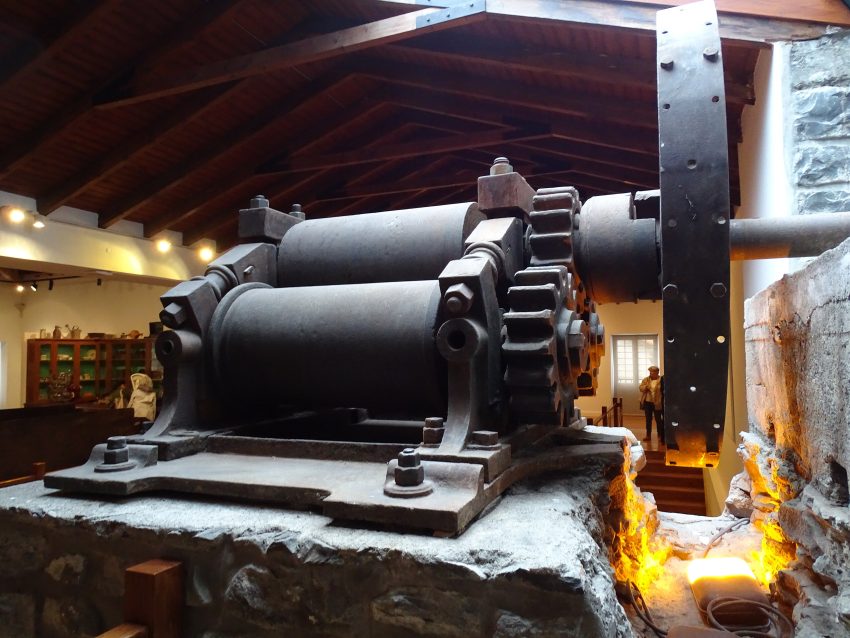
Museu Etnográfico da Madeira is a culture-rich museum in Ribeira Brava that makes Madeira's everyday history feel tangible, not abstract. Set inside a historic manor later converted into an industrial sugar-cane and brandy complex, it's the sort of place where the building itself already tells a story before you even reach the displays.
Inside, the museum takes you through traditional Madeiran life with a practical, grounded lens: how people worked, moved, cooked, traded, and built communities across the archipelago. If you're looking for one of the things to do in Ribeira Brava that adds depth beyond viewpoints and promenades, it's an easy win on a walking tour of Ribeira Brava.
Table of Contents
- History and Significance of the Museu Etnográfico da Madeira
- Things to See and Do in the Museu Etnográfico da Madeira
- Practical Tips on Visiting the Museu Etnográfico da Madeira
- Where to Stay Close to the Museu Etnográfico da Madeira
- Is the Museu Etnográfico da Madeira Worth Visiting?
- For Different Travelers
- FAQs for Visiting Museu Etnográfico da Madeira
- Nearby Attractions to the Museu Etnográfico da Madeira
History and Significance of the Museu Etnográfico da Madeira
The museum is housed in a 17th-century manor that once formed part of the extensive rural properties connected to the Convent of Santa Clara in Funchal. Over time, the estate passed into private hands, and in 1710 it was significantly remodelled with an extra floor and a chapel dedicated to São José, giving rise to the name Solar de São José.
What makes this site especially meaningful is its industrial chapter. In the mid-19th century, the manor was transformed into a working complex that included a sugar-cane mill and an alcohol distillery, later upgraded to incorporate hydraulic power fed by a levada. The building’s shift from estate life to production mirrors Madeira’s broader story of resourcefulness, where agriculture, water management, and small-scale industry shaped daily life.
The Ethnographic Museum of Madeira opened here in 1996, deliberately using the former brandy mill setting to frame the island's traditional culture. That context matters: the museum is not simply “about” the past, it sits inside the kind of place where past labour and local systems were lived out.
Things to See and Do in the Museu Etnográfico da Madeira
Start by paying attention to the thematic structure of the displays, because the museum is designed to feel like a walkthrough of island life rather than a single timeline. You’ll move through productive activities such as fishing and the production cycles of wine, cereals, and linen, which helps you understand how Madeira’s economy was built from practical routines and seasonal work.
The domestic-life sections are often the most memorable, because they translate history into space and objects. Seeing traditional kitchen and bedroom set-ups makes it easier to picture how homes functioned day to day, what was valued, and what was improvised with local materials.
Finish with the sections on transport and commerce, including displays that recreate the feel of traditional trading spaces such as a grocery store. It’s a strong way to end because it ties together the island’s working life with the social side of community-where goods, news, and relationships moved through the same shared places.
Practical Tips on Visiting the Museu Etnográfico da Madeira
- Entrance fee: Adults: €3.00
- Opening hours: Tuesday - Friday 09:30-17:00; Saturday: 10:00-12:30 & 13:30-17:30; Closed on Sundays, Mondays and public holidays.
- Official website: https://cultura.madeira.gov.pt/museu-etnografico-da-madeira
- Best time to visit: Visit late morning on a weekday for a quieter, more unhurried experience, especially if you like reading labels and taking your time with details. If you're pairing it with other Ribeira Brava stops, it also works well as a midday cultural break between seafront walks.
- How long to spend: Most visitors spend around 60-90 minutes, which is enough to see the key sections without rushing. If you enjoy folk culture and material history, allow closer to two hours so you can move slowly through the themed rooms.
- Accessibility: Expect a historic-building layout with potential stairs and tighter transitions between some rooms, typical of an adapted manor and industrial site. If mobility is a concern, aim for a focused visit on the most accessible floors and core galleries.
- Facilities: Plan for limited on-site amenities compared with larger city museums, and rely on nearby cafés in Ribeira Brava for breaks. A simple approach is museum first, then a relaxed coffee stop on the seafront.
Where to Stay Close to the Museu Etnográfico da Madeira
For a culture-heavy itinerary with dining and evening life, base yourself in Funchal; for a trip focused on relaxed south-coast exploring and easy access to westbound day routes, staying around Ribeira Brava or nearby Ponta do Sol is usually the better fit.
If you want a straightforward base in town for walkable days, consider Flag Hotel Madeira - Ribeira Brava. For a calmer village feel with an easy drive back to Ribeira Brava, Enotel Sunset Bay is a strong option. If you prefer a more scenic, romantic stay while keeping this area within simple reach, Estalagem da Ponta do Sol fits well.
Is the Museu Etnográfico da Madeira Worth Visiting?
Yes, especially if you want to understand Madeira as a lived place rather than just a landscape. The museum's strength is how concrete it feels: it shows the tools, spaces, and systems that made island life work, from production cycles to domestic routines.
It’s also worth visiting because the setting reinforces the content. Learning about agriculture and traditional livelihoods inside a former mill and distillery gives the visit an authenticity that purpose-built galleries can’t always replicate.
What Other Travellers Say...

Museum of Ethnography, R. de São Francisco 24, Ribeira Brava — a compact local museum that presents Madeira's crafts, transport and daily life through permanent and rotating exhibits; visitors often note clear English signage, a recreated Madeiran bedroom, and demonstrations of traditional hand weaving on old looms, plus an attached shop selling handmade crafts, while accessibility is aided by a lift though there are some internal steps and a few visitors have reported maintenance issues and attentive staff.


For Different Travelers
Families with Kids
This museum works best for families when you treat it as a visual, object-led visit rather than a reading-heavy one. Focus on the most tangible displays-everyday tools, work processes, and the recreated domestic spaces-because they naturally spark questions and keep attention moving.
To keep it smooth, pair the museum with an outdoor break afterward. Ribeira Brava's seafront makes a good “reset” so kids can switch from indoor focus to open-air energy without needing extra planning.
Couples & Romantic Getaways
For couples, this is a quietly rewarding stop that adds cultural texture to a south-coast day. It’s a good choice when you want something meaningful and locally rooted, especially if you’ve already done the big viewpoints and want to slow the pace.
It also pairs nicely with a simple date-style itinerary: museum first, then a relaxed coffee or lunch nearby, then a coastal stroll. The museum gives you conversation material for the rest of the day without feeling heavy or academic.
Budget Travelers
This is a strong budget-friendly visit because it offers depth without requiring a full-day spend. You can make it a high-value cultural anchor in Ribeira Brava, then build the rest of your day around free coastal walking and scenic stops.
If you're using buses, Ribeira Brava is an easy base for a low-cost day, and the museum gives structure to your itinerary so it doesn't become “just wandering” unless you want it to be.
History Buffs
For history buffs, the museum is valuable because it focuses on social and economic history rather than only monuments and dates. The themed approach helps you understand how fishing, farming, textiles, trade, and domestic life interacted across the archipelago.
The building's own history adds an extra layer: manor house, chapel, industrial mill, and finally museum. That sequence makes the site itself a case study in how Madeira repurposed spaces as needs changed over centuries.
FAQs for Visiting Museu Etnográfico da Madeira
Getting There
Tickets & Entry
Visiting Experience
Tours, Context & Itineraries
Photography
Accessibility & Facilities
Food & Breaks Nearby
Safety & Timing
Nearby Attractions to the Museu Etnográfico da Madeira
- Forte de São Bento: A small 18th-century coastal fort in Ribeira Brava that adds a quick dose of maritime history.
- São Bento Church: A richly decorated church known for sacred art, gilded carving, and standout interior details.
- Ribeira Brava Lighthouse: A simple, scenic seafront landmark that makes for an easy coastal viewpoint stop.
- Cabo Girão Skywalk: A dramatic glass-floor viewpoint nearby with sweeping south-coast panoramas.
- Ponta do Sol: A photogenic south-coast village that pairs well with Ribeira Brava for a relaxed afternoon detour.
The Madeira Ethnographic Museum appears in our Complete Guide to Visiting Ribeira Brava (Madeira)!

Moira & Andy
Hey! We're Moira & Andy. From hiking the Camino to trips around Europe in Bert our campervan — we've been traveling together since retirement in 2020!
This website uses affiliate links which may earn a commission at no additional cost to you!
Planning Your Visit
Tuesday – Friday 09:30-17:00; Saturday: 10:00-12:30 & 13:30-17:30; Closed on Sundays, Mondays and public holidays.
Adults: €3.00
Nearby Attractions
- São Bento Church (0.2) km
Church - Fort of São Bento (0.4) km
Tourist Office and Tower - Ribeira Brava Lighthouse (0.5) km
Lighthouse - Cascata dos Anjos (5.0) km
Waterfalls - Cabo Girão Viewpoint (5.9) km
Viewing Point - Câmara de Lobos (7.4) km
Village - Paul da Serra (10.0) km
Hike and Nature Reserve - Eira do Serrado Viewpoint (10.0) km
Viewing Point - Curral das Freiras (Nuns Valley) (10.4) km
Town - Levada das 25 Fontes (PR6 & PR6.1) (11.3) km
Hike


