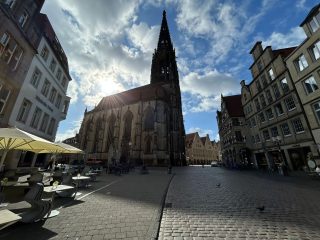
Lübeck Cathedral (Lübecker Dom)
Cathedral in Lübeck

Lübeck Cathedral (Lübecker Dom) is where the city's religious and architectural history comes together in a single, striking building. Founded in the 12th century by Henry the Lion and reshaped over the centuries, it leads you from sturdy Romanesque beginnings to soaring Gothic spaces, all within one monumental church. Stepping inside, you immediately feel the weight of time in its tall nave, quiet chapels, and carefully restored details that survived war and change. It's one of the must-see places in Lübeck if you want more than postcard views and prefer places that tell layered stories.
What makes the cathedral special today is not just its art and architecture, but also its setting. Standing at the southern edge of the Old Town, surrounded by greenery and close to the Mühlenteich lake, it has a calmer, more contemplative feel than the busy market square. This spot is a highlight of any walking tour of Lübeck, offering a natural pause point where you can sit on a bench, admire the twin towers, and plan your next steps towards nearby museums and churches.
Table of Contents
- History and Significance of the Lübeck Cathedral
- Things to See and Do in the Lübeck Cathedral
- How to Get to the Lübeck Cathedral
- Practical Tips on Visiting the Lübeck Cathedral
- Where to Stay close to the Lübeck Cathedral
- Is the Lübeck Cathedral
- FAQs for Visiting Lübeck Cathedral
- Nearby Attractions to the Lübeck Cathedral
History and Significance of the Lübeck Cathedral (Lübecker Dom)
Lübeck Cathedral was founded in the 12th century under the patronage of Henry the Lion, at a time when Lübeck was emerging as a major regional centre. Its original Romanesque design reflected the architectural language of power and stability, with massive walls, rounded arches, and a straightforward, fortress-like presence at the edge of the growing town. As Lübeck's importance grew within the Hanseatic League, the cathedral gradually evolved, with Gothic elements added to match the city's rising confidence and wealth.
In the late Middle Ages, the cathedral’s interior was enriched with art and furnishings, including the celebrated Triumphal Cross carved by Bernt Notke in the late 15th century. Suspended dramatically above the altar, this life-sized crucifixion scene became a focal point of devotion and remains one of the most impressive medieval artworks in the city. Other altars, sculptures, and tombs added layers of meaning, turning the cathedral into both a spiritual centre and a gallery of Lübeck’s religious art.
The 20th century brought one of the most dramatic chapters in the cathedral's history. During the Allied bombing raids of 1942, Lübeck Cathedral suffered heavy damage to its roof and interior, leaving parts of the structure scarred and exposed. In the decades that followed, careful restoration work aimed to repair the war damage while staying faithful to the building's historic character. Today, the restored cathedral stands as both a place of worship and a symbol of resilience, showing how Lübeck chose to preserve its heritage in the wake of destruction.
Things to See and Do in the Lübeck Cathedral (Lübecker Dom)
As you approach the cathedral, take time to walk around its exterior and appreciate the mix of styles: the twin western towers rising above the southern Old Town, the long brick walls, and the interplay between older Romanesque elements and later Gothic height. From the surrounding green space, you get excellent views of the towers framed by trees, especially attractive in the soft light of early morning or late afternoon.
Inside, the main nave is where Lübeck Cathedral truly reveals its character. Look up to appreciate the height and rhythm of the Gothic vaulting, then walk slowly towards the chancel to encounter the Triumphal Cross by Bernt Notke. This suspended crucifixion group combines drama, detail, and craft in a way that can stop you in your tracks, especially when viewed against the calm backdrop of the choir. Smaller chapels, side altars, and memorials invite closer inspection, telling stories of donors, clergy, and citizens across the centuries.
Don’t miss the more intimate spaces around the edges of the cathedral, including cloistered areas and passages that connect the church with the surrounding grounds. These quieter corners help you imagine the daily routines of medieval clergy and the flow of people coming for worship, confession, or consolation. If you time your visit for a concert or special event, you’ll experience how the cathedral’s acoustics and atmosphere enhance music and spoken word, turning history into a living backdrop.
How to Get to the Lübeck Cathedral (Lübecker Dom)
For most international visitors, the easiest gateway is Hamburg Airport (HAM), which offers frequent connections across Europe and beyond, with Lübeck about an hour away by onward travel. For the best deals and a seamless booking experience, check out these flights to Lübeck on Booking.com.
From Hamburg, regional trains run regularly to Lübeck Hauptbahnhof in around 45-60 minutes; from the station, it's roughly a 15-20 minute walk through the Old Town to the cathedral, or a short bus ride towards stops near the southern edge of the historic centre. Train schedules and bookings can be found on Omio.
Long-distance and regional buses also connect Lübeck with other cities in northern Germany, typically arriving near the main station or at stops close to the Old Town, from where you can reach the cathedral on foot within a comfortable walking distance.
If you're travelling by car, use the A1 motorway to reach Lübeck, following signs for Lübeck-Zentrum and then for the Altstadt; park in one of the nearby car parks and walk through the southern Old Town streets and green areas to reach Lübeck Cathedral in just a few minutes. If you are looking to rent a car in Germany I recommend having a look at Discover Cars, first, as they compare prices and review multiple car rental agencies for you.
Practical Tips on Visiting the Lübeck Cathedral (Lübecker Dom)
- Suggested tips: Take a slow lap around the cathedral grounds before going inside to appreciate its setting by the water and the contrast between brick, trees, and surrounding houses.
- Best time to visit: Late morning or mid-afternoon offers good light inside and out, while early evening visits can be especially atmospheric when concerts or services are scheduled.
- Entrance fee:
- Opening hours:
- Official website:
- How long to spend: Allow 45-90 minutes to explore the interior, artworks, and surrounding grounds at a relaxed pace, longer if attending a concert or service.
- Accessibility: Main entrances and interior aisles are generally accessible, though some areas may include steps or uneven floors; check ahead if you have specific mobility requirements.
- Facilities: Nearby you’ll find public toilets, cafés, and shops in the surrounding Old Town; the cathedral itself offers seating for quiet reflection.
- Photography tip: Use the natural light streaming through high windows to capture the Triumphal Cross and nave; be respectful of worshippers and any restrictions during services.
- Guided tours: Look for guided tours or audio guides that include Lübeck Cathedral in a broader Old Town route, adding context on both religious and civic history.
- Nearby food options: The streets between the cathedral and the market square are full of cafés and restaurants, ideal for a drink or meal before or after your visit.
Where to Stay close to the Lübeck Cathedral (Lübecker Dom)
Staying within Lübeck’s Old Town makes visiting the cathedral easy at different times of day, whether you’re catching a quiet morning moment or an evening concert. A centrally located option is Motel One Lübeck, which offers modern comfort just a short walk from both the market square and the Dom. For a more historic atmosphere close to churches and quiet lanes, Hotel an der Marienkirche places you between key religious sites while keeping the cathedral within easy reach on foot. If you prefer a slightly more secluded, characterful stay near green spaces and waterways, Hotel Die Reederin offers a boutique feel and a pleasant stroll to the cathedral and nearby museums.
Is the Lübeck Cathedral (Lübecker Dom) Worth Visiting?
Lübeck Cathedral is definitely worth visiting, especially if you're interested in how a city's religious and civic history are written into its buildings. Here you can trace a clear line from Romanesque foundations to Gothic expansion, from medieval prosperity to wartime damage and careful reconstruction. The presence of major artworks like Bernt Notke's Triumphal Cross adds artistic depth to the experience, turning a simple church visit into an encounter with some of northern Europe's finest medieval carving.
Its location also makes it a rewarding contrast to Lübeck's more crowded central spots. The peaceful green surroundings, proximity to the Mühlenteich lake, and links to nearby museums create a more reflective side of the city that balances out busier market and harbour areas. For many travellers, the cathedral becomes one of the top attractions in Lübeck precisely because it combines architecture, art, history, and calm in one memorable stop.
What Other Travellers Say...

Lübeck Cathedral at Mühlendamm 2–6 dominates the city with twin spires and a red‑brick exterior; visitors praise its striking exterior views and large, ornate interior with gold detailing and an art‑deco organ, though some find the interior less colorful than other local churches. Entry can be free at certain times and the clock offers a charming mechanical figure when it strikes, but opening hours vary and several visitors reported arriving to find the church closed for services or events, so check availability before you go.


FAQs for Visiting Lübeck Cathedral (Lübecker Dom)
Nearby Attractions to the Lübeck Cathedral (Lübecker Dom)
- Museum of St. Anne (St. Annen-Museum) - A former convent turned museum showcasing medieval and early modern art, just a short walk from the cathedral.
- Mühlenteich - A tranquil lake near the Dom, offering waterside paths and peaceful views of the southern Old Town.
- Lübeck Old Town (Altstadt) - The UNESCO-listed historic centre with churches, merchants' houses, and lively streets stretching north from the cathedral.
- Heiligen-Geist-Hospital - One of Europe's oldest social institutions, combining Brick Gothic architecture with a powerful story of medieval charity.
- Schiffergesellschaft - The historic sailors' guild house, now an atmospheric restaurant where Lübeck's maritime past comes to life over traditional dishes.
The Lübeck Cathedral (Lübecker Dom) appears in our Complete Guide to Visiting Lübeck!

Moira & Andy
Hey! We're Moira & Andy. From hiking the Camino to trips around Europe in Bert our campervan — we've been traveling together since retirement in 2020!
This website uses affiliate links which may earn a commission at no additional cost to you!
Nearby Attractions
- St. Annen Museum (0.3) km
Museum - Half-Tower (Halbenturm) in Lübeck (0.3) km
Historic Building - St. Peter’s Church (St. Petri-Kirche) (0.6) km
Church - Café Niederegger (0.6) km
Historic Building - Lübeck’s Old Market Square (Marktplatz) (0.6) km
Market - Lübeck Town Hall (0.7) km
Town Hall - Salzspeicher (0.7) km
Historic Building - Holstentor (0.7) km
City Gate - Devil Statue at St. Marien-Kirche (0.7) km
Sculpture - St. Marien-Kirche (0.8) km
Church