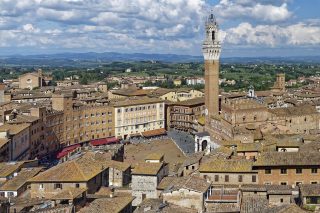
Loggia della Signoria, Florence
Historic Building and Museum in Florence

The Loggia della Signoria, also known as the Loggia dei Lanzi, is one of the best places to visit in Florence for travellers who want to experience art, history, and architecture woven seamlessly into public life. Standing along the edge of Piazza della Signoria and beside the Uffizi Gallery, this elegant open-air gallery reveals a magnificent collection of sculptures framed by wide, graceful arches. It is a great place to visit on a walking tour of Florence, as it offers an intimate encounter with masterpieces by Giambologna, Cellini, and other great artists.
Built in the late 14th century, the Loggia blends Gothic and early Renaissance sensibilities. Its sculptures were carefully chosen not only for their beauty but for their political symbolism during the Medici era. The result is an extraordinary space where art communicates power, mythology, civic identity, and human emotion, making the loggia one of the top sights in Florence for anyone fascinated by cultural history.
Table of Contents
- History and Significance of Loggia della Signoria
- Things to See and Do in Loggia della Signoria
- How to Get to Loggia della Signoria
- Practical Tips on Visiting Loggia della Signoria
- Where to Stay close to Loggia della Signoria
- Is Loggia della Signoria Worth Visiting?
- FAQs for Visiting Loggia della Signoria
- Nearby Attractions to Loggia della Signoria
History and Significance of Loggia della Signoria
Constructed between 1376 and 1382 by Benci di Cione and Simone Talenti, the Loggia was originally designed to host public ceremonies of the Florentine Republic, including the swearing-in of magistrates and other civic rituals. With its open arches facing the piazza, the structure served as a symbolic link between the government and the citizens.
When the Medici family rose to power in the 16th century, the purpose of the Loggia shifted. It became an emblem of Medici authority, and the sculptures placed within it were selected to promote messages of strength, justice, and dynastic legitimacy. The Medici understood the power of art in shaping public perception, and the Loggia became a stage where mythological and allegorical figures subtly reinforced their rule.
In later years, after the Uffizi complex was built, architect Bernardo Buontalenti created a rooftop garden above the Loggia. From this elevated terrace, the Medici could watch ceremonies unfolding in the square without being directly exposed to the crowds. Today, this terrace forms part of the Uffizi’s viewing area, adding another layer of historical richness to the Loggia’s story.
Things to See and Do in Loggia della Signoria
At the top of the stairs, two impressive lions greet visitors-one an ancient Roman sculpture and the other crafted by Flaminio Vacca in 1598 and moved here from the Villa Medici in 1789. These imposing figures symbolise vigilance and civic strength.
Inside the Loggia, masterpieces such as Benvenuto Cellini's bronze Perseus stand out with their dramatic detail and expressive storytelling. Giambologna's Rape of the Sabine Women showcases the artist's mastery of movement and emotion, a spiralling composition that rewards viewing from every angle. Other sculptures include classical works brought to Florence during the Renaissance revival of antiquity.
The Loggia’s architecture, with its graceful arches and elegant proportions, is equally captivating. Scholars believe Filippo Brunelleschi may have drawn inspiration from these arches when designing the Spedale degli Innocenti, considered the first true Renaissance building.
How to Get to Loggia della Signoria
Florence Airport, Peretola, is the closest international airport and offers convenient access to the city centre via tram or taxi services. For the best deals and a seamless booking experience, check out these flights to Florence on Booking.com.
Many travellers arrive by train at Santa Maria Novella station, from where it is an easy 15-20 minute walk to Piazza della Signoria and the Loggia. Use Omnio to easily compare schedules, book train tickets, and find the best prices all in one place for a hassle-free journey across Italy.
Driving into Florence’s historic centre is difficult due to ZTL restrictions, but parking areas on the outskirts allow visitors to approach the site on foot or by taxi. If you are looking to rent a car in Italy I recommend having a look at Discover Cars, first, as they compare prices and review multiple car rental agencies for you.
Practical Tips on Visiting Loggia della Signoria
- Suggested tips: Visit early in the morning for quieter viewing or at night when sculptures are beautifully illuminated.
- Best time to visit: Late afternoon offers dramatic lighting on the sculptures.
- Entrance fee in Euros: Free, as it is an open-air gallery.
- Opening hours: Accessible at all times.
- Official website: Refer to the Uffizi Galleries official site.
- How long to spend: 20-40 minutes depending on interest in sculpture.
- Accessibility: The piazza area is flat and accessible, though some steps lead into the loggia.
- Facilities: Cafés, restaurants, and public restrooms nearby.
- Photography tip: Capture Giambologna’s sculptures from multiple angles to appreciate their dynamic movement.
- Guided tours: Many walking tours include detailed explanations of the Loggia’s artwork.
- Nearby food options: Numerous trattorias and wine bars fill the surrounding streets.
Where to Stay close to Loggia della Signoria
For those staying in the heart of Florence, Relais Piazza Signoria offers modern suites overlooking the square itself. A refined alternative is Hotel Bernini Palace, located a short walk away with elegant Renaissance-era interiors. Another nearby option is Hotel degli Orafi, known for its comfortable rooms and beautiful rooftop terrace.
Is Loggia della Signoria Worth Visiting?
Absolutely. The Loggia della Signoria is a rare opportunity to admire Renaissance and classical sculpture in a fully open, public setting. Its historical role, artistic treasures, and striking architecture make it a remarkable place to pause, reflect, and appreciate Florence's cultural depth. Whether you're an art enthusiast or a casual visitor, the Loggia offers a memorable encounter with the city's enduring creative spirit.
What Other Travellers Say...

Loggia dei Lanzi at Piazza della Signoria is a 14th-century ceremonial loggia turned open-air sculpture gallery where marble and bronze masterpieces sit beneath wide arches beside Palazzo Vecchio; it's free and always accessible, letting you get close to famed works such as Perseus with the Head of Medusa, Giambologna's Rape of the Sabine Women, Hercules and Nessus, and several ancient Roman statues, with copies in place to protect some originals, creating a lively, informal spot to rest, take photos, and soak up Florence's art integrated into everyday city life.


FAQs for Visiting Loggia della Signoria
Nearby Attractions to Loggia della Signoria
- Palazzo Vecchio - Florence's historic town hall filled with Renaissance art.
- Uffizi Gallery - World-famous museum showcasing masterpieces of European art.
- Piazza della Signoria - The city's civic and political heart.
- Ponte Vecchio - Iconic medieval bridge lined with jewellery shops.
- Bargello Museum - Renowned for its exceptional collection of Renaissance sculpture.
The Loggia della Signoria appears in our Complete Guide to Visiting Florence!

Moira & Andy
Hey! We're Moira & Andy. From hiking the Camino to trips around Europe in Bert our campervan — we've been traveling together since retirement in 2020!
This website uses affiliate links which may earn a commission at no additional cost to you!
Planning Your Visit
Nearby Attractions
- Palazzo Vecchio (0.1) km
Palace - Piazza della Signoria (0.1) km
Square - Uffizi Gallery (0.2) km
Gallery and Historic Building - Galileo Museum (0.2) km
Museum - Complex of San Firenze (0.2) km
Historic Building and Museum - Badia Fiorentina (0.2) km
Historic Building - Ponte Vecchio (0.2) km
Bridge - Palazzo Davanzati (0.2) km
Historic Building and Museum - Bargello Museum (0.2) km
Museum - Museo Casa di Dante Alighieri (0.2) km
Historic Building and Museum