Lake Ohrid
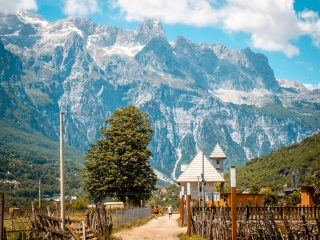
Lake near Pogradec
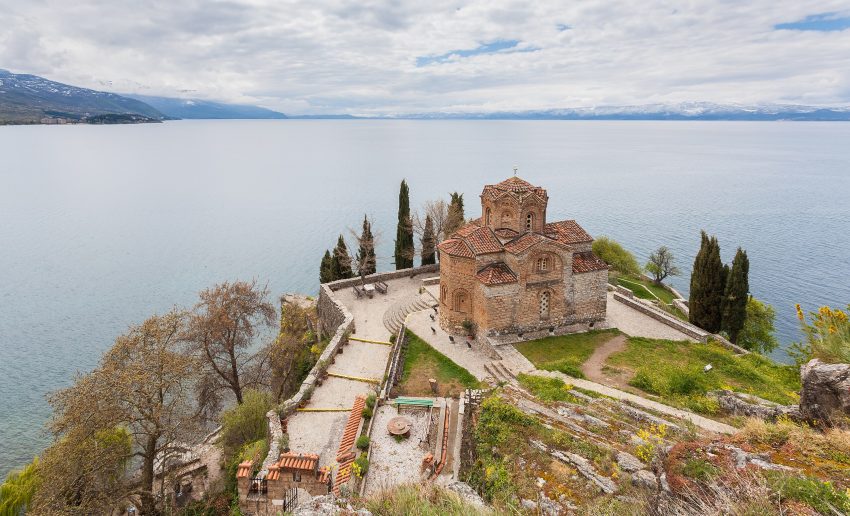
Nestled between the rugged mountains of Albania and North Macedonia, Lake Ohrid is one of Europe's most extraordinary natural wonders. With an estimated age of over three million years, it is among the continent's oldest and deepest lakes, a living relic of prehistoric times. Its crystal-clear waters, framed by green hills and ancient towns, create a landscape of serene beauty and cultural richness. Whether viewed from the Macedonian city of Ohrid or the Albanian town of Pogradec, the lake's reflective surface seems to hold both time and history in its depths.
Lake Ohrid is not only one of the best places to visit in the Balkans but also a highlight of any walking tour of Ohrid or Pogradec. It embodies the region's remarkable fusion of nature, history, and spirituality-a destination where science, faith, and art intertwine across millennia.
History and Significance of Lake Ohrid
Declared a UNESCO World Heritage Site in 1979 (with Albania's portion added in 2019), Lake Ohrid is celebrated for both its ecological and cultural significance. It is believed to be one of the world's few ancient lakes, surviving through geological eras while maintaining a stable ecosystem. Its formation dates back to the Pliocene epoch, and its unique environment nurtured an astonishing number of endemic species, including the famed Ohrid trout.
The lake's shores have been inhabited since prehistoric times, with archaeological evidence of early human settlements, stilt houses, and trade routes. During the Byzantine and medieval periods, Ohrid became a prominent spiritual and cultural center, known for its churches, monasteries, and as the seat of the Ohrid Literary School-one of the earliest Slavic educational institutions. Meanwhile, the Albanian side developed its own vibrant lakeside culture in towns like Pogradec, where Ottoman and early 20th-century influences coexist. Together, these shores tell the shared story of civilizations that rose and thrived around this enduring body of water.
Things to See and Do at Lake Ohrid
Visitors to Lake Ohrid can experience a captivating mix of natural exploration and cultural discovery. In North Macedonia, the town of Ohrid dazzles with its cobbled streets, Byzantine churches, and the magnificent Church of St. John at Kaneo, perched on a cliff above the lake. The Ancient Theatre of Ohrid and the Samuel's Fortress offer glimpses into classical and medieval history, while nearby monasteries like St. Naum provide spiritual serenity.
On the Albanian side, Pogradec offers a relaxed atmosphere with lakeside promenades, beaches, and traditional restaurants serving the famous Ohrid trout. The nearby Drilon National Park, with its spring-fed ponds and lush greenery, is perfect for peaceful walks or boat rides. For nature enthusiasts, the Galicica National Park on the Macedonian side offers hiking trails with panoramic views of both Lake Ohrid and Lake Prespa. The blend of landscapes, wildlife, and cultural heritage makes the lake one of the top attractions in North Macedonia and Albania alike.
How to Get There
Lake Ohrid is easily accessible from both sides of the border. From North Macedonia, the lake can be reached from Skopje (about 3 hours by car or bus) via Ohrid's well-connected road network. The Ohrid International Airport also receives seasonal flights from various European cities.
On the Albanian side, Pogradec lies about 140 kilometers from Tirana, a 2.5-hour scenic drive through the mountains and valleys of southeastern Albania. Car rentals and private transfers are common, and there is public parking along the lakefront for visitors. If you are looking to rent a car in Albania I recommend having a look at Discover Cars, first, as they compare prices and review multiple car rental agencies for you.
Practical Tips on Visiting Lake Ohrid
- Best time to visit Lake Ohrid: May to September (Best) for swimming, festivals, and warm weather.
- Entrance fee in Euros: None; some monasteries and museums have small admission fees.
- Opening hours: Accessible year-round; specific sites vary.
- Official website: UNESCO Lake Ohrid Region or local tourism boards of Ohrid and Pogradec.
- How long to spend: 2-4 days to explore both cultural and natural attractions.
- Accessibility: Well-paved roads and promenades; some historical sites have steps or steep paths.
- Facilities: Cafés, restaurants, hotels, beaches, and boat rental services.
- Photography tip: Capture sunrise from Ohrid or sunset from Pogradec for mirror-like reflections.
- Guided tours: Offered on both sides, including boat excursions and heritage walks.
- Nearby food options: Try Ohrid trout, fresh lake fish, and local wines from nearby vineyards.
Is Lake Ohrid Worth Visiting?
Absolutely. Lake Ohrid is one of the must-see places in the Balkans-a destination that combines natural wonder with cultural depth. Its timeless scenery, historic monuments, and peaceful ambiance make it equally appealing to adventurers, romantics, and scholars. Whether you're tracing ancient footsteps through Ohrid's cobbled lanes or watching the sun dip behind the mountains from a lakeside café in Pogradec, the experience of Lake Ohrid feels both intimate and eternal.
What Other Travellers Say...

Ohrid Boardwalk is a wooden lakeside path that runs along cliffs, offering clear-water views and stunning photo opportunities—especially at sunset—and a peaceful, relaxing atmosphere often less crowded than expected; it’s a pleasant route to reach the Church of St. John (Kaneo) with a few cafes along the way, evening lights that add to the charm, and generally smooth, well-maintained decking, though some boards have gaps or holes so take care with children and strollers and watch for waves splashing close to the path on windy days.


FAQs for Visiting Lake Ohrid
Nearby Attractions to Lake Ohrid
- Church of St. John at Kaneo - The most photographed church in North Macedonia, overlooking the lake.
- Galicica National Park - Mountain trails with panoramic views of both Lake Ohrid and Lake Prespa.
- Drilon National Park - Peaceful springs and gardens near Pogradec, ideal for boat rides.
- Samuel’s Fortress - A historic citadel with sweeping views of Ohrid and the lake.
- Lin Peninsula - A charming Albanian village with ancient mosaics and lakeside tranquility.
The Lake Ohrid appears in our Complete Guide to Visiting Pogradec!

Moira & Andy
Hey! We're Moira & Andy. From hiking the Camino to trips around Europe in Bert our campervan — we've been traveling together since retirement in 2020!
This website uses affiliate links which may earn a commission at no additional cost to you!
Nearby Attractions
- Lin Village, Korçë (7.2) km
Village - Royal Tombs of Selca (17.7) km
Ruins - Shebenik-Jabllanicë National Park (27.3) km
National Park - Prespa Lakes (31.1) km
Lake - Murdered Poets Memorial (37.1) km
Monument - Voskopojë (46.7) km
Village - Andon Zako Çajupi Theatre (47.3) km
Theatre - Red Tower (47.3) km
Tower - Old Bazaar of Korçë (47.4) km
Bazaar - Korçë Promenade (47.5) km
Street