Lake Lucerne
Lake in Lucerne

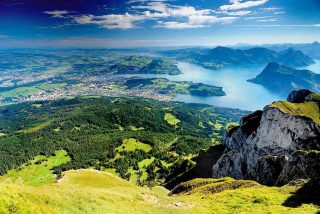
Lake Lucerne feels like a giant, shimmering crossroads where mountain holidays, lake cruises and Swiss history all meet. Its long, branching arms curve beneath the slopes of Pilatus, Rigi and Bürgenstock, with villages tucked into sheltered bays and steep hillsides dropping right down to the water. On a sunny summer day there are few things lovelier than settling into a wooden deck chair on a historic paddle steamer, feeling the breeze on your face while the engines thrum and the skyline of Lucerne slowly slips away behind you.
But the lake is far from a one-season wonder. Late evening sailings with the town lights glowing, misty autumn mornings when the shores fade in and out of view, and winter cruises in cosy salon motor vessels with snow on the peaks all show a different side of Vierwaldstättersee. Routes link classic mountain excursions like Rigi, Pilatus, Bürgenstock and Klewenalp, so it is easy to turn a simple boat ride into a full day out. With themed music cruises, fondue nights, and the Swiss Chocolate Adventure and Swiss Museum of Transport sitting right on the lakeshore, the promenade from town to the Lido is often visited on walking tours of Lucerne and feels like a relaxed open-air living room for locals and visitors alike.
History and Significance of Lake Lucerne
The German name Vierwaldstättersee literally means “Lake of the Four Forest Cantons,” a nod to Uri, Schwyz, Unterwalden and Lucerne, whose early communities once ringed its shores. It was here, in 1291, that representatives of the forest cantons are said to have taken the Rütli oath on a meadow above the lake, an act often seen as the symbolic birth of the Swiss Confederation. In that sense, Lake Lucerne is not just a scenic backdrop but a kind of watery cradle of the country, with its arms and bays tied to some of Switzerland's founding myths.
For centuries the lake served as a vital trade route connecting north and south. Before rail tunnels and motorways, boats ferried goods and people between lakeside settlements and the passes leading over the Alps. That tradition continues today with the Gotthard Panorama Express, which links Lucerne to Flüelen by boat before switching to panoramic train carriages bound for the Italian-speaking canton of Ticino. Travelling this route, you get a real sense of how the lake once fit into a much larger network of Alpine trade and travel.
The modern era has layered leisure and tourism onto this historical foundation. A fleet of paddle steamers and motor vessels now carries holidaymakers as well as commuters, and lakeside paths, cycling tracks and the themed Weg der Schweiz trail make the shoreline itself part of the attraction. Yet the atmosphere remains surprisingly gentle: even at the height of summer, long views across to the mountains, reflections in sheltered coves and the timeless rhythm of the boats remind you that Lake Lucerne’s real gift is a feeling of calm connection between water, land and sky.
Things to See and Do in Lake Lucerne
Most visitors start with a classic round trip from Lucerne, stepping aboard a historic paddle steamer or elegant motor vessel at the central pier. From the deck you can watch the Old Town, Chapel Bridge and Musegg Wall recede as you head towards Vitznau, Weggis or Flüelen, with every turn of the lake revealing a new angle on Pilatus, Rigi or the Bürgenstock ridge. Short loops are ideal for a taste of life on the water, while longer journeys let you settle in and really feel the rhythm of the lake.
If you enjoy themed experiences, look out for special sailings: brunch cruises, sunset dinners, live music evenings and festive Christmas trips all bring an extra layer of atmosphere. In fine weather, sitting outside with the paddle wheels churning behind you feels almost cinematic; in winter, there’s a special pleasure in watching snow-covered slopes and quiet villages slide past while you stay warm in the salon with a hot drink. Many routes are timed to connect neatly with mountain railways and cable cars, making it easy to combine lake and peak in the same day.
Onshore, the lakefront is just as appealing. Sections of the Weg der Schweiz trace the story of Swiss history in panels and viewpoints along the shoreline, while cycling paths and skating routes offer active ways to explore between villages and bathing spots. You might spend the morning cruising to Brunnen or Flüelen, walk a stretch of lakeside path in the afternoon, and then return to Lucerne in time for evening lights reflecting on the water. With the Swiss Museum of Transport, Glacier Garden and the Old Town's cobbled streets nearby, Lake Lucerne is one of the must-see places in Lucerne if you like to mix gentle nature with easy sightseeing.
How to Get to Lake Lucerne
From abroad, most travellers arrive via Zurich Airport, which has extensive international connections and sits around an hour from Lucerne by direct train or motorway. For the best deals and a seamless booking experience, check out these flights to Lucerne on Booking.com. Basel and, to a lesser extent, Bern also offer useful airport options if you plan a wider Swiss itinerary that includes the lake before or after other regions. For the best deals and a seamless booking experience, check out these flights to Lucerne on Booking.com.
Once you reach Lucerne’s main railway station, you are already on the lake: the piers for boat departures sit just outside, making the switch from train to steamer beautifully simple. Train schedules and bookings can be found on Omio. Regular services run to lakeside towns like Vitznau, Weggis, Brunnen and Flüelen, and many visitors simply arrive by rail, stroll to the water and hop straight onto a waiting vessel.
If you are travelling by car, the lake is easily reached via Switzerland's motorway network, with parking available in Lucerne and in many lakeside villages, though spaces can be limited at peak times. A particularly enjoyable option is to park once in Lucerne, use boats and public transport during your stay, and experience the lake from the water rather than spending time in traffic.
Practical Tips on Visiting Lake Lucerne
- Suggested tips: Check the boat timetables before you set out, especially if you want to connect a cruise with a mountain railway or a specific return journey.
- Best time to visit: Summer offers the widest range of sailings, warm temperatures and open decks, but spring and autumn bring beautiful light and fewer crowds, while winter cruises feel wonderfully calm and atmospheric.
- Entrance fee: Access to the lakeshore is free; expect to pay roughly €25.00–€70.00 per adult for scheduled cruises depending on route length, class of travel and season.
- Opening hours: Boat services operate year-round with more frequent sailings in summer; exact departure times vary by route and season, so always check the latest schedule.
- Official website: https://www.lakelucerne.ch
- How long to spend: A short round trip from Lucerne takes 1-2 hours, while combining a cruise with a lakeside walk or mountain excursion easily fills a full day.
- Accessibility: Many piers and vessels are accessible for visitors with limited mobility, but it is worth confirming individual routes in advance and allowing extra time for boarding.
- Facilities: Larger boats have restaurants or cafés, toilets and indoor seating; along the shore you will find bathing areas, picnic spots, playgrounds and plenty of benches.
- Photography tip: Sit on the open deck near the bow or stern for unobstructed views; early morning and evening light are ideal for capturing reflections and silhouettes of the surrounding peaks.
- Guided tours: Consider joining a narrated cruise or a combined boat-and-walk package if you want more context on local history, the Rütli oath and the development of the lake’s shipping routes.
- Nearby food options: You can dine onboard many boats, grab snacks at lakeside kiosks, or head back into Lucerne for everything from casual lakeside terraces to atmospheric Old Town restaurants.
Where to Stay close to Lake Lucerne
If waking up to lake views is a priority, Grand Hotel National Luzern puts you right on the waterfront, with elegant rooms, a promenade at your doorstep and an easy stroll to both boat piers and the Old Town. For a stylish hillside retreat overlooking the lake, Art Deco Hotel Montana offers funicular access from the lakeside road, a panoramic terrace bar and quick connections back down to the shore. Further along the water in Hergiswil, Seehotel Pilatus gives you a relaxed resort feel with swimming access, making it a good choice if you want to combine cruising with lakeside lounging.
Is Lake Lucerne Worth Visiting?
Lake Lucerne is absolutely worth visiting, whether you are in Central Switzerland for a day or a week. Few places combine such varied scenery-narrow, fjord-like arms, open basins, steep mountain slopes and gentle bays-with such easy access by boat and public transport. Add in the historical resonance of the Rütli oath, the charm of lakeside villages and the simple pleasure of watching paddle steamers glide past from a café terrace, and you have a destination that works in every season and for almost every type of traveller.
What Other Travellers Say...

Lake Lucerne sits amid mountains and picturesque lakeside towns, offering crystal-clear blue water and sweeping Alpine backdrops; visitors praise the lakeside walks and recommend taking boat trips or round-trip cruises from Lucerne harbor to soak up the serene views and atmosphere.


FAQs for Visiting Lake Lucerne
Nearby Attractions to Lake Lucerne
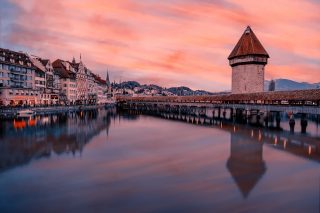
- Chapel Bridge and Water Tower - Lucerne's iconic covered bridge and medieval tower spanning the Reuss, just a short walk from the main boat piers.
- Old Town Lucerne - A compact maze of frescoed façades, fountains and cobbled squares lining the river and lakefront.
- Pilatus - The rugged local mountain, reached via cogwheel railway from Alpnachstad or cableways from Kriens, offering sweeping views over the lake basin.
- Mount Rigi - The “Queen of the Mountains,” accessible by boat and cogwheel railway from Vitznau or Arth-Goldau, with extensive walking trails and viewpoints.
- Swiss Museum of Transport - A large, family-friendly museum and attraction complex on the lakeshore, combining transport exhibits, a planetarium and the Swiss Chocolate Adventure.
The Lake Lucerne appears in our Complete Guide to Visiting Lucerne!

Moira & Andy
Hey! We're Moira & Andy. From hiking the Camino to trips around Europe in Bert our campervan — we've been traveling together since retirement in 2020!
This website uses affiliate links which may earn a commission at no additional cost to you!
Planning Your Visit
Boat services operate year-round with more frequent sailings in summer; exact departure times vary by route and season, so always check the latest schedule.
Access to the lakeshore is free; expect to pay roughly €25.00-€70.00 per adult for scheduled cruises depending on route length, class of travel and season.
Nearby Attractions
- Richard Wagner Museum (8.1) km
Historic Building and Museum - Swiss Museum of Transport (8.1) km
Museum - Kunstmuseum Luzern (9.7) km
Arts Venue - Hofkirche St. Leodegar (9.8) km
Church - Torbogen Luzern (9.8) km
Railway - Museum Rosengart Collection (10.0) km
Arts Venue - Bourbaki Panorama (10.0) km
Arts Venue and Museum - Chapel Bridge and Water Tower (10.0) km
Bridge - Peter's Chapel (10.0) km
Church - Fritschi Fountain (10.1) km
Fountain