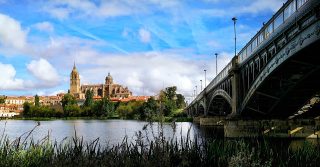
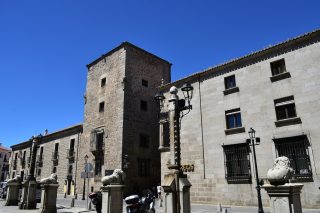
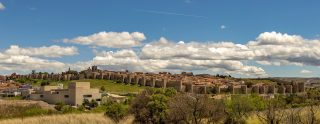
House of Teresa of Ávila, Salamanca
Historic Building, Historic Site and Religious Building in Salamanca
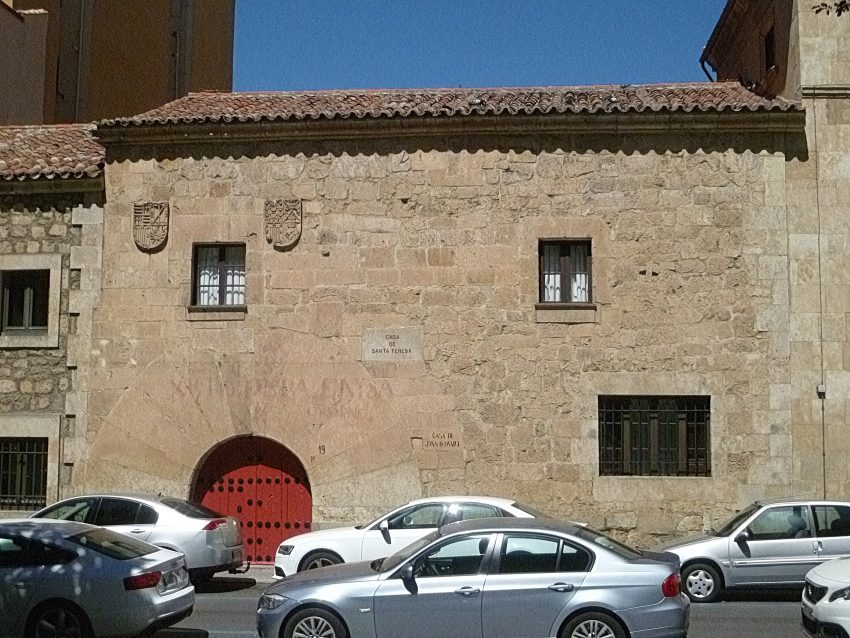
Tucked into Salamanca's historic core, the House of Teresa of Ávila (Casa de Santa Teresa) is a modest, deeply atmospheric landmark tied to one of Spain's most influential mystics and writers. It's not a grand museum with long galleries; it's a small, contemplative place that feels best approached slowly, with a bit of context in mind.
Because it sits right in the walkable Old Town, it's easy to weave into a self-guided stroll between the Plaza Mayor, the cathedrals, and the university quarter. If you're joining a walking tour focused on Salamanca's religious heritage or literary history, this is one of the most meaningful “pause points” to add for a quieter, more reflective contrast to the city's big-ticket monuments.
Table of Contents
- History and Significance of the House of Teresa of Ávila
- Things to See and Do in the House of Teresa of Ávila
- How to Get to the House of Teresa of Ávila
- Practical Tips on Visiting the House of Teresa of Ávila
- Where to Stay Close to the House of Teresa of Ávila
- Is the House of Teresa of Ávila Worth Visiting?
- For Different Travelers
- FAQs for Visiting House of Teresa of Ávila
- Nearby Attractions to the House of Teresa of Ávila
History and Significance of the House of Teresa of Ávila
The building is traditionally linked to Saint Teresa of Jesus (Teresa of Ávila) and her time in Salamanca during the period when she was founding and consolidating reformed Carmelite communities. In the city's Teresian narrative, this house represents an intimate, human-scale setting: the kind of place where daily life, prayer, and writing would have unfolded away from public ceremony.
Architecturally, the appeal is understated rather than showy. The façade's simplicity and the sense of an older domestic structure help you imagine Salamanca as Teresa would have experienced it: a working city of stone, faith, and scholarship rather than a postcard backdrop.
For many visitors, the significance is less about “must-see masterpieces” and more about standing in a location associated with Teresa's presence in Salamanca. If you're tracing the Huellas de Teresa (Footprints of Teresa) route through the city, this is one of the key stops that anchors the story in a real address.
Things to See and Do in the House of Teresa of Ávila
Start by taking in the exterior and its setting: the small square and surrounding streets feel like a pocket of calm compared with the busier lanes around the Plaza Mayor. Even if you only see the building from outside, it's worth a short detour for travelers interested in Salamanca's spiritual and literary layers.
When the interior is open to visitors, the experience is typically brief and focused. Expect a small-scale visit that emphasizes place and memory rather than extensive displays. This is a good stop for travelers who enjoy meaningful “micro-visits” that add depth to a day of bigger monuments.
To make the visit more rewarding, pair it with nearby Teresian and historic sites: the Old Cathedral and New Cathedral complex for sacred art and atmosphere, and the University of Salamanca area for the city's intellectual identity. Taken together, they create a fuller picture of the Salamanca Teresa knew.
How to Get to the House of Teresa of Ávila
The nearest airports are Salamanca Airport (limited routes), Valladolid Airport, and Madrid-Barajas (the most practical option for most international travelers). For the best deals and a seamless booking experience, check out these flights to Salamanca on Booking.com.
Salamanca is well connected by train, especially from Madrid, making a day trip or weekend visit straightforward if you prefer not to drive. Train schedules and bookings can be found on Omio.
If you're traveling by car, Salamanca is an easy drive from Madrid and other cities in Castilla y León, but parking in the Old Town is limited, so aim for a public garage and walk the last stretch. If you are looking to rent a car in Spain I recommend having a look at Discover Cars, first, as they compare prices and review multiple car rental agencies for you.
Once you're in central Salamanca, the house is best reached on foot. The Old Town is compact, and walking lets you naturally combine this stop with the cathedrals, the university buildings, and the Plaza Mayor.
Practical Tips on Visiting the House of Teresa of Ávila
- Entrance fee: Check official website.
- Opening hours: Check official website.
- Best time to visit: Go early in your day’s Old Town walk so you can linger without rushing, or aim for a quieter time when the surrounding streets are less busy.
- How long to spend: Plan 10–25 minutes if you’re stopping briefly, or up to 45 minutes if you’re pairing it with a Teresian-themed route and nearby churches.
- Accessibility: Streets nearby are generally walkable, but expect historic paving and occasional uneven surfaces; confirm step-free access in advance if you need it.
- Facilities: Facilities on-site may be limited; plan to use cafés and public services around the Plaza Mayor area before or after your visit.
Where to Stay Close to the House of Teresa of Ávila
Base yourself in central Salamanca's Old Town for the easiest, most enjoyable stay: you'll be able to walk to the House of Teresa of Ávila, the Plaza Mayor, and the cathedral complex without relying on taxis.
For a classic, comfortable city break, choose a hotel that keeps you within a 5–15 minute walk of the historic core while still offering a good night’s sleep. These options work well for different budgets and travel styles, and they keep you close to the main sights so you can pop out early or return for a rest between visits.
NH Collection Salamanca Palacio de Castellanos Chosen for its polished comfort and prime Old Town location that makes sightseeing on foot effortless.
Hotel Rector Included for its boutique feel and quiet elegance, ideal if you want a calmer base near the historic center.
Sercotel Puerta de la Catedral A great pick for cathedral views and a location that pairs perfectly with a walking itinerary.
Catalonia Plaza Mayor Salamanca Recommended for travelers who want to be near the Plaza Mayor energy while staying walk-close to everything.
Eurostars Las Claras A reliable mid-range option with easy access to the Old Town and practical amenities for longer stays.
Is the House of Teresa of Ávila Worth Visiting?
Yes, if you enjoy places that add meaning rather than spectacle. The House of Teresa of Ávila works best as a short, thoughtful stop that deepens your understanding of Salamanca beyond its headline attractions, especially if you're interested in Spanish mysticism, religious history, or literary heritage.
Honest Pivot: if you're only in Salamanca for a quick highlights sprint and you prefer big interiors, panoramic viewpoints, or major collections, you may want to prioritize the cathedrals, the university sights, and the Plaza Mayor instead. This is a subtle visit, and it rewards curiosity more than it delivers “wow-factor” photos.
What Other Travellers Say...


For Different Travelers
Different travelers will get different value from this stop, and that's part of its charm. Think of it as a small, story-rich landmark that can either be a quick tick on a walking route or a meaningful pause in a Teresian-themed day.
Families with Kids
For families, this works best as a short stop with a simple “story hook” rather than a long visit. Frame it as a real house connected to a famous historical figure, then move on to more interactive sights nearby.
Pair it with kid-friendly breaks in the Plaza Mayor area, where you'll find space to reset with snacks and a bit of people-watching. Keeping the pace light helps everyone enjoy the Old Town.
Couples & Romantic Getaways
Couples who like quieter corners of historic cities will appreciate the intimate feel of this stop. It’s a good contrast to Salamanca’s grander monuments and can be a calm moment in a busy sightseeing day.
Afterward, stroll slowly toward the cathedral quarter or back to the Plaza Mayor for a late coffee or evening walk, when Salamanca's golden stone looks especially beautiful.
Budget Travelers
Budget travelers will like that this is a quick, walkable stop that fits neatly into a free self-guided route through the Old Town. You can build a full day around walking, viewpoints, and exterior architecture without constant ticket costs.
Use it as a waypoint between bigger paid sights, and plan your breaks at affordable cafés or bakeries around the center to keep the day inexpensive.
History Buffs
History buffs will enjoy the way this place connects Salamanca’s streets to a wider Spanish story of reform, faith, and writing. It’s less about objects and more about context, which makes it a strong “narrative stop.”
To get the most from it, read a short overview of Teresa's Salamanca years before you go, then connect the visit to other nearby religious and university sites for a fuller historical arc.
FAQs for Visiting House of Teresa of Ávila
Getting There
Tickets & Entry
Visiting Experience
Tours, Context & Itineraries
Photography
Accessibility & Facilities
Food & Breaks Nearby
Safety & Timing
Nearby Attractions to the House of Teresa of Ávila
- Plaza Mayor: Salamanca's iconic main square, perfect for architecture, cafés, and evening atmosphere.
- Salamanca Cathedral (Old and New): A must for sacred art, soaring interiors, and rooftop viewpoints.
- University of Salamanca (Historic Buildings): Famous façades and courtyards that define the city's scholarly identity.
- Casa de las Conchas: A striking shell-covered façade and a quick, photogenic stop near the center.
- Convento de San Esteban: A grand Dominican complex with an impressive church and cloisters.
The House of Teresa of Ávila appears in our Complete Guide to Visiting Salamanca!

Moira & Andy
Hey! We're Moira & Andy. From hiking the Camino to trips around Europe in Bert our campervan — we've been traveling together since retirement in 2020!
This website uses affiliate links which may earn a commission at no additional cost to you!
Planning Your Visit
Check official website.
Check official website.
Nearby Attractions
- Parroquia de la Anunciación del Señor (0.3) km
Church and Religious Building - Iglesia de San Marcos (0.3) km
Church, Historic Building and Religious Building - Capilla de la Vera Cruz (0.3) km
Church, Historic Building and Religious Building - Palacio de Monterrey (0.3) km
Palace - Plaza Mayor (0.3) km
Square - Convento de la Purísima - Las Agustinas (0.3) km
Church, Convent and Historic Building - Iglesia de San Juan de Sahagún (0.4) km
Church and Religious Building - Salamanca Central Market (0.4) km
Market - Iglesia de San Martín de Tours (0.4) km
Church, Historic Building and Religious Building - Iglesia de San Julián y Santa Basilisa (0.4) km
Church, Historic Building and Religious Building