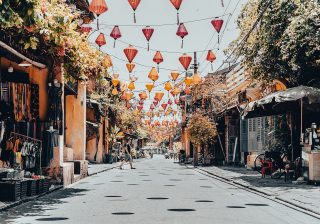
Museum of History and Culture, Hoi An
Museum in Hoi An
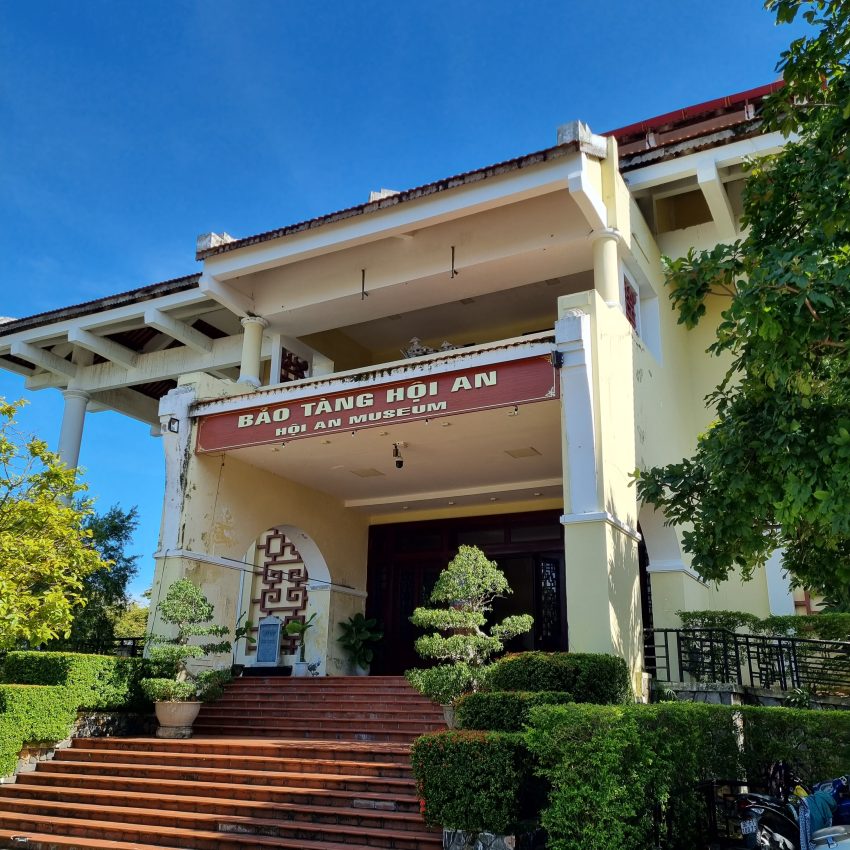
The Hoi An Museum of History and Culture spans a remarkable 800 square meters and stands as one of the top attractions in Hoi An for travellers eager to understand the town's ancient roots. Showcasing 335 artifacts that trace the area's evolution from an early trading port to a vibrant cultural centre, the museum offers an enriching experience for anyone curious about Hoi An's layered past. It is also a great place to visit on a walking tour of Hoi An, particularly for those who enjoy weaving historical context into their exploration of the Ancient Town.
Inside, visitors can journey through beautifully curated galleries that highlight significant historical periods and cultural shifts. From prehistoric finds to artifacts from the Champa and Dai Viet eras, each exhibit brings the town’s heritage to life through pottery, tools, sculptures, documents, and archaeological discoveries.
Table of Contents
- History and Significance of Hoi An Museum of History and Culture
- Things to See and Do in Hoi An Museum of History and Culture
- How to Get to Hoi An Museum of History and Culture
- Practical Tips on Visiting Hoi An Museum of History and Culture
- Where to Stay close to Hoi An Museum of History and Culture
- Is Hoi An Museum of History and Culture Worth Visiting?
- FAQs for Visiting Hoi An Museum of History and Culture
- Nearby Attractions to Hoi An Museum of History and Culture
History and Significance of Hoi An Museum of History and Culture
The museum provides a comprehensive narrative of Hoi An’s development across centuries, beginning with the Pre-Sa Huynh cultural period. This era laid the foundations for later societies, and the artifacts displayed-such as pottery fragments and tools-give visitors a glimpse into early life in the region.
As you move into the Champa and Dai Viet periods, the museum highlights Hoi An's growing importance as a maritime trading port. Exhibits include sculptures, ceramics, and trade goods that reflect the vibrant cultural exchanges shaping the town's identity. These objects illustrate the merging of indigenous, Southeast Asian, and international influences that made Hoi An a cosmopolitan centre long before its UNESCO recognition.
More recent history is explored through themes such as Revolutionary Tradition and Post-Liberation Hoi An in 1975, showing how the town adapted and evolved during significant national changes. Together, the museum's collection tells a cohesive story of a place shaped by trade, cultural diversity, resilience, and renewal.
Things to See and Do in Hoi An Museum of History and Culture
One of the museum’s strengths is its chronological flow, allowing visitors to follow Hoi An’s history across distinct eras. Begin with the prehistoric and Pre-Sa Huynh gallery, where ancient artefacts offer insight into early settlements along the Thu Bon River.
The Champa gallery showcases objects recovered from nearby riverbeds and coastal areas, giving vivid evidence of Champa's influence on the region. From stone carvings to pottery fragments, these pieces reveal a society that played a pivotal role in shaping central Vietnam.
In the Dai Viet section, visitors can observe how Hoi An transitioned into a bustling port town with far-reaching trade networks. Ceramics, coins, and trade items reflect both local craftsmanship and international exchange. Exploring these rooms is one of the things to do in Hoi An for history enthusiasts who enjoy tangible connections to the past.
How to Get to Hoi An Museum of History and Culture
Most travellers reach Hoi An via Da Nang International Airport, located around 45 minutes away and offering numerous domestic and international flight connections. For the best deals and a seamless booking experience, check out these flights to Hoi An on Booking.com.
For those arriving by rail, Da Nang Railway Station is the nearest major train hub, with regular services linking central and northern Vietnam. Train schedules and bookings can be found on Omio.
Once in Hoi An, the museum is conveniently located in the Ancient Town on Nguyen Hue Street. It is easily walkable from nearby landmarks, and visitors travelling by car should plan to park in designated areas outside the pedestrian zone.
Practical Tips on Visiting Hoi An Museum of History and Culture
- Suggested tips: Visit earlier in the day for a quieter experience and ample time to read exhibit details.
- Best time to visit: Year-round, though mornings offer a more comfortable viewing environment.
- Price: Hoi An Old Town Ticket Required (120,000 VND)
- Opening Hours: Typically 8:00–17:00
- How long to spend: Allocate 45 minutes to 1 hour to enjoy the full exhibit sequence.
- Accessibility: Most galleries are accessible, though some areas may have raised thresholds.
- Facilities: Basic visitor facilities and rest areas are available nearby in the Ancient Town.
- Photography tip: Natural light near display cases works well for documenting artefacts.
- Guided tours: Several walking tours include a stop here for added historical context.
- Nearby food options: Cafés and small eateries around the Ancient Town provide plenty of choices for a break before or after visiting.
Where to Stay close to Hoi An Museum of History and Culture
Staying close to the Ancient Town makes it simple to visit the museum and explore nearby heritage sites. Consider Vinh Hung Heritage Hotel, offering a traditional atmosphere within walking distance. Another excellent option is Allegro Hoi An, known for its boutique comfort and charming design. For those wanting riverside relaxation, Little Riverside Hoi An provides a scenic and convenient stay.
Is Hoi An Museum of History and Culture Worth Visiting?
Yes, the museum is absolutely worth visiting, especially for travellers who want a deeper understanding of the Ancient Town beyond its architecture and lantern-lit streets. Its carefully curated exhibits, spanning thousands of years of cultural development, make it an invaluable stop for anyone seeking a richer perspective on Hoi An’s heritage.
What Other Travellers Say...

Museum of Folk Culture, at 33 Nguyễn Thái Học in the Minh An quarter of Hội An, is housed in a 150-year-old Chinese trading house and displays artifacts that illustrate traditional daily life and local customs; visitors note the compact two-floor layout, scenic river views from the upper floor, knowledgeable guides, pleasant on-site sellers and good prices on items like silk scarves, and many recommend visiting as part of a multi-site ticket rather than paying full admission individually.


FAQs for Visiting Hoi An Museum of History and Culture
Nearby Attractions to Hoi An Museum of History and Culture
- Cantonese Assembly Hall: A beautifully decorated temple with intricate motifs and historical significance.
- Fujian Assembly Hall: A lively cultural site dedicated to Thien Hau, with colourful shrines and ornate details.
- Japanese Covered Bridge: One of Hoi An's most iconic landmarks and a symbol of its multicultural past.
- Old House of Tan Ky: A historic merchant residence showcasing architectural traditions and centuries of trade.
- Hoi An Night Market: A vibrant area filled with lanterns, local snacks, and lively evening energy.
The Museum of History and Culture appears in our Complete Guide to Visiting Hoi An!

Moira & Andy
Hey! We're Moira & Andy. From hiking the Camino to trips around Europe in Bert our campervan — we've been traveling together since retirement in 2020!
This website uses affiliate links which may earn a commission at no additional cost to you!
Planning Your Visit
Typically 8:00-17:00
Hoi An Old Town Ticket Required (120,000 VND)
Nearby Attractions
- Tran Family Chapel (0.2) km
Historic Building - Trung Hoa Assembly Hall (0.3) km
Historic Building - Museum of Trade Ceramics (0.3) km
Museum - Fujian Assembly Hall (0.3) km
Historic Building - Phap Bao Temple (0.3) km
Pagoda - Quan Cong Temple (0.4) km
Buddhist Temple - Ba Mu Temple (0.4) km
Buddhist Temple - Hainan Assembly Hall (0.4) km
Historic Building - Duc An Ancient House (0.4) km
Historic Building - Ancient House of Tan Ky (0.5) km
Historic Building