Gloucester and Sharpness Canal
Canal in Gloucester
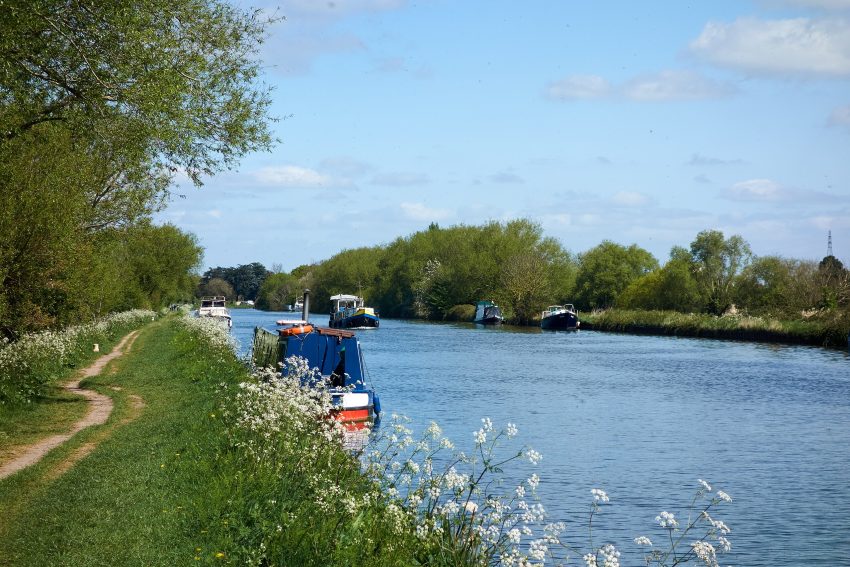
The Gloucester and Sharpness Canal is one of the best places to visit in Gloucester for anyone who enjoys history, waterside walks, and watching boats glide through a tranquil landscape. Originally engineered to bypass a dangerous loop in the River Severn near Arlingham, this 16-mile (technically 16.5-mile) canal was once the broadest and deepest in the world. Its generous width and depth allowed large sailing vessels to travel safely between the docks at Gloucester and the port at Sharpness, transforming the city into Britain's most inland port.
It is often visited on walking tours of Gloucester, offering a peaceful contrast to the busy historic docks. Today, the canal is a haven for cyclists, walkers, anglers, boaters, and nature lovers. Its broad waters, swing bridges, and scenic towpaths create one of the most enjoyable outdoor spaces in the region.
Table of Contents
- History and Significance of the Gloucester and Sharpness Canal
- Things to See and Do along the Gloucester and Sharpness Canal
- How to Get to the Gloucester and Sharpness Canal
- Practical Tips on Visiting the Gloucester and Sharpness Canal
- Where to Stay close to the Gloucester and Sharpness Canal
- Is the Gloucester and Sharpness Canal Worth Visiting?
- FAQs for Visiting the Gloucester and Sharpness Canal
- Nearby Attractions to the Gloucester and Sharpness Canal
History and Significance of the Gloucester and Sharpness Canal
Construction began in 1794 with the intention of creating a safer, more efficient alternative to the treacherous tidal River Severn. The canal was meant to be 18 feet deep in its centre to accommodate the deep keels of large sailing ships. Although it was ultimately not dredged to the full depth due to the shift toward flatter-bottomed steam vessels, it remained a major engineering achievement.
It was once described simply as “16 miles long, 16 feet deep, 16 bridges”-a memorable but not entirely accurate summary. In reality, the canal grew more complex over time. Originally, there were 16 bridges plus one over Gloucester Lock, with additional railway bridges added later. While some were removed, new road bridges built in 2007 and 2008 mean that today there are 18 bridges across the canal and one at Gloucester Lock.
The canal played a crucial role in transporting timber, grain, and imported goods inland and helped establish Gloucester as a thriving Victorian port. Its history is closely tied to the city's heritage, linking the docks, warehouses, and industries that developed along its banks.
Things to See and Do along the Gloucester and Sharpness Canal
Walking or cycling along the towpath is one of the most enjoyable ways to appreciate the canal. The route offers open views, peaceful stretches of water, and opportunities to spot swans, herons, and narrowboats passing quietly between bridges.
Many visitors begin their walk at Gloucester Historic Docks and follow the canal south toward Llanthony Bridge, Hempsted, or the historic swing bridges further along the route. The canal is still navigable, so it's common to see narrowboats, pleasure cruisers, and occasionally tall ships making their way between Gloucester and Sharpness.
Points of interest along the canal include swing bridges, old warehouses, boatyards, and wildlife-rich sections of reeds and open water. For a longer adventure, the canal’s full length leads to Sharpness, where visitors can see the junction with the River Severn and explore views across the estuary.
How to Get to the Gloucester and Sharpness Canal
Gloucester enjoys excellent rail connections, with direct trains from London Paddington, Birmingham, Cardiff, Bristol, and Cheltenham. From Gloucester Station, the canal and docks area are a short walk away. Train schedules and bookings can be found on Omio.
Travellers arriving by air typically use Bristol Airport, with convenient rail and bus links to Gloucester from Bristol Temple Meads. For the best deals and a seamless booking experience, check out these flights to Gloucester on Booking.com.
For those driving, the canal is easily accessed via the M5, A40, or local Gloucester routes. Car parks near Gloucester Docks or along towpath entry points provide convenient starting points for walks or bike rides.
Practical Tips on Visiting the Gloucester and Sharpness Canal
- Suggested tips: Bring water and comfortable shoes if walking long stretches of the towpath.
- Best time to visit: Spring and summer for wildlife; autumn for beautiful foliage.
- Entrance fee in Euros: Free to explore.
- Opening hours: Open year-round at all hours.
- Official website: See the Canal & River Trust pages for updates.
- How long to spend: From a 30-minute stroll to a full-day exploration.
- Accessibility: Many towpath areas are flat and suitable for wheelchairs or buggies.
- Facilities: Cafés and facilities at Gloucester Docks; occasional pubs along the route.
- Photography tip: Avoid midday light-early morning or sunset creates lovely reflections on the water.
- Guided tours: Occasional guided waterside walks are offered locally.
- Nearby food options: Numerous dining options around Gloucester Quays and the docks.
Where to Stay close to the Gloucester and Sharpness Canal
The canal is easily accessible from central Gloucester hotels. For modern, waterside convenience, Premier Inn Gloucester City Centre sits next to the docks. For boutique charm near both the canal and cathedral, try The Locking Castle Hotel. For a historic stay within easy walking distance, consider The New Inn.
Is the Gloucester and Sharpness Canal Worth Visiting?
Yes. The Gloucester and Sharpness Canal is one of the must-see places in Gloucester, especially for those who enjoy peaceful outdoor walks, industrial heritage, and waterside views. Its combination of history, engineering, wildlife, and scenic beauty makes it a rewarding experience for all ages.
What Other Travellers Say...

The Gloucester and Sharpness Canal offers a long, largely flat towpath popular with walkers, families and cyclists, winding through varied scenery and wildlife; many visitors praise its tranquillity, houseboats and river views near Sharpness, and note it links to points of interest like Gloucester Docks and nearby sites, while advising the route can be tackled in sections, may include some narrow, uneven or rocky stretches and a few pushchair-unfriendly parts after rain so bring suitable footwear or properly inflated tyres.


FAQs for Visiting the Gloucester and Sharpness Canal
Nearby Attractions to the Gloucester and Sharpness Canal
- Gloucester Docks: A complete Victorian dockland with museums and cafés.
- Gloucester Cathedral: A magnificent medieval masterpiece with royal and monastic history.
- Gloucester Waterways Museum: Exhibits on boats, canals, and local transport heritage.
- Soldiers of Gloucestershire Museum: Insight into the county's military past.
- Robinswood Hill Country Park: A natural escape with panoramic views of the Severn Vale.
The Gloucester and Sharpness Canal appears in our Complete Guide to Visiting Gloucester!

Moira & Andy
Hey! We're Moira & Andy. From hiking the Camino to trips around Europe in Bert our campervan — we've been traveling together since retirement in 2020!
This website uses affiliate links which may earn a commission at no additional cost to you!
Nearby Attractions
- Gloucester Docks (8.8) km
Docks - Gloucester Waterways Museum (8.8) km
Museum - Soldiers of Gloucestershire Museum (9.1) km
Museum - Museum of Gloucester (9.1) km
Museum - Greyfriars Priory (9.2) km
Historic Site and Monastery - Blackfriars Priory (9.3) km
Priory - Eastgate Viewing Chamber (9.4) km
Roman Site - The House of the Tailor of Gloucester (9.5) km
Museum and Shop - Gloucester Cathedral (9.5) km
Cathedral - Chedworth Roman Villa (27.6) km
Historic Site