Corrales de Pesca, Chipiona
Fishing Pens and Historic Site in Chipiona
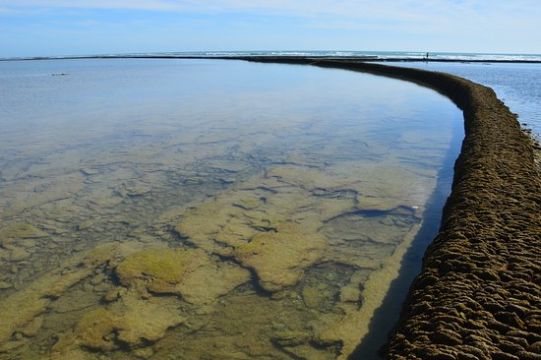
Corrales de Pesca in Chipiona, Spain, are a stretch of stone tidal fishing enclosures set along the coastline. This is not a museum or a single building, but a working coastal landscape where semicircular walls meet the sea and change with the tide. At low tide, the stone lines and channels are easier to read, and the scale of the corrales becomes clear from the beach or promenade.
The place matters because it shows a traditional fishing system that is still part of local life. Visitors notice the rough stonework, the tidal pools, and the way the structures sit within the natural shoreline rather than apart from it. It is best for people who like coastal walks, local heritage, and ordinary places that still serve a practical purpose. Those expecting a full attraction with facilities and exhibits may find it brief, but it rewards a short, careful look.
History and Significance of Corrales de Pesca
The origins of the corrales lie in rural fishing systems believed to date back to Roman or Arab periods, when communities along the Andalusian coast developed ingenious tidal techniques to secure reliable food sources. Using local “ostionera” stones, handcrafted and carefully stacked, fishermen created semicircular sea walls that worked with nature rather than against it. These structures became part of Chipiona’s identity, shaping both livelihood and landscape.
Each corral consists of a robust wall built from large stones at the base and along the sides, filled with rubble and gravel to strengthen the structure. Over time, oysters, limpets, and sea vegetation bind to the stones and act as a natural cement, reinforcing the walls with each passing tide. The system includes small pipes or passages about 50 centimetres in diameter, which allow seawater to drain quickly as the tide recedes. Covered with grills, these pipes let the water flow outward while keeping fish inside the enclosure.
The corrales are not only historical structures but also cultural treasures that carry centuries of tradition. Their maintenance follows a strict ethical code that ensures sustainability, limiting fishing to a small group of registered 'catchers'. This continuity helps preserve one of the must-see places in Chipiona for anyone interested in heritage landscapes or traditional fishing.
Things to See and Do in Corrales de Pesca
A visit to the corrales begins with simply observing their structure from the beach or promenade, where their semicircular forms stretch into the sea. At low tide, the walls emerge clearly from the water, revealing the carefully placed stones and the enclosed lagoons where fish are traditionally caught. Watching how the sea recedes and exposes these ancient pens is an experience that connects visitors with centuries of coastal life.
Walking along the shore, you can explore different sections of the corrales, each with its own landscape and character. The hand-built stonework, often glistening with marine life, offers excellent opportunities for photography, especially at sunrise or sunset. Local interpretation panels sometimes explain the methods used and the cultural value of the structures, enhancing the visit.
If timing is right, you may see registered fishermen working the corrales at low tide, wading through the shallow waters to collect the fish left behind by the tide. Their presence illustrates a living tradition that has survived through careful regulation and community respect.
How to Get to Corrales de Pesca
Chipiona is served by Jerez Airport, which lies about 40 minutes inland and offers frequent domestic and European connections. For the best deals and a seamless booking experience, check out these flights to Chipiona on Booking.com. Seville Airport, around 90 minutes away, is another convenient gateway for international travellers.
There is no train station in Chipiona itself, but travellers can reach nearby Jerez de la Frontera or Sanlúcar de Barrameda by rail and continue by bus or taxi to the coastline where the corrales are located. Train schedules and bookings can be found on Omio.
Those arriving by car will find Chipiona easy to reach via regional roads along the Costa de la Luz, with parking areas near the beaches that provide access to the fishing pens. If you are looking to rent a car in Spain I recommend having a look at Discover Cars, first, as they compare prices and review multiple car rental agencies for you.
Practical Tips on Visiting Corrales de Pesca
- Best time to visit Corrales de Pesca: Visit at low tide to see the walls clearly and appreciate how the system works.
- Entrance fee in Euros: Access to the corrals is free as they form part of the public coastline.
- Opening hours: Always open, though visibility depends on tidal schedules.
- Official website: Check Chipiona’s tourism portal for tide times and visitor information.
- How long to spend: Around 45 minutes to 2 hours depending on how many corrales you explore.
- Accessibility: Access varies by beach; some areas may be rocky or slippery at low tide.
- Facilities: Nearby beaches offer restrooms, cafés, and seasonal lifeguard services.
- Photography tip: Capture the corrales at sunrise or during changing tides for dramatic lighting.
- Guided tours: Local guides sometimes offer tidal walks explaining the traditions and structure.
- Nearby food options: Beachfront bars and restaurants serve fresh seafood and local Muscatel wines.
Where to Stay close to Corrales de Pesca
Chipiona offers a variety of accommodation options close to the coastline. Hotel Playa de Regla is an excellent beachfront choice within walking distance of several corrales. For a modern hotel with sea views, Hotel Agaró Chipiona provides comfortable rooms and easy access to the promenade. Another convenient option is Hotel Chipiona, which offers good access to both the beaches and the town center.
Is Corrales de Pesca Worth Visiting?
Yes, the Corrales de Pesca are absolutely worth visiting for travellers interested in ancient traditions, coastal landscapes, and cultural heritage. These unique tidal fishing pens demonstrate a sustainable fishing technique that has survived for centuries. Whether you're walking the beaches, observing the stonework at low tide, or learning about the catchers who maintain the corrales, the experience offers a deep connection to Chipiona's past and present.
What Other Travellers Say...
Corrales de Chipiona, on C. Ingeniero Jaime Font in Chipiona, Cádiz, offers a striking coastal sight where traditional fish weirs punctuate the shoreline; informative panels along the promenade explain the ancient fishing technique, best seen at low tide though also attractive when only the highest barriers remain visible. Visitors note the area's beauty and uniqueness, its tranquil atmosphere with few bathers and gentle waves, and its proximity to the port, promenade, castle, lighthouse and nearby parks and bars; the nearby beach has parking and play areas for soccer and volleyball, and reviewers mention clean sands, pleasant walks and that the Las Canteras corrals are the most centrally located among several along the coast.







FAQs for Visiting Corrales de Pesca
The Corrales de Pesca appears in our Complete Guide to Visiting Chipiona!

Moira & Andy
Hey! We're Moira & Andy. From hiking the Camino to trips around Europe in Bert our campervan — we've been traveling together since retirement in 2020!
This website uses affiliate links which may earn a commission at no additional cost to you!
Planning Your Visit
Prior reservation through the tourist office, located at the castle, is essential.
Nearby Attractions
- Playa de Regla (1.6) km
Beach - Santuario de Nuestra Señora de Regla (2.1) km
Castle, Church and Monastery - Museo Del Moscatel (2.8) km
Museum and Vinyard - Chipiona Lighthouse (3) km
Lighthouse - Church of Our Lady of O (3.2) km
Church and Historic Building - Chipiona Castle (3.3) km
Castle and Museum - Cruz del Mar (3.3) km
Historic Site - Castle of San Marcos (22.7) km
Castle and Mosque - Parque Genovés (22.8) km
Park - Baluarte de la Candelaria (22.9) km
Arts Venue, Historic Site and Viewing Point