Ethnographic Museum of Dukagjini, Theth
Museum in Theth
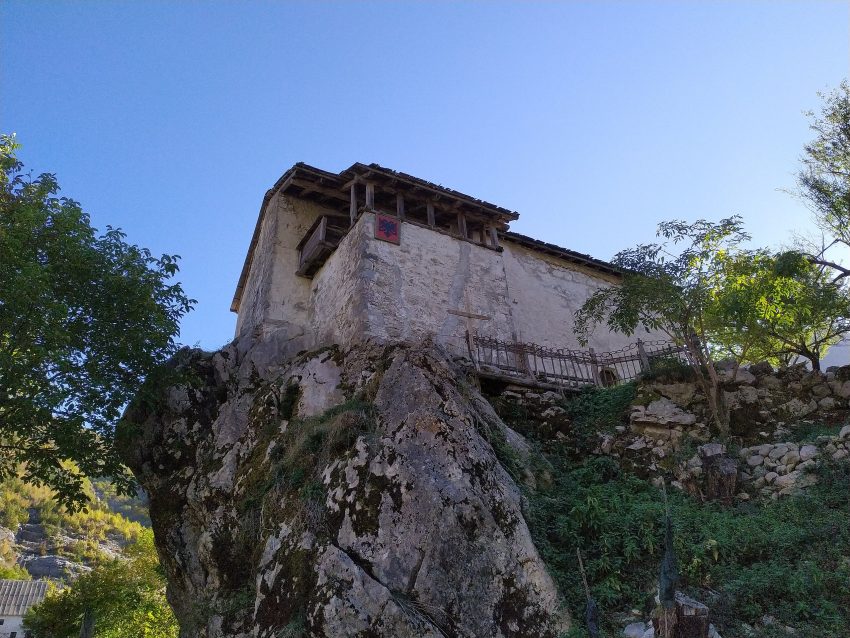
The Ethnographic Museum of Dukagjini sits in Theth, deep in the Albanian Alps, housed inside a traditional stone tower home (kulla) perched dramatically on rock. It's the kind of place that feels inseparable from its landscape: thick walls, small defensive openings, and a setting that instantly explains why architecture here was built for both family life and protection.
If you're curious about how people lived in this valley before Theth became a hiking hub, this stop is one of the things to do in Theth that adds real texture to the scenery. It also fits neatly into a simple walking tour of Theth when you want a break between viewpoints, cafés, and trailheads, and you'll come away with a better sense of why local customs mattered as much as the mountains.
Table of Contents
- History and Significance of the Ethnographic Museum of Dukagjini
- Things to See and Do in the Ethnographic Museum of Dukagjini
- How to Get to the Ethnographic Museum of Dukagjini
- Practical Tips on Visiting the Ethnographic Museum of Dukagjini
- Where to Stay Close to the Ethnographic Museum of Dukagjini
- Is the Ethnographic Museum of Dukagjini Worth Visiting?
- For Different Travelers
- FAQs for Visiting Ethnographic Museum of Dukagjini
- Nearby Attractions to the Ethnographic Museum of Dukagjini
History and Significance of the Ethnographic Museum of Dukagjini
This building is tied to the Dukagjin highlands’ distinctive social code and household traditions, where home life, guest hospitality, and community rules were tightly interwoven. The kulla form itself is a key part of that story: a multi-level stone house designed to endure harsh winters, safeguard families, and serve as a status symbol in remote terrain.
The museum is associated with the historic house of Lulash Keq Boshi, and it’s often discussed as part of Theth’s protected architectural heritage. In practical terms, it represents the valley’s “living history” more than a label on a map: you’re seeing the domestic layout and defensive details that shaped everyday life here for generations.
One important note for planning: recent travel reporting suggests the ethnographic museum has at times been shut or inconsistently accessible, so it's best treated as a “try your luck” visit unless someone locally confirms it's open. In Theth, that's not unusual-keys, caretakers, and seasonal rhythms often decide what's visitable on a given day.
Things to See and Do in the Ethnographic Museum of Dukagjini
Start by appreciating the building itself before you even think about exhibits. The rock-top position, the tight window openings used for surveillance, and the heavy, fortress-like construction are the main attraction, because they explain how families balanced hospitality with security in a remote mountain valley.
If you’re able to go inside, look for the contrast between “everyday” rooms and the guest space. In northern Albanian tradition, the guest room was often the most respected part of the home, reflecting the serious cultural value placed on welcoming outsiders-even in places where life could be hard and resources limited.
To make the visit feel less like a quick photo stop, pair it with context. Read up briefly on the Kanun (the customary code associated with the region) before you arrive, then notice how the house layout and defensive features echo a society that relied on local rules and community enforcement long before modern institutions were present in the mountains.
How to Get to the Ethnographic Museum of Dukagjini
Most travelers approach Theth via Shkodër, after flying into Tirana International Airport (Nënë Tereza). For the best deals and a seamless booking experience, check out these flights to Theth on Booking.com. From Tirana, you can continue to Shkodër by intercity bus or private transfer, then connect onward to Theth.
By public transport, the classic option is the seasonal minibus (furgon) between Shkodër and Theth, which is simplest if you're traveling in late spring through early autumn. In shoulder season, services thin out quickly, so ask your guesthouse to help arrange a seat or a shared transfer the day before you travel.
If you are determined to use trains within Albania, services are limited and generally not a practical way to reach Shkodër or connect onward to Theth, so treat rail as a niche option rather than a core plan. In most itineraries, buses and shared vans will be faster and far more reliable for this region.
Traveling by car gives you the most flexibility for reaching Theth early, stopping at viewpoints, and shifting plans if weather turns, but the approach roads are narrow and mountain driving is not the place to learn confidence from scratch. If you are looking to rent a car in Albania I recommend having a look at Discover Cars, first, as they compare prices and review multiple car rental agencies for you. Once you’re in Theth, you’ll typically continue on foot to individual sights, and local directions are often more useful than phone signal.
Practical Tips on Visiting the Ethnographic Museum of Dukagjini
- Entrance fee: A few hundred lek (varies; paid on site).
- Opening hours: The museum is located in the historic tower house of Lulash Keq Boshi, and visits are often arranged through local guides or guesthouses in Theth.
- Official website:
- Best time to visit: Aim for late morning or early afternoon, when you have the best chance of finding someone nearby who can confirm access and point you to the right door. In peak summer, go earlier to avoid heat on exposed valley walks.
- How long to spend: Budget 20-40 minutes if it’s open, or 10 minutes for exterior photos and a quick look at the structure’s defensive details. If you’re combining it with other village sights, it makes an easy add-on rather than a standalone trip.
- Accessibility: Expect uneven ground, stone steps, and no ramps; this is traditional mountain architecture rather than a modern museum setup. If mobility is limited, treat it as an exterior viewpoint and focus on flatter stops nearby.
- Facilities: Do not count on toilets, ticket desks, or signage; plan to use guesthouse facilities or cafés in Theth and carry small cash if an on-site fee is requested.
Where to Stay Close to the Ethnographic Museum of Dukagjini
For a culture-heavy itinerary, base yourself in central Theth near the church and the main cluster of guesthouses; for a trip focused on hiking and quiet valley scenery, choose a stay slightly outside the centre where you can step straight onto trails and riverside paths.
Staying central keeps your evenings simple and your mornings efficient, especially if you’re planning short village loops between bigger hikes. A convenient, no-fuss option is Shpella Guesthouse Theth, which places you close to the village’s main sights and makes it easy to coordinate transport. For a warm, classic guesthouse feel in the heart of the valley, Guesthouse “Gjin Thana” is a strong base that suits hikers who want meals on-site and a straightforward start to the day.
If you prefer a quieter feel with mountain views and a bit more space around you, look toward the Gjeçaj area, where properties sit slightly apart from the core village flow. Molla Guest House works well if you want that “wake up in the Alps” atmosphere while still being within reach of village sights and trail access.
Is the Ethnographic Museum of Dukagjini Worth Visiting?
Yes-if you like places that explain a destination rather than simply photograph well. Even if access is limited on the day you visit, the building’s setting and defensive design add meaning to Theth’s landscape, and it’s a worthwhile stop when you want a cultural counterpoint to waterfalls and trail routes.
What Other Travellers Say...

Lulash Keq Boshi sits in a charming rural spot in Fushe - Thethi and can be an intriguing stop if you can view it from the dry ditch below; some visitors praise the area and hope it’s preserved, while others warn the house appears closed and abandoned with no marked entrance, so plan expectations and time accordingly.


For Different Travelers
Families with Kids
This can be a fun “real-life castle house” moment for kids, especially if you frame it as a story about mountain living and why homes were built like fortresses. Keep expectations flexible, though, because interior access and safety conditions can vary and you may end up enjoying it mostly from the outside.
Pair it with an easy river walk or a simple café stop so the day doesn’t become too museum-focused in a village that’s primarily about nature. If you’re traveling with smaller kids, prioritize flatter paths and keep the visit short and curiosity-led.
Couples & Romantic Getaways
For couples, the appeal is the atmosphere: stone architecture, big valley views, and a sense of stepping into a quieter, older Theth. It's a lovely mid-morning stop before a longer hike, especially if you enjoy finding the less obvious places between the headline sights.
Turn it into a slow mini-route by walking between village landmarks, pausing for coffee, and finishing with golden-hour views back across the valley. The romance here is understated-more “shared discovery” than a curated attraction.
Budget Travelers
This is a good budget-friendly cultural stop because it doesn’t require tours, transport add-ons, or a full afternoon commitment. Bring small cash just in case a modest on-site fee is requested, and treat it as part of a broader DIY loop around the village.
If it turns out to be closed, you still haven't lost much time or money: pivot to nearby viewpoints, the church area, or a riverside walk. Theth rewards flexible planning, and budget travel tends to fit that rhythm naturally.
History Buffs
If you care about social history, this is one of the few places in Theth that can connect architecture to customs, law, and everyday domestic routines. Focus on defensive details and room hierarchy, then think about how these reflect community order in a remote region.
To get more out of it, read a short primer on the Kanun before you arrive and ask locally what stories people associate with the house and the area. In small mountain communities, spoken context often adds more than signage ever could.
FAQs for Visiting Ethnographic Museum of Dukagjini
Getting There
Tickets & Entry
Visiting Experience
Tours, Context & Itineraries
Photography
Accessibility & Facilities
Food & Breaks Nearby
Safety & Timing
Nearby Attractions to the Ethnographic Museum of Dukagjini
- Grunas Canyon: A dramatic limestone gorge you can view from the rim or weave into a hiking route for extra scenery.
- Theth Church: A photogenic stone church set in open fields beneath the peaks, perfect for a quick, atmospheric stop.
- Lock-in Tower (Kulla e Ngujimit): A compact stone tower with a stark backstory tied to local custom and conflict resolution traditions.
- Grunas Waterfall (Theth Waterfall): A striking cascade reached by a scenic walk, with a refreshing pool and mountain backdrop.
- Blue Eye of Theth (Syri i Kaltër): A vivid spring and pool reached by a longer hike, rewarding you with intense colour and cold, clear water.
The Ethnographic Museum of Dukagjini appears in our Complete Guide to Visiting Theth!

Moira & Andy
Hey! We're Moira & Andy. From hiking the Camino to trips around Europe in Bert our campervan — we've been traveling together since retirement in 2020!
This website uses affiliate links which may earn a commission at no additional cost to you!
Planning Your Visit
The museum is located in the historic tower house of Lulash Keq Boshi, and visits are often arranged through local guides or guesthouses in Theth.
A few hundred lek (varies; paid on site).
Nearby Attractions
- Theth Lock-in Tower (0.3) km
Tower - Theth Church (0.4) km
Church - Grunas Canyon (1.3) km
Natural Phenomenon - Theth Waterfall (1.6) km
Waterfalls - Theth Village (2.3) km
Village - Valbona Pass (3.3) km
Hike - Nderlysa Village (3.7) km
Village - Blue Eye of Theth (4.1) km
Pool - Valbonë Valley National Park (13.8) km
National Park - Lake Koman Ferry (31.1) km
Lake