Col·legi de les Teresianes, Barcelona
Attraction, Historic Building and Notable Building in Barcelona
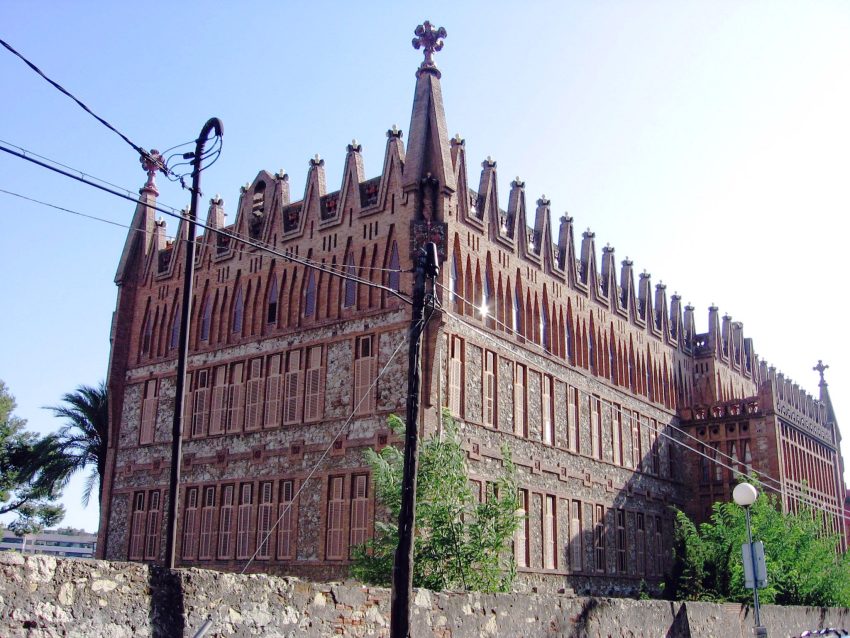
Tucked into Barcelona's Sarrià–Sant Gervasi district, Col·legi de les Teresianes (also known as the Colegio Teresiano) is one of Antoni Gaudí's lesser-visited works, built for the Teresian nuns as a school. It's not a grand, ticketed monument like the Sagrada Família, but a fascinating stop for architecture lovers who enjoy spotting craft, symbolism, and structure in a real neighborhood setting.
Because it's an active school, most travelers experience it best from the outside, ideally as part of a Gaudí-focused walking tour that pairs it with other nearby highlights like the upper city's modernist streets and viewpoints. The best places to see it are from Carrer de Ganduxer and the surrounding corners where the façade's rhythm, ironwork, and crenellated roofline read clearly.
Table of Contents
- History and Significance of the Col·legi de les Teresianes
- Things to See and Do in the Col·legi de les Teresianes
- How to Get to the Col·legi de les Teresianes
- Practical Tips on Visiting the Col·legi de les Teresianes
- Where to Stay Close to the Col·legi de les Teresianes
- Is the Col·legi de les Teresianes Worth Visiting?
- For Different Travelers
- FAQs for Visiting Col·legi de les Teresianes
- Nearby Attractions to the Col·legi de les Teresianes
History and Significance of the Col·legi de les Teresianes
Designed by Antoni Gaudí in the late 19th century, Col·legi de les Teresianes shows his ability to do a lot with a little: restrained materials, disciplined geometry, and a strong spiritual brief. Unlike his more flamboyant commissions, this project leans into austerity, using brick as the main expressive element while still feeling unmistakably Gaudí.
The building’s neo-Gothic language is deliberate, aligning with the religious character of the institution while letting Gaudí experiment with structure and surface. Look closely and you’ll notice how the façade’s repetition is broken by subtle variations, and how the building’s vertical accents and crenellations give it a fortress-like silhouette.
Today, its significance for visitors is twofold: it's a genuine Gaudí work that remains embedded in everyday Barcelona life, and it's a reminder that the city's architectural story extends well beyond the crowded central sights.
Things to See and Do in the Col·legi de les Teresianes
Start with an exterior “slow lap” around the block. The brickwork is the star: arches, window rhythms, and the way light changes the façade throughout the day. The ironwork details are worth a pause too, especially if you enjoy the craft side of modernisme.
Next, focus on the roofline and upper levels. From the right angles, the crenellations and vertical elements create a dramatic, almost castle-like profile that photographs well without needing a wide lens. If you're building a Gaudí itinerary, this is also a great place to compare his more disciplined, institutional work with the organic exuberance you'll see later at Park Güell or Casa Batlló.
Finally, use the visit as a neighborhood excuse: Sarrià–Sant Gervasi is calmer and more residential than the center, so pairing the stop with a café break and a short walk toward nearby viewpoints makes the detour feel like a mini local day.
How to Get to the Col·legi de les Teresianes
Barcelona–El Prat Airport (BCN) is the main international gateway, and Girona–Costa Brava Airport (GRO) is a common low-cost alternative for some routes. For the best deals and a seamless booking experience, check out these flights to Barcelona on Booking.com.
If you're arriving by rail, Barcelona Sants is the city's primary long-distance station, with frequent connections from other Spanish cities and international routes; from there, continue by metro, bus, or taxi toward Sarrià–Sant Gervasi. Train schedules and bookings can be found on Omio..
Driving is possible, but street parking can be limited and regulated in this part of the city, so a taxi/ride-hail or public transport is usually easier for a short stop. If you are looking to rent a car in Spain I recommend having a look at Discover Cars, first, as they compare prices and review multiple car rental agencies for you.
Practical Tips on Visiting the Col·legi de les Teresianes
- Official website: https://ganduxer.escolateresiana.com/
- Entrance fee: Check official website.
- Opening hours: Monday – Friday: 08:00–19:00. Closed on Saturday, Sunday.
- Best time to visit: Go in the morning or late afternoon for softer light on the brick façade and fewer cars in your photos. Weekdays can be busier around school start/end times.
- How long to spend: Plan 15–30 minutes for exterior viewing and photos, or up to an hour if you’re doing a self-guided Gaudí architecture walk in the area.
- Accessibility: Sidewalk viewing is generally straightforward, but expect typical city curbs and occasional uneven paving. Interior access may be restricted because it’s an active school.
- Facilities: There are no visitor facilities on-site like a museum; rely on nearby cafés, bakeries, and public transport stops in the surrounding streets.
Where to Stay Close to the Col·legi de les Teresianes
For the easiest logistics, base yourself in Eixample for central access, excellent transit, and a simple ride to Sarrià–Sant Gervasi.
ABaC Restaurant Hotel Barcelona GL Monumento A splurge-worthy option close to the upper city, chosen for a calm setting, high-end comfort, and a more residential Barcelona feel.
Hotel Primero Primera Included for its boutique atmosphere and quieter neighborhood vibe, ideal if you want a break from the busiest tourist corridors.
Catalonia Mikado A practical mid-range pick in Sarrià–Sant Gervasi, selected for convenience and a low-key base near cafés and local streets.
Hotel Upper Diagonal Chosen for modern rooms and a location that works well for combining this visit with Pedralbes and other upper-city sights.
NH Collection Barcelona Constanza Included as a reliable, well-connected option with strong amenities, good for travelers who want comfort plus easy transit into the center.
Is the Col·legi de les Teresianes Worth Visiting?
Yes, if you like architecture and want a quieter Gaudí experience that feels like “real Barcelona” rather than a queue-heavy attraction. It's especially rewarding for travelers who enjoy studying materials and details up close, and for anyone building a deeper Gaudí checklist beyond the headline sites.
Honest Pivot: if your time is limited and you’re prioritizing interiors, big viewpoints, or iconic photo moments, you can skip it without regret and focus on Gaudí’s major monuments. This stop works best as an add-on when you’re already exploring the upper neighborhoods or doing a themed architecture walk.
For Different Travelers
Col·legi de les Teresianes is a niche-but-satisfying stop: low effort, high detail, and best appreciated by travelers who enjoy looking closely. Think of it as a “texture and context” visit rather than a full attraction with exhibits.
Families with Kids
Kids who like castles or “mystery buildings” may enjoy the fortress-like roofline and the idea that this is a real working school. Keep the visit short and turn it into a scavenger hunt for arches, patterns, and quirky details.
Because it’s not a hands-on attraction, it pairs best with a nearby park stop or a treat break afterward. Plan for stroller-friendly sidewalks, but be ready for typical city curbs.
Couples & Romantic Getaways
For couples, this is a great off-the-beaten-path stroll that feels more local than central Barcelona. The brick textures and repeating arches make for stylish, understated photos without crowds.
Combine it with a café stop in Sarrià–Sant Gervasi or a scenic walk toward nearby viewpoints for a relaxed, slower-paced afternoon.
Budget Travelers
This is an easy win for budget travelers because the exterior experience costs nothing and still adds a meaningful Gaudí sight to your itinerary. It’s also a good excuse to explore a neighborhood where prices can feel less tourist-inflated than the busiest zones.
Use public transport and treat it as a short detour between bigger sights. If you’re tracking your time carefully, 20 minutes is enough to make it worthwhile.
History Buffs
History-minded visitors will appreciate how the building reflects Gaudí's early-to-mid career discipline and the religious, educational context of late 19th-century Barcelona. It's a reminder that modernisme wasn't only about showpiece homes, but also institutions.
To deepen the visit, compare the building’s restrained neo-Gothic cues with Gaudí’s later, more experimental forms elsewhere in the city. Even from the street, it’s a strong case study in how function and faith shaped design choices.
FAQs for Visiting Col·legi de les Teresianes
Getting There
Tickets & Entry
Visiting Experience
Tours, Context & Itineraries
Photography
Accessibility & Facilities
Food & Breaks Nearby
Safety & Timing
Nearby Attractions to the Col·legi de les Teresianes
- CosmoCaixa Barcelona: A hands-on science museum that's especially good for families and rainy-day plans.
- Avinguda del Tibidabo: A scenic avenue with classic architecture and a gateway feel to the upper city.
- Parc del Turó del Putxet: A hilltop park with paths and city views that make a great low-cost add-on.
- Monestir de Pedralbes: A serene Gothic monastery complex that offers a contrasting slice of Barcelona history.
- Jardins de la Tamarita: A small, elegant garden escape that’s ideal for a quiet stroll and a breather from the center.
The Col·legi de les Teresianes appears in our Complete Guide to Visiting Barcelona!

Moira & Andy
Hey! We're Moira & Andy. From hiking the Camino to trips around Europe in Bert our campervan — we've been traveling together since retirement in 2020!
This website uses affiliate links which may earn a commission at no additional cost to you!
Planning Your Visit
Monday - Friday: 08:00-19:00.
Closed on Saturday, Sunday.
Check official website.
Nearby Attractions
- Bellesguard (1.2) km
Attraction, Castle and Historic Building - CosmoCaixa Museum of Science (1.5) km
Attraction and Museum - Casa Vicens Gaudí (1.5) km
Attraction, Historic Building and Museum - Güell Pavilions (1.7) km
Historic Building - Monastery of Pedralbes (1.8) km
Historic Building, Historic Site and Monastery - Gaudí Experiència (2.2) km
Attraction - Park Güell (2.2) km
Park - Casa Comalat (2.3) km
Attraction, Historic Building and Notable Building - Casa Museu Gaudí (2.3) km
Museum - Palau del Baró de Quadras (2.4) km
Attraction, Historic Building and Palace