Colegio de Calatrava (Salamanca)
Historic Building, Historic Site and Religious Building in Salamanca
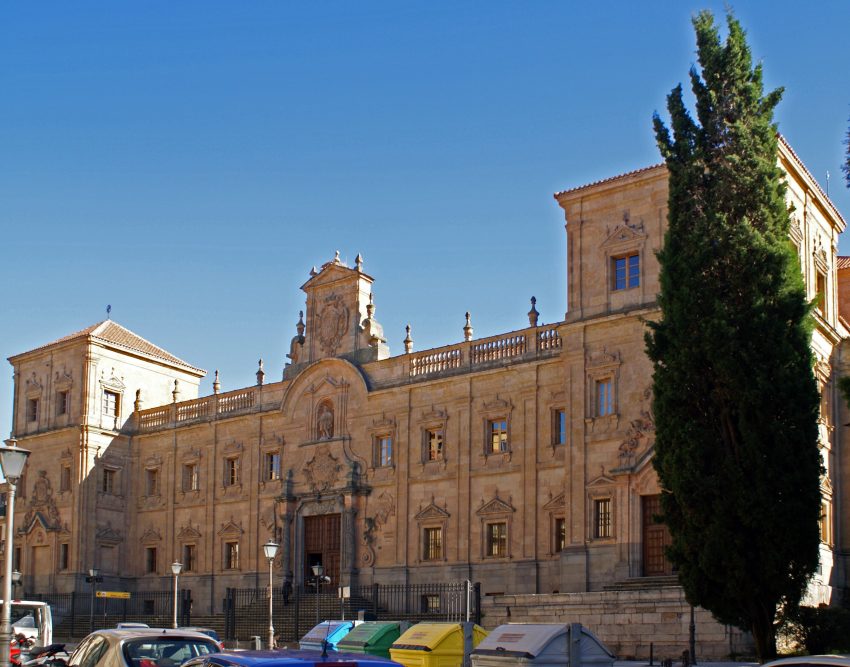
Colegio de Calatrava (Salamanca) is a grand Baroque-era historic building on Calle Rosario, just a short walk from Salamanca's headline sights in the old town. Originally linked to the military Order of Calatrava, it's best known today for its imposing, palace-like façade and monumental staircase.
Because it functions as the Casa de la Iglesia (the Diocese's hub), it's often more of an “admire-from-outside” stop than a classic ticketed attraction. It fits perfectly into a self-guided walk or a guided walking tour that loops between the university area, the cathedrals, and the river viewpoints—pause here for architecture, photos, and a quieter moment away from the busiest plazas.
Table of Contents
- History and Significance of the Colegio de Calatrava
- Things to See and Do in the Colegio de Calatrava
- How to Get to the Colegio de Calatrava
- Practical Tips on Visiting the Colegio de Calatrava
- Where to Stay Close to the Colegio de Calatrava
- Is the Colegio de Calatrava
- For Different Travelers
- FAQs for Visiting Colegio de Calatrava
- Nearby Attractions to the Colegio de Calatrava
History and Significance of the Colegio de Calatrava (Salamanca)
The Colegio de Calatrava is historically associated with the Colegio de la Inmaculada Concepción, a university college connected to the Order of Calatrava. In Salamanca's dense historic core—packed with ecclesiastical and academic institutions—this building stands out as a rare surviving example tied to Spain's military orders.
Architecturally, it belongs to the city's celebrated Baroque tradition, with design work historically linked to the Churriguera circle and later hands that helped complete the project. That lineage matters in Salamanca: the city's “golden stone” and ornate Baroque vocabulary are part of what makes even a short stroll feel like a museum walk.
In modern times, the building took on a new civic-religious role as the Casa de la Iglesia, concentrating diocesan services and spaces for meetings, events, and community use. That living function is part of its significance today: it’s not just a monument, but a working institution within the city.
Things to See and Do in the Colegio de Calatrava (Salamanca)
Start outside. The main draw for most travelers is the dramatic façade and the broad staircase that gives the building a ceremonial, almost palatial presence. It's a great stop for architecture lovers who want a less-crowded photo spot that still feels unmistakably Salamanca.
If you’re able to enter (for an event, an organized visit, or when public access is available), look for the sense of scale inside: cloistered spaces, institutional corridors, and the calm, formal atmosphere typical of major religious-administrative buildings. Even brief interior access can add context to the exterior’s grandeur.
To make the stop feel complete, pair it with nearby highlights: walk from the university area toward the cathedrals, then continue to the river for sunset viewpoints. On a walking tour, this building works well as a “story stop” about Salamanca's religious and academic power structures.
How to Get to the Colegio de Calatrava (Salamanca)
The nearest major airports are Madrid-Barajas (MAD) and Valladolid (VLL), with Salamanca also reachable via smaller regional airports depending on your route. For the best deals and a seamless booking experience, check out these flights to Salamanca on Booking.com.
From Madrid and other Spanish cities, trains and long-distance rail connections make Salamanca an easy arrival, and the station is a straightforward taxi or bus ride from the historic center. Train schedules and bookings can be found on Omio.
If you're driving, Salamanca is well connected by highways, and paid parking garages on the edge of the old town are usually the least stressful option before continuing on foot. If you are looking to rent a car in Spain I recommend having a look at Discover Cars, first, as they compare prices and review multiple car rental agencies for you.
Practical Tips on Visiting the Colegio de Calatrava (Salamanca)
- Official website: https://www.diocesisdesalamanca.com/casa-la-iglesia/
- Entrance fee: Check official website.
- Opening hours: Monday – Friday: 09:00–19:00. Saturday: 10:00–19:00. Sunday: 10:00–14:00.
- Best time to visit: Go in the morning for softer light on the façade, or late afternoon when the stone warms up and the street is calmer. If you’re hoping to go inside, aim for weekday business hours.
- How long to spend: Plan 10–20 minutes for exterior photos and a quick architectural look. Add more time only if you’re attending an event or have confirmed interior access.
- Accessibility: The area is walkable from central Salamanca, but the historic streets can be uneven and the approach includes steps at the main façade. If you need step-free routing, approach from flatter streets and confirm any interior access in advance.
- Facilities: As a working diocesan building, facilities are not set up like a museum; think limited visitor services unless you’re there for a scheduled activity. For restrooms, cafés, and tourist services, rely on the nearby city center.
Where to Stay Close to the Colegio de Calatrava (Salamanca)
Base yourself in Salamanca’s historic center so you can walk everywhere—especially at night, when the monuments are beautifully lit and the streets feel made for slow wandering.
NH Collection Salamanca Palacio de Castellanos A polished, central option with an upscale feel that suits travelers who want comfort steps from the old town’s main sights.
Hotel Rector A boutique-style stay known for quiet refinement—ideal if you want a calm retreat after busy sightseeing days.
Sercotel Puerta de la Catedral A location pick: you’re right by the cathedral area, which makes early-morning walks and nighttime photos especially easy.
Eurostars Las Claras A reliable, comfortable base with good access to both the shopping streets and the historic core.
Ibis Salamanca A practical budget-friendly chain option if you prioritize value and predictability while staying within reach of the center.
Is the Colegio de Calatrava (Salamanca) Worth Visiting?
Yes—especially if you enjoy architecture and want to add one more distinctive Baroque façade to your Salamanca walk without committing to a long museum visit. It's a quick, satisfying stop that feels “local” because the building still functions as part of the city's living institutions.
Honest Pivot: If you're short on time and only want attractions with guaranteed interior access and curated exhibits, you may prefer to focus on the University of Salamanca, the cathedrals, and the main viewpoints. Colegio de Calatrava is best for travelers who appreciate exterior architecture and don't mind that entry can depend on schedules and events.
What Other Travellers Say...

Reviews are overwhelmingly positive, with visitors praising the building’s impressive, palace-like façade and grand staircase, plus the sense of careful modern rehabilitation. Several comments highlight its current role as the Casa de la Iglesia with multipurpose rooms and a calm, welcoming atmosphere that suits retreats or reflective visits. A minor drawback is that, as a working diocesan building, it may not feel like a conventional tourist attraction with predictable interior access or visitor services.


For Different Travelers
Colegio de Calatrava (Salamanca) is a flexible stop: it can be a fast photo break, a quiet architectural detour, or a contextual point on a guided itinerary about Salamanca's religious and academic history.
Families with Kids
For families, this works best as a short “look and move on” stop—kids can handle the quick payoff of a big staircase and an impressive façade. Pair it with a nearby treat stop (hot chocolate and churros) to keep the walk fun.
If you’re doing a longer day, use it as a waypoint between bigger kid-friendly wins like the cathedral towers (if you plan to go up) and riverside open space. Keep expectations simple: it’s more about the outside than hands-on activities.
Couples & Romantic Getaways
Couples will like this as part of a slow, scenic wander through the old town, especially in late afternoon when Salamanca’s stone glows. It’s also a quieter corner compared with the busiest squares, which makes it feel more intimate.
Build a mini-itinerary: stop for photos here, then continue toward the cathedral area and finish with sunset views near the river. Salamanca is a city that rewards unhurried walking, and this building fits that rhythm.
Budget Travelers
Budget travelers can enjoy Colegio de Calatrava as a high-impact, low-cost stop—perfect if you're prioritizing free architecture and atmosphere. It also sits well on a DIY walking route, so you don't need paid transport to reach it.
To stretch your day, combine it with other exterior-first highlights and save paid entries for one or two “must-do” interiors. Bring a refillable water bottle and plan café breaks strategically in the center.
History Buffs
History lovers will appreciate the link to the Order of Calatrava and the broader story of how Salamanca’s institutions shaped the city’s power and identity. Even without going inside, the building reads like a chapter in the city’s ecclesiastical and academic history.
If you want deeper context, visit it with a guide who can connect the architecture to the people and institutions behind it. It’s especially satisfying when paired with the university quarter and the cathedral complex.
FAQs for Visiting Colegio de Calatrava (Salamanca)
Getting There
Tickets & Entry
Visiting Experience
Tours, Context & Itineraries
Photography
Accessibility & Facilities
Food & Breaks Nearby
Safety & Timing
Nearby Attractions to the Colegio de Calatrava (Salamanca)
- Plaza Mayor: Salamanca's iconic main square, perfect for people-watching and evening atmosphere.
- Casa de las Conchas: A photogenic landmark famous for its shell-covered façade and central location.
- University of Salamanca (Escuelas Mayores): One of Europe's oldest universities, known for its ornate façade and historic courtyards.
- Salamanca Cathedral (Old and New): A must-see complex where Gothic and Baroque layers meet, with standout viewpoints nearby.
- Roman Bridge (Puente Romano): A classic riverside walk with panoramic views back toward the city skyline.
The Colegio de Calatrava (Salamanca) appears in our Complete Guide to Visiting Salamanca!

Moira & Andy
Hey! We're Moira & Andy. From hiking the Camino to trips around Europe in Bert our campervan — we've been traveling together since retirement in 2020!
This website uses affiliate links which may earn a commission at no additional cost to you!
Planning Your Visit
Monday - Friday: 09:00-19:00.
Saturday: 10:00-19:00.
Sunday: 10:00-14:00.
Check official website.
Nearby Attractions
- St Thomas of Canterbury Church (0.1) km
Church and Religious Building - Convent of San Esteban (0.2) km
Convent, Historic Building and Historic Site - Convent Museum of Santa Clara (0.2) km
Convent, Historic Site and Museum - Convento de las Dueñas (0.2) km
Convent, Historic Building and Religious Building - Iglesia de San Pablo (0.3) km
Church, Historic Building and Religious Building - Cueva de Salamanca (0.3) km
Attraction, Cave and Historic Site - Torre del Clavero (0.3) km
Tower - Huerto de Calixto y Melibea (0.4) km
Gardens, Park and Viewing Point - Palacio de Anaya (0.4) km
Palace - Catedral Viejo y Nueva (0.4) km
Cathedral