Civil War Shelters Museum, Cartagena
Museum in Cartagena
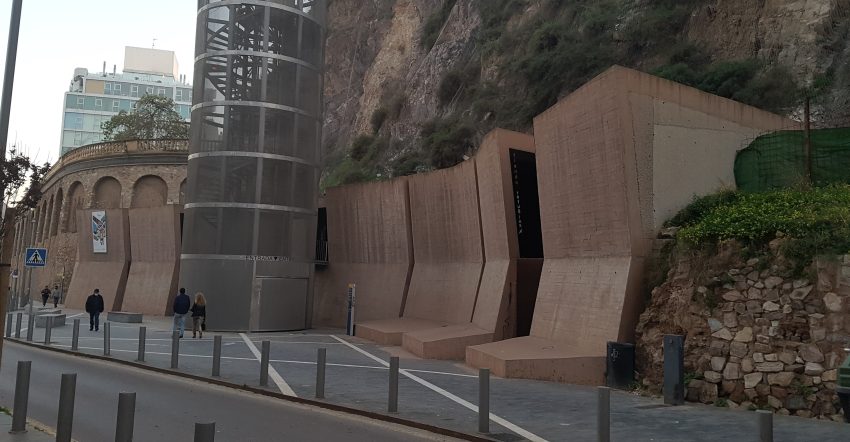
The Civil War Shelters Museum (Museo-Refugio de la Guerra Civil) is an interpretation centre dedicated to the Spanish Civil War, set inside a real shelter tunnel cut into the slope of Mount Concepción. Instead of viewing the period at arm's length, you move through the space where people sheltered during air raids, which gives the visit an immediacy that a conventional museum rarely achieves.
On a Cartagena walking tour, this is best placed mid-route: it is compact, centrally located near Calle Gisbert, and delivers a powerful change of pace from Roman ruins and sunny waterfront streets. If you want one short stop that adds emotional depth and historical context to the city, this is a strong candidate.
Table of Contents
- History and Significance of the Civil War Shelters Museum
- Things to See and Do in the Civil War Shelters Museum
- How to Get to the Civil War Shelters Museum
- Practical Tips on Visiting the Civil War Shelters Museum
- Where to Stay Close to the Civil War Shelters Museum
- Is the Civil War Shelters Museum Worth Visiting?
- For Different Travelers
- FAQs for Visiting Civil War Shelters Museum
- Nearby Attractions to the Civil War Shelters Museum
History and Significance of the Civil War Shelters Museum
Cartagena was heavily shaped by its naval identity and strategic harbour, and during the Spanish Civil War the city experienced bombing and the urgent need for civil defence. The shelter you walk through was part of a wider network created to protect residents during air raids, and its survival allows the story to be told in the most authentic way possible: in the very place it happened.
What the museum does well is translate big events into lived experience. It frames the conflict through the practical realities of fear, scarcity, routine, and community response, helping you understand what “home front” resilience looked like in a port city that mattered militarily and symbolically.
Things to See and Do in the Civil War Shelters Museum
The core experience is the tunnel itself. As you progress through the shelter, focus on how the space is engineered for protection: the carved passage, the sense of enclosure, and the way sound and temperature shift as you move deeper. Even before you read a single panel, the environment communicates what sheltering meant.
Interpretation elements are designed to make everyday life legible-how people waited, how information travelled, and what the rhythm of alarms and uncertainty did to a city’s nerves. If you are travelling with someone who is not usually “into museums,” this is often the kind of visit that lands because it is physical and place-based rather than purely display-based.
Finish the visit by stepping back into the daylight and continuing uphill or across to viewpoints. The contrast is the point: it helps you connect Cartagena’s bright, walkable old town with the hidden infrastructure that supported it through one of the harshest chapters of 20th-century Spain.
How to Get to the Civil War Shelters Museum
The nearest airport is Región de Murcia International Airport (RMU), with Alicante-Elche Airport (ALC) often used as an alternative depending on flight options. For the best deals and a seamless booking experience, check out these flights to Cartagena on Booking.com.
Cartagena is reachable by rail, and the simplest plan is to arrive at Cartagena station and walk or take a short taxi ride to Calle Gisbert, near the Concepción hill and port-side edge of the centre. Train schedules and bookings can be found on Omio.
If you are travelling by car, use parking near the edge of the historic centre and approach on foot, as the old-town street pattern is tighter and less convenient close to the tunnel entrance. If you are looking to rent a car in Spain I recommend having a look at Discover Cars, first, as they compare prices and review multiple car rental agencies for you.
Practical Tips on Visiting the Civil War Shelters Museum
- Entrance fee: Adults: €4
- Opening hours: High season (from July 1 to September 15) From Monday to Sunday from 10:00 a.m. to 8:00 p.m. Medium season (from March 15 to June 30 / from September 16 to November 1) From Tuesday to Sunday from 10:00 a.m. to 7:00 p.m. (Easter from Monday to Sunday) Low season (from November 2 to March 14) From Tuesday to Sunday from 10:00 a.m. to 5:30 p.m.
- Official website: https://puertodeculturas.cartagena.es/ficha_refugios.asp?idioma=2
- Best time to visit: Late morning or mid-afternoon works well, so you can pair it with viewpoints and old-town wandering in the same loop.
- How long to spend: Allow 45-75 minutes for the visit itself, then add extra time if you plan to connect it to the Panoramic Elevator or hilltop viewpoints.
- Accessibility: The route is designed for visitors, but it is still a tunnel environment; check on-site guidance if you have mobility or sensory considerations.
- Facilities: Treat it as a focused visit and plan your main café or rest stop in the old town before or after.
Where to Stay Close to the Civil War Shelters Museum
For a culture-heavy itinerary, base yourself in Cartagena’s historic centre so you can walk to the shelter museum, Roman Theatre, and evening dining with minimal effort; if your priority is transport convenience, staying closer to the station-side centre keeps arrivals and departures simple while remaining walkable to the sights.
A strong central pick is Hotel Cartagena Puerto, which puts you close to the old town rhythm and port-side routes. For a practical base that is still near the core, Sercotel Carlos III Hotel is well placed for a sightseeing-heavy stay. If you prefer a more contemporary, business-leaning option right in the centre, AC Hotel Cartagena keeps logistics straightforward.
Is the Civil War Shelters Museum Worth Visiting?
Yes, particularly if you value places that make history feel real rather than abstract. The setting inside a genuine air-raid shelter tunnel creates an emotional clarity that is hard to replicate, and it fits neatly into a city day without taking over your itinerary.
Honest pivot: if you are travelling with someone who prefers only light, scenic sightseeing and wants to avoid heavier themes, this may not be the right stop. It is best for visitors who can give the subject matter a little attention and quiet time rather than treating it as a quick photo opportunity.
What Other Travellers Say...

Reviewers describe a small but impactful museum that offers an educational, moving look at how Cartagena experienced the Spanish Civil War, including materials like historical images and films. Staff are frequently noted as friendly and helpful, and the exhibits (such as children's drawings) leave a strong impression. A recurring drawback is that some video displays require standing for long periods, and visitors suggest adding seating; a bit of background knowledge on the war may also help get more from the visit.


For Different Travelers
Families with Kids
This can work well for older kids and teens because the space is immersive and the story is easy to grasp through the physical environment. Keep the visit short and purposeful, and follow it with a lighter stop-views, a park walk, or a treat in the old town-to balance the tone.
For younger children, it depends on temperament: the tunnel setting can feel intense or confined. If you go, set expectations clearly and focus on the “how shelters protected people” angle rather than the broader conflict detail.
Couples & Romantic Getaways
This is not a “romantic” stop, but it can add depth to a trip, especially if you like understanding a place beyond its postcard layer. Pair it with a calm post-visit walk-either up toward viewpoints or down toward the waterfront-so the day does not feel emotionally one-note.
It also works well as a weather-proof anchor: you can do this in a shorter window, then use clearer moments for terraces, harbour views, and evening plans.
Budget Travelers
It is a strong-value ticket because it delivers a distinctive, site-specific experience that you cannot replicate for free by simply wandering the streets. Use it as your paid “context stop,” then keep the rest of the day focused on free highlights: viewpoints, waterfront walking, and old-town neighbourhoods.
If you are choosing between multiple museums, this one tends to stand out because the location is part of the content, not just a container for it.
History Buffs
This is one of Cartagena’s most rewarding 20th-century visits because it foregrounds civil defence, urban resilience, and the lived reality of air raids. If you like building narratives across a day, pair it mentally with Cartagena’s military landscape-harbour strategy, fortifications, and hilltop viewpoints-to see how geography and conflict history intersect.
Give yourself a few minutes afterward to process before jumping straight into the next attraction. The impact is part of the value.
FAQs for Visiting Civil War Shelters Museum
Getting There
Tickets & Entry
Visiting Experience
Tours, Context & Itineraries
Photography
Accessibility & Facilities
Nearby Attractions to the Civil War Shelters Museum
- Panoramic Elevator (Ascensor Panorámico): A quick lift that links the centre to hilltop viewpoints and the castle area.
- Castillo de la Concepción: A classic viewpoint stop that helps you read Cartagena's harbour geography from above.
- Roman Theatre Museum: The city's headline Roman site, ideal to pair with a modern-history visit for contrast.
- Calle Mayor and Modernist Cartagena: A lively central corridor for architecture, shopping, and an easy post-museum reset.
- Cartagena Waterfront and Port Promenade: A simple, scenic walk that balances the shelter museum's heavier themes with open air and views.
The Civil War Shelters Museum appears in our Complete Guide to Visiting Cartagena!

Moira & Andy
Hey! We're Moira & Andy. From hiking the Camino to trips around Europe in Bert our campervan — we've been traveling together since retirement in 2020!
This website uses affiliate links which may earn a commission at no additional cost to you!
Planning Your Visit
High season (from July 1 to September 15)
From Monday to Sunday from 10:00 a.m. to 8:00 p.m.
Medium season (from March 15 to June 30 / from September 16 to November 1)
From Tuesday to Sunday from 10:00 a.m. to 7:00 p.m. (Easter from Monday to Sunday)
Low season (from November 2 to March 14)
From Tuesday to Sunday from 10:00 a.m. to 5:30 p.m.
Adults: €4
Nearby Attractions
- Cartagena’s Panoramic Elevator (0.0) km
Viewing Point - Castillo de la Concepción (0.1) km
Castle, Museum and Viewing Point - House of Fortune (0.3) km
Historic Site, Museum and Roman Site - Teatro Romano de Cartagena (0.3) km
Museum, Roman Site and Theatre - National Museum of Underwater Archaeology (0.3) km
Attraction and Museum - Augusteum (0.3) km
Historic Site, Museum and Roman Site - Old Cathedral of Cartagena (0.3) km
Cathedral, Historic Site and Ruins - Molinete Roman Forum Museum (0.4) km
Historic Site, Museum and Roman Site - Museo del Teatro Romano de Cartagena (0.4) km
Museum, Roman Site and Theatre - Ayuntamiento Cartagena (0.4) km
Attraction, Historic Building and Town Hall