Cité de Carcassonne
Ancient City, Castle and City Walls in Carcassonne
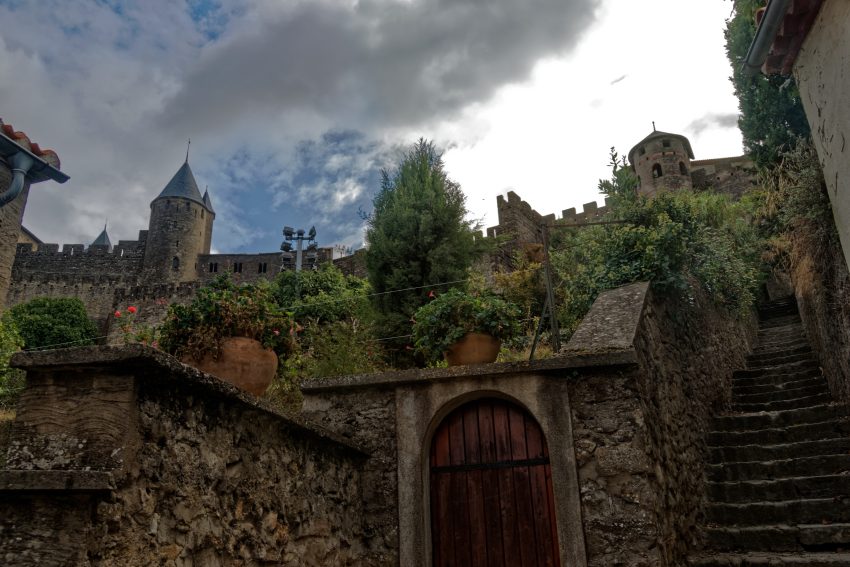
The Cité de Carcassonne is the storybook medieval fortified city that crowns Carcassonne in southern France, famous for its double ring of walls, fairytale towers, and stone lanes lined with cafés and small shops. It's a living district (people still live inside the walls), so it feels less like a single “monument” and more like stepping into a compact, walkable world of gates, battlements, and viewpoints.
Most visitors arrive on a walking tour (or do a self-guided loop) that starts at the main gate and winds through the old streets to the basilica, then finishes with big panoramas from the ramparts. For the best views, aim for the outer walls at golden hour, and don't miss the classic photo angle from the riverbank below the fortress.
Table of Contents
- History and Significance of the Cité de Carcassonne
- Things to See and Do in the Cité de Carcassonne
- How to Get to the Cité de Carcassonne
- Practical Tips on Visiting the Cité de Carcassonne
- Where to Stay Close to the Cité de Carcassonne
- Is the Cité de Carcassonne Worth Visiting?
- For Different Travelers
- FAQs for Visiting Cité de Carcassonne
- Nearby Attractions to the Cité de Carcassonne
History and Significance of the Cité de Carcassonne
Carcassonne’s hilltop has been fortified for centuries, evolving from early defensive works into the dramatic medieval stronghold you see today. The Cité’s strategic position above the Aude River made it a key point of control in the region, and its fortifications reflect layers of military architecture built, rebuilt, and adapted over time.
What makes the Cité de Carcassonne especially significant is how complete the fortified ensemble feels: gates, towers, curtain walls, and the inner castle all combine into a coherent defensive system. Today, it's celebrated as one of Europe's most iconic walled cities, and its UNESCO World Heritage status underscores its cultural importance and preservation.
Beyond the stonework, the Cité’s significance is also experiential: it’s a place where history is encountered on foot. You can trace how a fortified settlement functioned, from choke-point entrances and patrol paths to the way the town’s streets cluster behind protective walls.
Things to See and Do in the Cité de Carcassonne
Start with a slow wander through the lanes inside the walls, where you'll find atmospheric corners, small squares, and plenty of spots to pause for a coffee or an ice cream. The Basilica of Saints Nazarius and Celsus is a must for its calm interior and contrast with the fortress vibe outside.
For the headline experience, visit the Château Comtal and walk the ramparts. This is where the Cité becomes most cinematic: narrow wall-walks, tower staircases, and sweeping views over the lower town (Bastide Saint-Louis), vineyards, and distant hills. If you’re short on time, prioritize the ramparts for the best “I’m really here” moment.
To add context, consider a guided walking tour that explains the fortifications and the Cité's changing role through the centuries. It's also worth visiting at night when the walls are illuminated and the atmosphere is quieter than midday.
How to Get to the Cité de Carcassonne
The nearest airports are Carcassonne Airport (closest), Toulouse-Blagnac Airport, and Béziers Cap d'Agde Airport, with the easiest onward connections typically via shuttle, train, or car depending on your arrival point. For the best deals and a seamless booking experience, check out these flights to Carcassonne on Booking.com.
Carcassonne is well-connected by rail, and arriving by train is convenient because you can then continue to the Cité by local bus, taxi, or a scenic walk from the station area through the lower town.You can use SNCF Connect to check schedules, compare routes, and purchase tickets for National (SNCF ) and regional trains (TER). For a more streamlined experience, we recommend using Omio, which allows you to easily compare prices, schedules, and book tickets for both National and Regional travel across all of Europe, all in one place.
If you’re driving, follow signs for “La Cité” and use the designated parking areas outside the walls, then walk in through the main gate for the classic approach.If you are looking to rent a car in France I recommend having a look at Discover Cars, first, as they compare prices and review multiple car rental agencies for you.
Practical Tips on Visiting the Cité de Carcassonne
- Official website: https://www.remparts-carcassonne.fr/
- Entrance fee: Free (district access). Château Comtal & ramparts: €19 (June 2 – September 30) or €13 (October 1 – March 31); under 18: free.
- Opening hours: 24 Hours.
- Best time to visit: Go early in the morning for quieter streets, then return around sunset for the best light on the walls and viewpoints.
- How long to spend: Plan 2–4 hours for the Cité itself; add another 1–2 hours if you're doing the Château Comtal and ramparts.
- Accessibility: The streets are uneven and can be steep in places; expect cobbles, steps, and narrow passages, especially on the ramparts.
- Facilities: You’ll find restrooms, cafés, and plenty of places to eat inside and just outside the walls; booking ahead helps in peak season.
Where to Stay Close to the Cité de Carcassonne
Base yourself in the lower town (Bastide Saint-Louis) if you want the best balance of restaurants, transport links, and an easy walk or quick ride up to the Cité.
If you want to wake up inside the medieval atmosphere, staying near the walls is unforgettable, especially for early-morning strolls before day-trippers arrive. For a more local feel and better value, the lower town is ideal, with broader dining options and a more everyday Carcassonne vibe.
Hôtel de la Cité Carcassonne – MGallery Chosen for its rare, immersive location near the Cité and its classic, special-occasion feel that suits a once-in-a-lifetime visit.
Le Donjon – Coeur de la Cité Médiévale Included for travelers who want to sleep within the medieval walls and step straight into the lanes before the crowds.
Hôtel Du Pont Vieux A practical pick for being just outside the walls with a straightforward walk to the entrance and a great base for early starts.
Tribe Carcassonne Selected for a modern, comfortable stay in the lower town with easy access to restaurants and a simple route to the Cité.
Hôtel Le Parc – La Table de Franck Putelat Ideal for food-focused travelers who want a refined stay near the Cité and a memorable dining experience as part of the trip.
Is the Cité de Carcassonne Worth Visiting?
Yes, the Cité de Carcassonne is absolutely worth visiting: it's one of the most striking fortified cities in Europe, and the combination of walls, towers, and viewpoints delivers a true “medieval skyline” experience that photos don't fully capture. Even if you only have a day in Carcassonne, the Cité is the clear centerpiece.
Honest Pivot: if you dislike tourist-heavy old towns with souvenir shops and busy midday lanes, you may find the core streets inside the walls a bit commercial in peak season. In that case, visit early or late, focus on the ramparts and viewpoints, and spend more of your time in the lower town for a calmer, more local feel.
What Other Travellers Say...

Citadel surrounded by double walls 3km in length, dotted by 52 towers, founded in Gallo-Roman times.


For Different Travelers
The Cité de Carcassonne can be tailored to your pace: a quick scenic stroll, a deep-dive ramparts visit, or a guided walk that adds context. The key is timing and choosing whether you want the free, open-air district experience or the ticketed castle-and-walls experience.
Families with Kids
Kids tend to love the “real castle” feeling, especially the towers, gates, and the sense of exploring a walled city. A shorter loop with a few viewpoint stops works well, with a treat break in between.
If your family has the energy, add the Château Comtal and ramparts for the most hands-on fortress experience. Aim for earlier in the day to avoid the busiest pinch points in narrow lanes.
Couples & Romantic Getaways
For couples, the Cité shines at golden hour and after dark when the walls are lit and the atmosphere feels more cinematic. A slow walk along the viewpoints followed by a relaxed dinner is an easy, memorable plan.
Consider staying close to the Cité so you can enjoy the quiet moments outside peak visiting hours. A guided tour can also add a shared “story” to the experience beyond the photos.
Budget Travelers
The best budget feature is that the medieval district itself is free to access, so you can get a lot of atmosphere without buying a ticket. Pack snacks, refill water, and prioritize viewpoints and the basilica for maximum value.
If you do pay for one thing, make it the ramparts for the panoramic payoff. Visiting early or late can also help you enjoy the Cité without feeling like you’re battling crowds.
History Buffs
History lovers should pair the street-level wander with the Château Comtal and ramparts to understand how the defenses functioned. The wall-walks make the military logic of the site feel tangible.
To go deeper, take a guided tour that explains the layers of construction and how the Cité’s role changed over time. You’ll notice details you’d otherwise walk past, especially around gates, towers, and defensive angles.
FAQs for Visiting Cité de Carcassonne
Getting There
Tickets & Entry
Visiting Experience
Tours, Context & Itineraries
Photography
Accessibility & Facilities
Food & Breaks Nearby
Safety & Timing
Nearby Attractions to the Cité de Carcassonne
- Basilica of Saints Nazarius and Celsus: A serene, beautiful church inside the Cité that's a perfect contrast to the fortress walls.
- Pont Vieux: The old bridge offers one of the most classic panoramic views back toward the fortified skyline.
- Bastide Saint-Louis (Lower Town): A grid-like historic center with more local dining and a different side of Carcassonne.
- Canal du Midi (Carcassonne section): A relaxing waterside stroll and a great change of pace after the busy medieval lanes.
- Château Comtal and Ramparts: The ticketed highlight for wall-walks, towers, and the most dramatic viewpoints.
The Cité de Carcassonne appears in our Complete Guide to Visiting Carcassonne!

Moira & Andy
Hey! We're Moira & Andy. From hiking the Camino to trips around Europe in Bert our campervan — we've been traveling together since retirement in 2020!
This website uses affiliate links which may earn a commission at no additional cost to you!
Planning Your Visit
24 Hours.
Free (district access). Château Comtal & ramparts: €19 (June 2 - September 30) or €13 (October 1 - March 31); under 18: free.
Nearby Attractions
- Jean-Pierre Cros-Mayrevieille Monument (0.0) km
Memorial, Monument and Statue - Château et Remparts (0.1) km
Castle, City Walls and Historic Site - La Grand Puit (0.1) km
Historic Site and Monument - Porte Narbonnaise (0.1) km
Attraction, City Gate and Historic Site - Musee de L'Inquisition (0.1) km
Attraction and Museum - Porte de l'Aude (0.2) km
City Gate, City Walls and Historic Site - Dame Carcas (0.2) km
Statue - Musée de l'Ecole (0.2) km
Museum - Basilique Saint-Nazaire (0.2) km
Basilica, Church and Religious Building - Eglise Saint-Gimer (0.2) km
Church and Religious Building