Church of San Agustin, Málaga
Church in Málaga
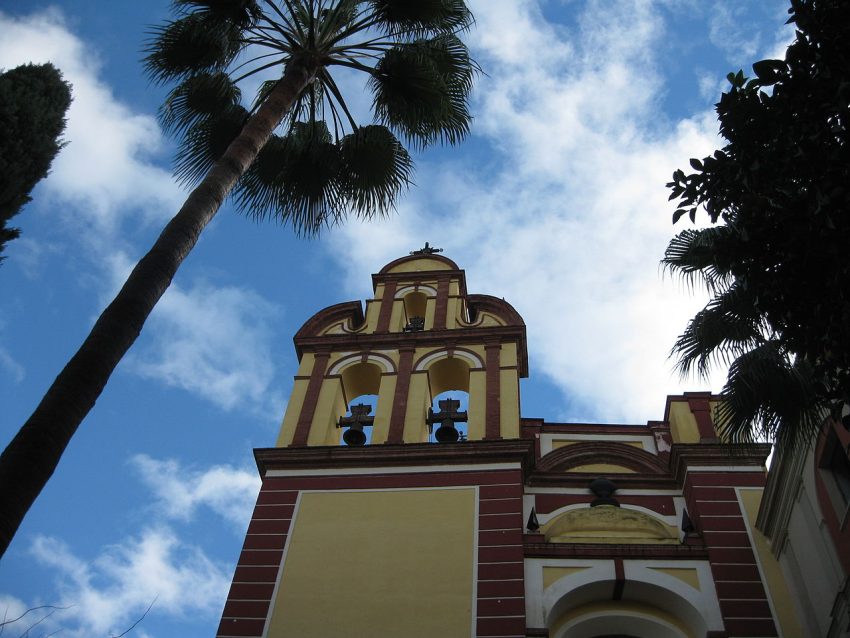
Tucked into Málaga's historic centre on Calle San Agustín, the Iglesia de San Agustín is an easy, rewarding stop when you want a quieter counterpoint to the city's big-ticket landmarks. It sits right on one of the most walkable lanes in town, close to the Picasso Museum and the cathedral zone, so it fits naturally into a culture-first route without any detours.
What makes it work so well on foot is its contrast: outside, you're in the flow of Old Town; inside, the atmosphere slows down and the details start to register-side chapels, warm stone, and the kind of devotional art that helps explain the city beyond the postcard highlights. For many visitors, this spot is one of the things to see in Málaga because it adds texture to a walking tour of Málaga without demanding much time.
Table of Contents
- History and Significance of the Iglesia de San Agustín
- Things to See and Do in the Iglesia de San Agustín
- How to Get to the Iglesia de San Agustín
- Practical Tips on Visiting the Iglesia de San Agustín
- Where to Stay Close to the Iglesia de San Agustín
- Is the Iglesia de San Agustín Worth Visiting?
- For Different Travelers
- FAQs for Visiting Iglesia de San Agustín
- Nearby Attractions to the Iglesia de San Agustín
History and Significance of the Iglesia de San Agustín
The church is tied to Málaga’s Augustinian presence, with roots traced to 1575 and a long institutional history that includes closure in the 19th century and later revival in the early 20th century. Today, it remains active as a place of worship and as a spiritual base linked to the local Augustinian community. (Colegio Los Olivos)
Architecturally, it reads as a compact Baroque-era interior with a clear focus on the main altar area, where a notable retablo design is associated with José Martín de Aldehuela (dated to 1798). The building has also seen modern restoration work, helping preserve it as a lived-in monument rather than a static museum piece.
It also sits on a street with strong Picasso-era associations: sources describing Picasso's Málaga note that his father worked as a museum curator and was allowed a painting workshop connected to the former municipal museum/archive setting on Calle San Agustín, which adds an extra layer of context when you're walking this part of the old city.
Things to See and Do in the Iglesia de San Agustín
Start with the exterior and threshold space: even a short pause here is useful for orienting yourself between the Picasso Museum area and the cathedral quarter. Then step inside and look down the length of the nave to get a sense of the church's proportions and natural light-this is the kind of place where a two-minute visit can still feel substantial.
Give yourself a few extra minutes for the interior details: the main altar setting and its retablo structure, the side chapels, and the smaller artworks that tend to be missed when you’re rushing between headline monuments. If you happen to pass when it’s open for worship, sitting quietly at the back for a moment is often the most memorable “activity” here, especially on a busy day in the centre.
How to Get to the Iglesia de San Agustín
Most visitors arrive via Málaga-Costa del Sol Airport (AGP), then continue into the city by train or bus connections toward the centre. For the best deals and a seamless booking experience, check out these flights to Málaga on Booking.com. From the main rail hub, Málaga María Zambrano, you can walk, take a short taxi ride, or use local buses toward the historic centre, then finish on foot along Calle San Agustín. Train schedules and bookings can be found on Omio.
If you're already staying centrally, the simplest approach is to walk-this is very much an Old Town stop, best reached on foot from the cathedral, the Roman Theatre area, or the Picasso Museum streets. If you're driving, aim to park outside the tight historic-core lanes (public car parks around the centre are the practical choice) and walk the final stretch. If you are looking to rent a car in Spain I recommend having a look at Discover Cars, first, as they compare prices and review multiple car rental agencies for you.
Practical Tips on Visiting the Iglesia de San Agustín
- Entrance fee: Free.
- Opening hours: (Summer) 31 May – 30 September; Sunday: 09:30–13:00; Tuesday & Thursday: 18:00–20:00. (Winter) 01 October – 30 May; Sunday: 09:30–13:00; Monday – Wednesday & Friday: 17:30–19:30; Thursday: 17:30–21:00. Closed in August.
- Official website: https://www.diocesismalaga.es/oracion/2013091107/horario-de-apertura-y-culto-de-la-iglesia-de-san-agustin-malaga/
- Best time to visit: Go when the centre is at its busiest, so the church feels like a genuine pause in your route rather than “another stop.”
- How long to spend: 10-20 minutes is enough for a calm look inside; add time if you enjoy architecture or quiet spaces.
- Accessibility: Expect typical Old Town surfaces and a worship-space layout; step-free access may vary by entrance and whether interior areas are roped off.
- Facilities: This is not a museum-style site; plan for cafés and restrooms in the surrounding Old Town rather than on-site services.
Where to Stay Close to the Iglesia de San Agustín
For a culture-heavy itinerary, base yourself in Málaga’s Centro Histórico so you can walk to the main sights early and late, when the streets are at their most atmospheric.
Staying around the historic centre also makes it easy to build flexible days that loop between churches, museums, and tapas streets without relying on transport. Good nearby options typically include Palacio Solecio, Vincci Selección Posada del Patio, and Room Mate Valeria.
Is the Iglesia de San Agustín Worth Visiting?
Yes-especially if you like small, characterful stops that deepen your sense of place. It won’t replace Málaga’s headline monuments, but it adds a grounded, local layer to the historic centre and works perfectly as a short, restorative visit between busier attractions.
What Other Travellers Say...

Church of St. Augustine (Augustinian Fathers), on C. San Agustín in Málaga's Centro district, is a restrained Baroque church formerly part of an Augustinian convent; visitors praise its dignified façade, pleasant exterior colours and peaceful interior, note an unusual green altar, and mention the adjoining cloister now linked to the Picasso Museum, making it a compact, worthwhile stop in the historic quarter.


For Different Travelers
Families with Kids
This can be a good “reset stop” for families: it’s short, calm, and provides a break from sun and crowds. Keep expectations simple-go in with a mini-mission like spotting the biggest altar feature or finding a quieter corner to sit for two minutes.
If you’re walking with a stroller, the surrounding streets can be more challenging than the interior itself, depending on entrances and temporary layouts. Treat it as optional and easy: if the door is open and everyone’s in a cooperative mood, step in; if not, move on without fuss.
Couples & Romantic Getaways
For couples, the appeal is the atmosphere rather than a checklist of must-sees. It's the kind of understated place that makes a walk through Málaga feel textured and intimate, especially when you time it between a museum visit and a slow wander toward the cathedral lanes.
It also works well as a “quiet punctuation mark” in the middle of a busy day-step inside, lower the pace, then continue your route with a fresh sense of calm. If you enjoy photography together, the surrounding streets offer classic Old Town frames without needing to plan anything complicated.
Budget Travelers
This is a strong budget-friendly stop because it adds depth without adding cost, and it sits naturally on routes you’re likely walking anyway. Pair it with other nearby free-to-see exteriors and plazas to build a full morning that feels intentional.
Because opening can be limited and tied to worship patterns, think of it as a bonus rather than an anchor. If it’s closed, you still get value from the surrounding lane and nearby landmarks, so your route never feels wasted.
History Buffs
History-focused travelers will appreciate how this stop connects religious life, urban change, and the broader story of institutions in the historic centre. Look for architectural cues-altarpiece design, side chapels, and the way the interior reflects later phases of Málaga’s artistic tastes.
It’s also a useful waypoint for understanding Calle San Agustín as a historic corridor, especially if you’re tracing the city’s layers from civic institutions to devotional spaces and onward to the modern museum landscape nearby.
FAQs for Visiting Iglesia de San Agustín
Getting There
Tickets & Entry
Visiting Experience
Tours, Context & Itineraries
Photography
Accessibility & Facilities
Nearby Attractions to the Iglesia de San Agustín
- Museo Picasso Málaga: Málaga's flagship Picasso collection in the Palacio de Buenavista, steps away and easy to pair with this stop.
- Málaga Cathedral: The city's dominant Renaissance-Baroque landmark, ideal for continuing your Old Town walk.
- Roman Theatre: A compact, photogenic ancient site that's quick to visit and sits right by major historic-centre routes.
- Alcazaba of Málaga: A Moorish fortress-palace with gardens and viewpoints, excellent as the “big” monument after smaller church stops.
- Plaza de la Merced: A lively square that works well for a café break and people-watching after a culture-heavy loop.
The Church of San Agustin appears in our Complete Guide to Visiting Málaga!

Moira & Andy
Hey! We're Moira & Andy. From hiking the Camino to trips around Europe in Bert our campervan — we've been traveling together since retirement in 2020!
This website uses affiliate links which may earn a commission at no additional cost to you!
Planning Your Visit
(Summer) 31 May - 30 September; Sunday: 09:30-13:00; Tuesday & Thursday: 18:00-20:00.
(Winter) 01 October - 30 May; Sunday: 09:30-13:00; Monday - Wednesday & Friday: 17:30-19:30; Thursday: 17:30-21:00.
Closed in August.
Free.
Nearby Attractions
- Picasso Museum (0.0) km
Museum - Iglesia de Santiago (0.1) km
Church - Málaga Cathedral (0.1) km
Cathedral - Roman Theatre (0.1) km
Historic Site and Theatre - Museo de Málaga (0.2) km
Museum - Alcazaba (0.2) km
Castle - Plaza de la Merced (0.2) km
Monument, Square and Statue - Museo Casa Natal (0.3) km
Historic Building and Museum - Athenaeum of Malaga (0.3) km
Historic Building - Calle Larios (0.3) km
Street