Château Soutard, Saint-Émilion
Historic Site and Vinyard in Saint-Émilion
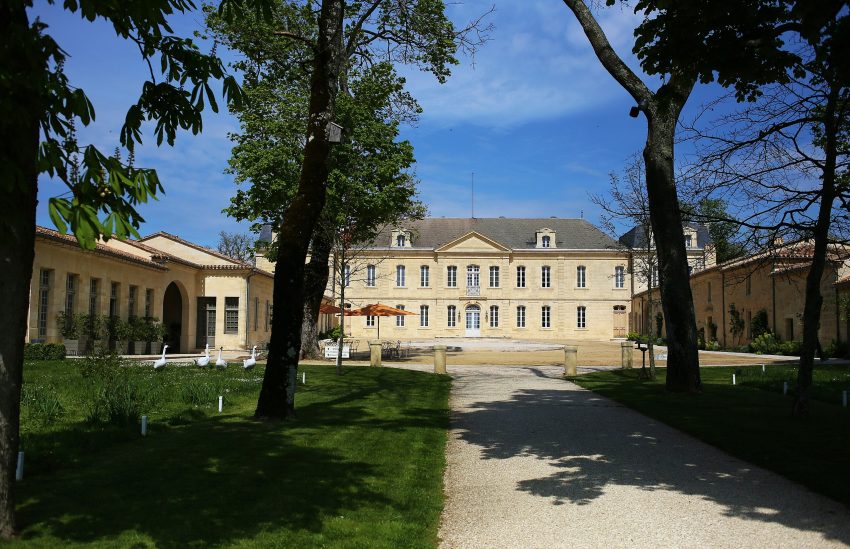
Château Soutard is one of those Saint-Émilion experiences that feels instantly “Right Bank”: an elegant 18th-century residence surrounded by vines, limestone underfoot, and a calm, spacious setting that contrasts nicely with the tight medieval lanes. The estate sits just outside the historic centre, which makes it an easy add-on if you want to pair village sightseeing with a proper vineyard visit. For many travellers, this is one of the things to do in Saint-Émilion because it offers the full picture in one place-terroir, winemaking, and that unmistakable château atmosphere.
It also works smoothly with a walking tour of Saint-Émilion because you can do the monuments and viewpoints in town, then shift gears to something more open-air and sensory: vineyard rows, cellar aromas, and a tasting that slows the day down. If you like visits that feel polished but still grounded in place, Soutard delivers a good balance of heritage and modern hospitality, with options ranging from a straightforward tour to more immersive experiences.
Table of Contents
- History and Significance of the Château Soutard
- Things to See and Do in the Château Soutard
- How to Get to the Château Soutard
- Practical Tips on Visiting the Château Soutard
- Where to Stay Close to the Château Soutard
- Is the Château Soutard Worth Visiting?
- For Different Travelers
- FAQs for Visiting Château Soutard
- Nearby Attractions to the Château Soutard
History and Significance of the Château Soutard
Château Soutard's story stretches back to the early 1500s, which is unusually long even by Bordeaux standards, and it helps explain why the estate feels so woven into the Saint-Émilion landscape. What began as a working rural property gradually transitioned into a serious vineyard holding, reflecting how the region evolved from mixed agriculture into the world-famous wine patchwork you see today.
One of the estate's most interesting historical footnotes is its early adoption of planting vines in rows-an approach that now feels obvious, but at the time represented a more systematic, productivity-minded shift in viticulture. In a region where tradition often dominates the narrative, this detail is a reminder that “classic” Bordeaux has always included experimentation and incremental change.
The château itself-an 18th-century mansion-adds a distinct sense of place. It anchors the visitor experience in a setting that feels refined rather than rustic, while the surrounding limestone-rich soils connect the estate directly to the geological signature that underpins Saint-Émilion’s best wines: structure, depth, and a certain savoury freshness that shows especially well in Merlot-led blends.
Things to See and Do in the Château Soutard
A guided visit is the best starting point because it ties together what you’re seeing in the vineyards with what happens in the cellar. You’ll get a clearer feel for how the estate’s parcels and soils shape the blend, and the behind-the-scenes view tends to make the tasting more meaningful than a simple “sip and swirl.”
If you enjoy being outdoors, the vineyard setting is part of the reward. Even a short walk among the rows changes how you understand Saint-Émilion: the gentle rises, the patchwork of plots, and the way the town's stone skyline sits in the background. It's also a good moment to reset after a morning of cobbles and stair climbs.
End with a tasting paced to your day. If you’re sightseeing-heavy, keep it focused and treat it as a high-quality break; if your trip is wine-first, consider a deeper format that lets you compare wines or explore a more detailed interpretation of the estate’s style.
How to Get to the Château Soutard
The nearest major airport is Bordeaux-Mérignac Airport (BOD), with Bergerac Dordogne Périgord Airport (EGC) also useful for some routes. For the best deals and a seamless booking experience, check out these flights to Saint-Émilion on Booking.com. From either, you'll typically route toward Bordeaux or Libourne and then continue to Saint-Émilion.
By train, the standard approach is to travel via Bordeaux Saint-Jean to Libourne or Saint-Émilion station, then take a short taxi ride to the estate if you don't want to walk the extra distance from town. You can use SNCF Connect to check schedules, compare routes, and purchase tickets for National (SNCF ) and regional trains (TER). For a more streamlined experience, we recommend using Omio, which allows you to easily compare prices, schedules, and book tickets for both National and Regional travel across all of Europe, all in one place. This is a practical option if you’re planning tastings and want to avoid driving.
Buses can work for regional links around Libourne and Saint-Émilion, but they're less convenient for timing a booked winery visit, so many travellers use taxis for the final stretch.
If you’re driving, the estate is straightforward to reach and typically easier than navigating the medieval centre itself, so it pairs well with a broader day of château-hopping on the Right Bank. If you are looking to rent a car in France I recommend having a look at Discover Cars, first, as they compare prices and review multiple car rental agencies for you.
Practical Tips on Visiting the Château Soutard
- Entrance fee: From €23 per person (tour and tasting)
- Opening hours: Visits by reservation; typical tour departures at 11:30 (French) and 15:00 and 16:30 (English), with additional private visits available on request.
- Official website: https://chateau-soutard.com/
- Best time to visit: Late morning is ideal if you want a winery visit before lunch, while mid-afternoon works well as a slower-paced break after town sightseeing.
- How long to spend: Plan around 1-1.5 hours for a tour and tasting, and longer if you’re choosing an extended experience or adding time on the terrace.
- Accessibility: The estate is generally easier than many medieval sites, but cellar areas can involve steps and uneven surfaces; staff can advise on the most comfortable route.
- Facilities: Expect a dedicated tasting space and visitor services on-site, and plan ahead if you want to add a picnic-style experience or a longer stay.
Where to Stay Close to the Château Soutard
For a culture-heavy itinerary, base yourself in Saint-Émilion’s medieval centre so you can walk to monuments and dinner easily; for a vineyard-first trip, staying just outside town is often better for quiet nights, parking, and easy access to surrounding estates.
If you want a central base that keeps everything walkable once you’re in town, Logis de la Cadène places you right in the historic atmosphere with an easy rhythm for evenings. For a quieter château-hotel feel with space to unwind between visits, Château Hôtel Grand Barrail is a strong option close to both town and vineyards. If you're looking for a high-end stay that feels truly “special occasion” in the heart of Saint-Émilion, Hôtel de Pavie delivers an exceptional base for a food-and-wine focused itinerary.
Is the Château Soutard Worth Visiting?
Yes, especially if you want a Saint-Émilion wine experience that feels spacious, polished, and easy to fit into a full day. The estate gives you a more complete sense of the vineyard landscape than you'll get from tasting rooms in the village, and the château setting adds a memorable “place” factor.
It's also a smart choice if you're balancing different interests in a group. Wine enthusiasts get cellar and terroir context, while more casual travellers still enjoy the setting, the views, and the relaxed pace-without needing a deep prior knowledge of Bordeaux to have a good time.
What Other Travellers Say...

Château Soutard in Saint-Émilion offers guided vineyard tours and tastings on an attractive property where visitors consistently praise friendly, knowledgeable guides and accommodating staff; many guests found the tours engaging and enjoyable and noted the wines are excellent (though some mention they can be pricey), while a few felt the tasting cost was high relative to the number of wines sampled.


For Different Travelers
Families with Kids
This can work well for families if you treat it as a short, structured visit rather than a long technical tasting. The open-air vineyard setting is often the most kid-friendly part, especially if you frame it as a quick look at how grapes become wine.
If you’re visiting with younger children, aim for a time slot that won’t collide with naps or meal breaks, and keep expectations simple. A shorter format with a clear start and end is usually the easiest way to make it enjoyable for everyone.
Couples & Romantic Getaways
For couples, Château Soutard has the classic Saint-Émilion ingredients: elegant architecture, vineyard views, and a tasting that naturally slows the day down. It's a particularly good choice if you want something refined without feeling formal or intimidating.
It also pairs nicely with a “two-part day”: medieval lanes and viewpoints first, then a calm vineyard visit to round things out. That contrast-busy streets to quiet vines-often ends up being the most memorable part.
Budget Travelers
A château visit can still fit a budget if you choose one well-run estate and make it your main paid experience, rather than spreading money across multiple smaller tastings. Château Soutard is a strong candidate for that approach because the setting and structure make it feel like a complete experience.
To keep spending controlled, build the rest of your day around free Saint-Émilion highlights-streetscapes, viewpoints, and churches-then treat the winery visit as your single “anchor” activity.
FAQs for Visiting Château Soutard
Getting There
Tickets & Entry
Visiting Experience
Tours, Context & Itineraries
Photography
Accessibility & Facilities
Food & Breaks Nearby
Safety & Timing
Nearby Attractions to the Château Soutard
- Monolithic Church of Saint-Émilion: A dramatic limestone-carved monument that shows the town's underground identity at full scale.
- Tour du Roy: A medieval keep with a rooftop panorama over vineyards and the village rooftops.
- Collegiate Church of Saint-Émilion and Cloister: A major medieval church complex with a peaceful cloister tucked beside the main lanes.
- Cloître des Cordeliers: A beautiful cloister and cellar site where history meets a sparkling-wine tasting experience.
- Porte de la Cadène and Maison de la Cadène: A Gothic archway beside the town's last timber-framed house, ideal for quick medieval atmosphere.
The Château Soutard appears in our Complete Guide to Visiting Saint-Émilion!

Moira & Andy
Hey! We're Moira & Andy. From hiking the Camino to trips around Europe in Bert our campervan — we've been traveling together since retirement in 2020!
This website uses affiliate links which may earn a commission at no additional cost to you!
Planning Your Visit
Visits by reservation; typical tour departures at 11:30 (French) and 15:00 and 16:30 (English), with additional private visits available on request.
From €23 per person (tour and tasting)
Nearby Attractions
- Palais-Royal (0.8) km
Historic Site and Palace - Grande Muraille of Saint-Émilion (0.9) km
Historic Site - Mairie de Saint-Émilion (1.0) km
Town Hall - Porte de la Cadène (1.0) km
City Gate - Cloître des Cordeliers (1.1) km
Convent - Collegiate Church of Saint-Émilion (1.1) km
Church - Bell Tower of the Monolithic Church (1.1) km
Tower - Place de l’Église Monolithe (1.1) km
Square - Monolithic Church of Saint-Émilion (1.1) km
Church - Porte Brunet (1.1) km
City Gate