Fort La Latte, Saint-Malo
Castle near Saint-Malo
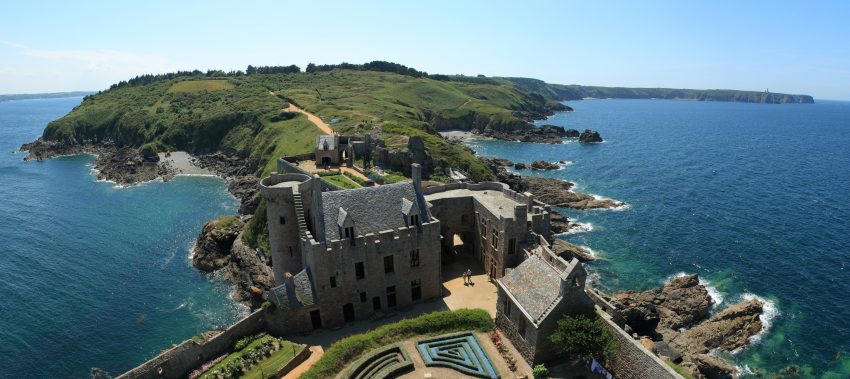
Fort La Latte (also known as Château de la Roche Goyon) is the sort of place that feels like it was designed for drama: a medieval fortress planted on a rocky headland, with cliffs dropping straight into the sea and the horizon doing its best to steal your attention. The pinkish stone, the drawbridge approach, and the constant salt air give it a powerful “edge of the world” energy that's hard to match anywhere else on Brittany's north coast.
If you're exploring this stretch of shoreline, Fort La Latte is one of the must-see places in Cap Fréhel, especially if you want a landmark that combines real history with big, cinematic views. It also slots beautifully into a walking tour of Cap Fréhel, because the coastal paths between the headland viewpoints and the fort are just as memorable as the castle itself.
Table of Contents
- History and Significance of the Fort La Latte
- Things to See and Do in the Fort La Latte
- How to Get to the Fort La Latte
- Practical Tips on Visiting the Fort La Latte
- Where to Stay Close to the Fort La Latte
- Is the Fort La Latte Worth Visiting?
- For Different Travelers
- FAQs for Visiting the Fort La Latte
- Nearby Attractions to the Fort La Latte
History and Significance of the Fort La Latte
Fort La Latte began life in the 14th century as a strategic stronghold built to control sea routes and protect this exposed section of coast. Its position is the key to everything: from the ramparts you can read the shoreline like a map, understanding why this headland mattered in periods when maritime movement meant power, trade, and threat all at once.
Across centuries, the fortress evolved as warfare changed. It weathered periods of conflict when Brittany’s coastline was contested, and later defensive upgrades reflected the shift toward artillery-era fortification, strengthening the site’s role as a coastal sentinel rather than just a noble residence.
Beyond military history, Fort La Latte has become a cultural icon for the region. Its silhouette-clean lines against the sea-has made it a favourite for artists and filmmakers, and it's easy to see why: even on an ordinary day, it looks like a film set you can walk into.
Things to See and Do in the Fort La Latte
The approach is half the experience. Crossing toward the entrance (especially when the wind is up and the sea is loud below) sets the tone, and once inside you can move through courtyards, towers, and defensive layers that make the castle feel like a puzzle built for protection.
Climb for the views whenever you can. The best moments are often from the ramparts and higher platforms, where the coastline opens up toward Cap Fréhel and the beaches around Sables-d’Or-les-Pins, and the sea feels close enough to touch. Bring your camera, but also give yourself a few quiet minutes just to watch the light change-the colour shifts here can be spectacular.
If you enjoy walking, plan to connect your visit with the coastal trail network. Many travellers pair the fortress with Cap Fréhel Lighthouse and do a section of the GR34, which turns the day into a proper “Brittany coastline” experience rather than a single attraction stop.
How to Get to the Fort La Latte
Fort La Latte is on the Emerald Coast near Cap Fréhel, and the most convenient airports for this area are Dinard-Pleurtuit-Saint-Malo (DNR) and Rennes-Saint-Jacques (RNS). For the best deals and a seamless booking experience, check out these flights to Saint-Malo on Booking.com. From either, you’ll usually continue by road to reach the coast, especially if you want to combine the fort with nearby viewpoints.
For rail connections, head to a larger station such as Lamballe or Saint-Brieuc, then continue by regional bus and/or taxi for the final stretch to Cap Fréhel and the fort.You can use SNCF Connect to check schedules, compare routes, and purchase tickets for National (SNCF ) and regional trains (TER). For a more streamlined experience, we recommend using Omio, which allows you to easily compare prices, schedules, and book tickets for both National and Regional travel across all of Europe, all in one place. Trains are great for reaching the region, but the last kilometres are rural, so coordinating with local transport matters.
Regional buses can work well in season, particularly routes that serve the Cap Fréhel area from nearby towns. If you're staying in Saint-Malo or Dinan, it's often easiest to treat buses as a backbone option and keep a taxi as a backup for the last leg when schedules are limited.
Driving is the simplest choice for flexibility, especially if you want to link Fort La Latte with Cap Fréhel and nearby beaches in one day.If you are looking to rent a car in France I recommend having a look at Discover Cars, first, as they compare prices and review multiple car rental agencies for you.
Practical Tips on Visiting the Fort La Latte
- Entrance fee: Adults: €8.50
- Opening hours: (Summer + Holidays) Daily: 10:30–18:30. (Winter) Daily: 11:00–17:00. Closed Part November & December:
- Official website: https://www.lefortlalatte.com/en
- Best time to visit: Late afternoon is ideal for softer light on the stone and fewer crowds, while clear mornings are best for long-distance sea views.
- How long to spend: Allow 1.5-2 hours for a relaxed visit inside the fort, or half a day if you’re pairing it with a coastal walk and Cap Fréhel viewpoints.
- Accessibility: Expect uneven surfaces, steps, and narrow passages typical of a medieval fortress; some areas may be challenging for visitors with limited mobility.
- Facilities: Plan for wind and changing weather, and consider bringing water and a snack if you’re combining the visit with the coastal paths.
Where to Stay Close to the Fort La Latte
For a culture-heavy itinerary with easy evenings, base yourself in Saint-Malo so you can stay central near the main sights; for a nature-first trip focused on cliffs, trails, and sunrise or sunset at the headland, staying around Plévenon/Fréhel is the best fit. If you want to be genuinely close to Cap Fréhel and keep mornings simple, Hôtel Le Trécelin is a practical base near the headland area. For a classic seaside stay near the dunes and beach atmosphere of Sables-d’Or-les-Pins, Hôtel de Diane pairs coastal charm with an easy run to the fort. If you prefer a livelier harbour town with more dining options, Hôtel Le Beauséjour makes a strong base for exploring this whole stretch of coast.
Is the Fort La Latte Worth Visiting?
Yes, because it delivers on multiple levels at once: real medieval atmosphere, a genuinely dramatic setting, and views that feel bigger than the usual “castle panorama.” Even if you’ve visited fortresses elsewhere in France, the cliff-top location makes this one feel distinctively Breton.
It’s also worth it because it turns a day trip into a full coastal experience. The fort isn’t isolated from its landscape-it’s part of it-so you come away remembering the wind, the light, the headland, and the sea as much as the stone walls.
What Other Travellers Say...

Fort la Latte (Château de La Roche Goyon) is a well-preserved sandstone medieval fortress perched on a rocky cliff above the Emerald Coast near Plévenon, offering panoramic sea and coastline views and the chance to climb towers for excellent photo vantage points; the site features thick walls, towers, dungeons and medieval war engines, informative signage in multiple languages, on-site toilets near the parking area and a short scenic walk from ample parking to the entrance, tickets are required and pets are allowed.


For Different Travelers
Families with Kids
Fort La Latte is excellent for families who like hands-on exploring, because it feels like a real fortress rather than a “look but don't touch” museum. The drawbridge approach and layered defences give kids a clear sense of story and adventure without needing much explanation.
The main thing is pacing: plan a shorter, focused route inside and save extra energy for viewpoints or a beach stop nearby. On windy days, bring warm layers and keep a close eye in exposed areas, as the sea-facing edges can feel intense.
Couples & Romantic Getaways
For couples, this is one of those places where the setting does most of the work: cliffs, sea spray, and a castle silhouette that looks especially dramatic in late-day light. It’s ideal for a slow, scenic afternoon that ends with a coastal drink or dinner nearby.
To make it feel special, pair the visit with a short GR34 walk or a stop at Cap Fréhel for a second viewpoint angle. The combination of history and landscape creates a day that feels both cinematic and grounded.
Budget Travelers
Fort La Latte is a strong budget choice if you build a full day around it, rather than treating it as a single paid stop. Combine the ticketed visit with free coastal walking and viewpoints, and you'll get a high-value experience with very little additional spend.
If you’re travelling without a car, focus on days when buses are more frequent (often summer and weekends) so you avoid expensive last-minute taxis. Bringing a picnic is also a smart move, because the best “dining room” here is the coastline itself.
History Buffs
History lovers will appreciate how clearly the site expresses defensive logic: approach control, layered gateways, and vantage points designed for surveillance. It’s the kind of fortress where you can stand in one spot and understand why a particular wall, tower, or angle exists.
To get the most from it, take your time and look for the transitions between eras-medieval structure versus later adaptations. Fort La Latte rewards visitors who slow down and read the architecture as evidence rather than decoration.
FAQs for Visiting the Fort La Latte
Getting There
Tickets & Entry
Visiting Experience
Tours, Context & Itineraries
Photography
Accessibility & Facilities
Nearby Attractions to the Fort La Latte
- Phare du Cap Fréhel: A dramatic lighthouse viewpoint that pairs perfectly with the fort for a full coastal panorama day.
- Cap Fréhel headland trails: Cliff-top walking with sea-bird energy and sweeping views in both directions along the coast.
- GR34 Sentier des Douaniers: One of Brittany's most iconic coastal paths, ideal for linking viewpoints and building a scenic mini-hike.
- Sables-d’Or-les-Pins: A wide sandy beach area that’s great for a relaxed break after windier headland exploring.
- Cap d’Erquy: Another rugged headland with excellent coastal scenery and a slightly quieter feel than Cap Fréhel.
The Fort La Latte appears in our Complete Guide to Visiting Saint-Malo!

Moira & Andy
Hey! We're Moira & Andy. From hiking the Camino to trips around Europe in Bert our campervan — we've been traveling together since retirement in 2020!
This website uses affiliate links which may earn a commission at no additional cost to you!
Planning Your Visit
(Summer + Holidays) Daily: 10:30-18:30.
(Winter) Daily: 11:00-17:00. Closed Part November & December:
Adults: €8.50
Nearby Attractions
- Phare du Cap Fréhel, Plévenon (3.0) km
Lighthouse - Château du Guildo (11.9) km
Castle - Promenade du Clair de Lune, Dinard (17.6) km
Walk - Plage de Bon-Secours (18.9) km
Beach - Tour Bidouane (18.9) km
Tower - Môle Des Noires Lighthouse (18.9) km
Lighthouse - Bastion de la Hollande (19.0) km
Tower - Maison du Québec (19.0) km
Arts Venue - Saint-Vincent Cathedral (19.1) km
Cathedral - Cité d’Alet (19.2) km
Historic Site