Chapelle de la Trinité, Saint-Émilion
Church in Saint-Émilion
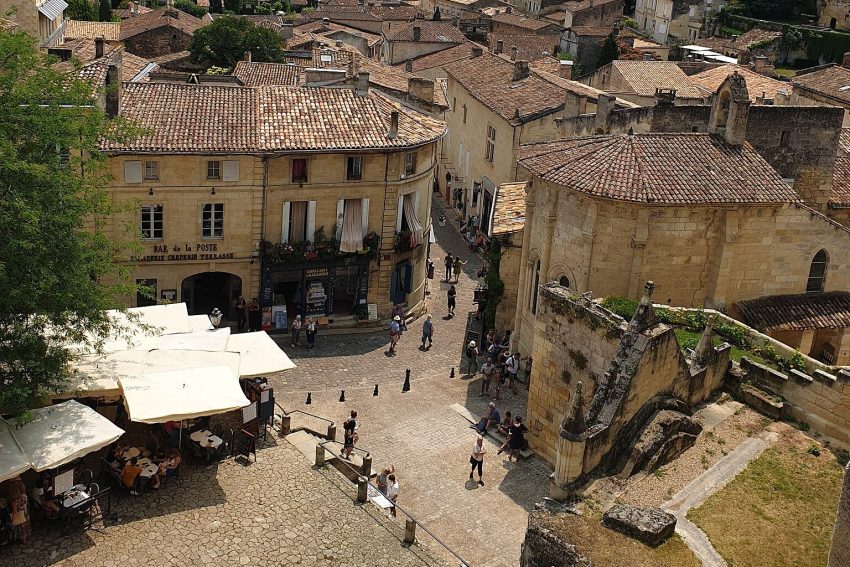
The Chapelle de la Trinité is one of Saint-Émilion's most atmospheric small monuments, largely because you cannot simply wander in off the street. This 13th-century chapel sits above the town's early hermitage tradition and is visited as part of the guided underground circuit, which means your first impression is not a façade but an interior: cool limestone, quiet vaults, and the sense of stepping into a preserved pocket of medieval devotion.
What makes it especially memorable is the combination of intimacy and artistry. The chapel is modest in scale, but the 14th-century paintings give it emotional weight, and the stop feels like a secret chapter tucked inside the broader underground experience. If you are building a walking tour of Saint-Émilion around places that feel genuinely distinctive, this is one of the must-see places in Saint-Émilion because it shows the town's spiritual origins in a way that the busier squares cannot.
Table of Contents
- History and Significance of the Chapelle de la Trinité
- Things to See and Do in the Chapelle de la Trinité
- How to Get to the Chapelle de la Trinité
- Practical Tips on Visiting the Chapelle de la Trinité
- Where to Stay Close to the Chapelle de la Trinité
- Is the Chapelle de la Trinité Worth Visiting?
- For Different Travelers
- FAQs for Visiting Chapelle de la Trinité
- Nearby Attractions to the Chapelle de la Trinité
History and Significance of the Chapelle de la Trinité
The chapel was built in the 13th century as an oratory connected to the memory of Saint Émilion, the hermit whose presence shaped the identity of the town in the early medieval period. That link matters because Saint-Émilion is not only a wine landscape and a beautiful village; it is also a place founded around a religious story, rooted in retreat, prayer, and the use of limestone spaces for shelter and worship.
Architecturally, the building sits in a transitional moment between Romanesque solidity and Gothic lightness. The apse is often cited as the oldest surviving portion, and even if you are not an architectural specialist, you can feel the shift in mood: rounded, grounded forms giving way to a slightly more vertical, refined medieval language.
Its lasting significance today is tied to preservation and access. Because the chapel is privately owned and fragile, it is protected through controlled entry on guided-tours, which helps explain why it still feels intact rather than overhandled. That guided context also makes the chapel easier to understand: it is not an isolated stop, but part of a connected underground narrative that includes the hermitage tradition and the limestone-carved monuments that define Saint-Émilion's most unusual heritage.
Things to See and Do in the Chapelle de la Trinité
The main reason to visit is the interior paintings. The 14th-century frescoes are the kind of detail you rarely expect to find preserved at this scale, and the guided format helps you notice composition, colour, and storytelling rather than simply glancing and moving on.
Take a moment to absorb the atmosphere as much as the art. The chapel’s stone surfaces, vaulted ceiling, and subdued light create a sense of quiet that feels genuinely different from the town’s busy lanes, and it is often the most contemplative stop on the underground route.
Finally, use the chapel as a “meaning-maker” for the rest of your visit. After seeing the paintings and hearing the hermitage story, the wider town reads differently: churches, gates, and even street alignments feel less like scenery and more like layers built over a founding narrative.
How to Get to the Chapelle de la Trinité
Most visitors arrive via Bordeaux-Mérignac Airport (BOD), with Bergerac Dordogne Périgord Airport (EGC) also useful for some routes. For the best deals and a seamless booking experience, check out these flights to Saint-Émilion on Booking.com. From there, you will typically connect onward to Saint-Émilion via Bordeaux or Libourne and then explore the historic centre on foot.
By train, the usual approach is to travel via Bordeaux Saint-Jean to Saint-Émilion station (or via Libourne), then walk uphill into the village or take a short taxi for the climb. You can use SNCF Connect to check schedules, compare routes, and purchase tickets for National (SNCF ) and regional trains (TER). For a more streamlined experience, we recommend using Omio, which allows you to easily compare prices, schedules, and book tickets for both National and Regional travel across all of Europe, all in one place. The Underground tour commonly starts from the area around Place de l'Église Monolithe, so once you are in the historic centre, everything becomes walkable.
Local buses can help with regional connections, but they are less reliable for timing a booked guided visit, so many travellers keep buses as a secondary option and plan around trains and taxis for the final leg.
If you are driving, park outside the medieval core and walk in, allowing extra time because the historic centre is steep and parking can be slower than it looks on a map. If you are looking to rent a car in France I recommend having a look at Discover Cars, first, as they compare prices and review multiple car rental agencies for you.
Practical Tips on Visiting the Chapelle de la Trinité
- Entrance fee: €15 per adult.
- Opening hours: Access only with the guided Saint-Émilion Underground. Tour English Tours Daily: 14:00 see Monolithic Church of Saint-Émilion.
- Official website: https://www.saint-emilion-tourisme.com/fr/loisir/fiche/1881
- Best time to visit: Aim for a morning slot if you prefer a calmer pace, or a mid-afternoon visit if you want the underground coolness as a break from walking the lanes.
- How long to spend: The chapel is a short stop within the larger underground circuit, so plan around 45-60 minutes for the full guided experience.
- Accessibility: Expect steps and uneven limestone surfaces as part of the underground route, and plan accordingly if you are sensitive to confined spaces.
- Facilities: Facilities are not inside the underground monuments, so use cafés and public amenities near the main squares before your tour time.
Where to Stay Close to the Chapelle de la Trinité
For a culture-heavy itinerary, the best base is inside Saint-Émilion’s medieval centre so you can walk to the main monuments and join guided visits without transport stress; if your main focus is vineyard touring and day trips, staying just outside the village is often better for parking, quieter nights, and quick access to surrounding estates.
If you want to be right in the historic atmosphere and close to tour meeting points, Logis de la Cadène is a strong central base. For a comfortable stay that keeps you within easy walking distance of the main squares and lanes, Hôtel Palais Cardinal works well for a walk-everywhere itinerary. If you prefer a calmer setting while staying close enough to dip into town easily, Château Hôtel Grand Barrail is a good option for balancing sightseeing with downtime.
Is the Chapelle de la Trinité Worth Visiting?
Yes, particularly if you want to understand what makes Saint-Émilion truly different from other beautiful stone towns. The chapel is not a standalone “big sight,” but within the underground visit it becomes a highlight: intimate, preserved, and emotionally resonant thanks to the medieval paintings and the hermitage story behind the town's name.
It is also a smart choice if you want a structured experience amid otherwise free-form wandering. The guided format adds context and ensures you see a protected monument at its best, rather than trying to interpret it from the outside.
What Other Travellers Say...

Monolithic Church of Saint-Emilion sits in the center of Saint-Émilion and is an underground church carved from limestone, featuring a 68 m bell tower; visitors recommend taking the guided tour (available in multiple languages) that leads through several sections including a striking subterranean area, collecting a key from the information desk and noting that small groups are admitted so it isn't crowded; reviewers praise the medieval architecture and knowledgeable staff, advise wearing flat shoes for the town's cobblestone streets, and often climb the tower as part of the visit.


For Different Travelers
Families with Kids
This visit can work well for families if your kids are comfortable with guided settings and underground spaces. The paintings give the stop a clear “look for this” focus, which can be easier for children than long architectural explanations.
To make it smoother, treat the underground tour as a contained activity between outdoor wandering. A snack break beforehand and a clear expectation that it is a guided, keep-together experience usually makes the visit more enjoyable.
Couples & Romantic Getaways
For couples, the chapel often feels like the most quietly special moment of the underground route. The atmosphere is naturally intimate, and the contrast between busy lanes above and calm stone spaces below adds a memorable rhythm to the day.
It also pairs well with a slower itinerary. Do the underground visit first for depth and context, then return to the lanes for a relaxed drink or dinner with the feeling that you have seen Saint-Émilion from the inside out.
Budget Travelers
If you are choosing just one paid cultural experience in Saint-Émilion, the underground visit that includes the chapel is a strong candidate because it bundles multiple monuments into a single ticket. It gives you variety and a distinctive “only here” story, which is hard to replicate with free street-level wandering alone.
Balance it by keeping the rest of your day simple and free: viewpoints, gates, and lanes, with one paid tour as your anchor. That approach keeps costs controlled while still delivering a full, satisfying understanding of the town.
FAQs for Visiting Chapelle de la Trinité
Getting There
Tickets & Entry
Visiting Experience
Tours, Context & Itineraries
Photography
Accessibility & Facilities
Food & Breaks Nearby
Safety & Timing
Nearby Attractions to the Chapelle de la Trinité
- Monolithic Church of Saint-Émilion: The headline underground monument carved from limestone, offering scale and atmosphere that defines the town.
- Tour du Roy: A medieval keep with a climbable rooftop viewpoint that delivers classic vineyard-and-rooftop panoramas.
- Place de l'Église Monolithe: The village's central square and easiest orientation point, framed by terraces and the bell tower skyline.
- Collégiale Saint-Émilion and Cloister: A major church complex where architecture and quiet courtyards provide a slower, reflective stop.
- Cloître des Cordeliers: A medieval cloister with limestone cellars and a sparkling-wine experience that blends history with local taste.
The Chapelle de la Trinité appears in our Complete Guide to Visiting Saint-Émilion!

Moira & Andy
Hey! We're Moira & Andy. From hiking the Camino to trips around Europe in Bert our campervan — we've been traveling together since retirement in 2020!
This website uses affiliate links which may earn a commission at no additional cost to you!
Planning Your Visit
Access only with the guided Saint-Émilion Underground.
Tour English Tours Daily: 14:00 see Monolithic Church of Saint-Émilion.
€15 per adult.
Nearby Attractions
- Hermitage of Saint Emilion (0.0) km
Religious Building - Monolithic Church of Saint-Émilion (0.0) km
Church - Place de l’Église Monolithe (0.0) km
Square - Bell Tower of the Monolithic Church (0.0) km
Tower - Logis de Malet (0.1) km
Historic Building - Washhouses of Saint-Émilion (0.1) km
Historic Site - Porte de la Cadène (0.1) km
City Gate - Cloître des Cordeliers (0.1) km
Convent - Collegiate Church of Saint-Émilion (0.1) km
Church - Tour du Roy (0.1) km
Castle and Tower