Castle of Monterosso, Monterosso al Mare
Castle in Monterosso al Mare
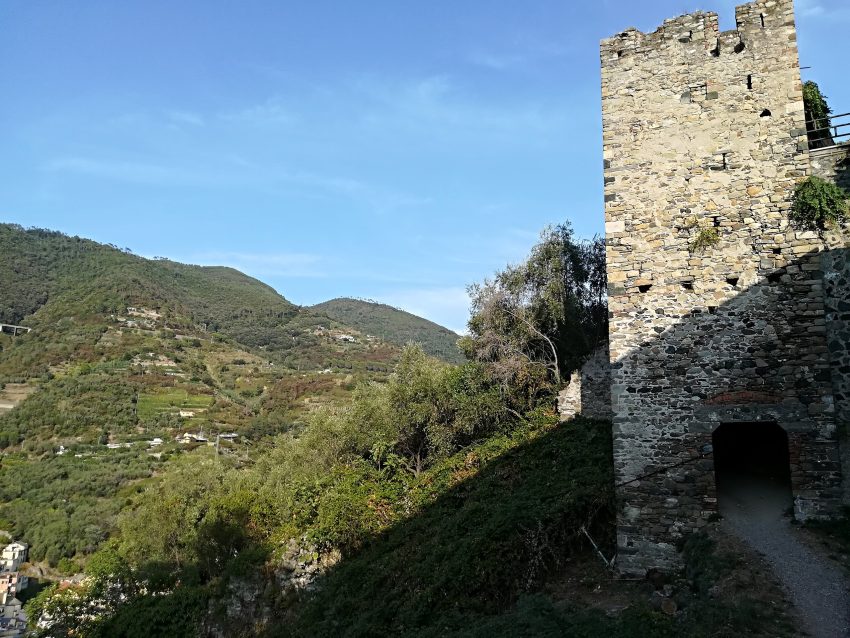
High above the bays of Monterosso al Mare, the Castle of Monterosso clings to the rocky slopes of San Cristoforo hill, its ruined walls and towers quietly watching over the sea. Once the ancient castrum of the Obertenghi, possibly founded by Lombard settlers as early as the seventh century, this was the original defensive heart of Monterosso. From here, local lords such as the Lagneto family could control the coastline and inland routes, long before the colourful houses and sun umbrellas of modern Cinque Terre appeared. Today, the complex has largely faded and now serves as the village's atmospheric municipal cemetery, where tombs lie amid the remains of the medieval walls.
The Republic of Genoa transformed the site into a powerful fortress in the early 13th century, strengthening the village against Saracen incursions and rival maritime powers. After a brief clash with Pisa, Monterosso returned permanently to Genoese control in 1254 and became part of an impressive coastal defence network. By the 16th century, the castle was supported by thirteen towers and a curtain wall, parts of which survive in the bell tower of San Giovanni Battista, the Aurora Tower below San Cristoforo hill, and the tower near Il Gigante at Fegina. Walking among the graves and broken battlements today, with the sea crashing below, you are reminded that this quiet corner of the Cinque Terre was once a strategic frontline. Visiting the castle is one of the things to do in Monterosso al Mare if you want to understand the village beyond its beaches.
Table of Contents
- History and Significance of the Castle of Monterosso
- Things to See and Do in the Castle of Monterosso
- How to Get to the Castle of Monterosso
- Practical Tips on Visiting the Castle of Monterosso
- Where to Stay close to the Castle of Monterosso
- Is the Castle of Monterosso Worth Visiting?
- FAQs for Visiting the Castle of Monterosso
- Nearby Attractions to the Castle of Monterosso
History and Significance of the Castle of Monterosso
The story of the Castle of Monterosso begins with the Obertenghi, a powerful feudal family whose castrum may date back to Lombard times in the early Middle Ages. Perched on a natural stronghold above the coast, the site provided an ideal lookout over the sea and a safe retreat for villagers during raids. Over time, the castle likely passed through the hands of local lords such as the Lagneto family, reflecting the shifting allegiances and power struggles that characterised medieval Liguria.
In the early 13th century, the Republic of Genoa recognised Monterosso's importance as both a harbour and a defensive outpost. To protect its maritime routes and coastal possessions, Genoa fortified the village, expanding the castle and integrating it into a broader system of walls and towers. The castle and its defences helped shield Monterosso from Saracen piracy and later from rival city-states like Pisa. Although Monterosso fell briefly under Pisan control, the Genoese soon reasserted dominance, and in 1254 the castle definitively returned to their hands.
By the 16th century, the defensive system was at its peak. Thirteen towers and a robust curtain wall encircled the settlement, with the castle as its core. While most of this network has vanished, significant fragments remain: the current bell tower of San Giovanni Battista began life as a watchtower, the Aurora Tower below San Cristoforo hill guarded the narrow passage between the two bays, and another tower stands near the Giant statue at Fegina. These surviving pieces, together with the castle ruins, form an open-air archive of Monterosso's military past. Today, the castle's modern role as a cemetery places the memory of the village's inhabitants side by side with the stones that once defended them, giving the site a poignant double meaning.
Things to See and Do in the Castle of Monterosso
Visiting the Castle of Monterosso is less about grand monuments and more about atmosphere and views. As you climb the paths up San Cristoforo hill, the village falls away below, and the sea opens out in sweeping blue. At the top, you reach the cemetery that now occupies the castle's site, a serene space dotted with family tombs, flowers, and quiet corners to sit and reflect. Among the graves, you can still see sections of ancient walls, fragments of battlements, and the remains of three ruined towers, hints of the citadel that once stood guard here.
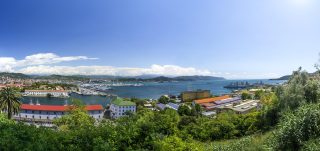
Take your time to wander along the paths that edge the hillside. From various points you can look down on both sides of Monterosso: the long Fegina beach with its railway line and Il Gigante, and the smaller bay of the old town with its church, square, and harbour. On clear days, the views stretch along the Cinque Terre coastline, and you can easily imagine why Genoese engineers chose this vantage point for their fortress. The contrast between crumbling stones, white tombs, and sparkling sea makes this a rewarding place for photography and quiet contemplation.
Exploring the castle area also helps you connect the dots between Monterosso's surviving defensive structures. From the hill, you can trace the line of sight between the old watchtower that became the campanile of San Giovanni Battista, the Aurora Tower below marking the divide between old and new town, and the tower near Il Gigante guarding the far end of Fegina. Seen together, these elements reveal the logic of a coordinated coastal defence. The castle, with its cemetery and ruins, is a highlight of any walking tour of Monterosso al Mare that aims to go beyond the sea-level promenade and into the town's layered history.
How to Get to the Castle of Monterosso
The Castle of Monterosso is located on the slopes of San Cristoforo hill above the old town, reachable on foot via stepped lanes and paths that wind up from the village centre and seafront. The nearest major airports are Genoa Cristoforo Colombo and Pisa International, both of which offer trains and road connections along the Ligurian coast to the Cinque Terre. For the best deals and a seamless booking experience, check out these flights to Monterosso al Mare on Booking.com.
From either airport, you can take a train to La Spezia or Levanto and transfer to a regional service that stops at Monterosso al Mare; from the station, walk through the old town and follow signs or local directions up towards the cemetery and castle site.Use Omnio to easily compare schedules, book train tickets, and find the best prices all in one place for a hassle-free journey across Italy. The climb is steep in places but manageable for most reasonably fit visitors, and the views improve with every turn.
If you are travelling by car, parking is generally found at the edge of Monterosso, from where you walk down into the village and then up the hill to the castle.If you are looking to rent a car in Italy I recommend having a look at Discover Cars, first, as they compare prices and review multiple car rental agencies for you. Roads are narrow and can be busy in high season, so many visitors prefer to leave the car in larger towns and rely on trains while in the Cinque Terre.
Practical Tips on Visiting the Castle of Monterosso
- Suggested tips: Wear comfortable shoes and bring water for the steep walk up San Cristoforo hill, especially in warm weather.
- Best time to visit: Early morning or late afternoon offers cooler temperatures and soft light over the sea and village; sunset can be particularly beautiful from this height.
- Entrance fee: Visiting the cemetery and castle ruins is free.
- Opening hours: Access follows typical cemetery visiting hours.
- How long to spend: Allow 45-90 minutes for the walk up, time at the top to explore and enjoy the views, and the walk back down.
- Accessibility: The route involves steep paths and stairs, making it challenging for visitors with mobility issues; there is little shade on some stretches, so sun protection is important.
- Facilities: There are no tourist facilities at the castle itself; cafés, restrooms, and shops are available in the old town and along the seafront below.
- Photography tip: Look for vantage points where you can frame both bays of Monterosso in a single view, with fragments of wall or tower in the foreground to anchor the image.
- Guided tours: Some local guides include the castle and cemetery on historical walks, which can provide deeper context about Monterosso’s defensive system and families buried here.
- Nearby food options: Plan to eat and drink in the old town after your visit; trattorias, wine bars, and gelaterie cluster around the main square and lanes just below the hill.
Where to Stay close to the Castle of Monterosso
Staying in the old town of Monterosso al Mare puts you closest to the paths leading up to the Castle of Monterosso. For a characterful base in the historic lanes, within walking distance of both the hill and the beach, Albergo Degli Amici is a great choice. If you would like dramatic sea views and a quiet setting just above the coastline, Hotel Porto Roca offers a clifftop retreat with easy access to the old town. For a relaxed atmosphere near the Fegina side while still being a pleasant stroll from the castle paths, Hotel Villa Adriana combines gardens, a pool, and convenient access to the station and seafront.
Is the Castle of Monterosso Worth Visiting?
Yes, the Castle of Monterosso is definitely worth the climb if you want to see a quieter, more reflective side of the Cinque Terre. It may not offer intact battlements or reconstructed halls, but its power lies in the combination of ruined walls, sea views, and the peaceful cemetery that now occupies the site. Standing up here, you get a real sense of how Monterosso has evolved from a fortified castrum to a fishing village and finally to a beloved holiday town. The castle completes the story suggested by the surviving towers and coastal defences, making your understanding of Monterosso much richer than if you stayed only at beach level.
FAQs for Visiting the Castle of Monterosso
Nearby Attractions to the Castle of Monterosso
- Capuchin Monastery and Cemetery: A peaceful complex further along San Cristoforo hill, with beautiful viewpoints over Monterosso and the Cinque Terre coast.
- Church of San Giovanni Battista: Monterosso's main church in Ligurian Gothic style, with a striking striped façade and rose window in the old town.
- Aurora Tower: A former coastal defensive tower below the hill, marking the divide between Fegina and the old town beaches.
- Il Gigante: The weathered Neptune statue at the far end of Fegina beach, a dramatic reminder of early 20th-century seaside grandeur.
- Monterosso Old Town and Beaches: The lively heart of the village, with narrow streets, cafés, shops, and access to both the old town bay and Fegina’s long sandy beach.
The Castle of Monterosso appears in our Complete Guide to Visiting Monterosso al Mare!

Moira & Andy
Hey! We're Moira & Andy. From hiking the Camino to trips around Europe in Bert our campervan — we've been traveling together since retirement in 2020!
This website uses affiliate links which may earn a commission at no additional cost to you!
Planning Your Visit
Access follows typical cemetery visiting hours.
Visiting the cemetery and castle ruins is free.
Nearby Attractions
- Oratorio Mortis et Orationis (0.2) km
Church - Church of San Giovanni Battista (0.2) km
Church - Aurora Tower (0.3) km
Tower - Spiaggia di Fegina (0.3) km
Beach - Statua del Gigante (0.7) km
Statue - Santuario di Nostra Signora di Soviore (1.8) km
Church - Castello Doria and Belforte Tower (2.7) km
Castle and Tower - Sanctuary of Nostra Signora di Reggio, Cinque Terre (2.9) km
Church - Santuario di Nostra Signora delle Grazie (4.3) km
Religious Building - Oratory of the Disciplinati di Santa Caterina (5.4) km
Church