Casa Judía, Valencia
Attraction, Historic Building and Notable Building in Valencia
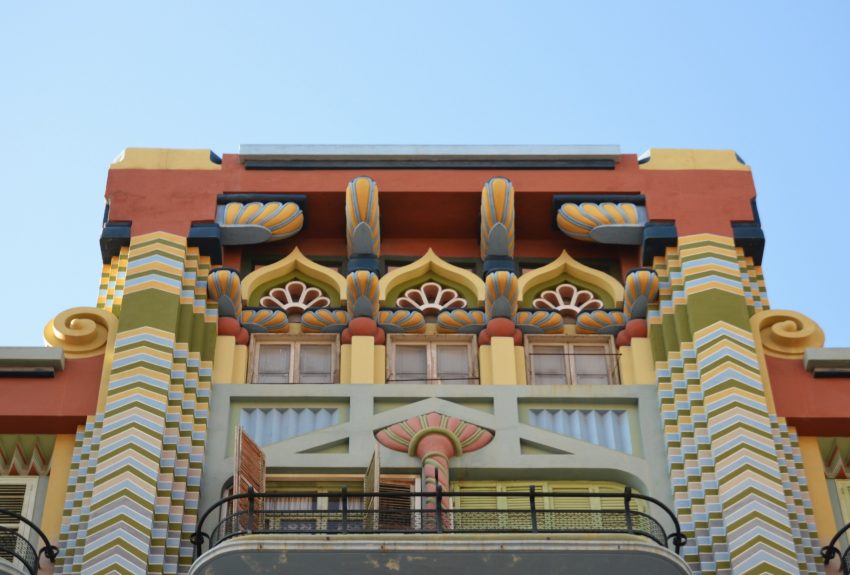
Casa Judía (the “Jewish House”) is one of Valencia's most eye-catching Art Deco facades, tucked into the Eixample district and surrounded by otherwise ordinary apartment blocks. It's a residential building, so the experience is all about appreciating the exterior details from the street rather than visiting an interior exhibition.
It works best as a quick stop on a self-guided architecture walk or as a detour while exploring nearby neighborhoods on foot. For the best views, step back across the street to take in the full vertical composition, then move closer to spot the symbolic motifs around the entrance.
Table of Contents
- History and Significance of the Casa Judía
- Things to See and Do in the Casa Judía
- How to Get to the Casa Judía
- Practical Tips on Visiting the Casa Judía
- Where to Stay Close to the Casa Judía
- Is the Casa Judía Worth Visiting?
- For Different Travelers
- FAQs for Visiting Casa Judía
- Nearby Attractions to the Casa Judía
History and Significance of the Casa Judía
Casa Judía was built in 1930, during a period when Valencia's urban expansion encouraged ambitious residential architecture and decorative experimentation. Its popular name comes from the Jewish symbolism incorporated into the facade, most notably the Star of David near the entrance.
Architecturally, it’s a local Art Deco landmark with an unusually eclectic mix of references. Alongside the streamlined Deco geometry, you’ll notice ornamental cues that evoke a broader “exotic” vocabulary—elements that feel Orientalist, Arabic, Egyptian, and other historic styles—layered into a single, theatrical street presence.
Beyond aesthetics, the building has become a small but meaningful point on Valencia’s cultural map: a reminder that identity, symbolism, and modern city life often intersect in subtle ways, even on an everyday residential street.
Things to See and Do in the Casa Judía
Start with the facade as a whole: the building reads best from a distance, where you can see how the decorative bands, window rhythms, and upper crown-like details stack upward. It’s a great example of how Art Deco can be both geometric and richly ornamental at the same time.
Next, move in for the details around the entry. Look for the Star of David and other stylized motifs that give the house its nickname, plus the mix of textures and shapes that make the building feel more like a set piece than a typical apartment block.
Finally, plan your viewing time for atmosphere. Many travelers find it most photogenic later in the day when the light is softer; if you’re chasing the “glowing facade” look you may have seen in photos, evening can be especially rewarding.
How to Get to the Casa Judía
Valencia is served by Valencia Airport (VLC), with additional options via Alicante–Elche Airport (ALC) if you're combining destinations along Spain's east coast. For the best deals and a seamless booking experience, check out these flights to Valencia on Booking.com.
By rail, Valencia is well connected to major Spanish cities via Estació del Nord and Joaquín Sorolla station, making it easy to arrive by high-speed or regional train and continue by metro, bus, taxi, or on foot to the Eixample area.Train schedules and bookings can be found on Omio.
If you’re traveling by car, expect limited street parking and prefer a paid garage nearby, then walk the last few minutes to the building.If you are looking to rent a car in Spain I recommend having a look at Discover Cars, first, as they compare prices and review multiple car rental agencies for you.
Practical Tips on Visiting the Casa Judía
- Entrance fee: Free.
- Opening hours: 24 Hours.
- Best time to visit: Go in late afternoon or early evening for softer light and a more dramatic look to the facade; midday can feel flatter in photos.
- How long to spend: 10–20 minutes is usually enough for a careful look and photos, especially if you’re pairing it with an architecture walk.
- Accessibility: Viewing is from the public sidewalk; surfaces are generally flat, but space can feel tight depending on traffic and parked cars.
- Facilities: There are no visitor facilities on-site since it’s residential; plan for cafés and restrooms in the surrounding neighborhood.
Where to Stay Close to the Casa Judía
Base yourself in Eixample/Ruzafa for the easiest walking access and a great mix of cafés, architecture, and local nightlife.
If you want a polished, central stay with classic Valencia elegance, consider a landmark-style hotel that makes it easy to combine the old town with Eixample strolls. For a more design-forward trip, boutique options around Ruzafa put you close to food spots and a lively evening scene while keeping Casa Judía an easy walk away.
Only YOU Hotel Valencia Chosen for its stylish, modern-luxe vibe and walkable access to both the historic center and Eixample architecture.
Caro Hotel Included for a high-end, character-rich stay that pairs well with an architecture-focused itinerary.
Vincci Lys A practical, comfortable pick near key transport links, ideal if you’re arriving by train and want easy city access.
Catalonia Excelsior Great value for a central location, making quick photo stops and evening walks simple.
Hotel Dimar A strong mid-range choice in the Eixample area, convenient for exploring Valencia’s early 20th-century streetscapes.
Is the Casa Judía Worth Visiting?
Yes—Casa Judía is worth visiting if you enjoy architecture, street photography, or collecting Valencia's lesser-known Art Deco highlights. It's a small stop, but the facade is distinctive enough to feel like a “find,” especially when you notice the symbolic details up close.
Honest Pivot: if you prefer attractions you can enter (museums, monuments with viewpoints, guided interiors), you may find this underwhelming because it’s residential and the visit is strictly exterior. In that case, treat it as a quick photo stop only if you’re already nearby.
What Other Travellers Say...

Travelers rate Casa Judía highly overall, praising its distinctive Art Deco facade and the mix of symbolic, eclectic decorative details that make it stand out in the neighborhood. Many visitors enjoy it as a quick photo stop and a highlight on a self-guided architecture walk. Common drawbacks are that it's a residential building so you can't go inside, there's little to no information posted outside, and some people find it looks a bit worn or less impressive in harsh daytime light compared with evening photos.


For Different Travelers
Casa Judía is a niche-but-rewarding stop that fits neatly into a neighborhood wander. It's most satisfying when you approach it as part of a broader Valencia architecture route rather than a standalone destination.
Families with Kids
Kids who like “spot-the-symbol” games can enjoy looking for shapes and decorative details on the facade. Because the stop is short, it works well between parks, snack breaks, or other kid-friendly sights.
Do keep a close eye on traffic and curb space while you’re taking photos. A quick plan—look from across the street, then step in for details—helps keep it smooth.
Couples & Romantic Getaways
For couples, Casa Judía is a great “off-the-main-list” moment: a short walk, a few photos, and then a café stop nearby. The building's evening look can feel especially cinematic if you time it with golden hour.
Pair it with a relaxed neighborhood stroll through Eixample/Ruzafa for a low-effort, high-reward mini itinerary. It’s a nice contrast to the grander monuments in the old town.
Budget Travelers
This is an easy win for budget travelers because it's essentially a free street-side sight. You can fold it into a DIY walking tour and spend your money on food markets, museums, or a day trip instead.
To maximize value, combine it with other nearby facades and plazas so you’re not crossing the city for a single photo. A simple route plan also saves time and transit costs.
History Buffs
History buffs will appreciate how the building reflects Valencia’s interwar-era urban growth and the popularity of Art Deco as a modern style. The symbolic elements also open the door to learning more about the city’s layered cultural history.
Because there’s limited on-site interpretation, it’s best enjoyed with a bit of context in mind or as part of a themed architecture walk. You’ll get the most out of it by slowing down and reading the facade like a historical document.
FAQs for Visiting Casa Judía
Getting There
Tickets & Entry
Visiting Experience
Tours, Context & Itineraries
Photography
Accessibility & Facilities
Food & Breaks Nearby
Safety & Timing
Nearby Attractions to the Casa Judía
- Ruzafa (Russafa): A lively neighborhood for cafés, dining, and an evening stroll after your architecture stop.
- Mercado de Colón: A beautifully restored modernist market hall that's great for a snack or coffee break.
- Estació del Nord: Valencia's grand historic train station with decorative details worth a quick look.
- Plaza del Ayuntamiento: A central square that anchors many city walks and seasonal events.
- Turia Gardens (Jardín del Turia): A long, green park corridor ideal for walking or cycling between neighborhoods.
The Casa Judía appears in our Complete Guide to Visiting Valencia!

Moira & Andy
Hey! We're Moira & Andy. From hiking the Camino to trips around Europe in Bert our campervan — we've been traveling together since retirement in 2020!
This website uses affiliate links which may earn a commission at no additional cost to you!
Planning Your Visit
24 Hours.
Free.
Nearby Attractions
- Taurino (0.1) km
Bullring, Historic Building and Museum - Plaza de Toros (0.3) km
Attraction, Bullring and Historic Building - Estacion del Norte (0.3) km
Historic Building, Railway and Train Station - Mercadillo de Ruzafa (0.4) km
Bazaar and Market - Edificio de Correos y Telegrafos (0.5) km
Attraction and Historic Building - Ayuntamiento (0.6) km
Attraction, Historic Building and Town Hall - Plaza del Ayuntamiento (0.6) km
Area, Square and Town Hall - Mercado de Colon (0.7) km
Historic Building and Market - Centro de Artesania (0.7) km
Arts Venue, Museum and Shop - Iglesia de San Juan de la Cruz (0.8) km
Church, Historic Building and Religious Building