Picasso’s Last Barcelona Studio
Attraction, Shop and Street in Barcelona
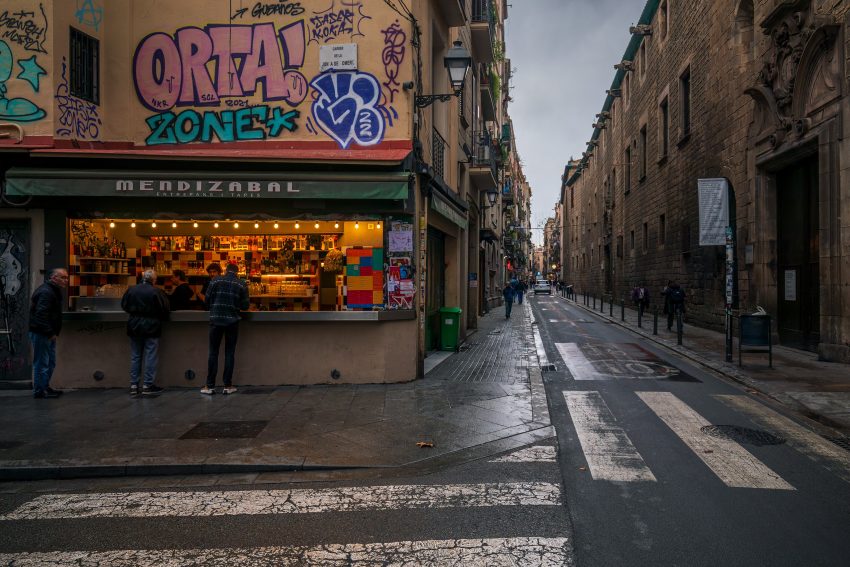
Tucked into El Born, Carrer del Comerc, 28 is one of those addresses that doesn't shout for attention, but lands differently once you know what happened here. This is the building associated with Picasso's final studio in Barcelona-an end-of-an-era place marker you can stand in front of in minutes, then continue on to bigger-ticket highlights nearby.
It's best visited as part of a short Picasso-themed walking tour through the old city: pair it with the Museu Picasso for the art, then use this stop for the “context” moment-where the city's everyday streets and stairwells start to feel like part of the story.
Table of Contents
- History and Significance of the Picasso’s Last Barcelona Studio
- Things to See and Do in the Picasso’s Last Studio
- How to Get to the Picasso’s Last Studio
- Practical Tips on Visiting the Picasso’s Last Studio
- Where to Stay Close to the Picasso’s Last Studio
- Is the Picasso’s Last Studio
- For Different Travelers
- FAQs for Visiting Picasso’s Last Studio
History and Significance of the Picasso’s Last Barcelona Studio
In early 1904, Picasso was working in Barcelona at a moment of transition, and this address is tied to the closing chapter of his life in the city before leaving permanently for Paris in April 1904. The studio space was lent to him by the Catalan sculptor Pau Gargallo, a figure connected to Barcelona's wider modernist ecosystem, which gives the location an extra layer beyond “Picasso slept here.”
The building is also linked to painter Isidre Nonell, whose influence on Picasso is often described less as stylistic imitation and more as a shared thematic gravity-an interest in real people, real streets, and the emotional weight of everyday life. In practical terms, that means this is a great stop if you like your art history grounded in place, not just gallery walls.
Because this is an address rather than a formal museum room, the significance is interpretive: you're here to anchor a timeline. It's the kind of stop that makes the rest of El Born feel more legible-suddenly, the walk between points matters, not just the points themselves.
Things to See and Do in the Picasso’s Last Studio (Carrer del Comerç, 28)
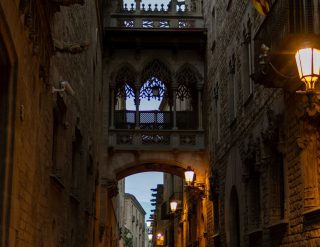
Start by simply finding the number and taking a slow look at the street scene. The value here is atmosphere: narrow lanes, textured façades, and the sense of working life in the old city. It's a quick pause, but it reframes your mental map of “Picasso in Barcelona” as something lived rather than curated.
Use this as a prompt-stop: if you're doing a Picasso trail, open a notes app and jot down what you've already seen that day (or plan to see next) and how it connects-Els Quatre Gats for the social world, the Museu Picasso for the works, and this address for the hinge point where Barcelona ends and Paris begins.
If you want to turn the stop into something more satisfying, make it a two-part moment: visit this address, then walk onward to the Museu Picasso to compare the street-level reality with the museum narrative. The contrast is the point-quiet location first, masterpieces second.
How to Get to the Picasso’s Last Studio (Carrer del Comerç, 28)
The nearest major airport is Barcelona-El Prat (BCN), with straightforward transfers into the city by Aerobús, metro, or taxi. For the best deals and a seamless booking experience, check out these flights to Barcelona on Booking.com. Girona (GRO) and Reus (REU) can also work for budget flights, but they add transfer time.
If you're arriving by rail, Barcelona Sants is the main hub; from there, take the metro (L4 to Jaume I is usually the simplest for El Born) or a short taxi ride. Train schedules and bookings can be found on Omio. Estació de França is closer on the map and can be convenient if you’re on regional services.
Local transit is easy: metro stations like Jaume I (L4) or Arc de Triomf (L1) put you within a comfortable walk, and the final approach is best done on foot to absorb the neighborhood.
Driving is rarely worth it in El Born due to limited parking, one-way streets, and pedestrian-heavy lanes; if you must come by car, aim for a paid parking garage on the edge of Ciutat Vella and walk the last stretch. If you are looking to rent a car in Spain I recommend having a look at Discover Cars, first, as they compare prices and review multiple car rental agencies for you.
Practical Tips on Visiting the Picasso’s Last Studio (Carrer del Comerç, 28)
- Entrance fee: Free.
- Opening hours: 24 Hours to view from street.
- Official website: https://museupicassobcn.cat/en/picasso-i-barcelona/itinerari-virtual-per-la-barcelona-de-picasso
- Best time to visit: Early morning for quieter streets, or late afternoon when the neighborhood feels lively without being peak-crowded.
- How long to spend: 10-15 minutes is enough as a standalone stop; 45-90 minutes if you're linking it into a mini-route through El Born.
- Accessibility: Streets can be uneven with narrow sidewalks; it’s manageable, but expect some rough paving and occasional crowd pinch-points.
- Facilities: No dedicated visitor facilities at the address-plan cafés and restrooms around nearby museums, plazas, or larger attractions.
Where to Stay Close to the Picasso’s Last Studio (Carrer del Comerç, 28)
For a culture-heavy itinerary, base yourself in El Born or the Gothic Quarter for walkable access to museums and the historic core; for a transport-first trip, choose around Plaça de Catalunya or Barcelona Sants for faster city-wide connections.
In El Born, K+K Hotel Picasso El Born is well-placed for park-side walks and quick access into the old city. For a sleek, adults-oriented option a short stroll away, Hotel REC Barcelona - Adults Only works well if you like a modern base near Arc de Triomf and the edge of the historic lanes.
If you want a rooftop-leaning boutique feel close to the Gothic Quarter border, H10 Montcada puts you within easy walking distance of El Born while keeping you near major transit corridors.
Is the Picasso’s Last Studio (Carrer del Comerç, 28) Worth Visiting?
Yes-if you enjoy travel that connects art to real streets. It's a low-effort, high-context stop that makes a Picasso-themed day feel more complete, especially when paired with the Museu Picasso and a wander through El Born.
Honest pivot: skip it if you only want “enterable” attractions or you’re rushing through highlights; this is an address-and-story stop, not an interior experience, and it won’t compete with Barcelona’s major museums if your time is tight.
For Different Travelers
Families with Kids
Treat it as a quick “story stop” rather than a destination: a 5-minute pause, a simple “Picasso worked here before moving to Paris,” then move on to a more interactive nearby attraction like a park, market, or museum with kid-friendly pacing. If you're doing a walking route, keep snacks and a flexible plan-El Born is stimulating, but the narrow streets can tire kids quickly.
Couples & Romantic Getaways
This stop works well as a quiet, slightly hidden moment in an El Born stroll-especially if you're pairing it with Santa Maria del Mar and a café stop afterward. Think of it as a tone-setter: less checklist, more “we're walking through a real chapter of the city.”
Budget Travelers
It’s ideal: free, central, and naturally bundled with other low-cost experiences like neighborhood wandering, viewpoints, and plazas. Use it to build a self-guided art walk-spend money on one anchor ticket (like the Museu Picasso) and fill the rest of the day with atmospheric, no-fee stops.
FAQs for Visiting Picasso’s Last Studio (Carrer del Comerç, 28)
Getting There
Visiting Experience
Tours, Context & Itineraries
Photography
The Picasso’s Last Barcelona Studio appears in our Complete Guide to Visiting Barcelona!

Moira & Andy
Hey! We're Moira & Andy. From hiking the Camino to trips around Europe in Bert our campervan — we've been traveling together since retirement in 2020!
This website uses affiliate links which may earn a commission at no additional cost to you!
Planning Your Visit
24 Hours to view from street.
Free.
Nearby Attractions
- Museu de la Xocolata (0.1) km
Museum - Superior Court of Justice of Catalonia, Social Chamber (0.2) km
Attraction and Historic Building - Sant Pere of the Puelles (0.3) km
Church, Historic Site and Religious Building - Capella d'en Marcús (0.3) km
Church, Historic Building and Historic Site - Arc de Triomf (0.3) km
Attraction, Historic Building and Monument - Monument Homenatge a Picasso, 1983 (0.3) km
Attraction, Monument and Sculpture - Mercat de Santa Caterina (0.3) km
Attraction, Bazaar and Market - El Born Centre de Cultura i Memòria (0.3) km
Ruins - Picasso Museum (0.3) km
Arts Venue, Gallery and Museum - Ciutadella Park (0.5) km
Park