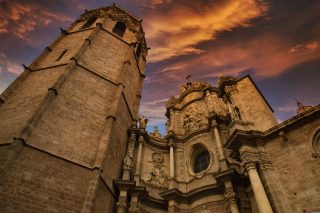
Capella de Santa Àgueda, Barcelona
Church, Historic Building and Museum in Barcelona
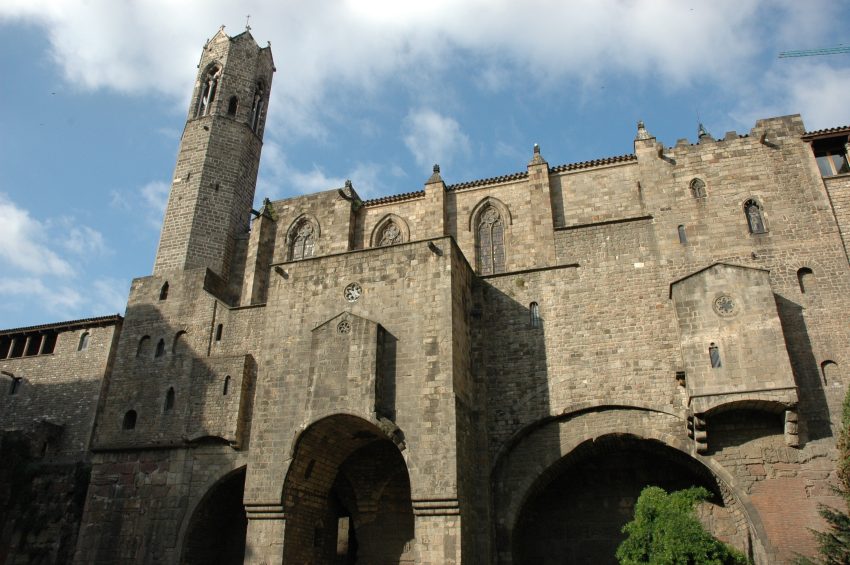
Capella de Santa Àgueda is a small-but-striking medieval chapel tucked into Barcelona's Gothic Quarter, within the MUHBA (Barcelona History Museum) complex at Plaça del Rei. It's the kind of place you can walk past without noticing-until you step inside and realize how much atmosphere is packed behind those historic walls.
Because it sits right in the heart of the old city, it's an easy add-on to a walking tour of the Barri Gòtic, especially if you're already visiting Plaça del Rei, the Cathedral area, or the nearby Roman and medieval sites that make this neighborhood feel like a living timeline.
Table of Contents
- History and Significance of the Capella de Santa Àgueda
- Things to See and Do in the Capella de Santa Àgueda
- How to Get to the Capella de Santa Àgueda
- Practical Tips on Visiting the Capella de Santa Àgueda
- Where to Stay Close to the Capella de Santa Àgueda
- Is the Capella de Santa Àgueda Worth Visiting?
- For Different Travelers
- FAQs for Visiting Capella de Santa Àgueda
History and Significance of the Capella de Santa Àgueda
Capella de Santa Àgueda (often referred to as the Royal Chapel of Santa Àgata) is closely tied to Barcelona's medieval power center. Its location beside Plaça del Rei places it in the orbit of the former royal and administrative heart of the city, where political life and ceremony once played out in stone courtyards and vaulted halls.
What makes the chapel especially significant is how it preserves a concentrated slice of Gothic Barcelona: a sacred space that feels intimate, yet architecturally confident, and deeply connected to the artistic language of the late Middle Ages. Rather than being a grand cathedral-scale experience, it offers a quieter, more focused encounter with medieval devotion and craftsmanship.
For many visitors, the chapel's importance is also practical: it's one of the most rewarding “small stops” in the Gothic Quarter-an ideal counterbalance to the bigger-ticket icons-while still delivering genuinely museum-grade art and detail.
Things to See and Do in the Capella de Santa Àgueda
Start by looking up. The ceiling is one of the chapel’s most memorable features, and it’s the detail that tends to surprise first-time visitors who expected a quick in-and-out stop. Give your eyes a minute to adjust, then take in the patterns and structure that make the space feel both ornate and calm.
Next, spend time with the chapel’s medieval artworks, including an impressive altarpiece tradition associated with the site. Even if you’re not an art-history specialist, the storytelling, color, and craftsmanship read clearly-especially when you slow down and view it panel by panel.
Finally, treat the visit as a “quiet reset” in the middle of a busy day. The chapel often feels peaceful compared with the surrounding streets, and it pairs beautifully with nearby stops like Plaça del Rei itself, the MUHBA galleries, and a meander through the Gothic Quarter lanes.
How to Get to the Capella de Santa Àgueda
Barcelona-El Prat Airport (BCN) is the main international gateway, with Girona-Costa Brava (GRO) and Reus (REU) sometimes used by low-cost carriers depending on season and routes. For the best deals and a seamless booking experience, check out these flights to Barcelona on Booking.com.
If you're arriving by rail, Barcelona Sants is the primary station for high-speed and long-distance trains, and from there you can connect by metro or taxi toward the Gothic Quarter. Train schedules and bookings can be found on Omio..
Driving into central Barcelona is possible, but the Gothic Quarter has restricted access and limited parking, so it's usually best to park outside the center and continue by metro or on foot. If you are looking to rent a car in Spain I recommend having a look at Discover Cars, first, as they compare prices and review multiple car rental agencies for you..
Practical Tips on Visiting the Capella de Santa Àgueda
- Official website: https://ajuntament.barcelona.cat/museuhistoria
- Entrance fee: Adults: €7.30; Reduced: €5.20; Under 16: free.
- Opening hours: Tuesday – Saturday: 10:00–19:00. Sunday: 10:00–20:00. Closed on Monday.
- Best time to visit: Go earlier in the day for a calmer experience, or later afternoon when you can pair it with a sunset stroll through the Gothic Quarter.
- How long to spend: Plan 20-40 minutes for the chapel itself, or longer if you're combining it with MUHBA Plaça del Rei exhibits.
- Accessibility: Expect historic architecture and uneven surfaces in the surrounding area; within the museum complex, accessibility is generally better than many standalone medieval sites.
- Facilities: Restrooms and visitor services are typically available through the MUHBA site rather than inside the chapel alone.
Where to Stay Close to the Capella de Santa Àgueda
Base yourself in the Gothic Quarter or the adjacent El Born area for the easiest walkable access to Plaça del Rei and the rest of the historic center.
Hotel Neri Relais & Châteaux A top pick for a special stay: intimate, design-forward, and perfectly placed for early-morning wandering before the crowds.
H10 Madison Chosen for its polished comfort and rooftop appeal, with an easy walk to the cathedral area and Plaça del Rei.
Catalonia Catedral A practical, well-located option that keeps you close to the Gothic Quarter’s core sights without sacrificing hotel amenities.
Hotel Rec Barcelona Included for value and a modern feel on the edge of El Born-great if you want quieter nights but quick access on foot.
K+K Hotel Picasso A solid choice near Parc de la Ciutadella, ideal if you want a bit more space and an easy walk into the old city.
Is the Capella de Santa Àgueda Worth Visiting?
Yes-especially if you like finding “small masterpieces” that most visitors miss. It's a compact stop with a big payoff: a serene interior, memorable Gothic details, and a location that fits effortlessly into any Gothic Quarter day.
Honest Pivot: if you’re rushing between Barcelona’s major headline attractions and you’re not particularly interested in medieval art or architecture, you may prefer to prioritize larger, more immersive sites. But if you have even a little curiosity-and 30 minutes of breathing room-this is one of the smartest detours in the old town.
What Other Travellers Say...
Reviews are overwhelmingly positive, with visitors describing the chapel as a quiet “hidden gem” within the MUHBA complex. Common highlights include the intricate ceiling, the peaceful atmosphere (sometimes enhanced by music), and the impressive medieval altarpiece and stained glass. The main drawback mentioned is that hours can be easy to miss, so planning around the schedule helps avoid arriving when it’s closed.





For Different Travelers
Capella de Santa Àgueda works best as a flexible add-on: short, central, and easy to combine with nearby landmarks. It's not a full-day attraction, but it's a high-quality moment that can elevate your itinerary.
Families with Kids
This can be a good “quick culture stop” for families because it doesn’t demand a long attention span. Make it a short challenge: spot the most interesting ceiling detail, then move on to a nearby square for a break.
If your kids are very young or restless, pair the visit with something more open-air right after, like a walk toward the waterfront or a nearby park. The key is keeping expectations short and sweet.
Couples & Romantic Getaways
For couples, the chapel's quiet atmosphere is the draw-especially as a pause between busier sightseeing blocks. It's a lovely place to slow down, take in the art, and enjoy a calmer side of the Gothic Quarter.
Build a simple romantic loop: chapel visit, a slow walk through Plaça del Rei and the surrounding lanes, then a café or tapas stop in El Born. The experience feels curated without being complicated.
Budget Travelers
This is a strong value stop if you’re already planning MUHBA, because it layers a memorable interior onto a broader museum visit. It’s also centrally located, so you won’t spend extra on transport to reach it.
To keep costs down, plan your day around walking: the Gothic Quarter, the cathedral area, and El Born are all close enough to connect on foot. That turns the neighborhood itself into part of the attraction.
History Buffs
History lovers will appreciate how the chapel sits within a dense cluster of medieval and Roman-era context. It’s not just a standalone interior-it’s part of a wider story told by the surrounding buildings and museum spaces.
Take your time with the artworks and then step back outside to read the square: the layers of architecture around Plaça del Rei help you visualize how power, religion, and city life intersected here over centuries.
FAQs for Visiting Capella de Santa Àgueda
Getting There
Tickets & Entry
Visiting Experience
Tours, Context & Itineraries
Photography
Accessibility & Facilities
Food & Breaks Nearby
Safety & Timing
The Capella de Santa Àgueda appears in our Complete Guide to Visiting Barcelona!

Moira & Andy
Hey! We're Moira & Andy. From hiking the Camino to trips around Europe in Bert our campervan — we've been traveling together since retirement in 2020!
This website uses affiliate links which may earn a commission at no additional cost to you!
Planning Your Visit
Tuesday - Saturday: 10:00-19:00.
Sunday: 10:00-20:00.
Closed on Monday.
Adults: €7.30; Reduced: €5.20; Under 16: free.
Nearby Attractions
- Plaça del Rei (0) km
Square - Palau del Lloctinent (0) km
Archive, Historic Building and Palace - Plaça de Ramon Berenguer el Gran (0.1) km
Roman Site and Square - Museu Frederic Marès (0.1) km
Historic Site, Museum and Sculpture - Temple d'August (0.1) km
Roman Site - Plaça de l'Àngel (0.1) km
Square - Cathedral of Barcelona (0.1) km
Cathedral, Historic Building and Religious Building - Barcelona Roman Walls (0.1) km
City Walls and Roman Site - Pont del Bisbe (0.1) km
Attraction and Bridge - Casa de l'Ardiaca (0.1) km
Archive, Courtyard and Historic Building