Igreja da Senhora da Agonia, Viana do Castelo
Church near Viana do Castelo
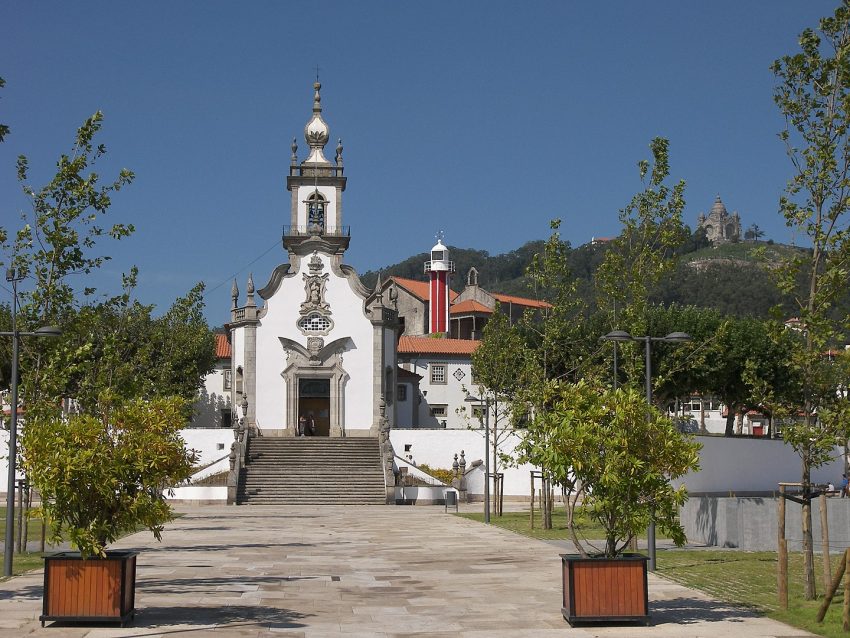
The Igreja da Senhora da Agonia sits on the Campo da Agonia, just west of Viana do Castelo's historic core, where the city opens out toward the river and the Atlantic. It's an easy stop to weave into a walking tour of Viana do Castelo, especially if you like places where architecture, local identity, and everyday life intersect in a very real way.
Even if you're not timing your trip for festival season, this church is one of the top attractions in Viana do Castelo for its atmosphere alone: a compact sanctuary with a surprisingly rich interior, and an outdoor setting that still feels like the city's ceremonial stage. It's the kind of place you can visit in 15 minutes and still walk away with a clear sense of what the city values-and why the sea is never far from the story.
Table of Contents
- History and Significance of the Igreja da Senhora da Agonia
- Things to See and Do in the Igreja da Senhora da Agonia
- How to Get to the Igreja da Senhora da Agonia
- Practical Tips on Visiting the Igreja da Senhora da Agonia
- Where to Stay Close to the Igreja da Senhora da Agonia
- Is the Igreja da Senhora da Agonia Worth Visiting?
- For Different Travelers
- FAQs for Visiting Igreja da Senhora da Agonia
- Nearby Attractions to the Igreja da Senhora da Agonia
History and Significance of the Igreja da Senhora da Agonia
The devotion to Nossa Senhora da Agonia is closely tied to Viana do Castelo’s fishing community, shaped by gratitude and fear in equal measure-storms, shipwrecks, and the uncertainty of the Atlantic. While the cult gained strength in the 18th century, the site already held religious importance: a chapel dedicated to the Bom Jesus do Santo Sepulcro do Calvário was built here in 1674, later shifting toward Marian worship and becoming known as Our Lady of Solitude in the early 1700s.
By 1744, the dedication had become Nossa Senhora da Agonia, and the sanctuary you see today grew from a major 18th-century expansion, blessed in 1759. From 1783 onward, an annual Solemn Mass on 20 August helped formalize the tradition, turning the date into a municipal holiday and anchoring what would become the region’s most famous pilgrimage weekend after 15 August.
The 19th century left a visible stamp on the exterior: the grand central staircase that gives the church its sense of arrival, plus a rear tower built in 1868 and deliberately set back so it wouldn’t interfere with the pilgrims’ procession route around the sanctuary. It’s a practical detail, but also a telling one-here, the living ritual shaped the building as much as the architect did.
Things to See and Do in the Igreja da Senhora da Agonia
Start outside, because the approach matters: the staircase frames the façade and creates a natural viewpoint back over the Campo da Agonia. This open space is where the Romaria energy concentrates in August-parades, gatherings, and that unmistakable sense of a town dressing up to honor its patron. Even out of season, it’s a pleasant place to pause, especially late afternoon when the light softens across the square.
Inside, the surprise is how much artistry is packed into a relatively intimate space. The nave has an octagonal plan, which subtly pulls your eye toward the high altar, and the woodcarving and ornamentation are the kind you keep noticing in layers rather than all at once. Look for the pulpit rostrum depicting Calvary, with the image of Our Lady of Agony placed above-an arrangement that links preaching, devotion, and spectacle in a single vertical composition.
If you enjoy details, linger for the paintings and the objects that quietly tell you how personal this place is to locals. There are oil paintings attributed to the Italian painter Pascoal Parente (evangelists and Passion scenes), an 18th-century organ, and ex-votos-offerings that act like a public record of private promises, with the oldest noted dating to 1733. If the sacristy annexes are accessible, the Consistory Hall portraits add another layer: not saints, but benefactors, reinforcing how community-funded faith built the setting you’re standing in.
How to Get to the Igreja da Senhora da Agonia
If you're already in central Viana do Castelo, the church is a straightforward walk: head toward the waterfront and the Forte de Santiago da Barra area, then follow signs for Campo da Agonia and Rua de Monserrate.
The nearest major airport is Porto Airport (OPO), with Vigo Airport (VGO) also a practical option if you're coming from Galicia. For the best deals and a seamless booking experience, check out these flights to Viana do Castelo on Booking.com.
Viana do Castelo has rail connections (including services via Porto Campanhã), and the station is close enough to reach the church by a short walk or taxi depending on luggage and weather. Train schedules and bookings can be found on Omio.
Long-distance buses also connect Viana do Castelo with Porto, Braga, and other northern hubs, which can be a simple option if you're not timing your day around train schedules.
If you’re driving, the A28 is the main artery along the coast, and you’ll usually find the easiest parking a little back from the waterfront before walking the last stretch. If you are looking to rent a car in Portugal I recommend having a look at Discover Cars, first, as they compare prices and review multiple car rental agencies for you.
Practical Tips on Visiting the Igreja da Senhora da Agonia
- Entrance fee: Free.
- Opening hours: Monday – Sunday: 08:00–12:00 & 13:00–17:00.
- Official website: https://www.visitportugal.com/en/content/santuario-da-senhora-da-agonia
- Best time to visit: Come early for a quieter interior, or late afternoon for better light on the staircase and a livelier feel around the Campo da Agonia.
- How long to spend: Plan 15-30 minutes inside, then add time to sit outside and take in the setting-especially if you’re pairing it with the fort and riverfront.
- Accessibility: Expect steps and uneven surfaces around the approach; the interior may be manageable once inside, but the staircase can be a barrier for reduced mobility.
- Facilities: There are no major visitor facilities on-site; use cafés and restrooms in the nearby centre or around the marina area before or after your stop.
Where to Stay Close to the Igreja da Senhora da Agonia
For a culture-heavy itinerary, base yourself in the historic centre around Praça da República; for a trip focused on sea air, riverfront walks, and beach time, stay nearer the waterfront and Cabedelo/Monserrate.
If you want to be walkable to the old town, restaurants, and an easy evening stroll back after sightseeing, choose a central hotel like Hotel Rali Viana, which keeps logistics simple without feeling cut off from the city’s everyday rhythm. For a more modern base with spa downtime and easy access in and out of town, Axis Viana Business & SPA Hotel is a strong fit-especially if you’re arriving by car or building day trips into your plan.
If waking up to ocean air is part of the point of being here, Hotel Flôr de Sal puts you right on the seafront promenade, which feels particularly good at sunrise and after dinner when the city quiets down.
Is the Igreja da Senhora da Agonia Worth Visiting?
Yes-especially if you like places that reveal a city’s identity in a small footprint. The interior is richly detailed for its size, and the approach across the Campo da Agonia gives you context that many churches tucked into old-town lanes simply don’t have.
It's also worth it because it helps you understand Viana do Castelo beyond the postcard highlights. Even if you don't catch the Romaria, you'll still feel the connection between faith and the sea, and you'll leave with a sharper sense of why this sanctuary is woven into the city's calendar and pride.
What Other Travellers Say...

Capela Nossa Senhora da Agonia, at Tv. do Pombal 4 in Caminha, is a small, prayerful chapel praised by visitors for its beauty and suitability for baptisms; reviewers describe it as a lovely, intimate space worth a visit.


For Different Travelers
Families with Kids
This works well as a short, low-effort stop: the staircase and open square outside give kids space to move, and you can keep the interior visit brief without feeling like you “missed” the experience.
If you’re traveling in summer, it’s an easy place to explain local traditions in a visual way-parade routes, flower carpets, boats on the river-then reward everyone with a waterfront walk or a snack break nearby.
Couples & Romantic Getaways
The best couples’ moment here is actually outside: arrive near golden hour, climb the steps slowly, and take in the calm, cinematic feel of the sanctuary against the open space of the Campo da Agonia.
Pair it with a gentle mini-route-fort, marina, and a riverside drink-so the visit becomes part of an unhurried evening rather than a box-tick in the middle of a packed day.
Budget Travelers
This is a high-value stop because it’s free to enter and doesn’t demand a long visit to feel worthwhile. You can fold it into a walking day that covers the centre, the waterfront, and the fort without spending anything beyond coffee.
If you time it right, the atmosphere around the Campo da Agonia gives you that “festival city” feeling even when nothing official is happening-great for photography and people-watching on a tight budget.
History Buffs
The layered timeline is the hook: a 17th-century chapel on the site, an 18th-century Marian devotion that surged with seafaring culture, and 19th-century additions shaped by the practical needs of pilgrimage movement.
Inside, focus on the narrative details-ex-votos, the arrangement of pulpit and imagery, and the way the building’s plan directs attention-because they tell you as much about lived religion as any plaque does.
FAQs for Visiting Igreja da Senhora da Agonia
Getting There
Tickets & Entry
Visiting Experience
Tours, Context & Itineraries
Photography
Accessibility & Facilities
Food & Breaks Nearby
Safety & Timing
Nearby Attractions to the Igreja da Senhora da Agonia
- Praça da República: The elegant main square of Viana do Castelo, ideal for cafés, façades, and an easy starting point for walking routes.
- Igreja da Misericórdia de Viana do Castelo: A richly decorated church in the centre that complements Senhora da Agonia with a more urban, square-side setting.
- Navio Gil Eannes: A museum ship with strong maritime history that makes an excellent pairing with the city’s seafaring devotional sites.
- Forte de Santiago da Barra: A coastal fort near the river mouth that adds a defensive, Atlantic-facing chapter to your waterfront walk.
- Santuário de Santa Luzia: The hilltop sanctuary with panoramic views over the city, river, and coastline-perfect if you want a dramatic finish to the day.
The Igreja da Senhora da Agonia appears in our Complete Guide to Visiting Viana do Castelo!

Moira & Andy
Hey! We're Moira & Andy. From hiking the Camino to trips around Europe in Bert our campervan — we've been traveling together since retirement in 2020!
This website uses affiliate links which may earn a commission at no additional cost to you!
Planning Your Visit
Monday - Sunday: 08:00-12:00 & 13:00-17:00.
Free.
Nearby Attractions
- Citania de Santa Luzia (18.4) km
Historic Site - Santuário de Santa Luzia (18.8) km
Basilica - Elevador de Santa Luzia (19.3) km
Railway - Igreja da Misericórdia de Viana do Castelo (19.7) km
Church - Praça da República (19.7) km
Square - Sé Catedral de Viana do Castelo (19.7) km
Cathedral - Museu de Artes Decorativas (19.9) km
Historic Building and Museum - Casa dos Nichos (19.9) km
Historic Site and Museum - Navio Hospital Gil Eannes (20.1) km
Museum - Forte de Santiago da Barra (20.2) km
Castle