Capdepera Lighthouse, Palma de Mallorca
Lighthouse near Palma de Mallorca
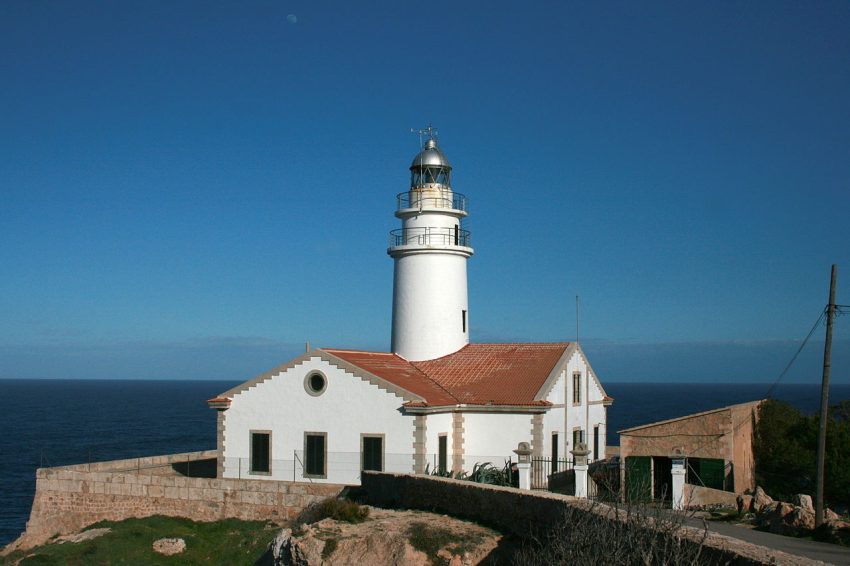
Perched high on the Punta de Capdepera coastline, Capdepera Lighthouse marks the easternmost point of Mallorca and feels every bit like the end of the island. Commissioned by Queen Isabel II and completed in 1861, this white tower with its lantern sits around 55 metres above sea level, guiding ships that cross the tricky waters between France and Menorca and acting as a symbolic “watcher” over the channel. Today, it is one of the best places to visit in Capdepera if you love big horizons, wild coastline and a touch of maritime history.
What began as a strictly functional aid to navigation has long since become a protective presence and a favourite viewpoint. Powerful winds still batter this headland, but visitors now come for the drama rather than to escape it, arriving on foot, by bike or by car to stand beneath huge skies and watch the sea stretching towards Menorca. The walk out from resort areas and villages is a highlight of any walking tour of Capdepera, especially in the softer light of early morning or late afternoon.
Table of Contents
- History and Significance of the Capdepera Lighthouse
- Things to See and Do in the Capdepera Lighthouse
- How to Get to the Capdepera Lighthouse
- Practical Tips on Visiting the Capdepera Lighthouse
- Where to Stay close to the Capdepera Lighthouse
- Is the Capdepera Lighthouse Worth Visiting?
- FAQs for Visiting Capdepera Lighthouse
- Nearby Attractions to the Capdepera Lighthouse
History and Significance of the Capdepera Lighthouse
Capdepera Lighthouse was built in the mid-19th century, a period when lighthouses were critical to safer long-distance shipping. Commissioned by Isabel II and lit for the first time in 1861, it was designed to watch over the waters between France and Menorca, a route that could be treacherous in bad weather. Its position on the Punta de Capdepera headland gave it a wide sweep of visibility and helped captains fix their position as they approached the Balearic Islands or crossed the western Mediterranean.
Often described as a “symbol of the 19th century,” the lighthouse reflects both the engineering ambitions and the maritime priorities of its era. At roughly 55 metres above sea level, with the tower rising further above the rocky plateau, its light was visible from far offshore, acting as reassurance on stormy nights and as a warning of the rugged coast beneath. Over the decades, as technology evolved and navigation systems improved, the lighthouse’s role gradually shifted from essential infrastructure to a historic but still functional beacon.
For locals and visitors, Capdepera Lighthouse has also become an emotional landmark. It stands where land, wind and sea collide, exposed to the famed Tramuntana and other strong winds that sweep across this part of Mallorca. The idea of the lighthouse as a “protective beacon” is not just poetic: its presence has genuinely helped shield mariners from the worst consequences of those conditions. Today, while keepers and equipment have modernised, the tower still symbolises safety, orientation and the enduring relationship between Mallorca and the sea.
Things to See and Do in the Capdepera Lighthouse
Most people come to Capdepera Lighthouse for the views, and they do not disappoint. From the headland you have a near-360-degree panorama: the rocky coast dropping away to the sea, the open water stretching towards Menorca and the inland hills rising behind you. On clear days you can sometimes pick out distant land across the channel, while on windier days the spectacle of waves hitting the rocks below adds extra drama.
The lighthouse itself, with its simple tower and attached keeper’s house, is a classic example of 19th century maritime architecture: functional, solid and harmonising with the rugged setting rather than competing with it. While access inside the building is usually restricted, walking around the exterior and exploring the various vantage points along the cliffs gives you plenty to look at. Small paths lead to different viewpoints, so it is worth taking your time to find your favourite angle for photos or simply to stand and watch the sea.
For walkers and cyclists, the journey to the lighthouse is part of the attraction. Approaching on foot or by bike from Capdepera or nearby coastal areas lets you experience the gradual reveal of the headland and the growing sense of openness as the road or track climbs. Many visitors like to time their arrival for sunrise or sunset, when the light is softer and the sky can put on as much of a show as the sea below. Even if you come by car, a short walk along the headland paths helps you feel more connected to the landscape rather than just ticking off a viewpoint.
How to Get to the Capdepera Lighthouse
Most international visitors begin their trip at Palma de Mallorca Airport, which serves regular flights from across Spain and Europe. For the best deals and a seamless booking experience, check out these flights to Palma de Mallorca on Booking.com. From there, hiring a car is the most flexible way to reach the Capdepera area and the lighthouse.
If you are travelling by public transport, you can take a regional train or bus into Palma and then continue by interurban bus towards Capdepera or nearby Cala Ratjada, from where a taxi or a longer walk or cycle ride will take you up to the lighthouse headland.Train schedules and bookings can be found on Omio. This option works well if you prefer not to drive but are comfortable combining buses with some walking.
Driving, follow the main road network across the island towards Capdepera, then continue on the coastal road out towards Punta de Capdepera, where a narrower road winds up to the lighthouse area, with places to stop and park before you explore the viewpoints on foot.If you are looking to rent a car in Spain I recommend having a look at Discover Cars, first, as they compare prices and review multiple car rental agencies for you. From nearby resorts like Cala Ratjada, the lighthouse is also a popular destination for short bike rides or walks; just be mindful of traffic on shared sections of road.
Practical Tips on Visiting the Capdepera Lighthouse
- Suggested tips: Check the weather forecast before you go; strong winds and rough seas can make the headland feel very exposed, even on sunny days.
- Best time to visit: Early morning for quieter conditions and soft light, or late afternoon into sunset when the sky and sea colours are at their best and temperatures are more comfortable.
- Entrance fee: Free – there is no admission charge to enjoy the lighthouse surroundings and viewpoints.
- Opening hours: The exterior viewpoints are generally accessible at all times, but daylight hours are safest and most rewarding for views and photography.
- How long to spend: Allow 45-90 minutes to enjoy the views, walk around the headland and take photos; longer if you are hiking or cycling from Capdepera or Cala Ratjada.
- Accessibility: The final approach roads are paved but can be narrow; paths around the headland are uneven and may be challenging for visitors with reduced mobility, though some viewpoints are reachable with minimal walking.
- Facilities: Facilities at the lighthouse itself are limited; plan to use toilets and buy food or drinks in Capdepera or nearby coastal towns before heading up.
- Photography tip: Bring a lens that can handle both wide landscapes and tighter frames of the lighthouse; shooting at golden hour helps balance bright sky and darker rocks.
- Guided tours: Some guided excursions and bike tours include the lighthouse as a viewpoint; joining one can be a good way to combine it with nearby beaches and villages.
- Nearby food options: You will find cafés and restaurants in Capdepera and Cala Ratjada, where you can enjoy a meal or drink either before or after your visit.
Where to Stay close to the Capdepera Lighthouse
Basing yourself in or around Capdepera makes visiting the lighthouse particularly easy. In the nearby resort of Cala Ratjada, Hotel S’Entrador Playa & Spa offers a comfortable stay close to the sea, with straightforward road or bike access up to the headland. For a more historic and boutique feel in the old town, Hotel Creu de Tau Art & Spa places you in a converted building with views over the countryside and an easy drive to the lighthouse. If you prefer a simple coastal base with a relaxed atmosphere, Hotel Na Taconera gives you quick access to beaches, walking trails and the road out towards Punta de Capdepera.
Is the Capdepera Lighthouse Worth Visiting?
Capdepera Lighthouse is absolutely worth the trip if you enjoy dramatic viewpoints and coastal landscapes. While you cannot usually go inside the tower, the combination of history, wild headland scenery and far-reaching sea views makes it memorable, and the relative ease of access by car, bike or on foot means you can fit it into even a short stay in the area. As the easternmost point of Mallorca, it also has a symbolic appeal: standing here, with the wind in your face and the sea stretching endlessly ahead, feels like standing at the island's edge.
What Other Travellers Say...

Capdepera Lighthouse sits on Mallorca's easternmost point and features a white 59-ft working tower; visitors praise the spectacular panoramic views of volcanic cliffs and say it's worth the climb or easy drive, though the lighthouse itself is closed to the public and parking can get congested so many recommend leaving your car and walking up for a quieter experience.


FAQs for Visiting Capdepera Lighthouse
Nearby Attractions to the Capdepera Lighthouse
- Capdepera Castle: A well-preserved hilltop fortress with panoramic views over the countryside and coast, giving extra context to the area’s defensive past.
- Cala Ratjada Promenade: A lively seafront walkway with cafés, restaurants and harbour views, perfect for a relaxed stroll after visiting the lighthouse.
- Cala Agulla Beach: A beautiful sandy bay backed by pine trees and dunes, popular for swimming and sunbathing in clear turquoise water.
- Cala Mesquida: Another scenic beach with a wilder feel, great for walking along the dunes and watching waves crash onto the shore.
- Caves of Artà: Impressive show caves near Canyamel, where guided tours lead you through vast chambers of stalactites and stalagmites formed over thousands of years.
The Capdepera Lighthouse appears in our Complete Guide to Visiting Palma de Mallorca!

Moira & Andy
Hey! We're Moira & Andy. From hiking the Camino to trips around Europe in Bert our campervan — we've been traveling together since retirement in 2020!
This website uses affiliate links which may earn a commission at no additional cost to you!
Planning Your Visit
The exterior viewpoints are generally accessible at all times, but daylight hours are safest and most rewarding for views and photography.
Free - there is no admission charge to enjoy the lighthouse surroundings and viewpoints.
Nearby Attractions
- Cuevas del Hams (23.1) km
Cave - Cuevas del Drach (23.6) km
Cave - Cap de Formentor Lighthouse (35.5) km
Lighthouse - Santuari del Puig de Maria (42.5) km
Monastery - Convent of Sant Domingo (43.2) km
Convent and Museum - Mare de Deu dels Angels Church (43.3) km
Church - Calvari Steps in Pollensa (43.5) km
Historic Site and Viewing Point - Pont Roma (43.7) km
Historic Site - Es Pontàs (51.9) km
Natural Phenomenon - Santuari de Lluc (52.1) km
Monastery