Camp des Milles, Aix en Provence
Historic Building and Museum in Aix en Provence
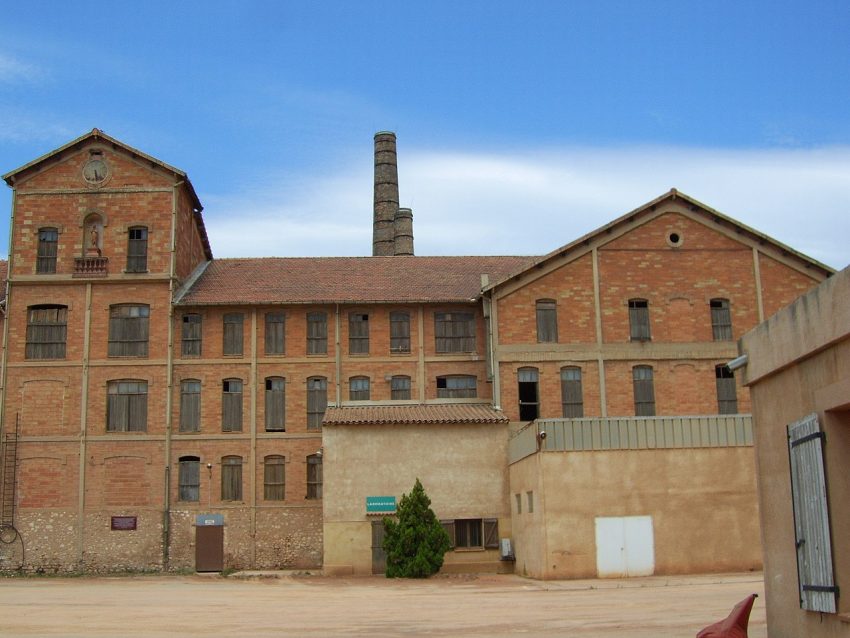
Just outside Aix-en-Provence, in the quiet village of Les Milles, lies one of southern France's most poignant memorials-the Camp des Milles. Once a tile factory, this site became an internment and transit camp during World War II, where thousands of men, women, and children were detained before deportation to Auschwitz. Today, the camp stands as one of the must-see places in Aix-en-Provence for those seeking to understand the region's wartime history and its message of tolerance and remembrance.
The Camp des Milles has been transformed into a powerful museum and educational center that blends history with reflection. Its exhibitions, testimonies, and preserved spaces serve as both a tribute to the victims and a lesson for future generations. It's a moving and thought-provoking experience-and a highlight of any walking tour of Aix for travelers interested in history and human rights.
History and Significance of Camp des Milles
The Camp des Milles was inaugurated in September 1939 in a disused tile factory near Aix-en-Provence. Initially used to detain Germans and Austrians living in the Marseille area-many of whom were anti-Nazi refugees-it soon became a holding site for thousands of artists, scientists, and intellectuals. By June 1940, around 3,500 people were interned here, including writers Lion Feuchtwanger and William Herzog, Nobel laureate Otto Fritz Meyerhof, and painter Max Ernst.
Between 1941 and 1942, the camp took on a darker role as a transit center for Jewish deportees. Men were detained at Les Milles, while women awaited transfer in Marseille’s Centre Bompard. Approximately 2,000 Jewish prisoners were eventually sent from here to Drancy, and from there to Auschwitz. After the war, the site briefly returned to industrial use before falling into neglect. In 1993, it was reopened as a memorial, and in 2012, it was officially inaugurated by Prime Minister Jean-Marc Ayrault in the presence of Elie Wiesel, Simone Veil, and Serge Klarsfeld-three figures who had lived through or fought to preserve the memory of the Holocaust.
The Camp des Milles is now managed by the Fondation du Camp des Milles: Mémoire et Éducation, directed by CNRS researcher Alain Chouraqui. In 2015, UNESCO established its Chair of Education for Citizenship, Human Sciences, and Shared Memories here, affirming the site's global role in promoting peace and civic responsibility.
Things to See and Do in Camp des Milles
The museum’s permanent exhibition unfolds across three main sections: historical, memorial, and reflective. Visitors can explore the original brick halls and dormitories where internees lived, with walls still bearing their graffiti and sketches. The historical section provides detailed accounts of the camp’s evolution, with letters, photographs, and personal testimonies shedding light on the lives of those imprisoned.
The memorial section commemorates the victims of the Holocaust and the deportations, while the reflective area invites visitors to consider broader questions about prejudice, democracy, and human rights. Temporary exhibitions, films, and workshops continue to expand the dialogue on remembrance and civic education. The on-site screening of the 1995 film “Les Milles,” dramatizing the camp’s 1940 events, adds cinematic depth to the visit. This spot is one of the best places to see in Aix-en-Provence for those wishing to engage with history in a deeply personal way.
How to Get There
The Camp des Milles is located about 5 km southwest of Aix-en-Provence, near the village of Les Milles. The nearest train station is Gare SNCF d’Aix-en-Provence. You can use SNCF Connect to check schedules, compare routes, and purchase tickets for National (SNCF ) and regional trains (TER). For a more streamlined experience, we recommend using Omio, which allows you to easily compare prices, schedules, and book tickets for both National and Regional travel across all of Europe, all in one place. For visitors arriving by car, parking is available on-site and at nearby facilities, including Rotonde and Pasteur Car Park in the city center. If you are looking to rent a car in France I recommend having a look at Discover Cars, first, as they compare prices and review multiple car rental agencies for you. Bus connections also link Aix’s city center to Les Milles, with stops near the memorial entrance.
Practical Tips on Visiting Camp des Milles
- Best time to visit Camp des Milles: Morning or weekday visits offer quieter reflection.
- Entrance fee in Euros: Around €9 for adults, reduced rates available.
- Opening hours: Daily 10:00 a.m.-6:00 p.m. (closed Mondays from November to March).
- Official website: www.campdesmilles.org
- How long to spend: 2-3 hours to explore exhibitions and the grounds.
- Accessibility: Fully accessible, with ramps and audio guides for visitors with disabilities.
- Facilities: Café, bookshop, restrooms, and picnic area.
- Photography tip: Capture the solemn symmetry of the red-brick factory façade; interior photography permitted in some areas.
- Guided tours: Available in French and English, focusing on history, memory, and education.
- Nearby food options: Small cafés and bakeries in Les Milles village, or more options in central Aix.
Is Camp des Milles Worth Visiting?
Without question. Camp des Milles is one of the top sights in Aix-en-Provence for those who seek meaning and memory in travel. It's not just a museum-it's a place of reflection, education, and humanity. The visit can be emotional, but it offers valuable insight into both the darkest and most resilient aspects of human history. Its message of remembrance and vigilance resonates deeply in today's world.
What Other Travellers Say...

Camp des Milles, at 40 Chem. de la Badesse in Aix-en-Provence, is a museum and memorial housed in a former internment camp that guides visitors through the site's history with exhibitions, audiovisual displays and rooms that preserve the original structures; exhibits present a chronological account of events, personal stories of detainees, and reflections on impact and prevention, often in French and English. Visitors report the experience is heavy and impressive, typically taking two to three hours to see thoroughly (longer if self-guiding), with well-organized paths and small, poignant details throughout; modern features include panoramic screens and movie rooms, and an exterior memorial across the road displays a train car. Note that the entrance can appear closed and you may need to approach the security building and ring the bell to be admitted.


FAQs for Visiting
Nearby Attractions to Camp des Milles
- Cours Mirabeau - Aix's iconic boulevard lined with fountains, cafés, and grand mansions.
- Musée Granet - A major art museum featuring Cézanne, Picasso, and Rembrandt.
- Hôtel de Caumont - An elegant 18th-century mansion hosting art exhibitions and a garden café.
- Pavillon de Vendôme - A Baroque mansion surrounded by peaceful formal gardens.
- Saint-Sauveur Cathedral - A stunning mix of Romanesque, Gothic, and Baroque architecture in Aix's old town.
The Camp des Milles appears in our Complete Guide to Visiting Aix en Provence!

Moira & Andy
Hey! We're Moira & Andy. From hiking the Camino to trips around Europe in Bert our campervan — we've been traveling together since retirement in 2020!
This website uses affiliate links which may earn a commission at no additional cost to you!
Planning Your Visit
Open every day from 10 pm to 7 pm (Ticketing closure at 5.30 pm) except: 01/01, 01/05 and 25/12.
Adults: € 9.50
Nearby Attractions
- Fondation Vasarely (3.9) km
Arts Venue - Bastide du Jas de Bouffan (4.7) km
Gardens, Historic Building and Historic Site - Paul Cezanne Statue (5.6) km
Monument, Sculpture and Statue - Place et Fontaine d’Albertas (5.7) km
Fountain - Pavillon de Vendome (5.7) km
Historic Building - Fontaine de la Rotonde (5.7) km
Fountain - Parc Jourdan (5.8) km
Gardens, Park and Walk - Fontaine Des Augustins (5.8) km
Attraction, Fountain and Historic Site - Église du Saint-Esprit (5.8) km
Church, Historic Building and Religious Building - Cours Mirabeau (5.9) km
Historic Site and Street