Bavarian National Museum, Munich
Attraction, Historic Building and Museum in Munich
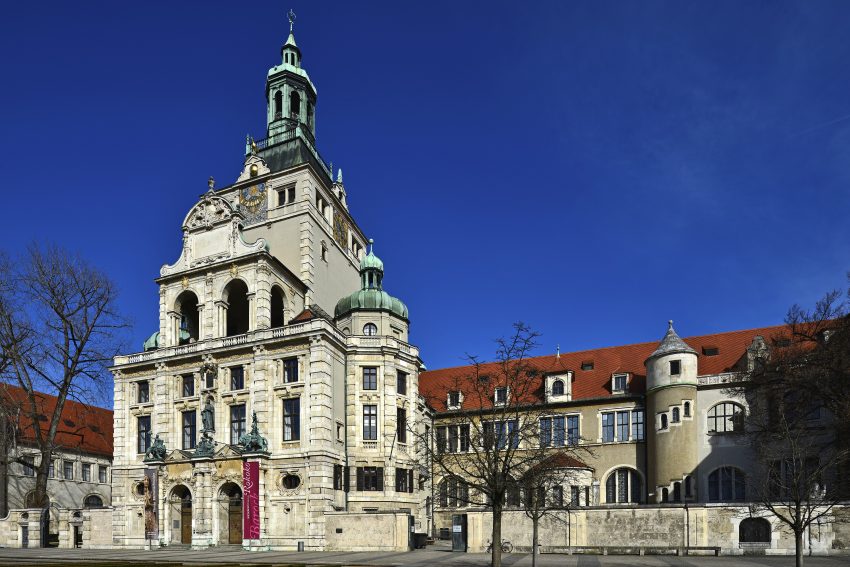
The Bavarian National Museum (Bayerisches Nationalmuseum) is one of Munich's most rewarding museums for anyone curious about how Bavaria lived, worshipped, celebrated, and displayed status across the centuries. Set on Prinzregentenstraße near the Isar River, it's a grand, calm alternative to the city's busier “headline” museums, with room after room of beautifully staged objects.
It also fits neatly into a walking tour of the Lehel and Prinzregentenstraße area, especially if you're pairing museums with a riverside stroll or nearby landmarks like the English Garden edge and the art cluster around Haus der Kunst. If you like to choose a few “best rooms” rather than trying to see everything, focus on the medieval sculpture, the decorative arts galleries, and the seasonal nativity-scene displays.
Table of Contents
- History and Significance of the Bavarian National Museum
- Things to See and Do in the Bavarian National Museum
- How to Get to the Bavarian National Museum
- Practical Tips on Visiting the Bavarian National Museum
- Where to Stay Close to the Bavarian National Museum
- Is the Bavarian National Museum Worth Visiting?
- For Different Travelers
- FAQs for Visiting Bavarian National Museum
- Nearby Attractions to the Bavarian National Museum
History and Significance of the Bavarian National Museum
The Bavarian National Museum was founded to preserve and present the cultural heritage of Bavaria, with a particular emphasis on art and objects that shaped everyday life as well as courtly and ecclesiastical splendor. Rather than telling history through paintings alone, it uses sculpture, textiles, furniture, metalwork, and devotional objects to make the past feel tangible.
Over time, the museum developed into a major showcase for European decorative arts, spanning late antiquity through Art Nouveau. Its strength is context: objects are not just displayed as isolated masterpieces, but as part of broader craft traditions and social worlds, from guild workshops to aristocratic interiors.
For visitors, that significance translates into a museum that feels both scholarly and surprisingly approachable. Even if you’re not an art historian, the collections make it easy to understand how styles evolved and how religion, politics, and wealth shaped what people made and valued.
Things to See and Do in the Bavarian National Museum
Plan to start with the medieval and Renaissance holdings, where carved sculpture and religious art set the tone for Bavaria’s deep Catholic visual culture. Many travelers find these rooms to be the most atmospheric, with dramatic figures, intricate craftsmanship, and a strong sense of place.
The decorative arts sections are the museum’s “wow” factor: porcelain, tapestries, furniture, and finely worked metal objects reward slow looking. If you enjoy design, you’ll appreciate how the museum connects materials and techniques to changing tastes, from ornate Baroque exuberance to later, cleaner lines.
Don't skip the seasonal and specialty displays when they're available, especially the nativity-scene tradition that Bavaria is famous for. If you prefer a structured visit, consider using the museum's multimedia/audio guide approach to turn a large collection into a curated route.
How to Get to the Bavarian National Museum
Munich is served primarily by Munich Airport (MUC), with Memmingen Airport (FMM) sometimes used by low-cost carriers farther away. For the best deals and a seamless booking experience, check out these flights to Munich on Booking.com.
From elsewhere in Germany and neighboring countries, Munich’s Hauptbahnhof (central station) is a major rail hub with frequent long-distance and regional connections, making train travel one of the easiest ways to arrive. Train schedules and bookings can be found on Omio.
If you’re driving, expect city traffic and limited central parking; it’s often simplest to park outside the core and continue by public transport. If you are looking to rent a car in Germany I recommend having a look at Discover Cars, first, as they compare prices and review multiple car rental agencies for you.
Within Munich, the museum is straightforward by public transit and on foot from central neighborhoods: it sits in the Lehel area near Prinzregentenstraße, a pleasant walk if you're already sightseeing along the Isar or around the Altstadt edge.
Practical Tips on Visiting the Bavarian National Museum
- Official website: https://www.bayerisches-nationalmuseum.de/
- Entrance fee: Adults: €7; Concessions: €6; Under 18: free; Sunday: €1.
- Opening hours: Tuesday – Wednesday: 10:00–17:00. Thursday: 10:00–20:00. Friday – Sunday: 10:00–17:00. Closed on Monday.
- Best time to visit: Go on a weekday morning for the quietest galleries, or Thursday evening if you want extra time thanks to later hours.
- How long to spend: Budget 2–3 hours for a highlights-focused visit; decorative-arts lovers can easily spend half a day.
- Accessibility: Barrier-free access is generally available, though a small number of rooms may require managing a few steps.
- Facilities: Expect cloakroom/lockers and a good on-site café/restaurant option for a mid-visit break.
Where to Stay Close to the Bavarian National Museum
The best area to base yourself is central Munich (Altstadt-Lehel) so you can walk to major sights and still have quick public-transport connections.
Hotel Vier Jahreszeiten Kempinski München A classic luxury choice near the museum area, ideal if you want old-world Munich elegance, top service, and a walkable base for museums and shopping.
Hotel Opera A boutique-feeling stay in Lehel that suits travelers who want charm and a quieter neighborhood vibe while staying close to the center.
Platzl Hotel A comfortable, very “Munich” option near Marienplatz that makes it easy to combine the museum with Old Town sightseeing and evening dining.
Motel One München-Deutsches Museum A strong value pick with reliable comfort and design, convenient for getting around and great for travelers prioritizing location over extras.
Hilton Munich Park A practical, spacious option near the English Garden edge, good for those who like a calmer setting and easy access to green space.
Is the Bavarian National Museum Worth Visiting?
Yes, especially if you want a museum that feels like a discovery rather than a checklist item. The collections are extensive, the presentation is polished, and many visitors find it refreshingly uncrowded compared with Munich’s most famous stops.
Honest Pivot: if you mainly want modern art, blockbuster “must-see” masterpieces, or a quick 45-minute museum dash, this may feel too large and object-dense. It’s best for travelers who enjoy craft, material culture, and taking their time.
What Other Travellers Say...

Travelers rate the Bavarian National Museum very highly and often describe it as an underrated gem that feels surprisingly uncrowded. Reviews praise the extensive, well-curated collection—especially medieval sculpture, intricate decorative arts like porcelain and tapestries, and displays such as suits of armor—plus the usefulness of the English audio guide. Common drawbacks include occasional gallery closures due to renovations and the sense that the museum is so large you'll need a few hours (or a focused plan) to avoid feeling overwhelmed.


For Different Travelers
The Bavarian National Museum works well as a flexible visit: you can do a quick highlights loop or settle in for a deep dive. Because it's often quieter, it's also a good “reset” activity in the middle of a busy Munich itinerary.
Families with Kids
Families can do well here by choosing a theme: armor, ornate rooms, or seasonal displays can keep attention better than trying to cover every gallery. Breaking the visit into short bursts with a café stop helps.
If your kids enjoy stories, focus on objects that suggest daily life and rituals rather than purely stylistic comparisons. A scavenger-hunt approach (find an animal motif, a crown, a musical instrument) can make the museum feel interactive.
Couples & Romantic Getaways
For couples, this museum is a calm, cultured date idea, especially if you pair it with a walk along the Isar or a nearby dinner afterward. The galleries lend themselves to slow wandering and shared “look at this detail” moments.
If you’re traveling in cooler months, it’s also a great indoor plan that still feels distinctly Bavarian. Consider timing your visit so you can linger without rushing, then end with a cozy meal nearby.
Budget Travelers
Budget travelers will appreciate that the museum can deliver several hours of high-quality sightseeing in one ticketed stop. If your Munich plan includes multiple museums, it's a strong “value per hour” choice.
To keep costs down, prioritize a self-guided highlights route rather than trying to do every add-on. Pair it with free nearby walks (Isar riverbanks, Old Town strolling) to balance paid attractions.
History Buffs
History lovers will enjoy how the museum tells Bavaria’s story through objects that people actually used, wore, commissioned, and displayed. It’s particularly strong for understanding religious culture, courtly life, and the evolution of craftsmanship.
If you like to connect dots, treat the visit as context for Munich’s churches, palaces, and old-town architecture. Afterward, you’ll notice more details in the city—materials, motifs, and symbols you’ve just seen up close.
FAQs for Visiting Bavarian National Museum
Getting There
Tickets & Entry
Visiting Experience
Tours, Context & Itineraries
Photography
Accessibility & Facilities
Food & Breaks Nearby
Safety & Timing
Nearby Attractions to the Bavarian National Museum
- Haus der Kunst: A major contemporary-art venue nearby, easy to combine with the museum for a culture-heavy day.
- Englischer Garten: Munich's iconic park, perfect for a post-museum walk or picnic.
- Eisbach Wave: A famous city-surfing spot on the Eisbach, great for a quick, uniquely Munich photo stop.
- Residenz München: The former royal palace complex, ideal if you want to continue the theme of Bavarian history and grandeur.
- Marienplatz: The heart of the Old Town, where you can pivot from museums to classic Munich sightseeing.
The Bavarian National Museum appears in our Complete Guide to Visiting Munich!

Moira & Andy
Hey! We're Moira & Andy. From hiking the Camino to trips around Europe in Bert our campervan — we've been traveling together since retirement in 2020!
This website uses affiliate links which may earn a commission at no additional cost to you!
Planning Your Visit
Tuesday - Wednesday: 10:00-17:00.
Thursday: 10:00-20:00.
Friday - Sunday: 10:00-17:00.
Closed on Monday.
Adults: €7; Concessions: €6; Under 18: free; Sunday: €1.
Nearby Attractions
- English Garden (0.6) km
Attraction, Gardens and Park - Hofgarten (0.7) km
Gardens, Memorial and Monument - Allerheiligen-Hofkirche (0.8) km
Arts Venue, Church and Historic Building - Maximilianstraße (0.9) km
Area, Shop and Street - Bavarian State Opera (1.0) km
Arts Venue, Opera House and Theatre - Munich Residence (1.0) km
Historic Building, Museum and Palace - Hofbräuhaus München (1.0) km
Attraction, Brewery and Historic Building - Odeonsplatz (1.0) km
Attraction and Square - Max-Joseph-Platz (1.0) km
Square - Feldherrnhalle (1.0) km
Attraction, Historic Site and Monument