Aqueduto de Óbidos
Aqueduct in Óbidos
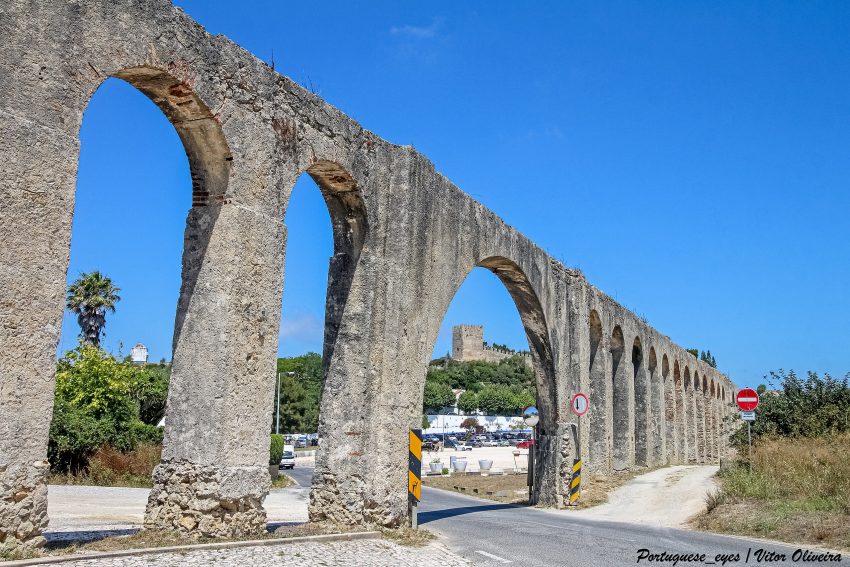
The Aqueduto de Óbidos is one of those landmarks you don't just “see” once-you keep catching it from different angles as you approach the walled town, a long run of arches cutting across orchards and open countryside. Built to bring water into Óbidos, it's both practical infrastructure and a quietly dramatic piece of scenery, especially when you stand close enough to appreciate the rhythm of its masonry and the way it frames the horizon.
It's one of the things to see in Óbidos if you want something calmer than the busiest lanes inside the walls, and it fits naturally into a walking tour of Óbidos as a short detour before or after the main gate. Even a 20-minute wander alongside the arches gives you a different, more spacious perspective on the town's medieval silhouette.
Table of Contents
- History and Significance of the Aqueduto de Óbidos
- Things to See and Do in the Aqueduto de Óbidos
- How to Get to the Aqueduto de Óbidos
- Practical Tips on Visiting the Aqueduto de Óbidos
- Where to Stay Close to the Aqueduto de Óbidos
- Is the Aqueduto de Óbidos Worth Visiting?
- For Different Travelers
- FAQs for Visiting Aqueduto de Óbidos
- Nearby Attractions to the Aqueduto de Óbidos
History and Significance of the Aqueduto de Óbidos
Construction began in the 1570s as part of a wider effort to modernise Óbidos’ urban life, bringing a more reliable water supply into the town. The project was funded under royal patronage and linked to Queen D. Catarina de Áustria, reflecting how essential water infrastructure was to public health, fountains, and day-to-day life in a fortified settlement.
What makes this aqueduct particularly interesting is that it is not just a single “monument moment” near the gate. It's a system: a visible stretch of arches across the landscape combined with subterranean sections that carried water into the heart of Óbidos, feeding public fountains and practical drinking points.
Today, the aqueduct's value is as much cultural as functional. It's a reminder that the story of Óbidos isn't confined to castle walls and medieval streets-Renaissance-era engineering and civic planning shaped the town too, and the aqueduct is one of the clearest, most walkable traces of that period.
Things to See and Do in the Aqueduto de Óbidos
Start near the town side, where the arches are easiest to appreciate up close and where you can frame classic photos with Óbidos’ walls in the background. This is also the best section for noticing the changing scale of the arches as the land rises and dips, and for seeing how the structure “fits” the terrain rather than flattening it.
Next, follow the line of the aqueduct outward for a short countryside walk. You don’t need to cover the entire length to get the reward; even a gentle out-and-back stroll gives you orchard views, quieter air, and a sense of how water once travelled from the surrounding landscape into the town’s daily life.
If you’re visiting toward evening, the aqueduct can be especially atmospheric as the light softens and the arches become more sculptural. It’s an excellent counterpoint to the tight lanes inside the walls-less “storybook street,” more open-sky heritage.
How to Get to the Aqueduto de Óbidos
Lisbon Humberto Delgado Airport (LIS) is the closest major airport for most travellers arriving internationally. For the best deals and a seamless booking experience, check out these flights to Óbidos on Booking.com.
Óbidos has a small station on the Linha do Oeste, with regional rail services linking it with Lisbon and other towns along the Silver Coast. Train schedules and bookings can be found on Omio.
Direct buses from Lisbon are often the simplest option for day-trippers, typically dropping you close to the town’s approach roads and an easy walk to the walls.
Driving is very straightforward via the A8, and it’s best to park outside the walls and walk toward the main gate, where you can pick up the closest, most photogenic stretch of arches. If you are looking to rent a car in Portugal I recommend having a look at Discover Cars, first, as they compare prices and review multiple car rental agencies for you.
Practical Tips on Visiting the Aqueduto de Óbidos
- Entrance fee: Free
- Opening hours: 24 Hours
- Official website: https://www.cm-obidos.pt/viver/cultura-e-patrimonio/cultura/patrimonio-e-espacos-culturais/monumentos-da-vila-de-obidos/poi/aqueduto
- Best time to visit: Early morning for quiet photos and empty paths, or late afternoon for softer light on the stonework and a calmer atmosphere.
- How long to spend: 20-45 minutes for a satisfying walk-and-photo stop, longer if you want a countryside stroll along the line of the arches.
- Accessibility: The closest sections near town are the easiest, but paths can be uneven and weather-dependent once you head further into the countryside.
- Facilities: There are no dedicated facilities along the aqueduct itself, so plan cafés and restrooms inside the old town before or after your walk.
Where to Stay Close to the Aqueduto de Óbidos
For a culture-heavy itinerary, base yourself inside Óbidos’ walls so you can explore early and late without the day-trip crowds; if your focus is easy parking and quick road access for Silver Coast day trips, stay just outside the gates and walk in for sightseeing. For the most atmospheric option with immediate access to the historic core, Pousada Castelo de Óbidos delivers the full “walled town” experience. If you want a smaller, characterful stay steps from the centre, Casa das Senhoras Rainhas is an excellent, walk-everywhere base. For a practical stay right by the walls with easy arrivals and departures, Hotel Real D'Óbidos is a convenient choice.
Is the Aqueduto de Óbidos Worth Visiting?
Yes, especially if you want a quieter, more spacious side of Óbidos beyond the crowded lanes. It's a simple visit that delivers big visual payoff, and it adds an unexpected layer to the town's story-less medieval romance, more Renaissance civic engineering.
It’s also worth it because it pairs so well with the rest of the day. You can do the aqueduct as a calm “arrival walk,” then step through the gate into the bustle of the old town, or reverse it as a decompression stroll after castle walls and narrow streets.
What Other Travellers Say...

Aqueduto de Usseira, in Óbidos, is a well-preserved aqueduct notable for its long run of arches visible from nearby parking and offering expansive, photogenic views; visitors note easy parking (including a free lot opposite the paid one the GPS may suggest) and say it's pleasant to walk around or beneath the structure and appreciate its engineering close to Óbidos Castle.


For Different Travelers
Personalized tips to match your travel style.
Families with Kids
This is a good stop for kids because it’s open-air and flexible: you can keep it short, let them run a little, and turn it into a quick “count the arches” game without needing museum-style attention. Pair it with a treat inside the walls afterwards so the walk feels like part of a fun loop, not a separate chore.
If you have a stroller, stick to the most accessible sections closest to town and avoid pushing too far into rougher paths. A short photo-and-wander stop is usually the sweet spot for families before moving on to the castle area.
Couples & Romantic Getaways
For couples, the aqueduct is a calm, scenic counterbalance to the busy centre-ideal for a slower walk and a few unhurried photos. Late afternoon tends to feel the most romantic, when the stone takes on warmer tones and the countryside views soften.
Use it as a “quiet chapter” in the day: aqueduct stroll first, then dinner reservations inside the walls, or the reverse if you want a peaceful wind-down. It’s also a great place to step away from crowds without leaving Óbidos’ historic atmosphere behind.
Budget Travelers
The aqueduct is an easy win because it's completely free and delivers a memorable visual experience with almost no planning. If you're building a low-cost day in Óbidos, it's a perfect anchor alongside free highlights like viewpoints, gates, and exterior wall walks.
Make it part of a walking loop rather than a standalone trek. A short out-and-back along the closest arches, then back into town for free street scenes and one carefully chosen paid experience (only if you want it) keeps the budget under control.
FAQs for Visiting Aqueduto de Óbidos
Getting There
Tickets & Entry
Visiting Experience
Tours, Context & Itineraries
Photography
Accessibility & Facilities
Food & Breaks Nearby
Safety & Timing
Nearby Attractions to the Aqueduto de Óbidos
- Óbidos Castle: The town's headline landmark, with elevated views and a strong sense of the fortress-city story.
- Porta da Vila: The iconic main gate and the classic entry point for your old-town loop.
- Rua Direita: Óbidos’ central lane for wandering, browsing, and soaking up the medieval street scene.
- Praça de Santa Maria: The historic square by the parish church and pillory, ideal for a slower pause and people-watching.
- Lagoa de Óbidos: A nearby lagoon for a nature break and a different side of the region beyond the walls.
The Aqueduto de Óbidos appears in our Complete Guide to Visiting Óbidos!

Moira & Andy
Hey! We're Moira & Andy. From hiking the Camino to trips around Europe in Bert our campervan — we've been traveling together since retirement in 2020!
This website uses affiliate links which may earn a commission at no additional cost to you!
Planning Your Visit
24 Hours
Free
Nearby Attractions
- Porta da Vila (0.2) km
Church and City Gate - Museu Municipal de Óbidos (0.5) km
Museum - Praça de Santa Maria (0.5) km
Square - Castelo de Óbidos (0.7) km
Castle - Santuário do Senhor Jesus da Pedra (1.0) km
Church - Fort of São João Batista de Esposende (30.9) km
Historic Building and Lighthouse - Sintra National Palace (65.4) km
Palace - Palácio e Quinta da Regaleira (65.7) km
Palace - Castelo dos Mouros (66.0) km
Castle - Pena Palace (66.5) km
Palace