Antiguo Hospicio Provincial de Oviedo
Attraction, Historic Building and Historic Site in Oviedo
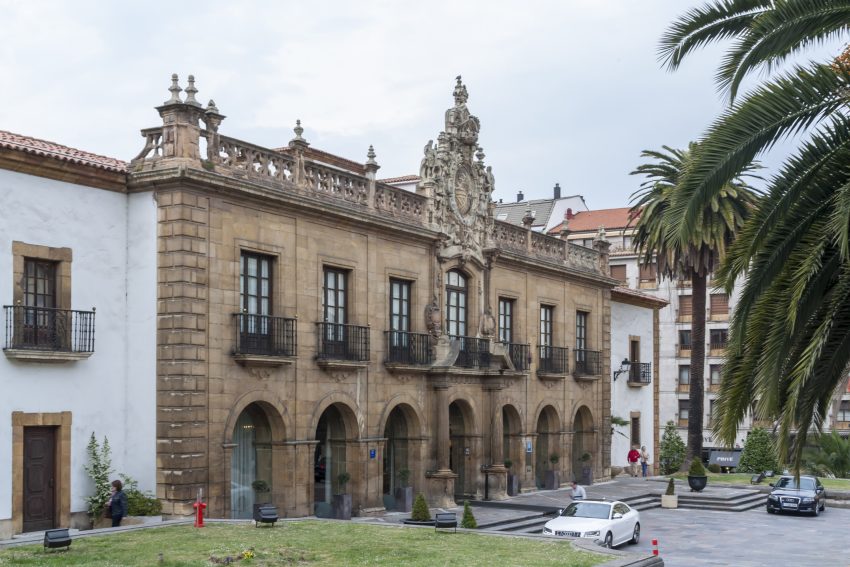
The Antiguo Hospicio Provincial de Oviedo is one of Oviedo's most recognizable historic buildings, set just off the city's central avenues and within easy reach of the Old Town. Today it's best known for its grand baroque façade, its elegant interior courtyards, and its role as a high-profile cultural backdrop in the city.
Even if you're not staying here, it's a rewarding stop on a walking tour: approach from the nearby Parque de San Francisco for a great first view, then continue toward the historic center to connect it with Oviedo's cathedral area and museums. The best places to see it are from the street for the façade details, and from inside the entrance areas if access is available.
Table of Contents
- History and Significance of the Antiguo Hospicio Provincial de Oviedo
- Things to See and Do in the Antiguo Hospicio Provincial de Oviedo
- How to Get to the Antiguo Hospicio Provincial de Oviedo
- Practical Tips on Visiting the Antiguo Hospicio Provincial de Oviedo
- Where to Stay Close to the Antiguo Hospicio Provincial de Oviedo
- Is the Antiguo Hospicio Provincial de Oviedo Worth Visiting?
- For Different Travelers
- FAQs for Visiting Antiguo Hospicio Provincial de Oviedo
- Nearby Attractions to the Antiguo Hospicio Provincial de Oviedo
History and Significance of the Antiguo Hospicio Provincial de Oviedo
The building began life in the 18th century as a charitable institution: a combined hospicio and hospital intended to shelter and support vulnerable people, including orphans and the destitute. Its scale and formal design reflected both civic ambition and a practical need for a large, organized complex with light, ventilation, and internal circulation.
Architecturally, it stands out for its monumental baroque presence and its carefully planned interior spaces, including multiple patios that structure the complex. Over time, the building’s function shifted, and it became closely tied to Oviedo’s modern public life through events, ceremonies, and high-visibility gatherings.
In contemporary Oviedo, the Antiguo Hospicio's significance is twofold: it's a major heritage landmark and also a living, working building whose interiors (when accessible) give you a rare chance to experience historic architecture in everyday use rather than behind museum ropes.
Things to See and Do in the Antiguo Hospicio Provincial de Oviedo
Start outside with the main façade: look for the symmetry, the stonework, and the overall sense of ceremony the building projects onto the street. It’s especially photogenic in softer light, when the relief details read more clearly and the scale feels even more dramatic.
If you can enter, the courtyards are the highlight. The contrast between the busy city outside and the calm, ordered patios inside is part of the experience, and the wooden galleries around the courtyards are a distinctive feature of northern Spanish craftsmanship.
If you’re building a day around it, pair this stop with a short loop: Antiguo Hospicio to Parque de San Francisco, then onward to the Old Town for the cathedral surroundings and museums. It works particularly well as a “between sights” landmark that adds architectural depth to a walking itinerary.
How to Get to the Antiguo Hospicio Provincial de Oviedo
The nearest airport is Asturias Airport (OVD), with additional options via larger hubs such as Santander Airport (SDR) if you're comparing schedules and prices. For the best deals and a seamless booking experience, check out these flights to Oviedo on Booking.com.
Oviedo is well connected by rail, and arriving by train is an easy way to start a car-free visit, especially if you plan to focus on the center and the Old Town. Train schedules and bookings can be found on Omio.
If you’re driving, aim for central parking and finish the last stretch on foot, since the most enjoyable approach is a short walk through Oviedo’s core streets. If you are looking to rent a car in Spain I recommend having a look at Discover Cars, first, as they compare prices and review multiple car rental agencies for you.
Practical Tips on Visiting the Antiguo Hospicio Provincial de Oviedo
- Entrance fee: Check official website.
- Opening hours: Check official website.
- Best time to visit: Go in the morning for quieter streets and cleaner façade photos, or late afternoon for warmer light on the stonework.
- How long to spend: Plan 15–30 minutes for exterior viewing and photos; allow longer if you’re combining it with nearby parks and the Old Town.
- Accessibility: Street-level viewing is straightforward, but interior access and step-free routes can vary depending on which areas are open to visitors.
- Facilities: Nearby cafés and services are plentiful in central Oviedo; if you enter the building, facilities depend on which areas are accessible to non-guests.
Where to Stay Close to the Antiguo Hospicio Provincial de Oviedo
Base yourself in central Oviedo so you can walk everywhere, especially between the Antiguo Hospicio, Parque de San Francisco, and the Old Town.
Eurostars Hotel de la Reconquista This is the obvious choice if you want to sleep inside the landmark itself, with a classic, formal atmosphere and an unbeatable location for walking.
Barceló Oviedo Cervantes A polished, comfortable option near the center that works well for travelers who want modern convenience while staying close to the main sights.
NH Oviedo Principado A practical pick for being close to the Old Town edge and central shopping streets, making it easy to build a walkable itinerary.
Hotel Fruela A solid mid-range base near the city’s central pedestrian areas, ideal if you want a straightforward stay and quick access to restaurants.
Ibis Budget Oviedo A budget-friendly option that can work well if you’re prioritizing value and don’t mind commuting a bit on foot or by local transport to the very center.
Is the Antiguo Hospicio Provincial de Oviedo Worth Visiting?
Yes, it's worth visiting as a quick, high-impact architectural stop: the exterior is impressive, and the building's story adds depth to any Oviedo walk. It's also a great “anchor sight” because it sits naturally between parks, shopping streets, and the historic center.
Honest Pivot: If you’re short on time and prefer attractions with guaranteed public interiors (museums with fixed ticketing and galleries), you might skip it and focus on the cathedral area and museums instead. The experience here can be more about exterior appreciation and atmosphere than a structured visitor route.
What Other Travellers Say...


For Different Travelers
The Antiguo Hospicio Provincial de Oviedo fits neatly into most Oviedo itineraries because it doesn't demand a big time commitment. Think of it as a scenic, story-rich stop that complements the city's parks, Old Town lanes, and cultural venues.
Families with Kids
For families, it works best as a short stop with a simple “spot the details” game on the façade and a quick reset before heading to greener spaces. Pair it with Parque de San Francisco so kids can run around after a few minutes of architecture.
If you can access interior areas, the courtyards can feel like a calm, contained space that’s easier than a long museum visit. Keep expectations flexible, since what’s accessible can vary.
Couples & Romantic Getaways
Couples will appreciate the elegance and sense of occasion around the building, especially if you time your visit for golden-hour light. It's a strong photo stop that feels distinctly Oviedo rather than a generic landmark.
For a romantic flow, combine it with a stroll through nearby streets, a café stop, and an evening plan around Oviedo’s cultural scene. The building’s prestige and atmosphere add a “special trip” tone.
Budget Travelers
Budget travelers can enjoy this as a mostly free, walk-by highlight that still feels grand and memorable. It’s ideal for a self-guided architecture walk that includes parks, plazas, and Old Town viewpoints.
If you’re watching costs, plan your day around walkable clusters so you don’t need taxis, and treat this as one of several short stops rather than a single paid attraction.
History Buffs
History lovers will enjoy connecting the building’s original social purpose with its later civic and cultural role. It’s a tangible reminder of how institutions and city priorities evolve over centuries.
To deepen the visit, link it with nearby historic sites in the center and look for architectural contrasts between baroque grandeur and the medieval fabric of the Old Town.
FAQs for Visiting Antiguo Hospicio Provincial de Oviedo
Getting There
Tickets & Entry
Visiting Experience
Tours, Context & Itineraries
Photography
Accessibility & Facilities
Food & Breaks Nearby
Safety & Timing
Nearby Attractions to the Antiguo Hospicio Provincial de Oviedo
- Parque de San Francisco: Oviedo’s classic central park, perfect for a relaxing stroll right near the city’s main sights.
- Teatro Campoamor: A key cultural venue in Oviedo, closely linked to major events and a great stop for architecture lovers.
- Catedral de San Salvador de Oviedo: The city's landmark cathedral area, ideal for history, atmosphere, and Old Town wandering.
- Museo de Bellas Artes de Asturias: A strong fine-arts museum option in the historic center, easy to combine with a walking day.
- Plaza del Fontán: A lively historic square and market area that's great for photos, snacks, and soaking up local city life.
The Antiguo Hospicio Provincial de Oviedo appears in our Complete Guide to Visiting Oviedo!

Moira & Andy
Hey! We're Moira & Andy. From hiking the Camino to trips around Europe in Bert our campervan — we've been traveling together since retirement in 2020!
This website uses affiliate links which may earn a commission at no additional cost to you!
Planning Your Visit
Check official website.
Check official website.
Nearby Attractions
- Casas del Cuitu (0.2) km
Attraction, Historic Building and Historic Site - Capilla de las Esclavas del Sagrado Corazón (0.2) km
Church, Historic Building and Religious Building - Calle Uría (0.3) km
Area, Attraction and Street - Plaza de España (0.3) km
Area and Square - Basilica of St. John The Real (0.3) km
Basilica, Church and Religious Building - San Francisco Park (0.3) km
Park - Acueducto de los Pilares (0.4) km
Aqueduct, Attraction and Historic Site - Sacred Heart of Jesus Church (0.4) km
Church and Religious Building - Centro Social Villa Magdalena (0.5) km
Arts Venue, Attraction and Historic Building - Teatro Campoamor (0.5) km
Arts Venue, Opera House and Theatre