Self-Guided Walking Tour of Oviedo (2026)
This website uses affiliate links which earn a small commission at no additional cost to you.
Oviedo is the kind of city that rewards walking: compact, elegant, and packed with layers of history that reveal themselves street by street. This self-guided route links together the old town's most atmospheric corners with a few standout modern landmarks, so you can set your own pace while still seeing the highlights in a logical order. It's ideal if you want a structured day out without committing to a guided group, with plenty of natural breaks for coffee, shopping, and a long lunch.
As you wander, you'll move between grand civic spaces, medieval traces of the city's origins, and the everyday rhythm of Asturias' capital. Expect a mix of handsome architecture, inviting plazas, and small details that make Oviedo feel lived-in rather than museum-like. Along the way you'll pass places that locals use daily-markets, pedestrian streets, and sidrerías-so the route feels as much like a cultural snapshot as a checklist of sights.
If you're trying to fit Oviedo into a short stay, this walking tour is one of the simplest ways to cover the best things to see in Oviedo without doubling back. You can complete it in a few hours if you're brisk, or stretch it into most of a day by adding museum time, cathedral interiors, and a proper cider stop. Either way, walking keeps the city's scale and character intact-you'll come away with a strong sense of how Oviedo fits together, not just a collection of photos.
Table of Contents
- How to Get to Oviedo
- Where to Stay in Oviedo
- Cathedral of San Salvador
- Palacio de Valdecarzana-Heredia
- Capilla de la Balesquida
- Museum of Fine Arts of Asturias
- La Lechera
- Estatua “Pescadera”
- Oviedo Town Hall
- Plaza de la Constitución
- Iglesia de San Isidoro el Real
- Plaza del Fontán
- Vendedoras del Fontán
- Junta General del Principado de Asturias
- Campo de San Francisco
- Plaza de España
- Antiguo Hospicio Provincial de Oviedo
- Capilla de las Esclavas del Sagrado Corazón
- Calle Uría
- Teatro Campoamor
- Casa de los Campomanes
How to Get to Oviedo
By Air: Oviedo does not have its own airport, so most visitors fly into Asturias Airport (OVD), located near the coast between Avilés and Gijón. From the airport, the simplest onward option is an airport coach to Oviedo (typically to the main bus station), or you can take a taxi or hire a car for a direct run into the city. If you are arriving via Madrid or Barcelona, you may also find it efficient to fly into those hubs and continue to Oviedo by train, depending on schedules and prices. For the best deals and a seamless booking experience, check out these flights to Oviedo on Booking.com.
By Train: Oviedo is well connected by rail within Asturias and to major Spanish cities, making train travel a practical choice if you are coming from Madrid, León, or other northern regions. Services typically arrive at Oviedo's main stations, putting you close to the centre and within easy reach of hotels and the start of a self-guided walking route. If you are already in Asturias, trains are also a straightforward way to hop between Oviedo, Gijón, and Avilés without dealing with parking. Train schedules and bookings can be found on Omio.
By Car: Driving to Oviedo is straightforward, with fast road links across Asturias and onward connections to the wider north of Spain. A car is useful if you are combining the city with coastal stops, mountain villages, or viewpoints where public transport is limited, but it is less convenient once you are in the centre due to traffic restrictions and paid parking. If you do drive in, consider using a hotel garage or a public car park and then exploring the historic core on foot. If you are looking to rent a car in Spain I recommend having a look at Discover Cars, first, as they compare prices and review multiple car rental agencies for you.
By Bus: Long-distance and regional buses can be a cost-effective way to reach Oviedo, particularly from other Asturian towns and nearby regions in northern Spain. Coaches usually arrive at the main bus station, which is well placed for continuing on foot or by a short taxi ride to your accommodation. Bus travel can also be handy if train times are limited for your route or if you prefer more frequent departures.
I'll quickly identify the most walkable base areas in Oviedo for your route (Old Town, Centro, Campo de San Francisco, etc.), then recommend well-located hotels in each area using your shortcode format, with multiple hotels per paragraph and no headings beyond the required H2.
Where to Stay in Oviedo
To make the most of visiting Oviedo and this walking tour, consider staying overnight in or very close to the centre, so you can start early, take breaks easily, and enjoy the city once the day-trippers thin out. The most convenient base for a walk-first itinerary is the Old Town around the Cathedral, Plaza de la Constitución, El Fontán, and Calle Gascona, where you are surrounded by the classic Oviedo streetscape and can slip out for cider and tapas without needing transport. Well-placed options here include Gran Hotel España, Soho Boutique Oviedo, and Exe Hotel El Magistral, all of which keep you within an easy stroll of the main sights and the liveliest evening streets. If you want to be especially close to the cider boulevard while still walking into the historic core in minutes, Sercotel Ciudad de Oviedo is also a strong, practical base.
If you prefer a slightly more open, elegant feel while staying central, look around Campo de San Francisco and the university area, where you get greenery, broad avenues, and an easy walk into both the Old Town and the main shopping streets. This is a good pick if you like starting the morning with a park stroll, or if you want a calmer feel at night while still being close enough to dip back into the historic centre for dinner. Good choices in this zone include NH Oviedo Principado, Eurostars Hotel de la Reconquista, and Hotel Campoamor, all of which keep the walking tour comfortably “doorstep easy” while offering quick access to parks, theatres, and the city’s more polished central streets.
For maximum transport convenience (especially if you are arriving late, leaving early, or planning day trips by rail or bus), the Calle Uría and station-side area works very well and is still walkable to the Cathedral and Old Town in roughly 10-20 minutes depending on your exact route. This is the best base if you want shops, cafés, and straightforward logistics, with the added bonus that you can finish the tour and be back near transport hubs quickly. Consider Barceló Oviedo Cervantes, Exe Oviedo Centro, and AC Hotel Oviedo Forum, which are particularly handy if you value fast check-ins, easy onward connections, and a simple start point for a self-guided route.
1. Cathedral of San Salvador
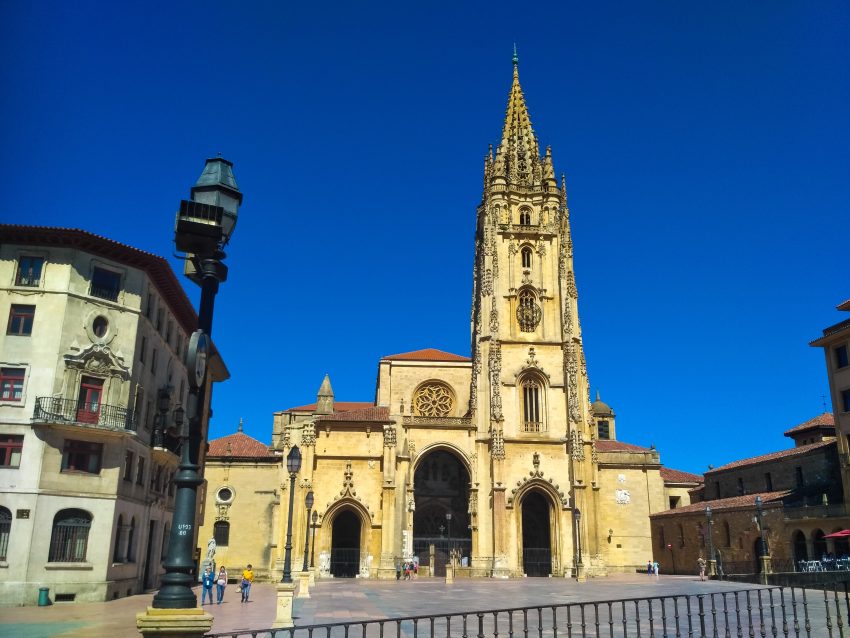
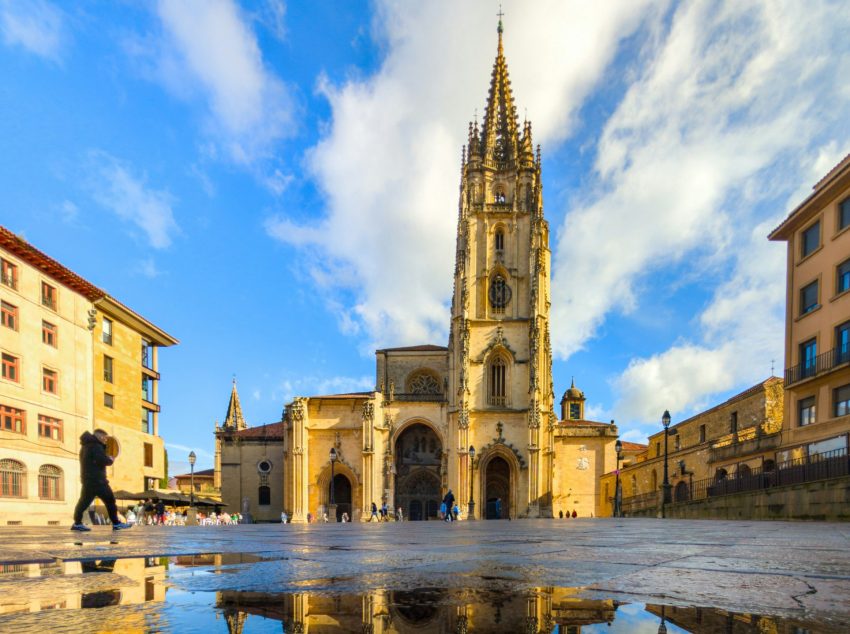
Oviedo’s Cathedral of San Salvador is the city’s defining monument, rising over the old quarter as a largely Gothic complex built and expanded over several centuries from the late Middle Ages. It sits on ground that was already sacred in the early medieval period, and the cathedral grew alongside Oviedo’s importance as a religious and political centre in the Kingdom of Asturias and later León and Castile. Its long construction history is part of the appeal: you can read different phases in the structure, from austere medieval stonework to later additions.
The most famous historic space is the Cámara Santa, an early medieval chapel and reliquary chamber integrated into the cathedral complex and closely tied to Oviedo’s reputation as a city of relics. This tradition helped put Oviedo on pilgrimage routes, and it still shapes the visitor experience today. The cathedral treasury and chapels preserve that sense of Oviedo as a place where faith, power, and artistry were intertwined.
What to see on site starts with the exterior viewpoints around the plaza, where the cathedral’s tower and buttresses dominate the skyline, then continues inside with chapels, vaulting, carved choirwork, and the treasury spaces. If you have time, climb for elevated views across the rooftops of the Casco Antiguo, and slow down in the quieter corners where the building’s atmosphere feels most medieval. The cathedral also rewards repeat visits at different times of day, when the light changes the stone and the surrounding streets become calmer.
Location: Pl. Alfonso II el Casto, s/n, 33003 Oviedo, Asturias, Spain | Hours: (Winter) January 1 – February 28 & November 1 – December 31; Monday – Saturday: 10:00–13:00 & 16:00–17:00. Closed on Sunday. (Summer) March 1 – October 31; Monday – Saturday: 10:00–13:00 & 16:00–18:00. Closed on Sunday. | Price: Adults (18–65): €8; Seniors (65+): €7; Students (13–17) & university (under 25): €5; Pilgrims/families large/unemployed: €4; Under 12: free; Tower guided visit: €10. | Website


2. Palacio de Valdecarzana-Heredia
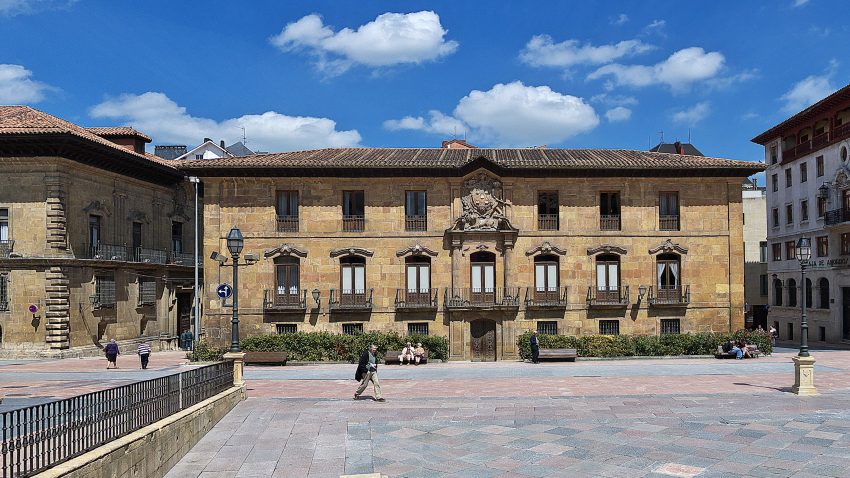
Palacio de Valdecarzana-Heredia is a standout example of Oviedo’s aristocratic architecture, the kind of urban palace that signals wealth, lineage, and a taste for formal design. It belongs to the historic pattern of noble families establishing prominent residences in the centre, close to the city’s civic and religious landmarks. Even among Oviedo’s older buildings, palacios carry a distinctive presence—more monumental than a typical townhouse, but still integrated into the street fabric.
Historically, palaces like this are markers of Asturias’ social structure over the early modern period, when urban influence mattered alongside rural estates. Their façades often feature carefully carved stonework, symmetrical arrangements, and occasionally heraldic motifs that acted as visual statements of identity. Over centuries, many have been repurposed, which adds another layer to their story: permanence in form, flexibility in function.
What to see is the exterior detailing and overall massing—how the palace “sits” in the street and commands attention without needing height. Look for carved stone frames, balconies, and any coats of arms that hint at family histories. If you can access a courtyard or interior spaces (depending on current use), you will often find the most revealing architectural features there, where layout and proportions still reflect the original intent.
Location: C. de San Juan, 2, 33003 Oviedo, Asturias, Spain | Hours: 24 Hours. | Price: Free.
3. Capilla de la Balesquida
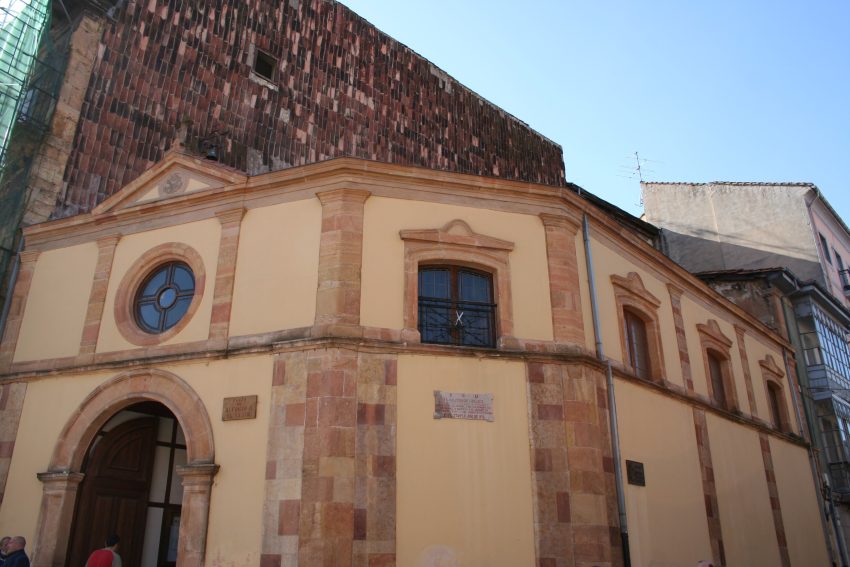
Capilla de la Balesquida is one of Oviedo’s most distinctive small religious monuments, closely tied to local tradition and civic-religious festivals. Unlike the cathedral’s scale and grandeur, this chapel feels intimate and rooted in neighbourhood identity, the kind of place that connects everyday Oviedo with older devotional customs. It is a good reminder that the city’s religious history is not only monumental—it is also local, communal, and sometimes surprisingly personal.
Historically, the chapel is associated with charitable foundations and the long-standing relationship between faith and community support in Oviedo. Its story is often told alongside local celebrations that reinforce a sense of continuity in the city, where medieval-era traditions still echo in modern public life. The chapel’s survival and care reflect how strongly Oviedo values these smaller heritage sites.
What to see includes the chapel’s exterior character and the atmosphere of its immediate surroundings. If it is open, step inside for a quick sense of scale and devotional detail. Even if it is closed, use it as a “story stop” on your walk: from here, it is easy to imagine older Oviedo—a smaller city where these chapels were woven into daily routine, not visited as attractions but lived as part of community life.
Location: Pl. Alfonso II el Casto, 16, 33003 Oviedo, Asturias, Spain | Hours: Monday – Sunday: 09:00–21:00. | Price: Free; donations appreciated. | Website
4. Museum of Fine Arts of Asturias
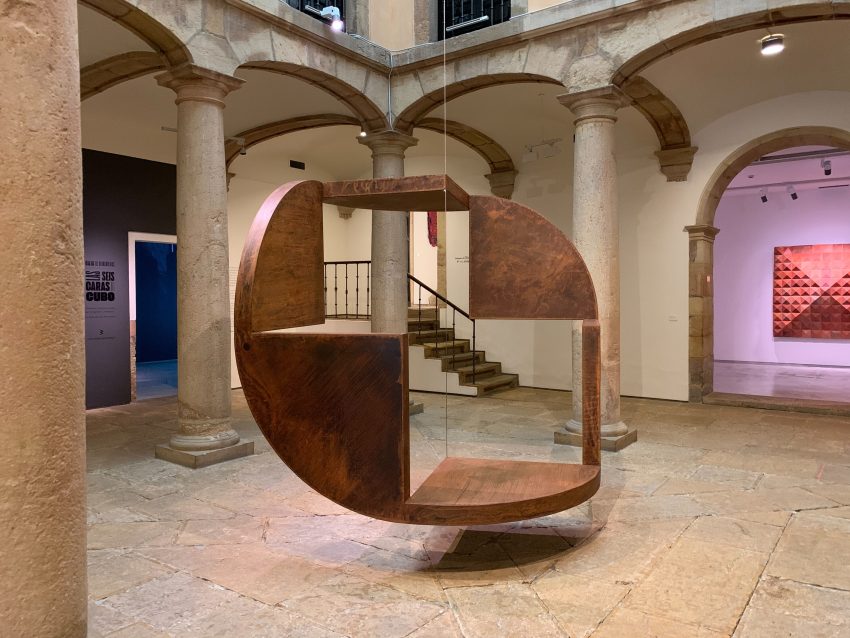
The Museum of Fine Arts of Asturias is one of the region’s key cultural institutions, created to preserve and present Asturias’ artistic heritage while placing it in conversation with broader Spanish and European art. It occupies historic buildings in the old town, so the museum experience begins before you see a single canvas: the setting itself is a lesson in how Oviedo layers centuries of architecture into everyday city life.
Historically, its collection has grown through a mix of public acquisitions, deposits, and private donations, with a strong emphasis on Asturian artists alongside major names from Spain’s wider artistic tradition. That balance matters in Oviedo, where local identity is woven into civic life: the museum is not just a gallery, but a way of telling the region’s story through portraiture, religious art, landscapes, and modern works.
What to see depends on your tastes, but the highlights usually come from moving between periods, noting how styles shift from sacred medieval and early modern imagery to later portraiture and contemporary work. Look for rooms that foreground Asturias’ painters and themes, then compare them with better-known Spanish masters to see what feels distinctively northern in palette and subject. The museum is also a good “reset stop” during a walking tour: quiet, air-conditioned, and close to many of Oviedo’s landmark streets.
Location: C. Sta. Ana, 1-3, 33003 Oviedo, Asturias, Spain | Hours: (Summer) July 1 – August 31; Tuesday – Saturday: 10:30–14:00 & 16:00–20:00. Sunday: 10:30–14:30. Closed on Monday. (Winter) September 1 – June 30; Tuesday – Friday: 10:30–14:00 & 16:30–20:30. Saturday: 11:30–14:00 & 17:00–20:00. Sunday: 11:30–14:30. Closed on Monday. | Price: Free. | Website
5. La Lechera
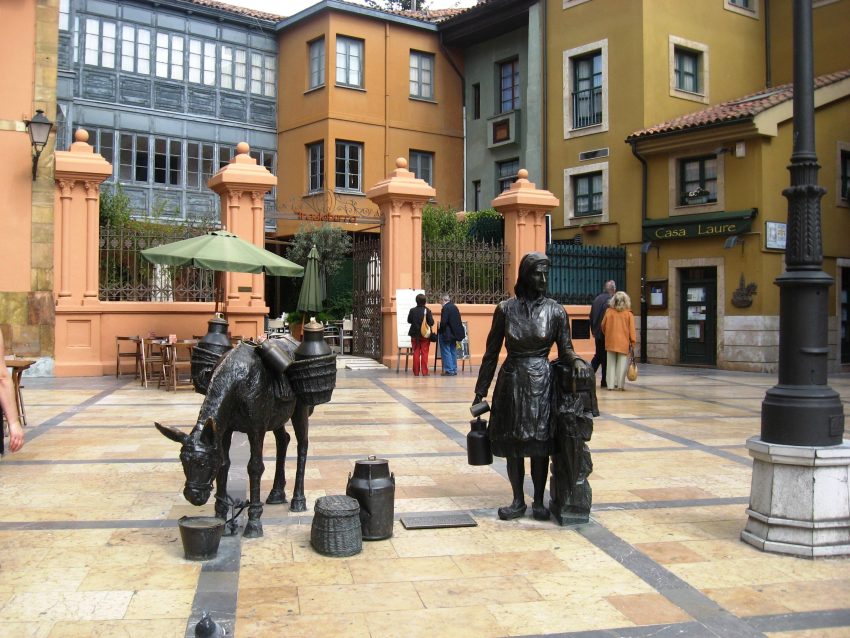
La Lechera is a modern public sculpture by Manuel García Linares, installed in 1996, and it offers a sharp contrast to Oviedo’s medieval stonework and aristocratic façades. The work references the everyday economy and social history of Asturias, where dairy and rural production have long been central to identity and livelihood. Including it on a walking route adds a useful layer: Oviedo is not only about cathedrals and palaces, but also about the lives and labour that shaped the region.
Historically, late 20th-century public art in Spanish cities often aimed to humanise civic space and recognise local themes in a contemporary language. La Lechera fits that approach, using a familiar figure to anchor memory in the street rather than in a museum. It is the kind of piece locals use as a meeting point or shorthand landmark, which is often the clearest sign that public art has become part of a city’s daily life.
What to see is best approached by looking at how the sculpture interacts with its setting: sightlines, nearby façades, and the pace of pedestrian movement around it. Take a moment to read the work as both image and idea—why this figure, why here, and what it says about Asturias’ relationship with rural traditions. It is also an easy photo stop that adds variety to a route otherwise dominated by stone architecture and formal civic spaces.
Location: Calle Adolfo Álvarez Folguer, 11, 33003 Oviedo, Asturias, Spain | Hours: 24 Hours. | Price: Free.
6. Estatua “Pescadera”
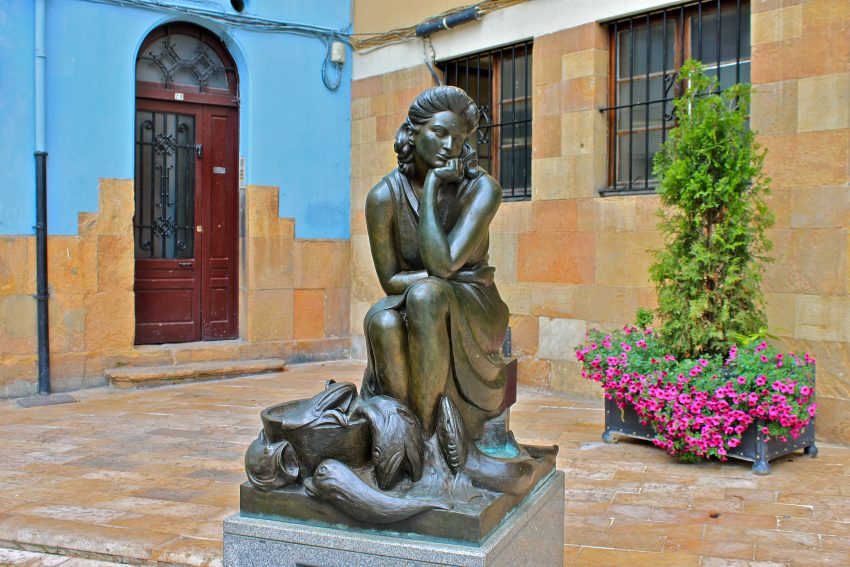
The Estatua “Pescadera” is one of Oviedo’s everyday heritage markers, celebrating the figure of the fish seller and the market life that has long kept the city running. Like other working-life sculptures in Spain, it shifts attention away from elites and institutions and toward the people who shaped the city through routine labour. It is a small stop, but it adds social texture to a walking route that might otherwise focus only on monumental architecture.
Historically, fish selling was not simply retail—it was part of the supply chain that connected coastal Asturias with inland towns like Oviedo, and it carried its own rhythms, calls, and traditions. Public sculptures of market workers often appear in modern urban programmes that aimed to honour local identity and make civic space feel more human. The Pescadera figure therefore functions both as commemoration and as a piece of street-level storytelling.
What to see is the sculpture’s detail—pose, expression, and the way it captures movement—then the immediate surroundings that give it context. It is worth pausing for a moment to imagine the older market sounds and routines that the figure represents. Practically, it also makes a good meeting point or “you are here” reference on a self-guided route through the centre.
Location: Pl. Trascorrales, 24, 33009 Oviedo, Asturias, Spain | Hours: 24 Hours. | Price: Free.
7. Oviedo Town Hall
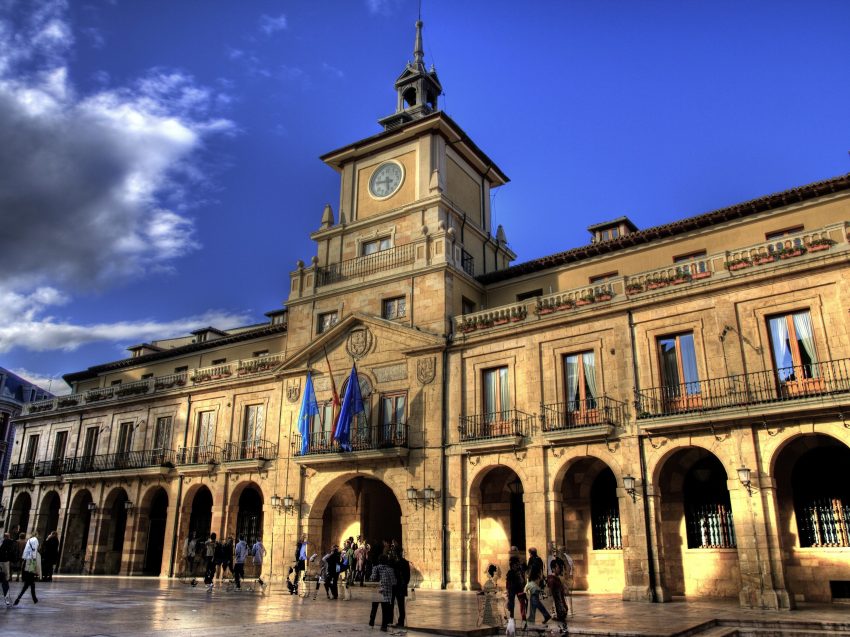
Oviedo Town Hall anchors the city’s main civic square and represents the continuity of municipal government in the historic centre. Town halls in Spain are more than administrative offices: they are symbols of local identity, the place where decisions become visible and where ceremonies, announcements, and public celebrations take shape. In Oviedo, its presence reinforces how the old town functions not as a preserved museum district, but as a living civic core.
Historically, the building’s role matters as much as its architecture. This is the institutional “front door” of the city, positioned to face the public realm directly, with the square acting as a gathering space for everyday life and formal moments alike. Over centuries, as Oviedo expanded beyond its medieval footprint, the Town Hall’s location kept the centre of gravity in the old town, tying modern city life to older streets and traditions.
What to see starts with the façade and its relationship to the plaza: stand back to take in the symmetry, then move closer to notice decorative elements and how the building is designed to be read from the square. This is also a useful orientation point on foot—an easy place to pause, regroup, and choose your next streets. In the early evening, the square often feels at its most “local,” with cafés and conversation softening the official character of the setting.
Location: Pl. de la Constitución, 33009 Oviedo, Asturias, Spain | Hours: Check official website. | Price: Free. | Website
8. Plaza de la Constitución
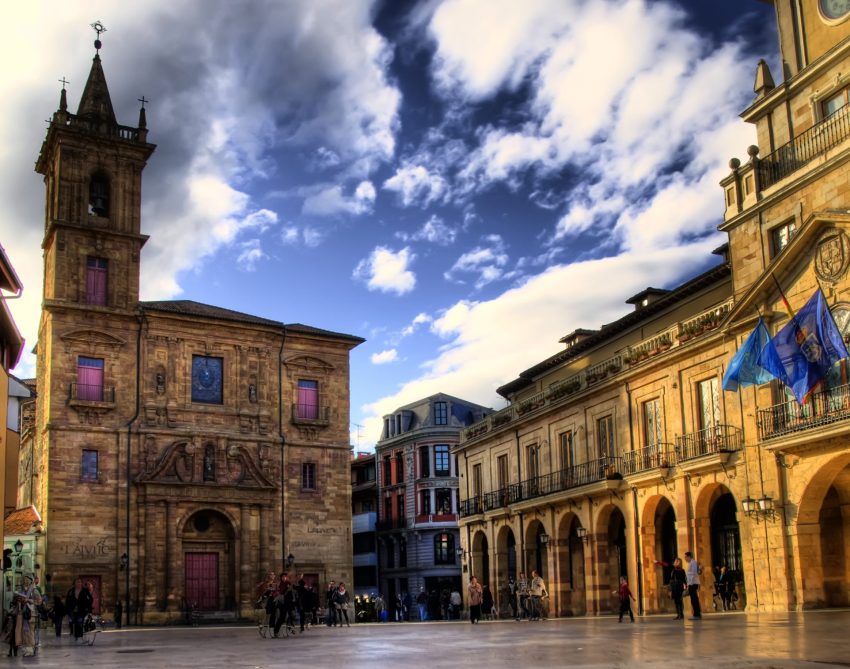
Plaza de la Constitución is Oviedo’s historic civic heart, a square shaped by the rhythms of local government, public ceremony, and everyday social life. For centuries, this is the kind of place where notices were posted, disputes were heard, celebrations unfolded, and the city’s identity was performed in public. Its name reflects modern constitutional Spain, but the square’s function as a focal point long predates the current title.
The defining building is the Ayuntamiento (Town Hall), whose formal façade anchors the plaza and expresses the power and permanence of the city’s institutions. Like many Spanish civic squares, it’s designed to be both practical and symbolic: a space for administration and a stage set for public life. Over time, as Oviedo modernised and expanded, this plaza remained a fixed reference point linking the medieval street pattern to newer neighbourhoods.
What to see here is partly architectural and partly experiential. Take a moment to study the Town Hall details, then look around the edges for the way cafés and street life soften the official tone of the square. It’s an ideal place to pause during a walk, especially in the evening when locals reclaim the centre and the lighting brings out the colour and texture of the façades. From here, you can slip easily into nearby streets that lead to the cathedral precinct and other old-town highlights.
Location: Pl. de la Constitución, Oviedo, 33009 Oviedo, Asturias, Spain | Hours: 24 Hours. | Price: Free. | Website
9. Iglesia de San Isidoro el Real
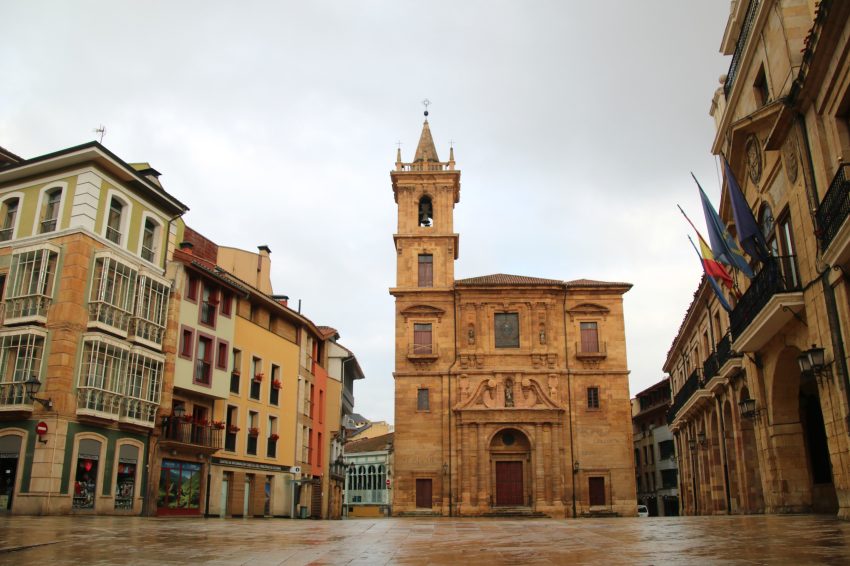
Iglesia de San Isidoro el Real is one of Oviedo’s important churches beyond the cathedral, adding depth to the city’s religious landscape and highlighting how parish life shaped different neighbourhoods. Churches dedicated to major figures like Saint Isidore reflect a broader Iberian tradition of linking local worship to the intellectual and ecclesiastical heritage of Spain. In Oviedo, it provides a complementary experience to the cathedral: less about pilgrimage-scale grandeur, more about how worship and community operated day to day.
Historically, parish churches often evolved through phases—repairs, enlargements, stylistic updates—responding to population changes and shifting tastes. Even when a church has been modified over time, it tends to preserve a strong sense of continuity through its plan, devotional imagery, and the way it anchors a small cluster of streets around it. This is part of what makes Oviedo such a good walking city: major monuments and neighbourhood churches sit close enough to feel like chapters of the same story.
What to see includes the exterior presence first—how the church marks its corner of the city—then the interior if it is open, where altars, chapels, and religious art give a clearer sense of character. Take a moment for the quieter atmosphere, which can be a welcome contrast after the busier plazas. If you are planning a self-guided route, this church works well as a “breather stop,” offering a calm interior and a chance to reset before continuing through the old town streets.
Location: Pl. de la Constitución, s/n, 33009 Oviedo, Asturias, Spain | Hours: Monday – Saturday: 10:30–13:00 & 18:00–19:30. Sunday: 10:30–13:30. | Price: Free; donations appreciated. | Website
10. Plaza del Fontán
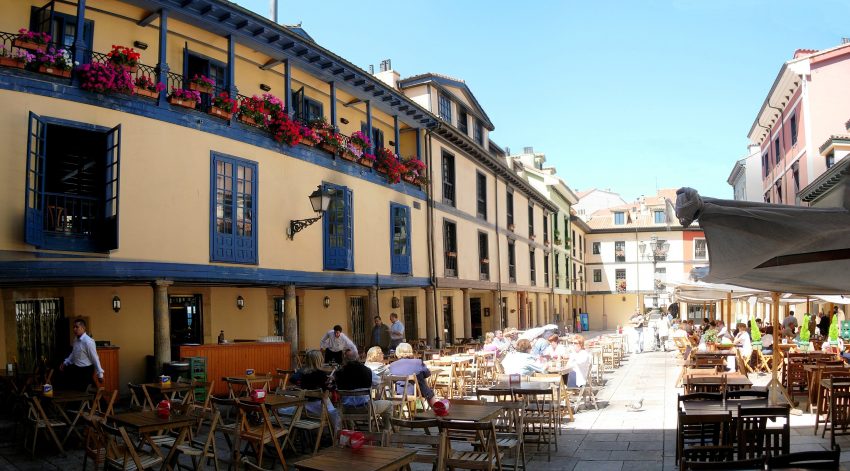
Plaza del Fontán is one of Oviedo’s most atmospheric squares, known for its harmonious arcaded façades and its long connection to the city’s market culture. The square’s identity is closely linked to the 18th-century urban ideal of order and proportion, even though its daily life has always been informal and human-scale. It feels designed for strolling, conversation, and commerce, which is exactly how it still works.
Historically, El Fontán was a working space before it became a postcard: a place where produce, textiles, and everyday goods moved through the city, and where rural Asturias met urban Oviedo. The arcades offered shelter from rain and sun, making the square practical as well as beautiful. That market DNA is still present, even as the area has become more visitor-friendly and photogenic.
What to see is best approached slowly. Walk the perimeter under the arches, glance into the market building nearby, and then step back to appreciate the symmetry and colour of the façades. The square comes alive in the morning, when shopping and coffee overlap, and it becomes especially appealing later in the day when the light softens and the terraces fill. If you are following a walking route, El Fontán works well as a mid-tour stop for a snack and a reset before returning to the tighter medieval lanes.
Location: 33009 Oviedo, Asturias, Spain | Hours: 24 Hours. | Price: Free.
11. Vendedoras del Fontán
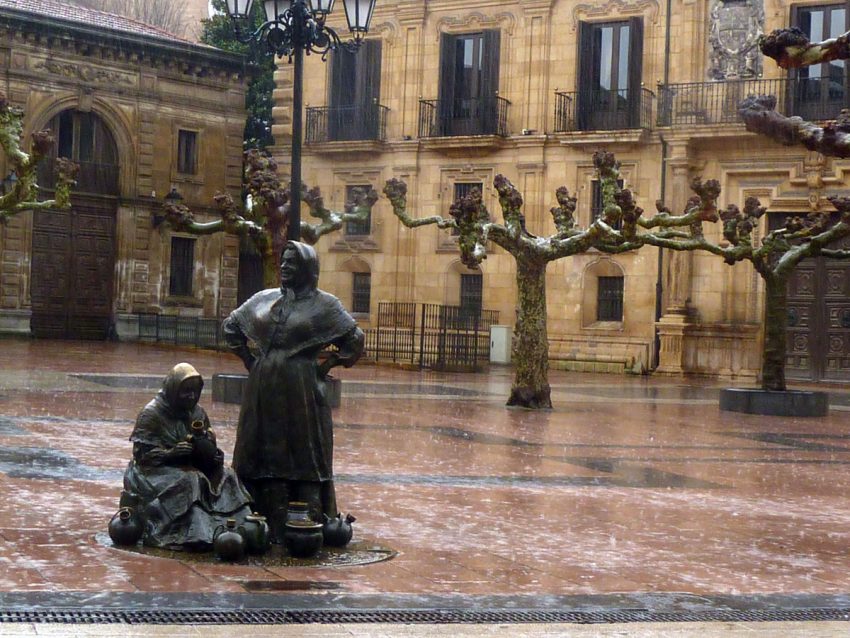
The Vendedoras del Fontán are a small but meaningful Oviedo landmark: a tribute to the women who sold goods in and around the Fontán market area and helped define the square’s everyday character. While many visitors treat the figures as a photo stop, the subject is rooted in real local history, reflecting the role of market sellers in sustaining urban life and connecting the city to surrounding towns and villages.
Their presence in the Fontán area points to how commerce in Oviedo was never just transactional. Markets were social infrastructure: places to exchange news, maintain relationships, and keep traditions alive through food and seasonal rhythms. Honouring the sellers makes the square feel less like a preserved backdrop and more like a living part of the city’s identity, where ordinary work is recognised as culturally significant.
What to see is simple but rewarding if you linger. Look closely at the figures’ posture and expression, then turn outward to take in the market setting they represent: the arcades, the stalls, and the flow of people. This is also a good moment to pay attention to details you might otherwise miss, like shop signs, small façades, and the way the square frames views into nearby streets. It’s a quick stop that adds texture and meaning to a walk through the historic centre.
Location: Pl. Daoiz y Velarde, 3, 33009 Oviedo, Asturias, Spain | Hours: 24 Hours. | Price: Free.
12. Junta General del Principado de Asturias
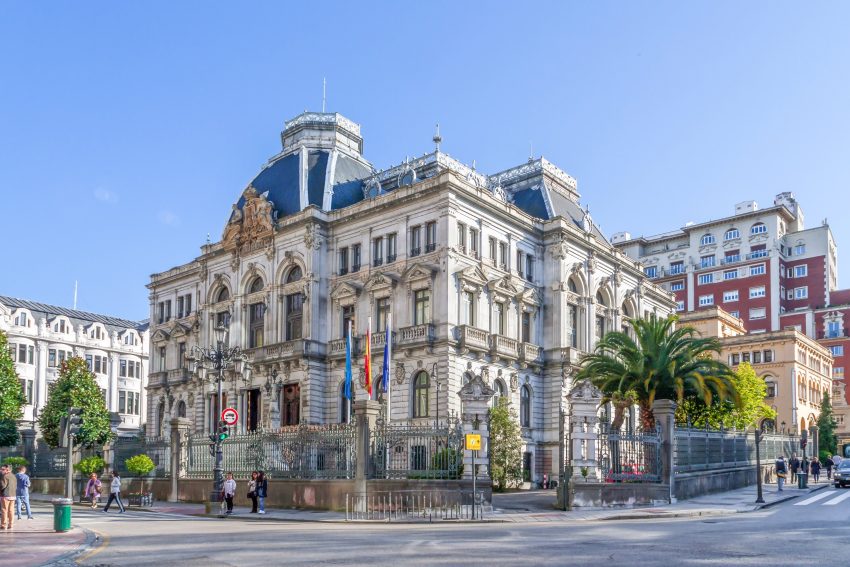
The Junta General del Principado de Asturias is the seat of Asturias’ regional parliament, and visiting its surroundings gives you a sense of Oviedo as an administrative capital as well as a historic city. The institution itself reflects Spain’s modern system of autonomous communities, where regional identity and governance have formal political expression. In Oviedo, that civic role sits comfortably alongside the older religious and medieval landmarks nearby.
The building associated with the parliament is part of the old town’s fabric, and that matters: Asturias’ contemporary institutions are housed in a cityscape shaped by earlier centuries of power, faith, and commerce. The contrast between modern democratic governance and the historic urban setting is part of the story you experience on foot. Even if you do not go inside, the location signals how Oviedo blends continuity with change.
What to see here is primarily architectural and contextual. Take in the exterior and the immediate streetscape, then consider how close you are to other symbols of authority in the city, from the cathedral complex to civic plazas. If access is available during your visit, the interior spaces can add depth to your understanding of Asturias today, but the area is worthwhile regardless for its proximity to key walking routes and for the “official” atmosphere that subtly changes the mood of the old town.
Location: C. Fruela, 13, 33007 Oviedo, Asturias, Spain | Hours: Monday: 09:00–14:00. Thursday: 09:00–14:00. Friday: 09:00–14:00. Closed on Tuesday, Wednesday, Saturday, Sunday. | Price: Free (guided visits; advance booking required). | Website
13. Campo de San Francisco
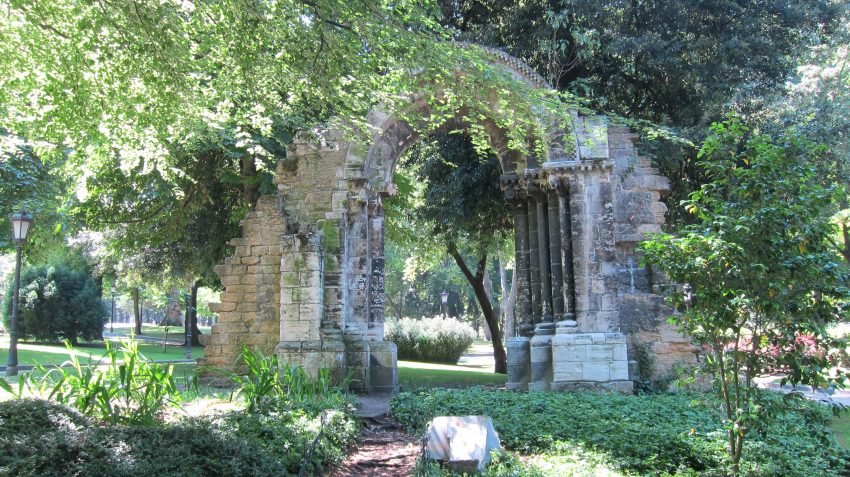
Campo de San Francisco is Oviedo’s central green refuge, a large urban park whose origins lie in earlier religious land use and later civic transformation. Like many European city parks, it reflects a 19th-century idea that public green space is part of a healthy, modern city—an antidote to density, noise, and hard stone streets. In Oviedo, it also functions as a meeting place that feels genuinely local, not designed only for visitors.
Historically, the park’s name preserves the memory of the Franciscan presence, even as the space became secular and civic in character. Over time it evolved into a landscaped public garden with paths, ponds, plantings, and small monuments that accumulate layers of meaning. It is the kind of place where daily routines—walking, chatting, reading—quietly shape the identity of the city as much as its headline landmarks do.
What to see is best enjoyed at a relaxed pace. Follow the paths to the pond areas, look out for small sculptures and playful details, and take note of how the park frames views back toward the city’s streets and façades. It is an excellent break point in a walking itinerary: sit for a while, watch the local rhythms, then continue refreshed. If you visit at different times of day, you will notice how the park shifts from morning calm to lively late-afternoon strolling.
Location: El Palomar, 33007 Oviedo, Asturias, Spain | Hours: 24 Hours. | Price: Free.
14. Plaza de España
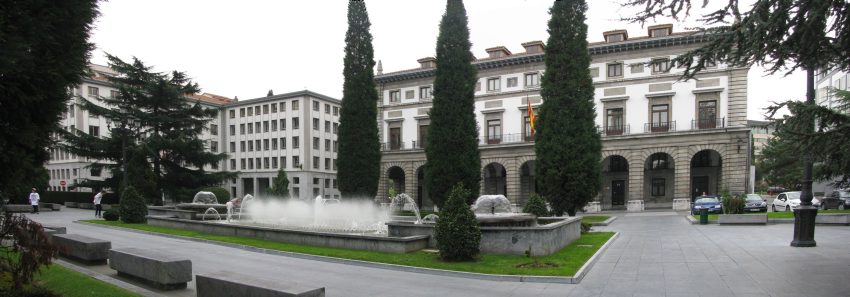
Plaza de España is one of Oviedo’s key civic spaces, linking the historic centre with the more modern city around it and reinforcing Oviedo’s role as the administrative heart of Asturias. It functions as a visual pause in the urban fabric—more open than the medieval lanes, yet still connected to the city’s historic identity. As with many Spanish plazas, its importance comes from the way it gathers institutions and everyday life into the same setting.
Historically, plazas like this reflect the city’s growth beyond its older core, when Oviedo expanded and formalised its public spaces to match new civic needs. The square’s character is defined by the buildings that address it and the steady flow of people passing through for work, errands, and social meetings. It is less intimate than the old town squares, but it offers a clear sense of how Oviedo operates as a living, functional capital.
What to see here is partly the architecture and partly the perspective it gives you on the city’s layout. Use the plaza as a waypoint to orient yourself, then look for cafés and street corners that reveal how locals move between administrative districts and shopping streets. It’s a useful stop on foot because it transitions you smoothly between different “textures” of Oviedo: formal civic spaces on one side, and narrower, older streets leading back toward the historic core on the other.
Location: Pl. de España, Oviedo, 33007 Oviedo, Asturias, Spain | Hours: 24 Hours. | Price: Free.
15. Antiguo Hospicio Provincial de Oviedo
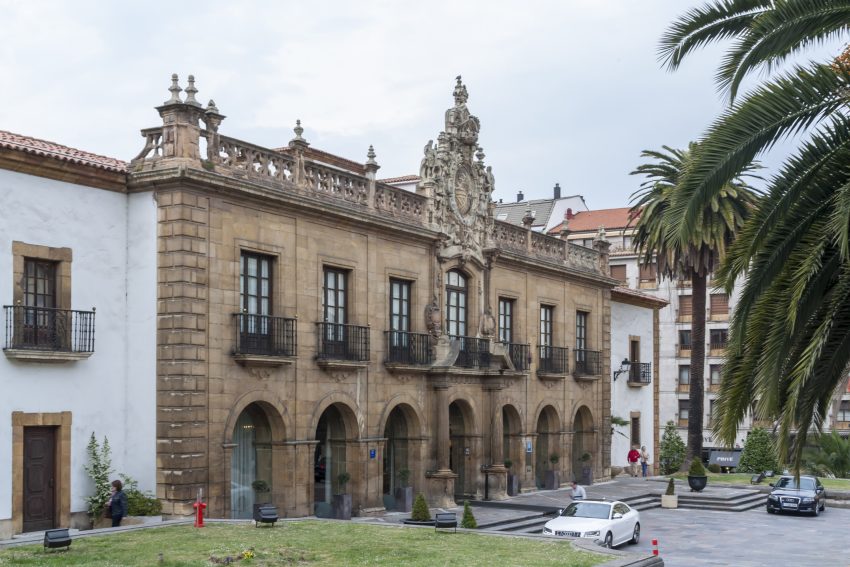
The Antiguo Hospicio Provincial de Oviedo is a reminder that Oviedo’s history is not only written in cathedrals and palaces, but also in the institutions that dealt with poverty, care, and social order. Provincial hospices in Spain were historically created to shelter and manage vulnerable groups—often orphans, the elderly, or those without means—reflecting a time when welfare was institutional, local, and closely connected to religious and civic authority. Even if you only see it from the outside, the building speaks to that era’s belief in large, durable public architecture designed to endure.
Over time, places like this tend to mirror broader shifts in social policy: from charity-driven models to more formalised public administration. Their footprints are often substantial, and their architecture typically prioritises solidity and function, sometimes softened by courtyards, chapels, or restrained decorative elements. In a city walk, the former hospice adds useful context to Oviedo’s “working civic history,” balancing the story told by the grander monuments.
What to see is primarily the building’s scale, façade rhythm, and any surviving institutional details that hint at its original purpose. If there is public access (depending on its current use), look for internal courtyards or corridors that reveal how such complexes were organised around supervision, routine, and separation of spaces. Even without entry, pausing here helps you imagine an older Oviedo where social care was visible in the cityscape, not hidden away.
Location: C. Gil de Jaz, 17, 13, 33004 Oviedo, Asturias, Spain | Hours: Check official website. | Price: Check official website.
16. Capilla de las Esclavas del Sagrado Corazón
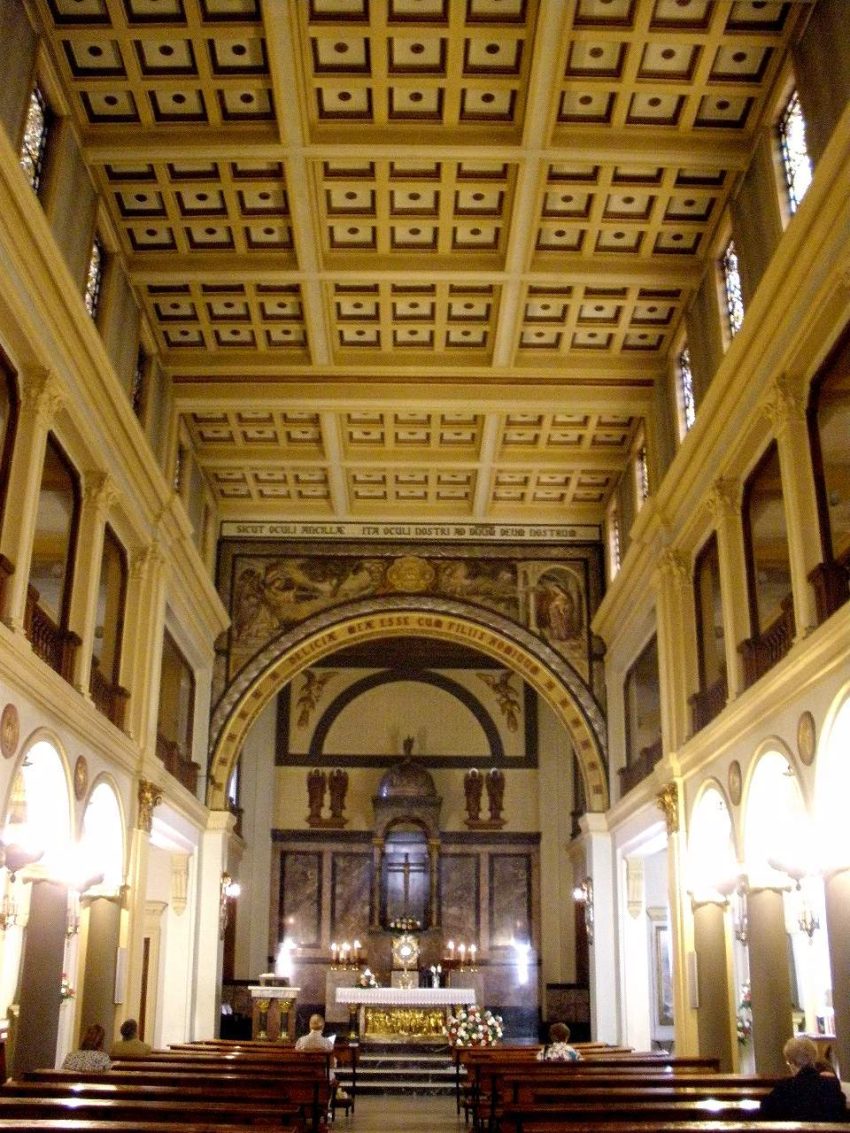
The Capilla de las Esclavas del Sagrado Corazón is one of Oviedo’s quieter sacred spaces, closely tied to the city’s tradition of religious education and charitable orders. While it does not dominate the skyline like the cathedral, it belongs to the same long story of faith shaping the city’s institutions, streets, and daily rhythms. Chapels like this often emerged alongside schools, residences, or community works, anchoring spiritual life to practical service in the neighbourhood.
Historically, these chapels reflect a period when religious congregations played a major role in education and social care in Spanish cities, leaving behind buildings that feel modest from the outside but carefully designed within. Even when you do not know every chapter of their institutional history, the architecture communicates a clear purpose: a focused, devotional space built for worship, ceremony, and community gatherings rather than display.
What to see is primarily the interior atmosphere if it is open: the altar, devotional imagery, and the details that reveal craftsmanship at a smaller scale than the cathedral—woodwork, metalwork, or stained glass depending on the chapel’s design. If it is closed, treat it as an architectural waypoint, noting how it sits within the street fabric and how easily Oviedo’s monumental and everyday religious spaces overlap in a short walk.
Location: C. Conde de Toreno, 2, 33004 Oviedo, Asturias, Spain | Hours: Monday – Friday: 13:00–18:00. Saturday: 13:00–18:00. Sunday: 13:00–18:00. | Price: Free; donations appreciated. | Website
17. Calle Uría
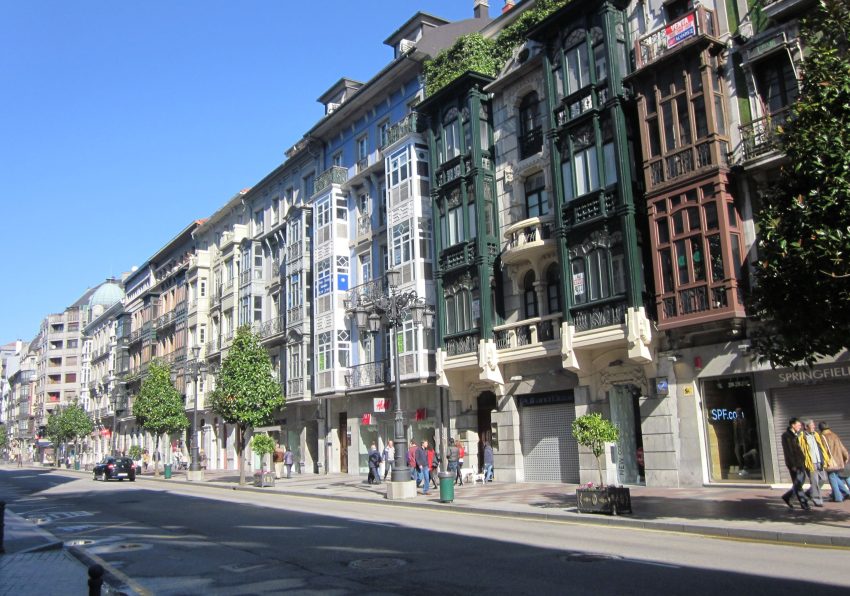
Calle Uría is Oviedo’s main boulevard-style shopping street, shaped by the city’s expansion and modernisation, and it tells a different chapter of Oviedo’s history than the medieval old town. Where the cathedral and plazas speak of ecclesiastical power and centuries-old civic ritual, Calle Uría speaks of a growing city: commerce, modern services, and the confidence of late 19th- and early 20th-century urban life. It is often the street visitors remember as the “everyday Oviedo” they walked through repeatedly.
Historically, streets like Uría became the backbone of the modern city, connecting transport hubs with civic and cultural institutions and creating a spine for retail and public life. The architecture along the street often reflects that era’s urban ambitions, with elegant façades and a more regular street plan than the old quarter. Walking here helps you understand how Oviedo evolved from a compact historic centre into a broader, more contemporary capital.
What to see is the street itself: shopfronts, façades, and the steady movement of locals going about their day. It is also an excellent route for linking your walking tour to practical needs—coffee breaks, quick shopping, or simply an easier, straighter walk between districts. Pay attention to the cross streets that lead back toward older areas, because that contrast is part of the experience: within a few minutes you can shift from modern boulevard to medieval lanes, which is one of Oviedo’s quiet strengths as a walkable city.
Location: C. Uría, Oviedo, Asturias, Spain | Hours: 24 Hours. | Price: Free.
18. Teatro Campoamor
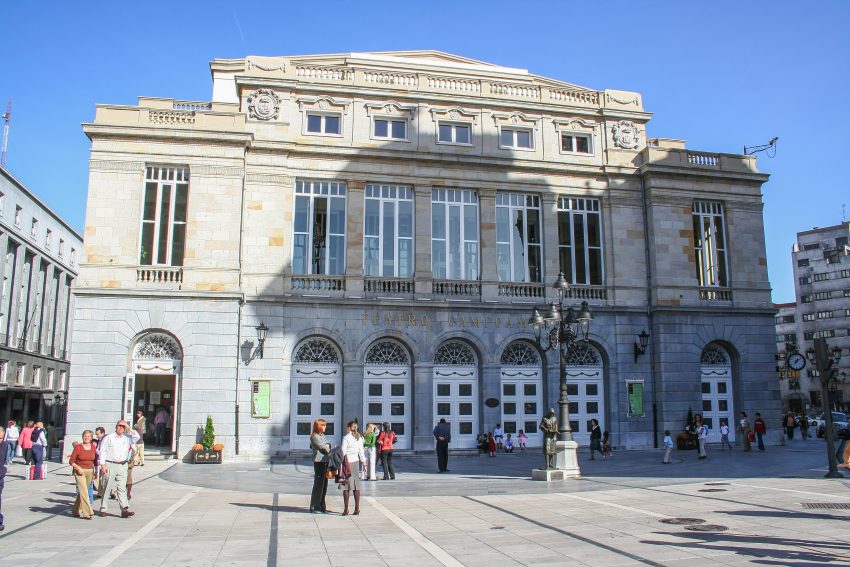
Teatro Campoamor is Oviedo’s most famous performance venue and a symbol of the city’s cultural life, known widely as the home of the annual Princess of Asturias Awards ceremonies. The theatre’s identity is closely linked to Oviedo’s 19th-century transformation into a modern provincial capital, when civic leaders invested in grand cultural buildings that projected confidence and sophistication. The result is a building that feels both local and national in its significance.
Historically, the Campoamor represents the era when theatre was a civic statement as much as an entertainment choice—an urban salon where social life, politics, and culture intersected. Its continued prominence reflects Oviedo’s enduring role as Asturias’ cultural centre, and even if you are not attending a performance, the building helps you understand how the city thinks about itself: serious about arts, ceremony, and public life.
What to see starts with the exterior façade and the sense of occasion in the surrounding streets, then continues inside if you can take a guided visit or attend a show. Look for the auditorium’s proportions, ornamentation, and the way the theatre stages “arrival” as part of the experience. If you do go for an evening performance, it pairs well with a pre-theatre stroll through the centre, when the city’s lighting and pace feel at their best.
Location: C. Pelayo, 33003 Oviedo, Asturias, Spain | Hours: Monday – Friday: 11:00–14:00 & 17:00–20:00. | Price: Prices vary by show. | Website
19. Casa de los Campomanes
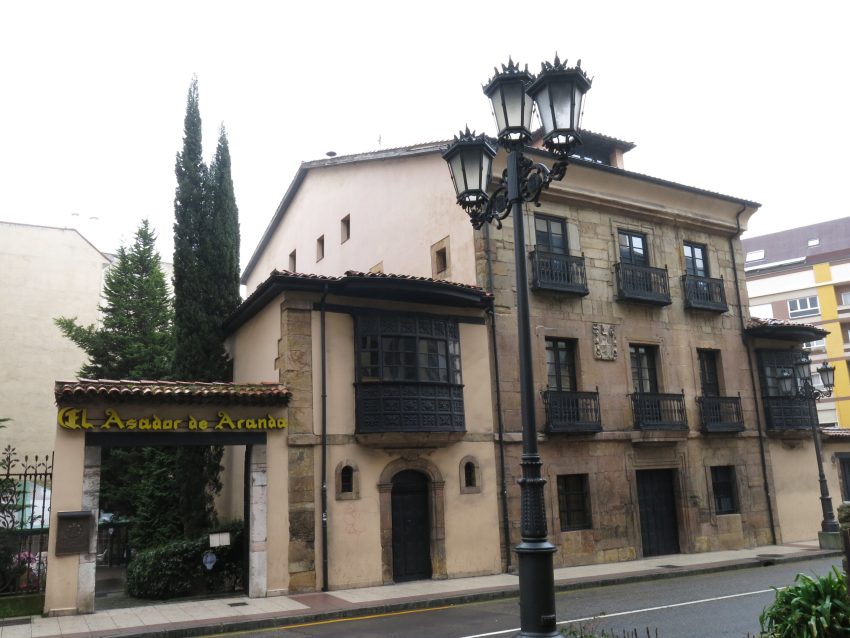
Casa de los Campomanes is one of Oviedo’s historic residences associated with the city’s elite families and the administrative world that grew around them. Buildings like this are important not only for their façades but for what they represent: a period when status, education, and political influence were often expressed through urban homes positioned close to the city’s civic and ecclesiastical heart. Even if the details of ownership shift across centuries, the “casa” tradition anchors the old town’s sense of continuity.
Historically, these houses reflect Oviedo’s role as a regional centre where influential figures lived within walking distance of institutions, churches, and plazas. Their design often balances privacy with display—solid exterior walls and formal entrances, sometimes with stonework details, coats of arms, or refined window framing that signals lineage and position. Over time, many such buildings have been adapted for institutional or cultural uses, which is itself part of the city’s living history.
What to see is primarily architectural: the façade composition, any heraldic details, and how the building relates to the street around it. Treat it as a “pause point” that helps you read the old town as a place where power was domestic as well as official. If the building has public access or an interior courtyard, it is often worth a short look, as courtyards can preserve the original spatial character even when uses have changed.
Location: C. Jovellanos, 23, 33003 Oviedo, Asturias, Spain | Hours: 24 Hours. | Price: Free.

Moira & Andy
Hey! We're Moira & Andy. From hiking the Camino to trips around Europe in Bert our campervan — we've been traveling together since retirement in 2020!
This website uses affiliate links which earn a small commission at no additional cost to you.
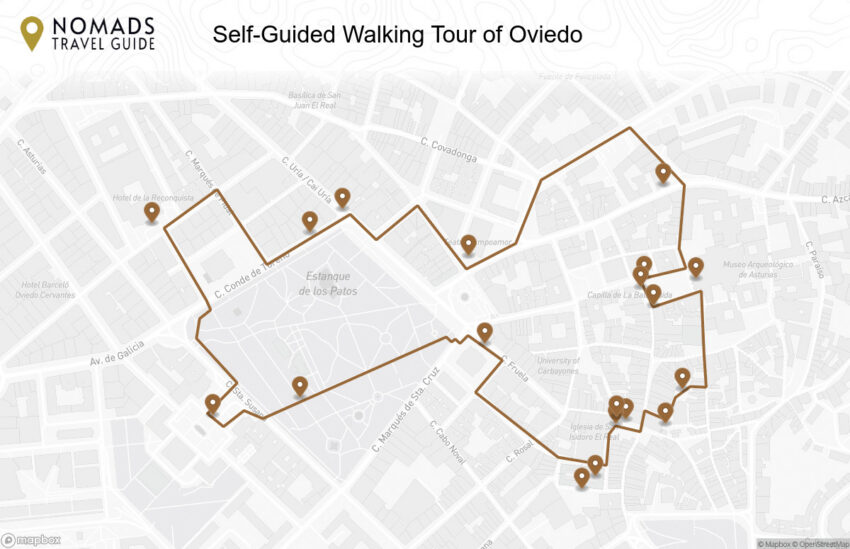
Walking Tour Summary
Distance: 3 km
Sites: 19
Walking Tour Map