Ruins of Antigonea, Gjirokastër
Area, Historic Site and Ruins in Gjirokastër
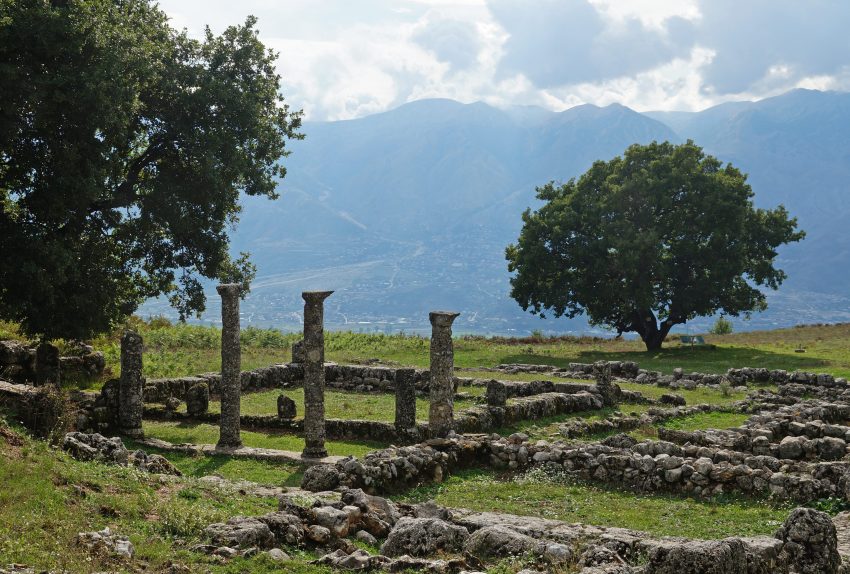
The Ruins of Antigonea are one of the top attractions in Gjirokastër, a remarkably atmospheric archaeological site set on a quiet hill above the Drino Valley. Located just 14 km east of the city, near the village of Saraqinishtë, Antigonea offers travellers the chance to walk through the remains of a once-thriving Hellenistic settlement founded in the 3rd century BC. Its broad views, ancient stones, and peaceful surroundings make it a rewarding contrast to the bustle of the modern world.
This site is often visited on tours of Gjirokastër’s wider region, with its city walls, exposed streets, and early Christian church giving visitors a vivid sense of continuity through centuries of history. Whether you’re fascinated by ancient Epirus, Roman warfare, or early Christianity, Antigonea offers a rich and quietly beautiful experience.
Table of Contents
- History and Significance of the Ruins of Antigonea
- Things to See and Do in the Ruins of Antigonea
- How to Get to the Ruins of Antigonea
- Practical Tips on Visiting the Ruins of Antigonea
- Where to Stay close to the Ruins of Antigonea
- Is the Ruins of Antigonea Worth Visiting?
- FAQs for Visiting the Ruins of Antigonea
- Nearby Attractions to the Ruins of Antigonea
History and Significance of the Ruins of Antigonea
Antigonea was founded in the early 3rd century BC by King Pyrrhus of Epirus, a formidable ruler whose military campaigns gave rise to the expression “Pyrrhic victory.” While in Egypt, Pyrrhus impressed Ptolemy’s wife, who offered him her daughter Antigone in marriage. In gratitude to his mother-in-law and affection for his first wife, Pyrrhus founded a city in Antigone’s honour and gave it her name.
The city flourished for over a century until the turbulent Third Macedonian War (171-168 BC). Pyrrhus’s descendants aligned themselves with the losing side, and in retaliation the Roman Consul Aemilius Paullus ordered Antigonea to be looted and burned. The destruction was so complete that the city never recovered its former status.
Yet life continued on the hilltop. In the 5th century AD, an early Christian church of triconch design was built on the edge of the ancient walls, reflecting a new period of spiritual importance for the site. Modern excavations have revealed a mosaic floor, segments of paved streets, and a range of artefacts now displayed in Tirana, including a bronze sphinx and a statue of Poseidon.
Things to See and Do in the Ruins of Antigonea
The city walls are one of the most impressive features. Though damaged by the Romans, they still embrace the hill in a visible arc, with a clear gate on the south-western side offering a dramatic entry point. Walking along the ridge provides sweeping views over the Drino Valley, making the site memorable not only for its archaeology but also for its scenery.
The early Christian triconch church is a highlight, with its layout and surviving mosaic offering insight into the community that occupied the site long after its destruction. The exposed street at the centre of the ruins reveals the urban layout of ancient Antigonea, giving visitors a sense of how the city once functioned.
Interpretive signs, quiet trails, and open views make this a place to explore slowly. Nature has reclaimed much of the site, but the stones, foundations, and remaining structures give a powerful sense of antiquity.
How to Get to the Ruins of Antigonea
Travellers coming from abroad generally land at Tirana International Airport before heading south to Gjirokastër and the Drino Valley region. For the best deals and a seamless booking experience, check out these flights to Gjirokastër on Booking.com.
Reaching Antigonea is easiest by road. Visitors can drive or hire a local taxi from Gjirokastër, following clear signs toward Saraqinishtë. Parking is available near the entrance, from where it is a short walk up to the hilltop ruins. If you are looking to rent a car in Albania I recommend having a look at Discover Cars, first, as they compare prices and review multiple car rental agencies for you.
Practical Tips on Visiting the Ruins of Antigonea
- Suggested tips: Bring water, sun protection, and sturdy footwear; the site is exposed and paths can be uneven.
- Best time to visit: Spring and autumn for comfortable temperatures and clear valley views.
- Entrance fee in Euros: Typically €2-€3.
- Opening hours: Usually open daily during daylight hours; schedules may vary.
- Official website: Check local Gjirokastër or Albanian tourism listings for updates.
- How long to spend: One to two hours, depending on interest.
- Accessibility: Terrain is uneven and sloped; access may be difficult for those with limited mobility.
- Facilities: Limited; bring essentials with you.
- Photography tip: Capture the city walls at sunset for warm colours and dramatic shadows.
- Guided tours: Local guides can be arranged in Gjirokastër or nearby villages.
- Nearby food options: Cafés and restaurants are available in Gjirokastër and in villages along the valley.
Where to Stay close to the Ruins of Antigonea
Most visitors choose to stay in Gjirokastër, just a short drive from the site. For traditional charm, Hotel Gjirokastra offers stone-built architecture and warm hospitality. For scenic balconies and historic atmosphere, Hotel Kalemi 2 is a popular choice. Travellers looking for central convenience near the old bazaar may prefer Old Bazaar 1790.
Is the Ruins of Antigonea Worth Visiting?
Yes, the Ruins of Antigonea are one of the best places to visit in Gjirokastër's surrounding countryside. Offering a blend of Hellenistic history, Roman destruction, early Christian heritage, and sweeping Drino Valley views, the site provides both archaeological interest and peaceful natural beauty. It's a rewarding stop for history lovers and curious travellers alike.
What Other Travellers Say...

Ali Pasha Bridge in Gjirokastër is reached via a steep, rocky uphill walk or by driving partway and walking a short distance; visitors advise sturdy shoes, warn the path can be slippery or exposed with no safety barriers, and note locals and occasional cars offer lifts. The short hike rewards you with sweeping mountain and valley views, a peaceful escape from crowded streets, spots to pause near a café/bar at the top for snacks or drinks, and the chance to walk under or onto the bridge structure itself.


FAQs for Visiting the Ruins of Antigonea
Nearby Attractions to the Ruins of Antigonea
- Gjirokastër Castle: A vast hilltop fortress with panoramic views and historical exhibits.
- Old Bazaar of Gjirokastër: A lively market area filled with cafés and Ottoman-era buildings.
- Zekate House: A beautifully preserved Ottoman home with ornate wooden interiors.
- Skenduli House: Another fine example of Gjirokastër's traditional tower houses.
- Cold War Tunnel: An underground bunker system beneath the city offering guided visits.
The Ruins of Antigonea appears in our Complete Guide to Visiting Gjirokastër!

Moira & Andy
Hey! We're Moira & Andy. From hiking the Camino to trips around Europe in Bert our campervan — we've been traveling together since retirement in 2020!
This website uses affiliate links which may earn a commission at no additional cost to you!
Planning Your Visit
Weekdays 8:00 – 16.00
Weekends 9:00 -15.00
300 lek
Nearby Attractions
- Cold War Tunnel (7.1) km
Museum - Gjirokastër Cold War Tunnel Museum (7.1) km
Historic Building - Gjirokastër Castle (7.2) km
Castle and Museum - National Museum of Armaments (7.3) km
Museum - Old Bazaar (7.3) km
Historic Site - Gjirokastër Obelisk (7.3) km
Monument - Bazaar Mosque (7.3) km
Mosque - Ismail Kadare’s House (7.4) km
Historic Building - Skenduli House (7.5) km
Historic Building - Ethnographic Museum (7.6) km
Historic Building and Museum