Split, Croatia: The Ultimate Travel Guide 2026
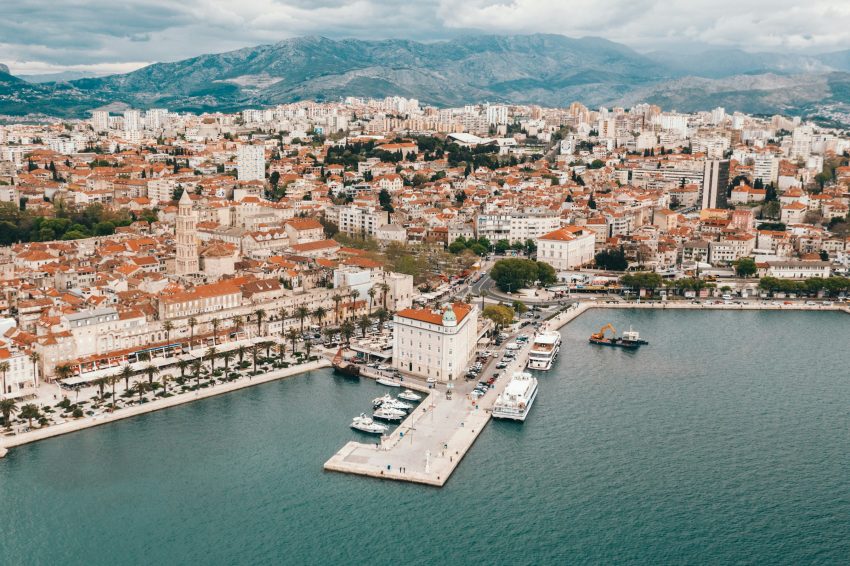
Split is a lively coastal city on Croatia's Dalmatian coast, set along the Adriatic Sea with mountains rising just behind the waterfront. It's a place where everyday life unfolds inside and around ancient stone streets, yet the mood is modern-cafés spill onto promenades, ferries come and go, and the city stays active well into the evening.
A visit to Split works beautifully as both a city break and a base for exploring the surrounding Dalmatian islands and nearby towns. You can spend mornings wandering atmospheric lanes and markets, afternoons swimming at local beaches, and evenings enjoying seafood and wine along the Riva promenade as the sun drops behind the harbor.
What makes Split especially rewarding is how easy it is to mix slow sightseeing with simple pleasures: a short climb for panoramic views, a quick bus ride to a beach, or a ferry hop for a day trip. Whether you're traveling for culture, food, or the sea, Split delivers a balanced, walkable experience with plenty to do without feeling overwhelming.
Table of Contents
- History of Split
- Split in Antiquity: The Rise of Diocletian’s Palace
- Split in the Early Middle Ages: From Palace to City
- Split under Medieval and Renaissance Influences
- Split in the Venetian Era and Early Modern Period
- Split in the 19th and 20th Centuries: Modernization and Expansion
- Split Today: Heritage as a Living City
- 21 Best places to See in Split
- Grgur Ninski Statue
- Archaeological Museum
- City Museum of Split
- Church of Saint Martin
- Golden Gate
- Iron Gate and Church of Our Lady of the Bell Tower
- Game of Thrones Museum
- People's Square
- Ethnographic Museum
- Cathedral of St. Domnius
- Podrum
- Temple of Jupiter
- Vestibule
- Fruit's Square
- Silver Gate
- Diocletian's Palace
- Prokurative
- Riva Harbor
- Bronze Gate
- Natural History Museum and the Zoological Garden
- Museum of Croatian Archaeological Monuments
- 4 Best Day Trips from Split
- Where to Stay in Split
- Best Time to Visit Split
- How to get to Split
History of Split
Split in Antiquity: The Rise of Diocletian’s Palace
Split’s story is inseparable from the construction of Diocletian’s Palace at the turn of the 4th century. Built as a fortified imperial residence, the complex combined military walls, ceremonial spaces, temples, and living quarters. Over time, what began as a palace evolved into the structural core of an urban settlement, with streets and buildings adapting to the palace’s grid.
Split in the Early Middle Ages: From Palace to City
After the decline of Roman authority, the palace’s strong walls offered security and attracted inhabitants. As populations shifted and regional power structures changed, the palace’s interior gradually filled with homes, workshops, and places of worship. This period laid the foundations for Split as a living city rather than a preserved monument, with layers of daily life built directly into Roman stone.
Split under Medieval and Renaissance Influences
Across the medieval centuries, Split developed civic institutions and expanded beyond the palace walls. Religious architecture and public buildings reshaped parts of the urban fabric, while trade and maritime connections supported growth. Renaissance-era additions and renovations introduced new stylistic elements, creating the distinctive blend of Roman, medieval, and later forms that still defines the old core.
Split in the Venetian Era and Early Modern Period
As regional politics shifted, Split experienced periods of external influence that affected fortifications, commerce, and cultural life. Maritime trade remained central, and the city’s waterfront and defenses evolved in response to changing military and economic realities. The urban landscape continued to densify, with older structures repurposed and rebuilt rather than replaced.
Split in the 19th and 20th Centuries: Modernization and Expansion
The modern era brought new infrastructure, neighborhoods, and a growing port economy. Split expanded well beyond its historic core, developing broader boulevards and residential districts. In the 20th century, the city’s identity as a major coastal hub strengthened, and the old center increasingly became both a lived-in district and a focal point for visitors.
Split Today: Heritage as a Living City
In contemporary times, Split balances preservation with everyday urban life. The palace and surrounding old town remain active neighborhoods with shops, apartments, cafés, and cultural venues. This continuity—ancient spaces still used for modern routines—is one of Split’s defining characteristics and a key reason its heritage feels immediate rather than museum-like.

Moira & Andy
Hey! We're Moira & Andy. From hiking the Camino to trips around Europe in Bert our campervan — we've been traveling together since retirement in 2020!
Visiting Split for the first time and wondering what are the top places to see in the city? In this complete guide, I share the best things to do in Split on the first visit. To help you plan your trip, I have also included an interactive map and practical tips for visiting!
This website uses affiliate links which earn a small commission at no additional cost to you.
21 Best places to See in Split
This complete guide to Split not only tells you about the very best sights and tourist attractions for first-time visitors to the city but also provide insights into a few of our personal favorite things to do.
This is a practical guide to visiting the best places to see in Split and is filled with tips and info that should answer all your questions!
1. Grgur Ninski Statue
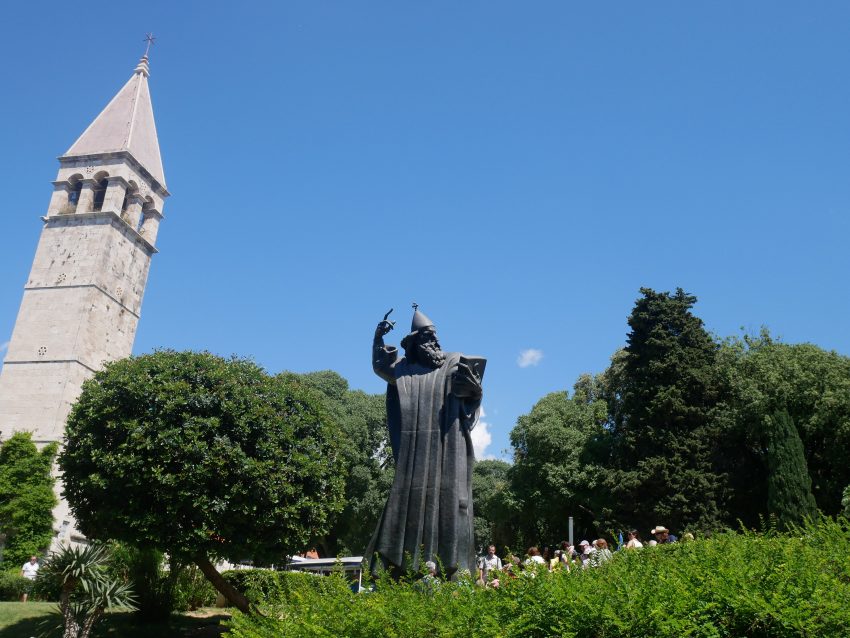
Location: Ul. kralja Tomislava 12, 21000, Splitska, Croatia | Hours: 24 Hours. | Price: Free. | Distance: 0.6km

2. Archaeological Museum
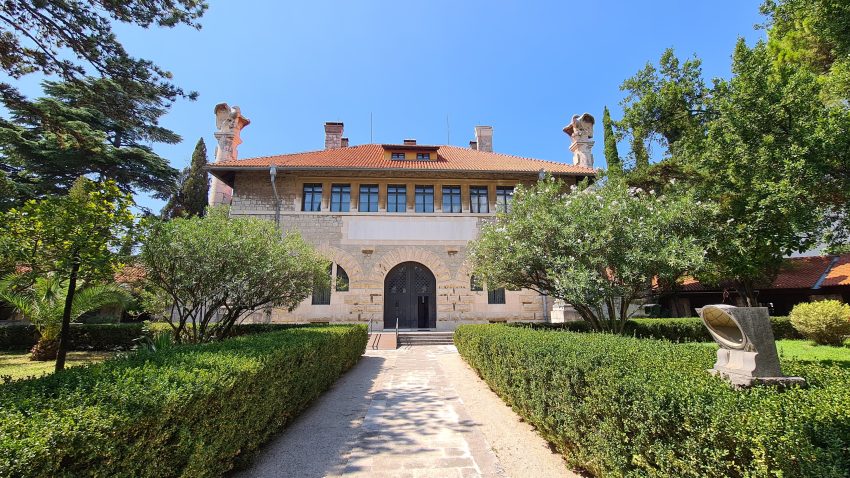
Location: Ul. Zrinsko Frankopanska 25, 21000, Split, Croatia | Hours: (Summer) June 1 – September 30; Monday – Saturday: 09:00–14:00 & 15:00–20:00. Closed on Sunday. (Winter) October 1 – May 31; Monday – Friday: 09:00–14:00 & 15:00–20:00. Saturday: 09:00–14:00. Closed on Sunday. | Price: Adults: €8; Children/Students/Persons with disabilities/Retirees: €4; Family ticket: €15; Combined ticket with Salona (within 7 days): Adults €10, Children €5. | Website | Distance: 0.7km
3. City Museum of Split
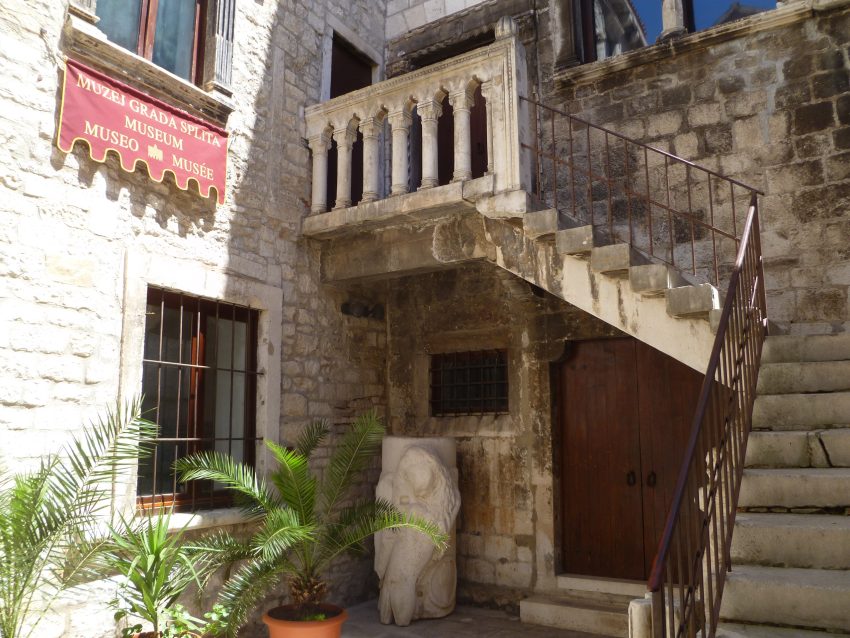
Location: Papalićeva ul. 1, 21000, Split, Croatia | Hours: Tuesday – Sunday: 09:00–20:00. Closed on Monday. | Price: Adults: €10; Concessions: €8; Family: €18; Under 7: free. | Website | Distance: 0.7km
4. Church of Saint Martin
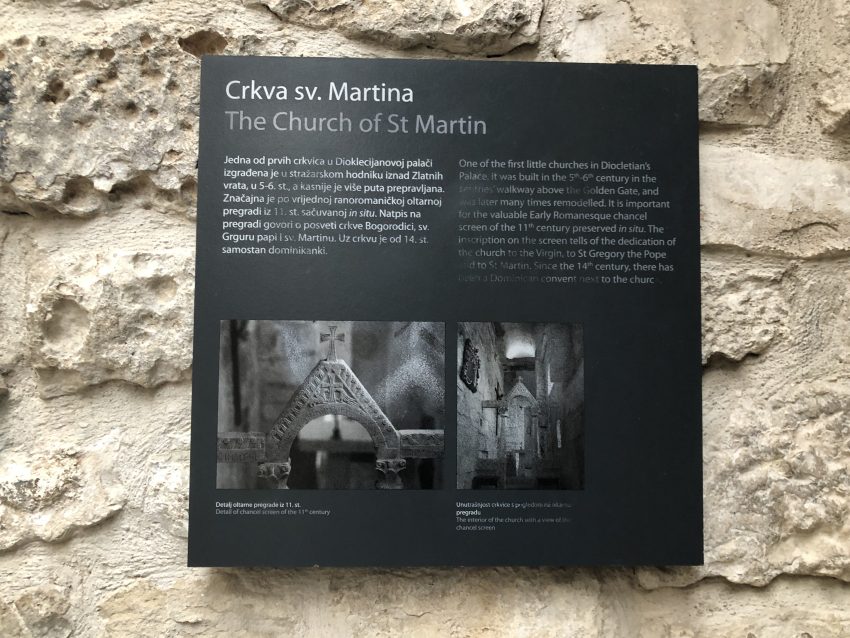
Location: Dioklecijanova ul. 10, 21000, Split, Croatia | Hours: Check official website. | Price: From €1 (small on-site contribution commonly requested). | Distance: 0.7km
5. Golden Gate
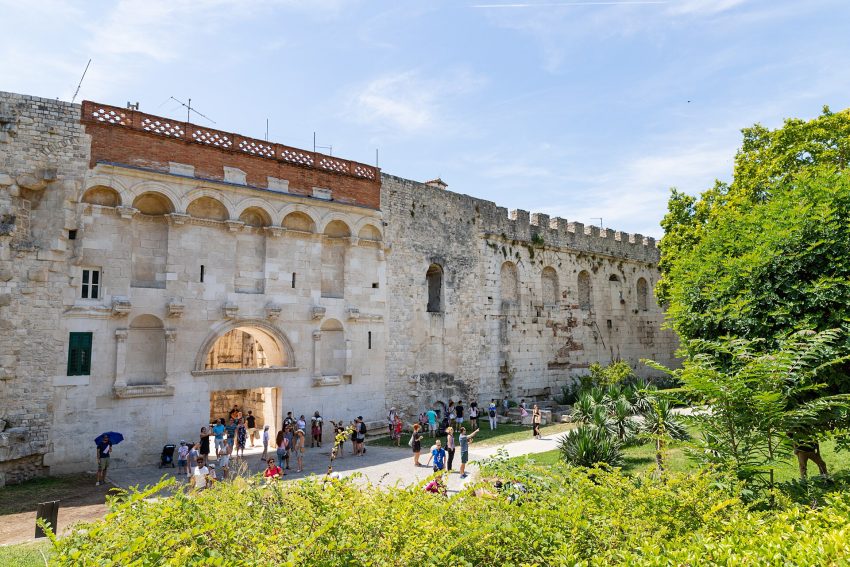
Location: Dioklecijanova 7, 21000, Split, Croatia | Hours: 24 Hours. | Price: Free. | Distance: 0.7km
6. Iron Gate and Church of Our Lady of the Bell Tower
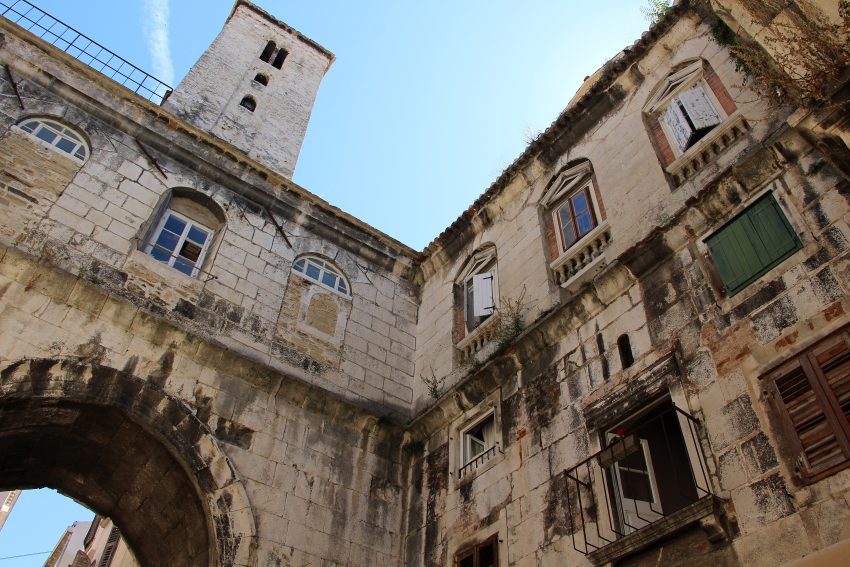
Location: Peristil ul. 2, 21000, Split, Croatia | Hours: Check official website. | Price: Check official website. | Distance: 0.7km
7. Game of Thrones Museum
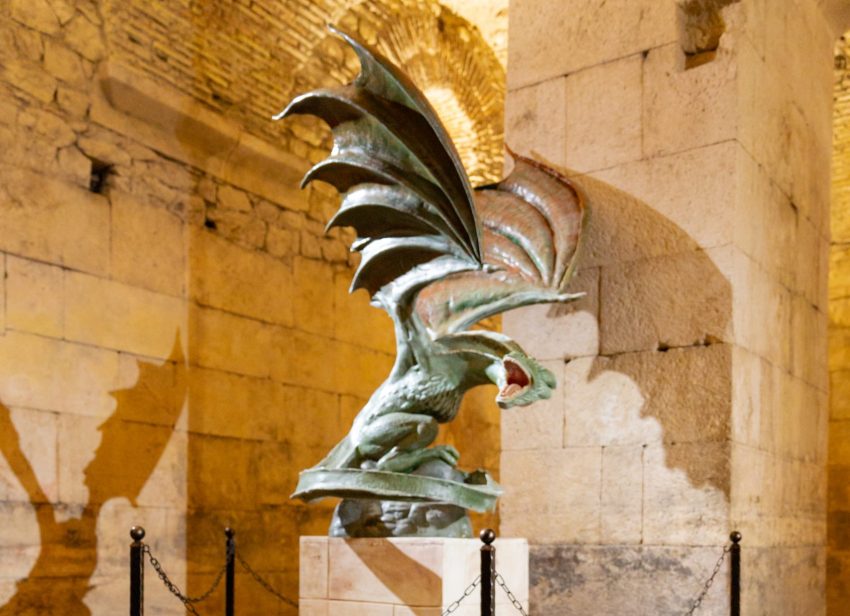
Location: Bosanska ul. 9, 21000, Split, Croatia | Hours: Monday: 09:00–24:00. Tuesday: 09:00–24:00. Wednesday: 09:00–24:00. Thursday: 09:00–24:00. Friday: 09:00–24:00. Saturday: 09:00–24:00. Closed on Sunday. | Price: Check official website. | Distance: 0.7km
8. People's Square
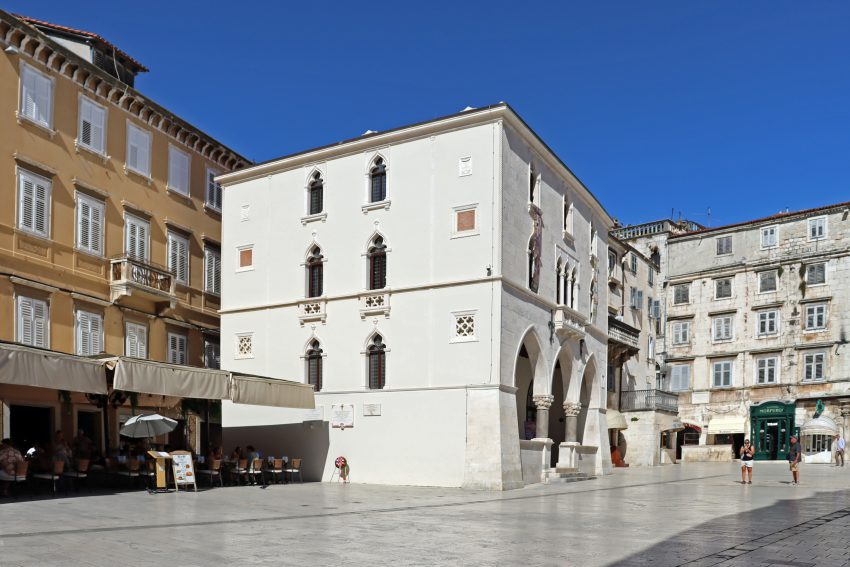
Location: 21000, Grad, Split, Croatia | Hours: 24 Hours. | Price: Free. | Distance: 0.7km
9. Ethnographic Museum
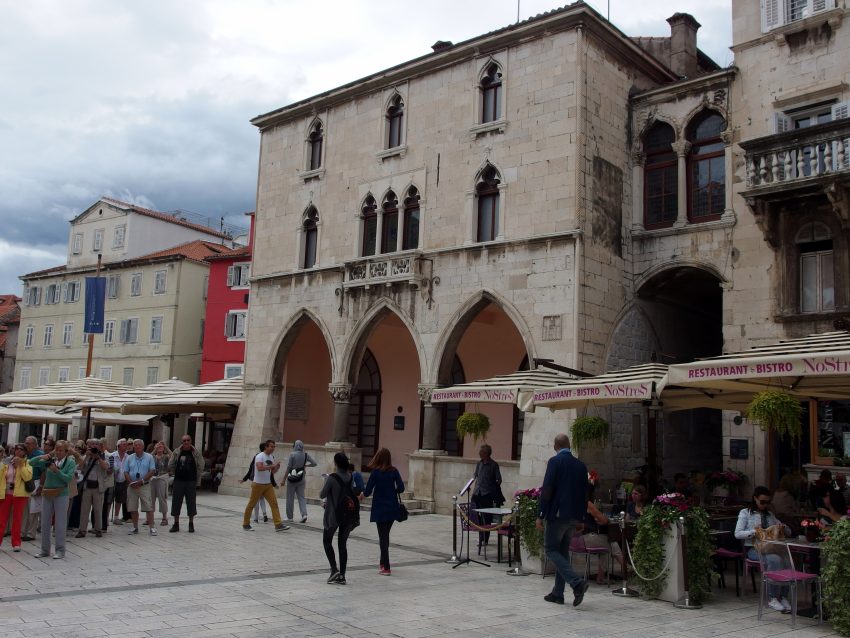
Location: Ul. Iza Vestibula 4, 21000, Split, Croatia | Hours: (Summer) June 1 – August 31; Monday – Friday: 09:00–19:00. Saturday: 10:00–17:00. Sunday: 10:00–14:00. (Winter) November 1 – May 31; Monday – Friday: 09:00–16:00. Saturday: 10:00–14:00. (Winter) September 1 – September 30; Monday – Friday: 09:00–18:00. Saturday: 10:00–17:00. Sunday: 10:00–14:00. (Winter) October 1 – October 31; Monday – Friday: 09:00–17:00. Saturday: 10:00–14:00. Closed on public holidays. | Price: Adults: €7; Schoolchildren/Students/Seniors: €4; Groups (10+): €4 per person; Family ticket: €15; Split Card: free admission. | Website | Distance: 0.8km
10. Cathedral of St. Domnius
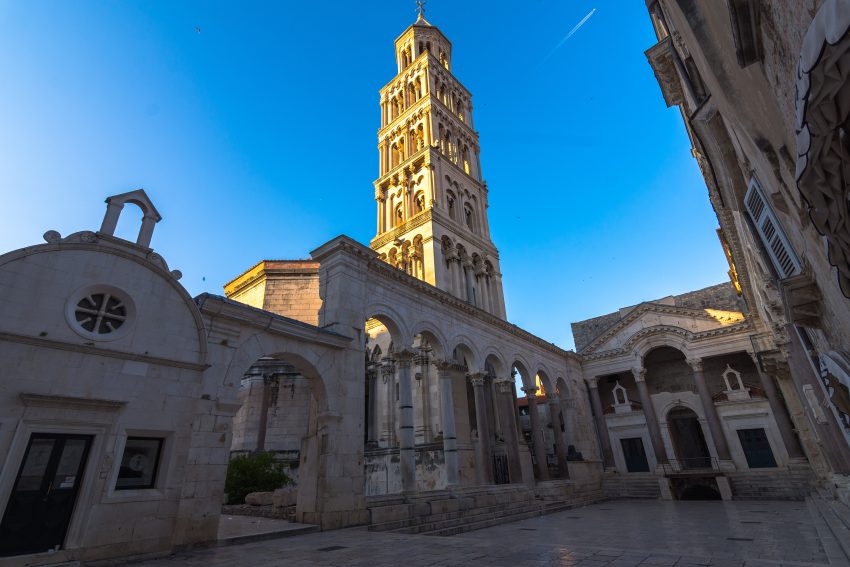
Location: Ul. Kraj Svetog Duje 3, 21000, Split, Croatia | Hours: Check official website. | Price: Check official website. | Website | Distance: 0.8km
11. Podrum
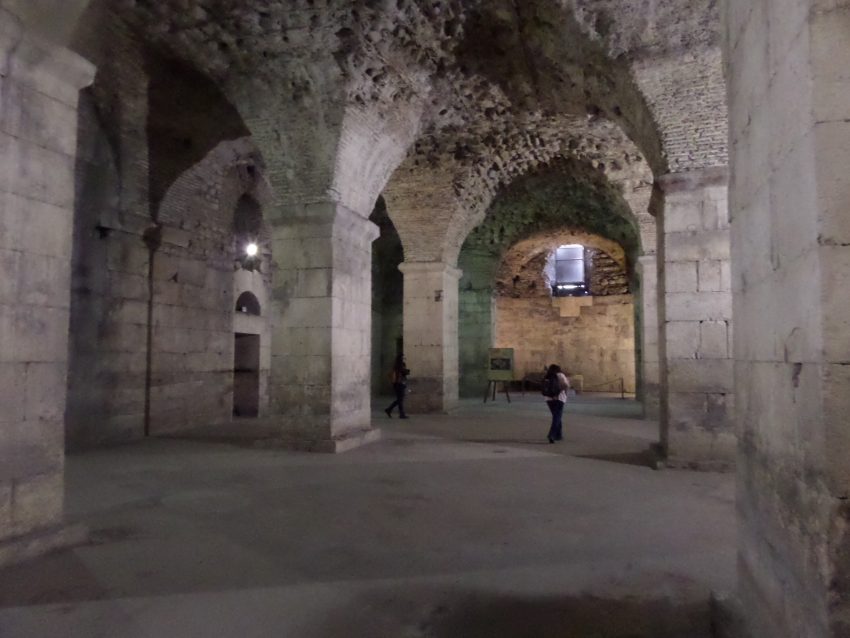
Location: Ul. Iza Vestibula 3, 21000, Split, Croatia | Hours: Daily: 08:30–20:00. | Price: Adults: €10; Concessions: €8; Family ticket: €18. | Website | Distance: 0.8km
12. Temple of Jupiter
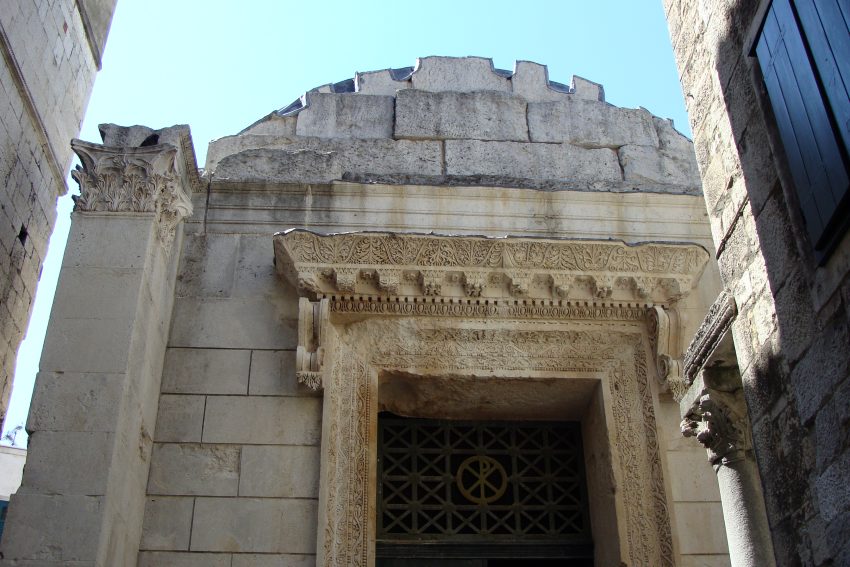
Location: Ul. Kraj Svetog Ivana 2, 21000, Split, Croatia | Hours: Check official website. | Price: Check official website. | Distance: 0.8km
13. Vestibule
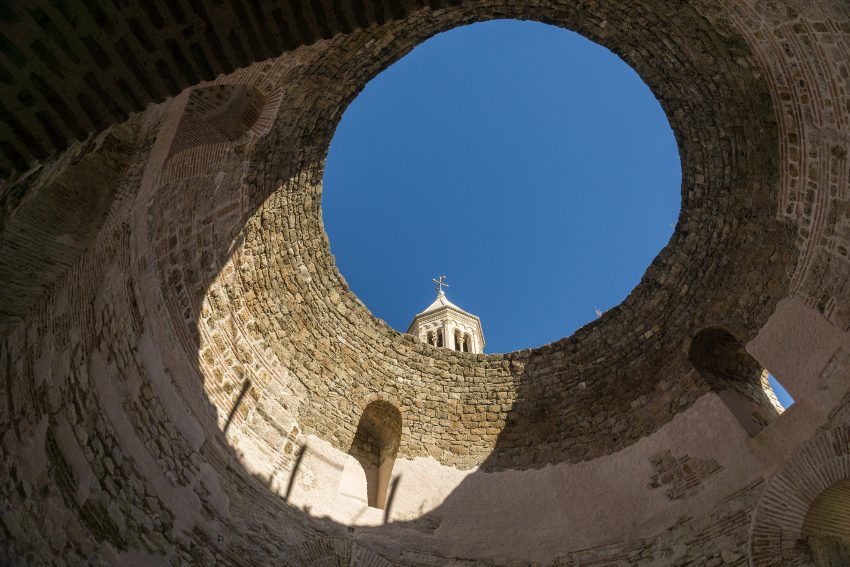
Location: Ul. Iza Vestibula 1, 21000, Split, Croatia | Hours: 24 Hours. | Price: Free. | Distance: 0.8km
14. Fruit's Square
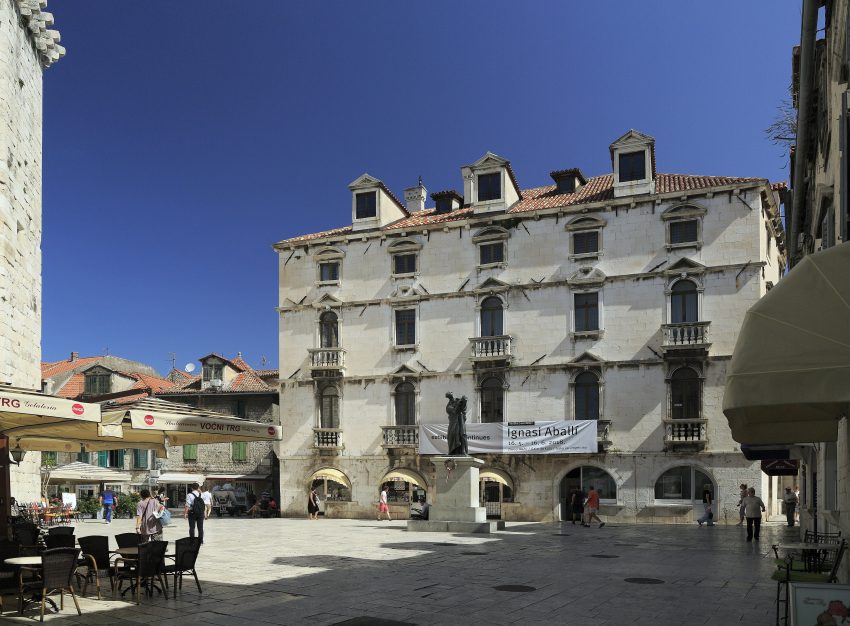
Location: Trg Braće Radić 5, 21000, Split, Croatia | Hours: 24 Hours. | Price: Free. | Distance: 0.8km
15. Silver Gate
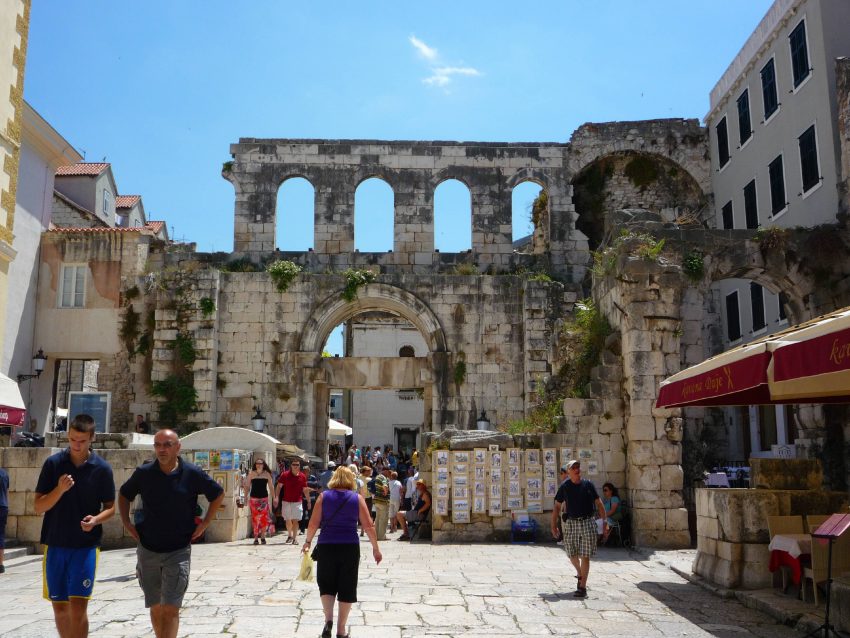
Location: Poljana kraljice Jelene 5, 21000, Split, Croatia | Hours: 24 Hours. | Price: Free. | Distance: 0.8km
16. Diocletian's Palace
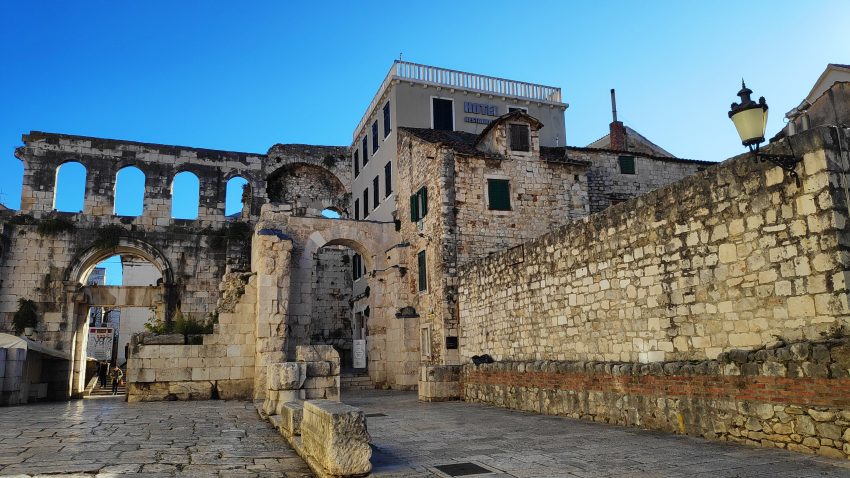
Location: 21000, Grad, Split, Croatia | Hours: Daily: Open 24 hours. | Price: Free to wander the palace area; paid entry applies to specific sites inside (e.g., Substructures of Diocletian’s Palace: €10; concessions: €8). | Website | Distance: 0.8km
17. Prokurative
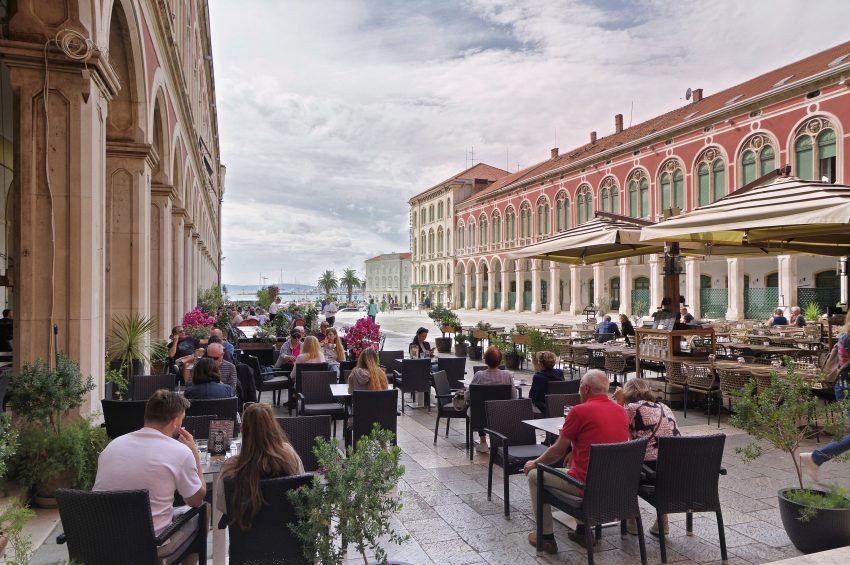
Location: Prokurative, 21000, Split, Croatia | Hours: 24 Hours. | Price: Free. | Distance: 0.9km
18. Riva Harbor
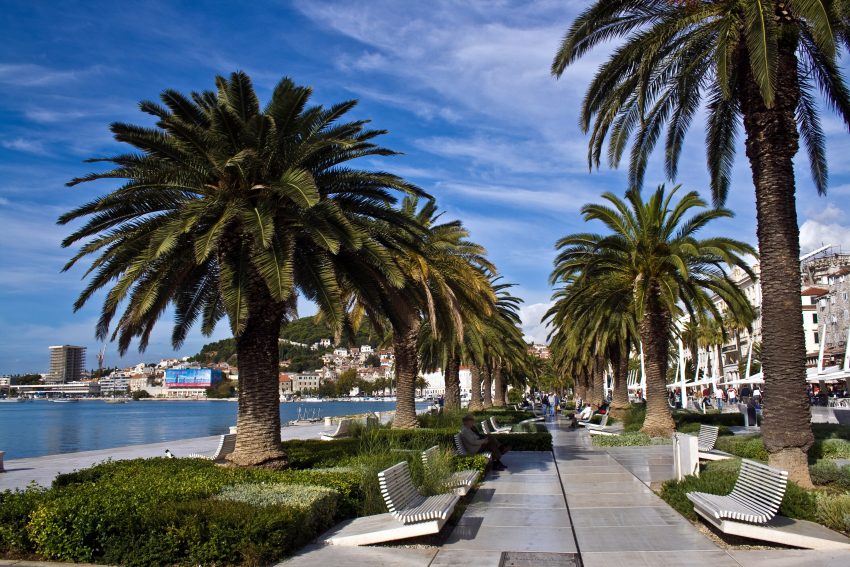
Location: 21.000, Obala Hrvatskog narodnog preporoda 23, 21000, Split, Croatia | Hours: 24 Hours. | Price: Free. | Distance: 0.9km
19. Bronze Gate
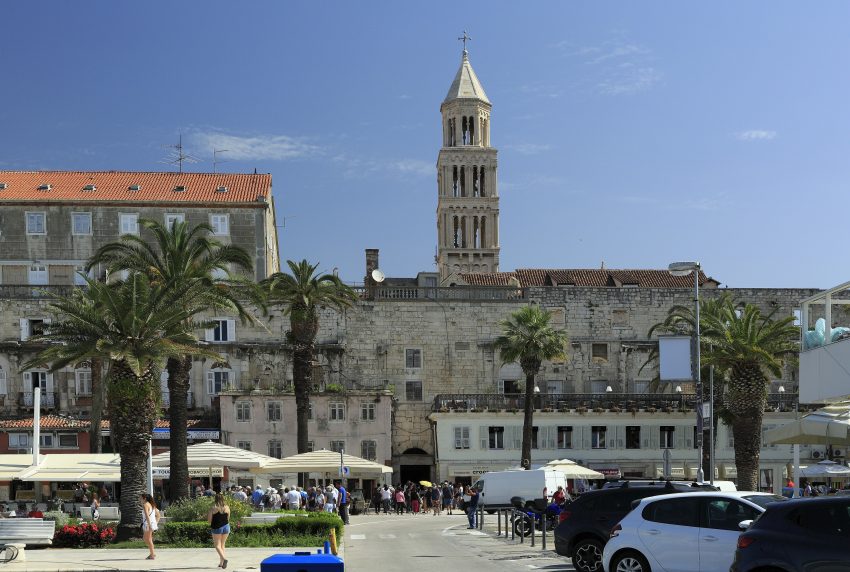
Location: Obala Hrvatskog narodnog preporoda 22, 21000, Split, Croatia | Hours: 24 Hours. | Price: Free. | Distance: 0.9km
20. Natural History Museum and the Zoological Garden
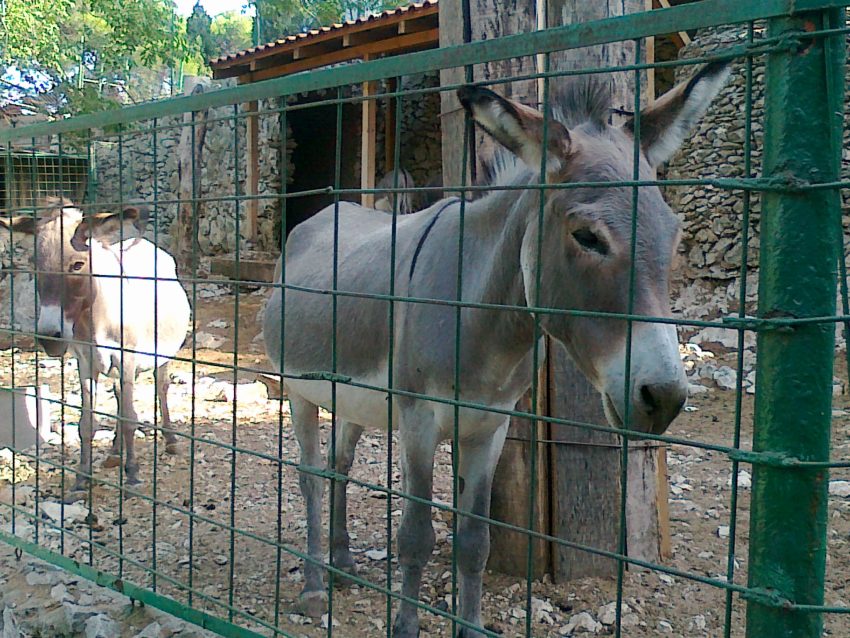
Location: Kolombatovićevo šetalište 2, 21000, Split, Croatia | Hours: (Summer) Monday – Friday: 10:00–20:00; Saturday: 09:00–13:00; Closed on Sunday. (Winter) Monday – Friday: 10:00–18:00; Saturday: 09:00–13:00; Closed on Sunday. | Price: Adults: €3; Children (over 5), students & seniors: €1.50; Family ticket (parents with children under 15): €4.50. | Website | Distance: 1.6km
21. Museum of Croatian Archaeological Monuments
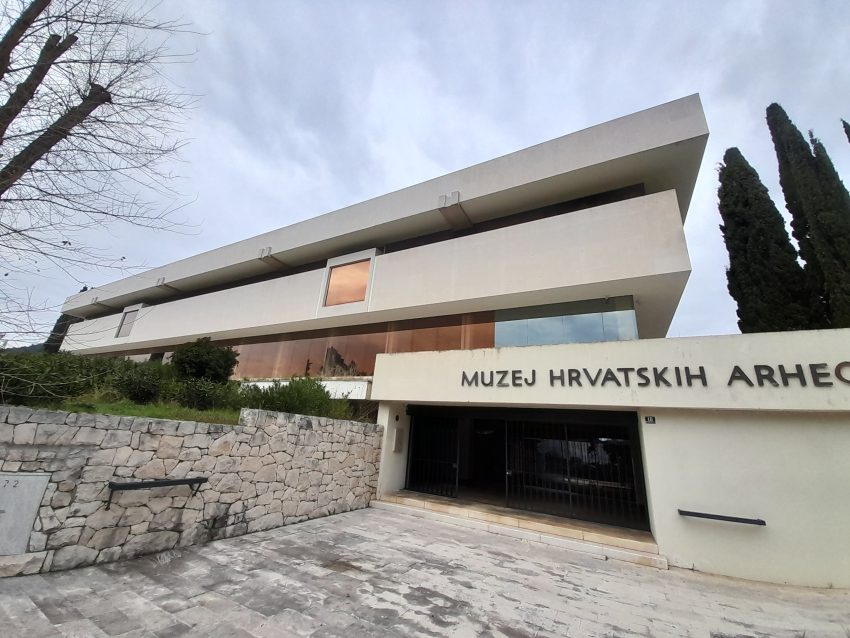
Location: Šetalište Ivana Meštrovića 18, 21000, Split, Croatia | Hours: Monday – Friday: 09:00–13:00 & 17:00–20:00. Saturday: 09:00–13:00. Closed on Sunday. Note: Temporarily closed due to energy renovation works (from November 12, 2024, until further notice). | Price: Free. | Website | Distance: 2.1km
Best Day Trips from Split
A day trip from Split offers the perfect opportunity to escape the urban rhythm and discover the surrounding region's charm. Whether you're drawn to scenic countryside, historic villages, or cultural landmarks, the area around Split provides a variety of easy-to-reach destinations ideal for a one-day itinerary.
1. Trogir
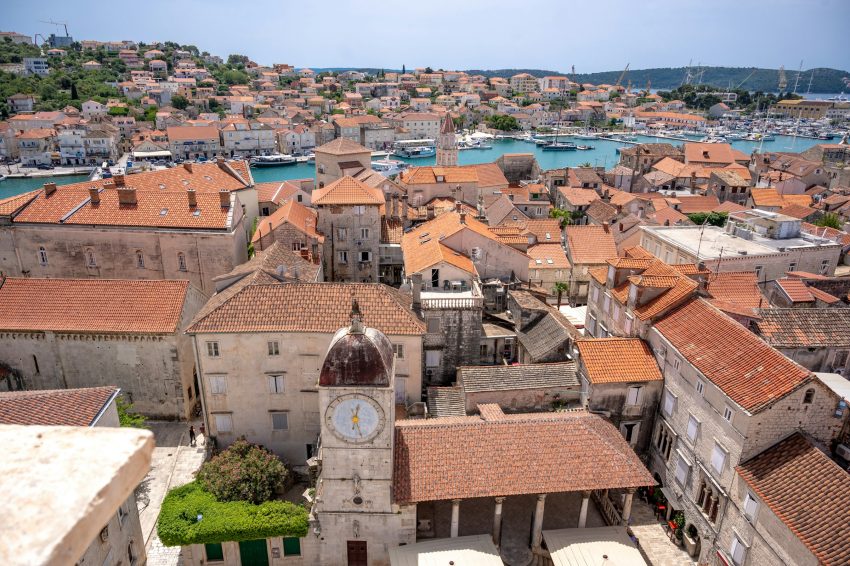
Visiting Trogir
2. Hvar
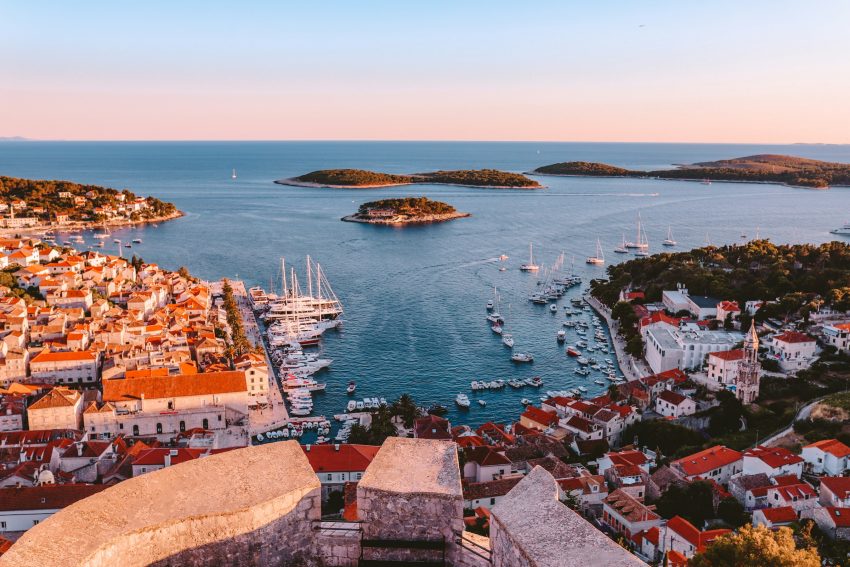
Visiting Hvar
3. Korcula
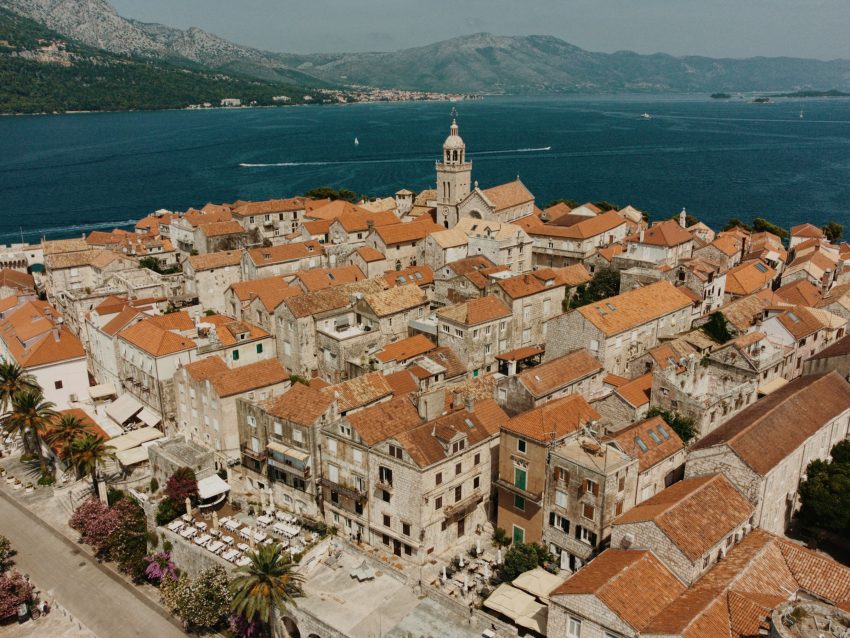
Visiting Korcula
4. Zadar
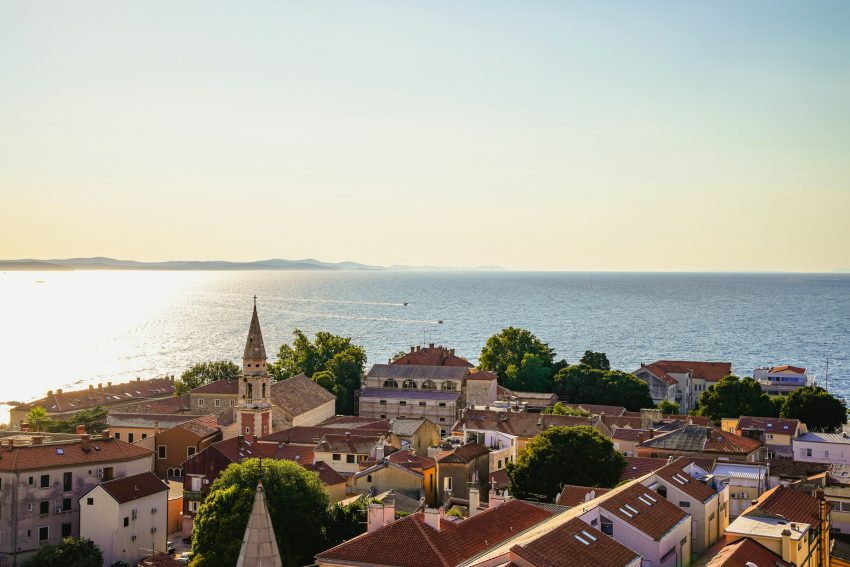
Visiting Zadar
Where to Stay in Split
For a first-time visit, staying inside or right next to the Old Town/Diocletian’s Palace area is the most convenient choice in Split because you can walk to the main sights, the Riva promenade, restaurants, and the port for ferries and day trips. If you want that doorstep-to-everything feel with a boutique atmosphere, consider Cornaro Hotel, which is well placed for exploring on foot and is a strong pick for comfort and service. For a stylish stay that keeps you close to the palace lanes and evening energy, Hotel Park Split offers an upscale experience near Bačvice and the waterfront, making it easy to combine city time with beach breaks.
If you prefer a calmer base with greenery and easy access to walks and viewpoints, the Marjan area is ideal; it’s quieter than the center but still close enough for quick trips into town. A good option here is Hotel Cvita, which suits travelers who want a more relaxed atmosphere while staying within easy reach of the old town. For travelers focused on swimming and a classic seaside rhythm, the Bačvice neighborhood works well—close to the beach and still walkable to the center—while Radisson Blu Resort & Spa, Split is a strong choice if you want resort-style amenities, sea views, and an on-site spa after busy sightseeing days.
Using the our Hotel and Accomodation map, you can compare hotels and short-term rental accommodations in Split. Simply insert your travel dates and group size, and you’ll see the best deals for your stay.
Split Accommodation Map
Best Time to Visit Split
Split in Spring (March–May)
Spring is a comfortable time to visit Split for walking the old town, climbing viewpoints, and enjoying the waterfront before peak crowds arrive. Days are generally mild, evenings can be cool, and the city feels energetic as terraces and seasonal tours ramp up. It’s also a good shoulder-season choice if you want a balance of pleasant weather and better availability.
Split in Summer (June–August) (Best)
Summer is the classic Split season: long sunny days, warm sea temperatures, and a lively atmosphere from morning to late night. Expect the busiest streets and the highest accommodation demand, but also the fullest schedule of events and open-air life. Festival highlights often include the Split Summer Festival (theatre, music, and performances in atmospheric outdoor settings) and a packed calendar of concerts and nightlife.
Split in Autumn (September–November)
Autumn starts with warm sea conditions and gradually cools into a calmer city rhythm. Early autumn is excellent for swimming and boat trips with fewer crowds than midsummer, while later months suit food-focused travel and relaxed sightseeing. It’s a strong option if you want a quieter Split while still enjoying plenty of open restaurants and tours.
Split in Winter (December–February)
Winter is the most low-key season in Split, with cooler temperatures and a slower pace, though the city remains very much lived-in. It’s a good time for travelers who prefer uncrowded streets, local cafés, and a more residential feel in the historic center. Seasonal festivities and holiday markets can add atmosphere, but some beach-oriented services and island excursions run on reduced schedules.
Annual Weather Overview
- January 10°C 54°F
- February 12°C 57°F
- March 14°C 61°F
- April 18°C 68°F
- May 22°C 75°F
- June 27°C 83°F
- July 29°C 88°F
- August 29°C 88°F
- September 26°C 82°F
- October 21°C 73°F
- November 15°C 63°F
- December 12°C 57°F
How to get to Split
Getting to Split by air
Nearest airports: Split Airport (SPU) is the main gateway, with seasonal and year-round flights depending on routes.
Airport to city: You can reach the city by airport shuttle bus, taxi, or app-based transfers; in summer, allow extra time for traffic.
Getting to Split by train
Train services: Split is connected by rail to other Croatian cities, with services that can be slower than driving but scenic in parts.
Train operator links: Croatian Railways (HŽPP): https://www.hzpp.hr/en
Getting to Split by Car
Driving routes: Split is well connected by major roads, and driving can be convenient if you plan to explore nearby coastal towns and inland viewpoints.
Parking: Parking in and around the old town can be limited and expensive in peak season; consider garages or accommodations with reserved spaces.
Travelling around Split
On foot: The historic core is best explored walking—many lanes are narrow and pedestrian-focused.
Local buses: City buses are useful for beaches and neighborhoods beyond the center.
Ferries and catamarans: The port is a major hub for island day trips and onward travel.
Useful ferry operator: Jadrolinija: https://www.jadrolinija.hr/en