Reykjavik, Iceland: The Ultimate Travel Guide 2026
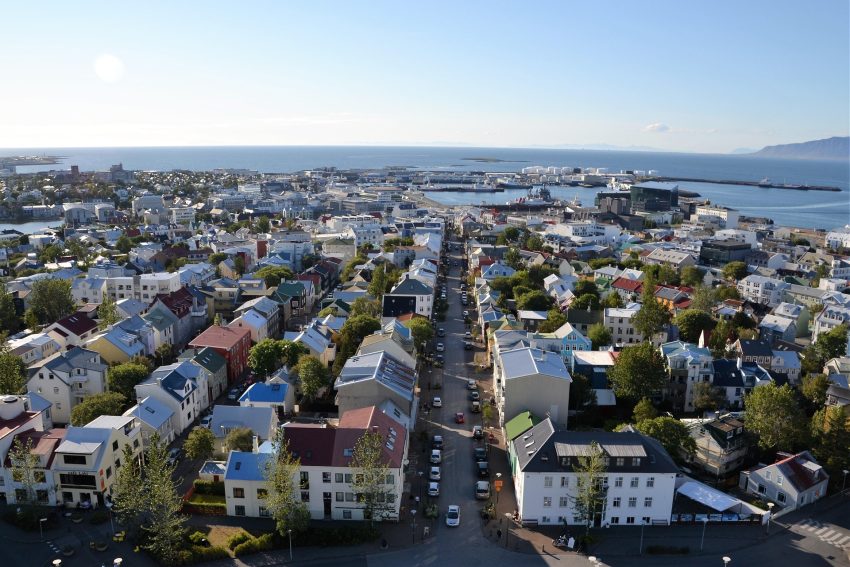
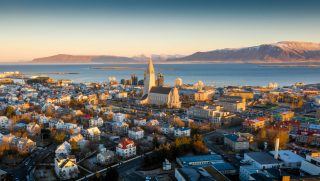
Aerial view of Reykjavik
Reykjavik

Reykjavík sits in southwest Iceland, on the shore of Faxaflói Bay in the Capital Region, with the Reykjanes Peninsula to the south and a sweep of mountains framing the horizon. As a base for exploring Iceland, it is compact, walkable, and easy to navigate, with most headline sights, cafés, and harbour areas clustered within a short distance of the centre. The city’s appeal is as much about atmosphere as attractions: clean design, strong coffee culture, and a sense that wild landscapes are always close.

Plan your days around the weather and the light rather than a rigid timetable. Reykjavík can shift quickly from crisp sunshine to wind and showers, so layers and a waterproof outer shell matter more than dressing up. If you are visiting in winter, build in flexibility for storms and limited daylight; in summer, take advantage of late evenings for waterfront walks and relaxed dinners. Either way, it is worth scheduling a couple of warm-up breaks, because you will likely spend a lot of time outdoors.

Reykjavík also works well as a hub for day trips without feeling like you are constantly in transit. You can mix city time with quick access to geothermal pools, coastal viewpoints, and organised excursions that return you to town by evening, which keeps logistics simple. For a smoother stay, book accommodation centrally if you want to walk everywhere, or near main bus routes if you plan multiple tours, then use the city’s calm pace to reset between bigger Iceland days.

Table of Contents

History of Reykjavik

Reykjavík Before Settlement and Early Norse Arrival (Up to the 9th Century)

Long before Reykjavík became a town, the southwest coast of Iceland was visited by seafarers who left little permanent trace, but later Icelandic tradition holds that the first Norse settler, Ingólfur Arnarson, established a farmstead in the area around 874. Early life in Reykjavík was rural and dispersed, shaped by farming, fishing, and the practical realities of surviving in a harsh North Atlantic environment. For centuries, Reykjavík was not a “city” in the modern sense, but a cluster of farms and small holdings linked to the broader story of the Icelandic Commonwealth.

Reykjavík Under Norwegian and Danish Rule (13th to 18th Centuries)

From the late medieval period onward, Iceland came under Norwegian and then Danish authority, and Reykjavík’s development remained slow compared with continental ports. Trade restrictions, monopolies, and shifting economic policies under Danish control influenced how goods moved and where commerce concentrated, with Reykjavík gradually gaining importance as a local centre. The area began to attract administrative attention, and by the 18th century it became tied to early industrial and reform efforts that aimed to strengthen Iceland’s economy. A key turning point came with the establishment of enterprises associated with Skúli Magnússon, often called the “father of Reykjavík,” whose initiatives helped lay foundations for more permanent urban growth.

Reykjavík Becomes a Town and National Centre (Late 18th to 19th Century)

Reykjavík was granted town privileges in 1786, marking the transition from rural settlement to recognised urban community. Through the 19th century, it expanded in population and function, increasingly becoming Iceland’s administrative, educational, and cultural focal point. The rise of Icelandic nationalism and the push for greater autonomy from Denmark elevated Reykjavík’s role further, as institutions and political life concentrated there. By the end of the century, Reykjavík was firmly established as the country’s leading town, with a growing sense of civic identity and momentum.

Reykjavík and Icelandic Independence (Early 20th Century to 1944)

The early 20th century brought faster urbanisation and a stronger political profile, as Iceland gained home rule in 1904 and then became a sovereign state in union with Denmark in 1918. Reykjavík functioned as the centre of administration and national debate during this period of constitutional change. The Second World War was a major catalyst for transformation, with foreign military presence accelerating infrastructure development, employment, and the pace of modernisation. In 1944, Iceland declared itself a republic, and Reykjavík became the capital of a fully independent state, cementing its symbolic and practical national importance.

Reykjavík’s Postwar Expansion and Modern City Building (1945 to 1980s)

After 1945, Reykjavík grew rapidly as people moved from rural communities into the capital area, seeking work, services, and education. Housing development expanded outwards, and the city’s economy diversified alongside improvements in transport, utilities, and public institutions. Reykjavík’s cultural life strengthened through new venues, media, and a more outward-looking society, while the fishing industry remained a critical economic pillar. By the late 20th century, Reykjavík had become a modern European-style capital in function, if not in scale.

Reykjavík in Contemporary Iceland (1990s to Present)

In recent decades, Reykjavík has continued to develop as Iceland’s main hub for government, culture, tourism, and innovation-driven business. The city’s international profile rose sharply with the growth of tourism, and it faced the same pressures seen in many capitals, including housing demand and balancing local life with visitor economies. The 2008 financial crisis was a defining modern episode, followed by a period of recovery and reorientation. Today, Reykjavík is widely associated with a confident cultural scene, strong design identity, and a city life that continues to evolve while remaining closely tied to Iceland’s national story.

Moira & Andy
Moira & Andy

Hey! We're Moira & Andy. From hiking the Camino to trips around Europe in Bert our campervan — we've been traveling together since retirement in 2020!

Read our full story here

Visiting Reykjavik for the first time and wondering what are the top places to see in the city? In this complete guide, I share the best things to do in Reykjavik on the first visit. To help you plan your trip, I have also included an interactive map and practical tips for visiting!

This website uses affiliate links which earn a small commission at no additional cost to you.
Powered by GetYourGuide

37 Best places to See in Reykjavik

This complete guide to Reykjavik not only tells you about the very best sights and tourist attractions for first-time visitors to the city but also provide insights into a few of our personal favorite things to do.

This is a practical guide to visiting the best places to see in Reykjavik and is filled with tips and info that should answer all your questions!

1. Alþingishúsið
Alþingishúsið
Alþingishúsið
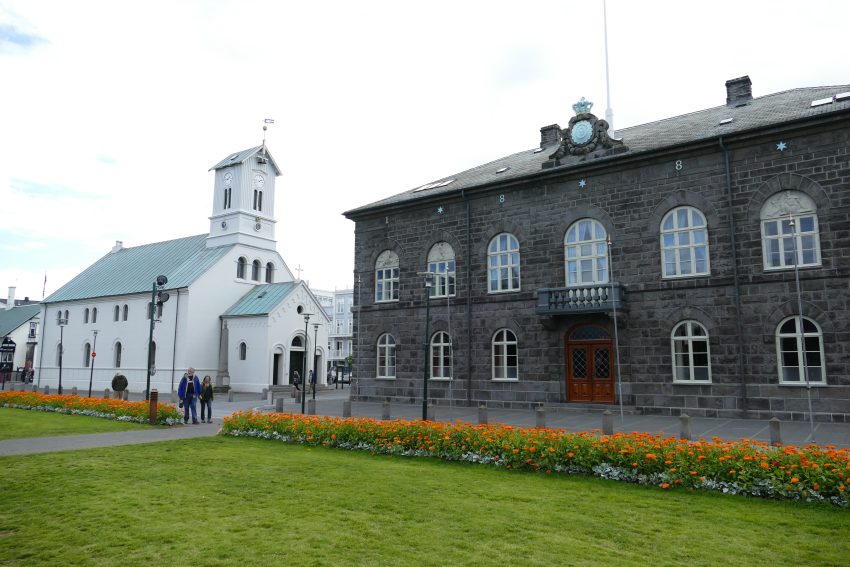
Alþingishúsið is Reykjavik’s Parliament House, a compact classical building of dark, hewn dolerite finished in 1881 and still used for debates, meetings, and staff offices. Set right on Austurvöllur square, it feels almost fortress-like up close, with a strict symmetry that stands out against the city’s lighter streets. Look for the carved reliefs on the tympanums showing Iceland’s four Land Spirits—a dragon, vulture, bull, and giant—and, on the north side, the Danish-era crown and crest of King Christian IX. Behind the building, a small, charming garden doubles as Iceland’s oldest public garden, a surprisingly quiet pause beside a working seat of government.
Location: 43W5+MWW, Kirkjutorg, 101 Reykjavík, Iceland | Hours: Check official website. | Price: Free. | Website | Distance: 0km


Here is a complete selection of hotel options in Reykjavik. Feel free to review each one and choose the stay that best suits your needs.

2. Austurvöllur

Austurvöllur
Austurvöllur
CC BY-SA 4.0 / APK
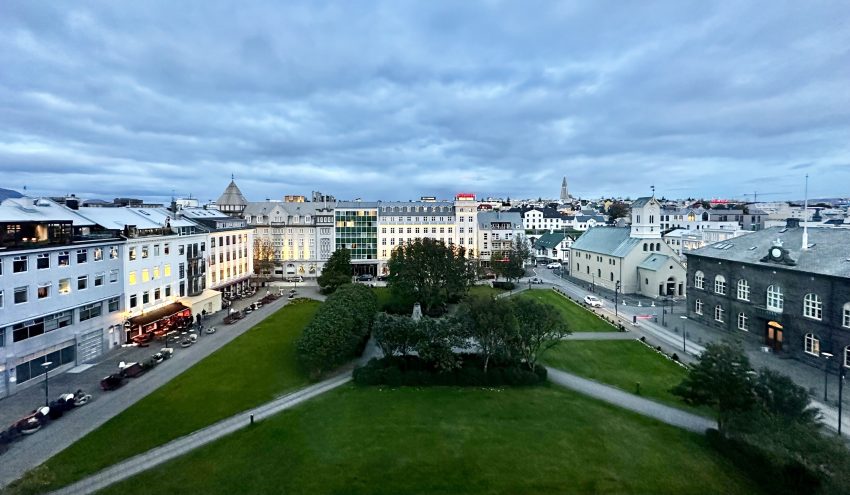
Austurvöllur is Reykjavik’s central public square, a grassy park framed by civic architecture, with Alþingishúsið (Parliament House) and Reykjavík Cathedral right at its edges. In the middle stands a statue of Jón Sigurðsson, the 19th-century leader of Iceland’s independence movement, giving the lawn a clear political and historical anchor. The square is also defined by Hotel Borg, an Art Deco landmark that opened in 1930 after Olympic competitor Jóhannes Jósefsson returned from the U.S. determined to build a luxury hotel for the city. In summer, people spill out to outdoor cafés; in winter, a large Christmas tree and seasonal lights add atmosphere.
Location: Pósthússtræti 101, 101 Reykjavík, Iceland | Hours: 24 Hours. | Price: Free. | Distance: 0km

Traveling to a country with a different currency? Avoid ATM transaction fees and pay in local currency with a Wise Card. Having used it for over 5 years, we've saved loads on fees!

3. Tjörnin

Tjörnin
Tjörnin
CC BY-SA 2.0 / Ray Swi-hymn
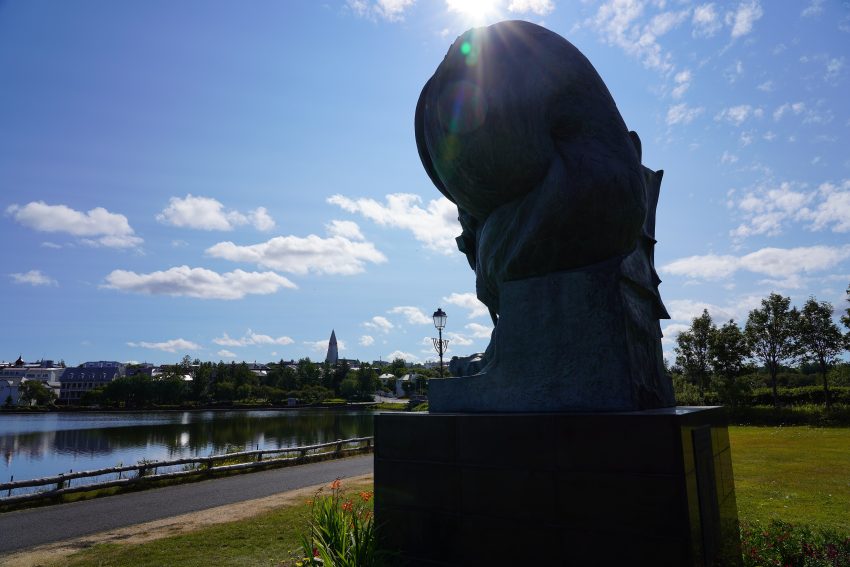
Tjörnin (“The Pond”) is a small, shallow lake in central Reykjavik, edged by paved paths and city buildings, where urban life and birdlife meet at eye level. It draws visitors for close views of water birds—often 40–50 species over time, including whooper swans and, in summer, Arctic terns that locals take as a seasonal marker. A pedestrian bridge first crossed the water in 1920 and was replaced by the concrete bridge still used today. The loop is dotted with statues toward Hljómskálagarður park, and boards along the shore track daily bird counts. In winter, the surface sometimes freezes, changing the scene into an ice-skating backdrop.
Location: Tjörnin, 101 Reykjavík, Iceland | Hours: 24 Hours. | Price: Free. | Distance: 0.1km

Explore Reykjavik at your own pace with our self-guided walking tour! Follow our curated route to discover must-see sights and local secrets that makes Reykjavik one of the best places to visit in Iceland.

4. The Settlement Exhibition

The Settlement Exhibition
Public Domain / Szilas
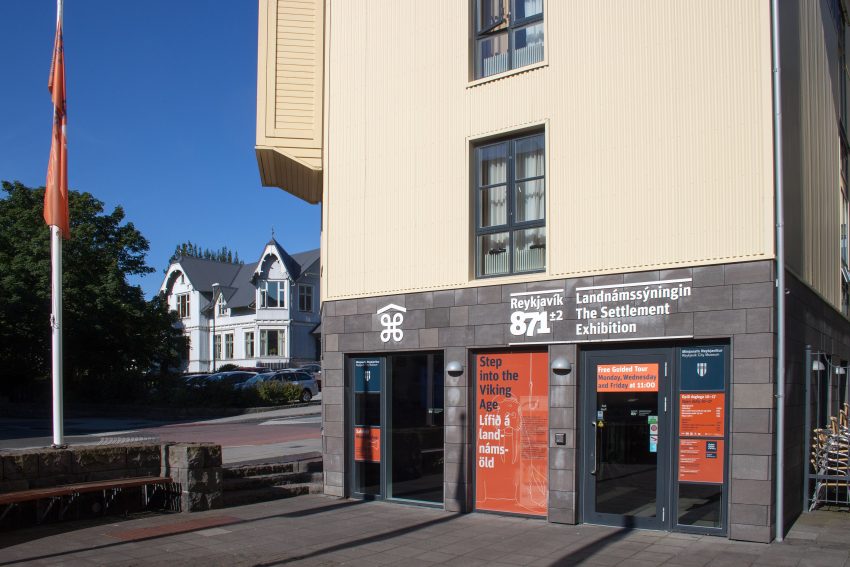
The Settlement Exhibition (Reykjavík 871±2) is a small Reykjavik City Museum site built around the excavated remains of one of Iceland’s earliest known houses, preserved where it was found beneath the city center. Its core is a Settlement Age hall uncovered in 2001 and lived in roughly 930–1000 AD, viewed from above with clear interpretation. Nearby, two turf fragments from an older wall predate the “871±2” marker, dated using a region-wide volcanic ash layer traced to the Torfajökull area and correlated through Greenland ice records. Displays add Viking Age artifacts recovered from central Reykjavik and Viðey, and visitors often linger to read the well-organized panels and study the longhouse footprint.
Location: Aðalstræti 16, 101 Reykjavík, Iceland | Hours: Daily: 10:00–17:00. | Price: Check official website. | Website | Distance: 0.1km

5. Dómkirkjan í Reykjavík
Dómkirkjan í Reykjavík
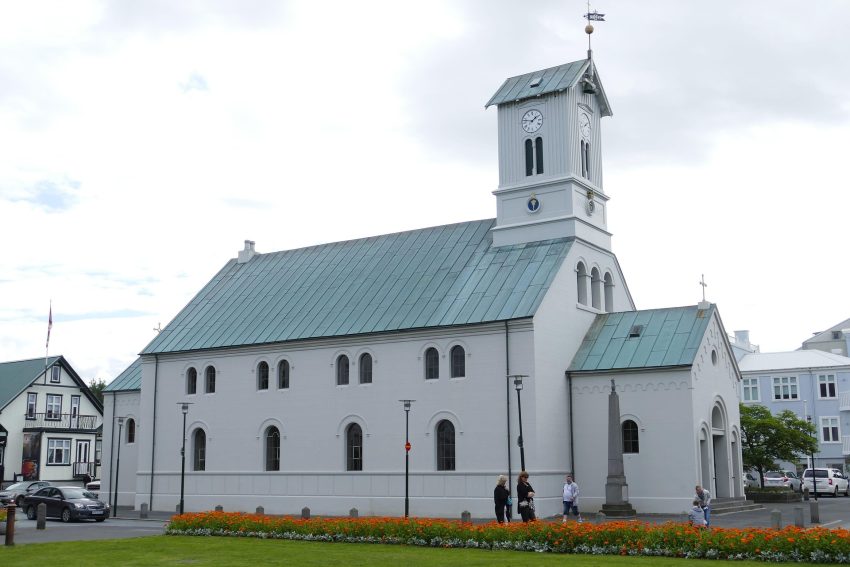
Dómkirkjan í Reykjavík (Reykjavík Cathedral) is a compact neoclassical Lutheran cathedral on Austurvöllur square, serving as the seat of the Bishop of Iceland and the parish church for the city center. The site has hosted churches since the 13th century, and the present building was begun in 1788 and dedicated in 1796—one of the first projects built with Reykjavík’s future as capital in mind. Its civic role is tangible: since 1845, parliament sessions traditionally open with a service here, and presidential inaugurations take place inside. Visitors notice the calm, spare interior and the large pipe organ—built in Berlin in 1985 with 31 stops and three manuals—often heard in concerts. Look for the baptismal font designed by sculptor Bertel Thorvaldsen.
Location: Kirkjustræti, 101 Reykjavík, Iceland | Hours: Monday – Friday: 10:00–14:00. | Price: Free; donations appreciated. | Website | Distance: 0.1km

6. Reykjavík Art Museum Hafnarhús
Reykjavík Art Museum Hafnarhús
Public Domain / TommyBee
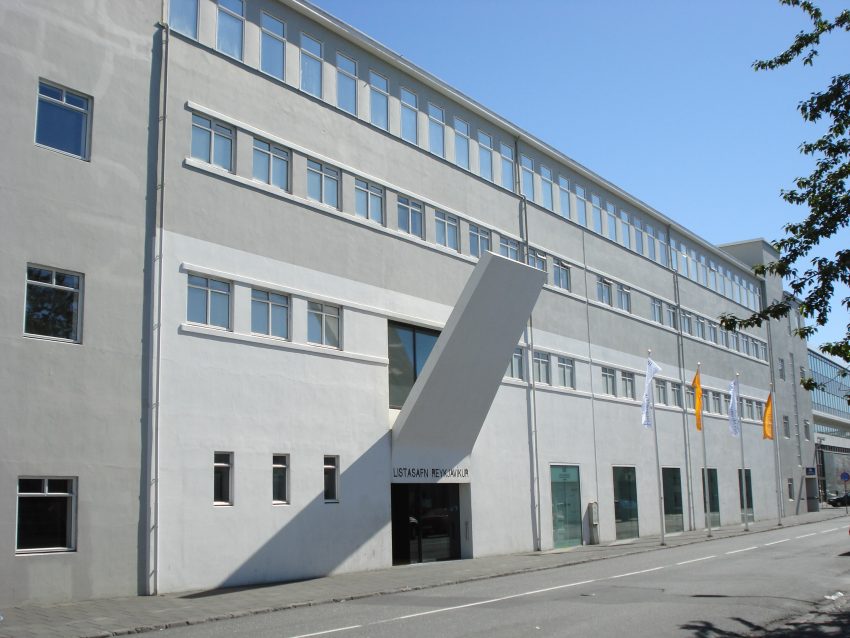
Reykjavík Art Museum Hafnarhús is the downtown branch of the city-run Reykjavík Art Museum, Iceland’s largest visual art institution, and it functions as the network’s contemporary-art hub. Set in a converted harbour-side warehouse, its industrial volumes unfold over multiple levels, shaping how you move through video, mixed-media, and concept-driven installations. The wider museum manages Reykjavík’s art collection and stages more than twenty exhibitions a year across roughly 3,000 square meters of gallery space, and Hafnarhús is where the newest directions tend to surface. Visitors often notice how quiet it can feel in the morning and how much time the shows reward once you slow down. Works connected to Erró are a recurring anchor.
Location: Tryggvagata 17, 101 Reykjavík, Iceland | Hours: Monday – Wednesday: 10:00–17:00. Thursday: 10:00–22:00. Friday – Sunday: 10:00–17:00. | Price: Adults: 2,550 ISK; Students: 1,550 ISK; Under 18: free; Disabled: free. | Website | Distance: 0.2km

7. The Icelandic Punk Museum
The Icelandic Punk Museum
CC BY-SA 4.0 / Ziko van Dijk
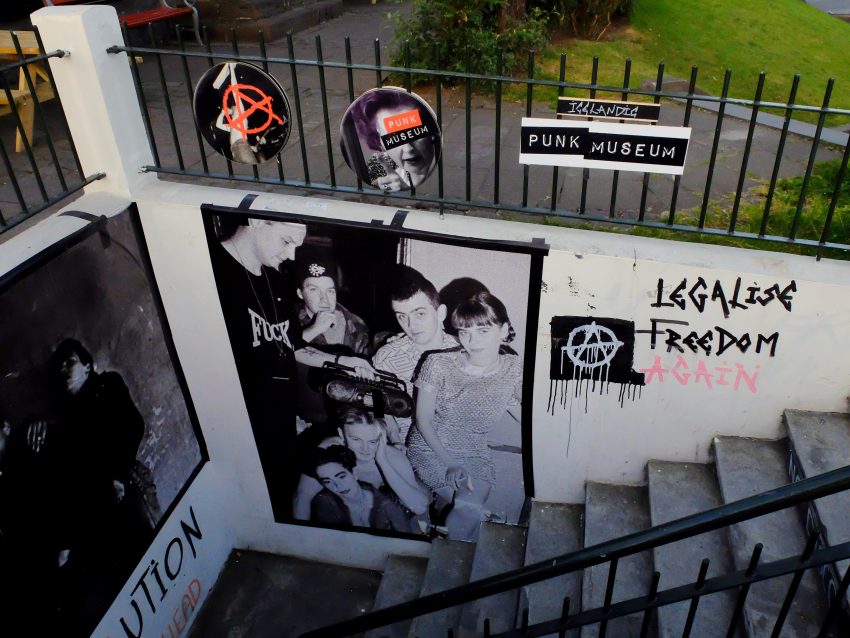
The Icelandic Punk Museum is a tiny underground museum in central Reykjavik, built into a former public toilet under Bankastræti, that traces Iceland’s punk scene from the late 1970s into the early ’90s. Opened in 2016, it treats the movement as lived culture, cramming the old stalls and washbasin spaces with photos, posters, handbills, and bits of instruments and stage gear. Visitors remember the sound as much as the objects: pull-down headphones let you sample tracks while punk blasts near the entrance. There’s also playful interaction—try on jackets, pose with guitars and a drum set—and a wall of photos from the opening event attended by Johnny Rotten.
Location: Bankastræti 0, 101 Reykjavík, Iceland | Hours: Daily: 14:00–18:00. | Price: Adults: 2,000 ISK. | Distance: 0.2km

8. Reykjavík City Hall
Reykjavík City Hall
Reykjavík City Hall
CC BY-SA 2.0 / Ray Swi-hymn
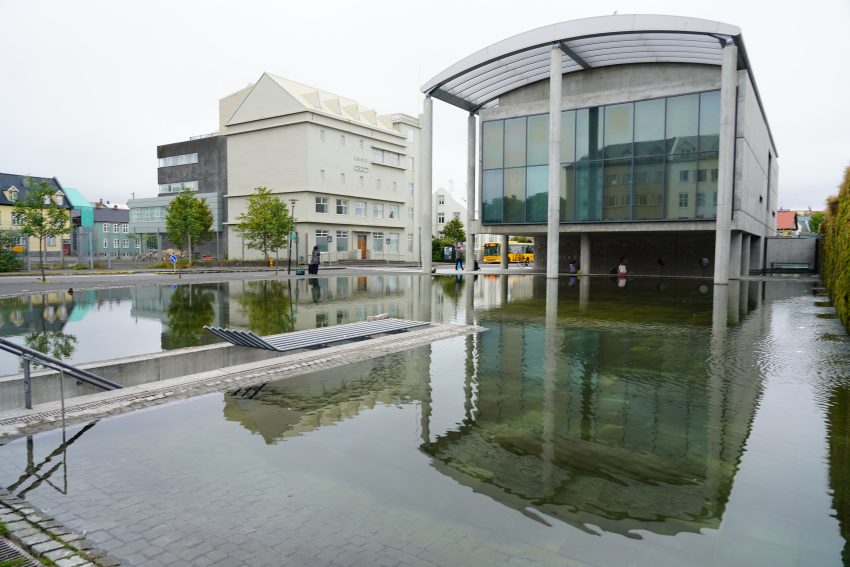
Reykjavík City Hall is the capital’s civic headquarters, set on the northern shore of Tjörnin, where its low, modern form deliberately meets the water. Designed by Margrét Harðardóttir and Steve Christer after a 1986 competition and opened in 1992, it’s split between a more solid council wing and a south-facing office side with airy rooms looking out over the lake. Outside, a moss-covered wall nods to Iceland’s lava-and-moss landscapes. Inside, visitors linger over a huge 3D relief map of Iceland—built from precisely cut cardboard layers on a wood-and-aluminum frame—plus occasional small exhibitions, and many appreciate the clean, warm public interior.
Location: Tjarnargata 11, 101 Reykjavík, Iceland | Hours: Monday – Friday: 08:00–18:00. Saturday: 10:00–18:00. Sunday: 12:00–18:00. | Price: Free. | Website | Distance: 0.2km

9. Prime Minister’s Office
Prime Minister’s Office
CC BY-SA 4.0 / APK
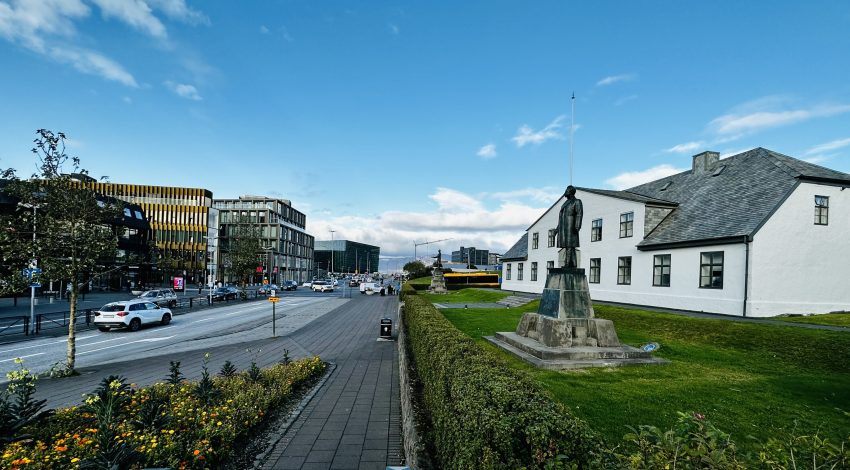
Reykjavik’s Prime Minister’s Office (Stjórnarráðið) is the Government House where Iceland’s cabinet work is carried out, tucked just off Lækjargata behind small, tidy grounds. Its importance is easy to miss at first because the building is deliberately modest, but its backstory is unusually stark: it began as Iceland’s first penitentiary, approved by the Danish king in 1759 and built from 1761, with convicts helping construct it. Completed in the winter of 1770–71, it later became the home of Iceland’s first ministry in 1904 and was formally named for that role in 1918. Pause outside for the statues and the quiet sense of state power woven into everyday streets.
Location: Lækjargata, 101 Reykjavík, Iceland | Hours: Monday – Friday: 08:30–16:00. Closed on Saturday, Sunday. | Price: Free. | Website | Distance: 0.2km

10. Lutheran Free Church
Lutheran Free Church
CC BY-SA 1.0 / TommyBee
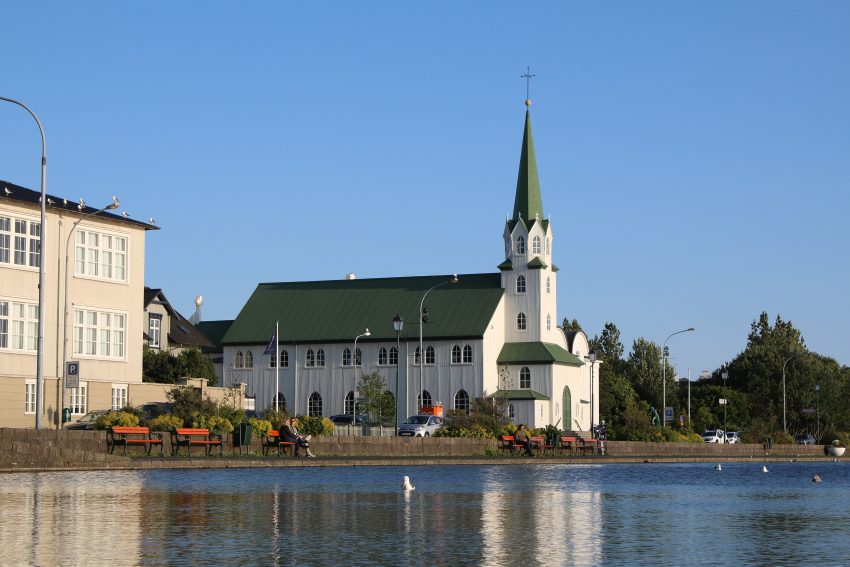
The Lutheran Free Church (Fríkirkjan í Reykjavík) is an independent Lutheran congregation’s church set beside Lake Tjörnin in central Reykjavik, created in 1899 by locals who wanted a church closer to everyday people than the national Church of Iceland. It opened on February 22, 1903 on the lake’s eastern side, then was enlarged in 1905 to plans by architect Rögnvaldur Ólafsson and expanded again in 1924 with a concrete chancel overseen by master builder Guðmundur H. Þorláksson. Visitors remember the crisp white exterior, green roofline, and compact tower reflected in the water among swans and shifting skies. Inside, the restrained space is known for clear acoustics, and travelers often catch memorable concerts or festival performances.
Location: Fríkirkjuvegur 5, 101 Reykjavík, Iceland | Hours: Monday – Thursday: 09:00–16:00. | Price: Free; donations appreciated. | Website | Distance: 0.3km

11. The National Gallery of Iceland
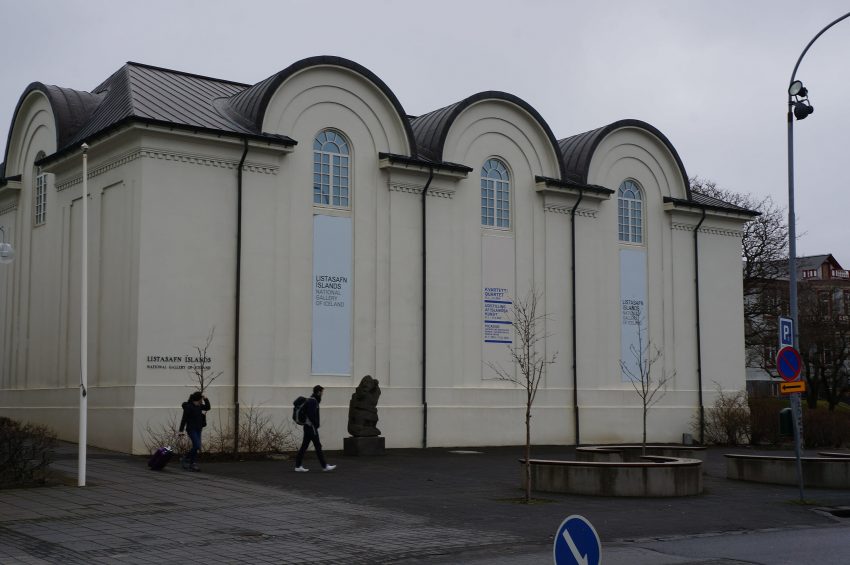
The National Gallery of Iceland
CC BY-SA 4.0 / Geraldshields11
The National Gallery of Iceland in Reykjavik is the country’s leading visual-art museum, shaping how Icelandic art is collected, studied, and shown alongside international work. Founded in 1884 in Copenhagen by Björn Bjarnarson and later made independent by a 1961 law, it now stages rotating exhibitions rather than a sprawling permanent display. Inside, you’ll find multiple exhibition halls spread over three floors, plus an art shop, a café, and a specialist research library focused on Icelandic art. The museum also operates across more than one location, and visitors often note that the main building can feel compact, with changing shows that lean Icelandic and Arctic in theme.
Location: Fríkirkjuvegur 7, 101 Reykjavík, Iceland | Hours: Daily: 10:00–17:00. | Price: Adults (18+): 2,500 kr; Students: 1,500 kr; Seniors (67+): 1,500 kr; Under 18: free; Visitors with disabilities and care partners: free. | Website | Distance: 0.3km

12. Old Harbour
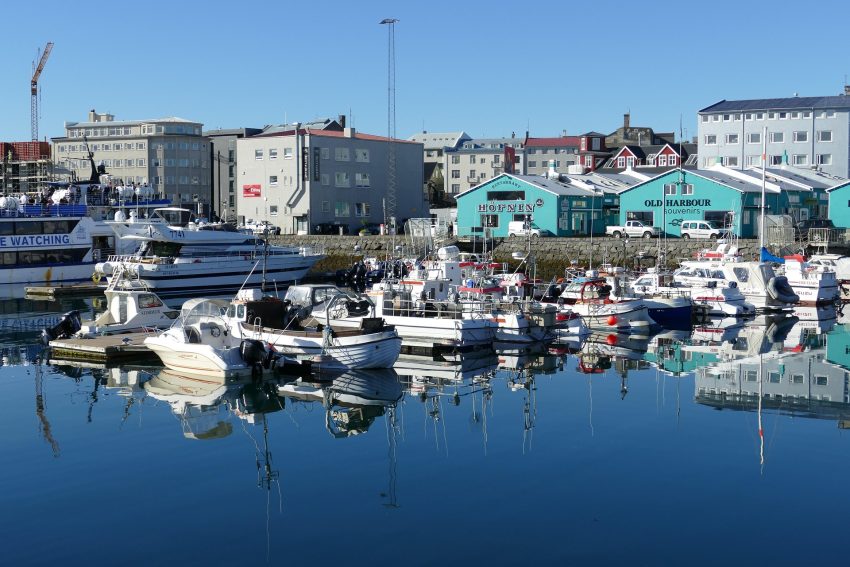
Old Harbour Souvenirs
Reykjavík’s Old Harbour is the city’s working waterfront turned lively promenade, built between 1913 and 1917 and long central to fisheries and trade. Boats still come and go, but today the quays are best known as the departure point for whale-watching and puffin trips, with chances to spot minke and humpback whales and, on rare days, orcas. On land, renovated fishing houses now hold cafés, bars, and galleries, giving the area a colorful, slightly salty edge. Stop by Bæjarins Beztu hot dog stand (serving since 1937) or book a table at Matur & Drykkur, noted in the Michelin Guide. On clear evenings, the walk is all sea air and Mount Esja views.
Location: Geirsgata 5c, 101 Reykjavík, Iceland | Hours: 24 Hours | Price: Free. | Website | Distance: 0.4km

13. Cathedral of Christ the King
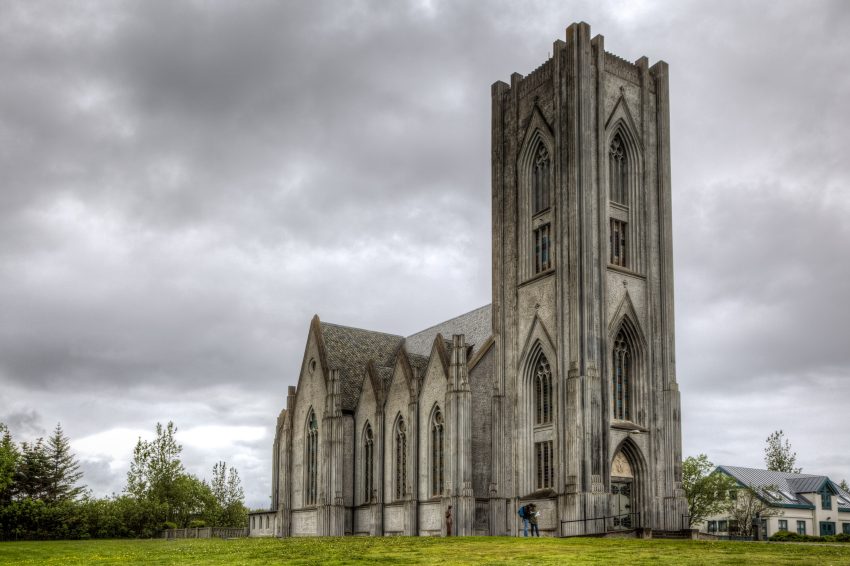
Cathedral of Christ the King
CC BY-SA 2.0 / Ben Kucinski
Cathedral of Christ the King (Landakotskirkja) is Reykjavík’s Roman Catholic cathedral, built to serve a growing Catholic community after World War I and consecrated on July 23, 1929. Designed by Guðjón Samúelsson, it’s a Neo-Gothic structure with an unusual flat roof instead of a typical spire, set on the Landakot property in the city’s western center. From the street, its pale exterior and tower stand out; inside, the space feels notably calm, with cool blue tones and a simple altar area that invites a quiet sit. Visitors often mention arriving to the sound of bells and leaving feeling refreshed by the stillness.
Location: Túngata 13, 101 Reykjavík, Iceland | Hours: Monday: 09:00–17:00. Tuesday: 09:00–17:00. Wednesday: 09:00–17:00. Thursday: 09:00–17:00. Friday: 09:00–17:00. Saturday: Closed. Sunday: Closed. | Price: Free; donations appreciated. | Website | Distance: 0.4km

14. House of Collections
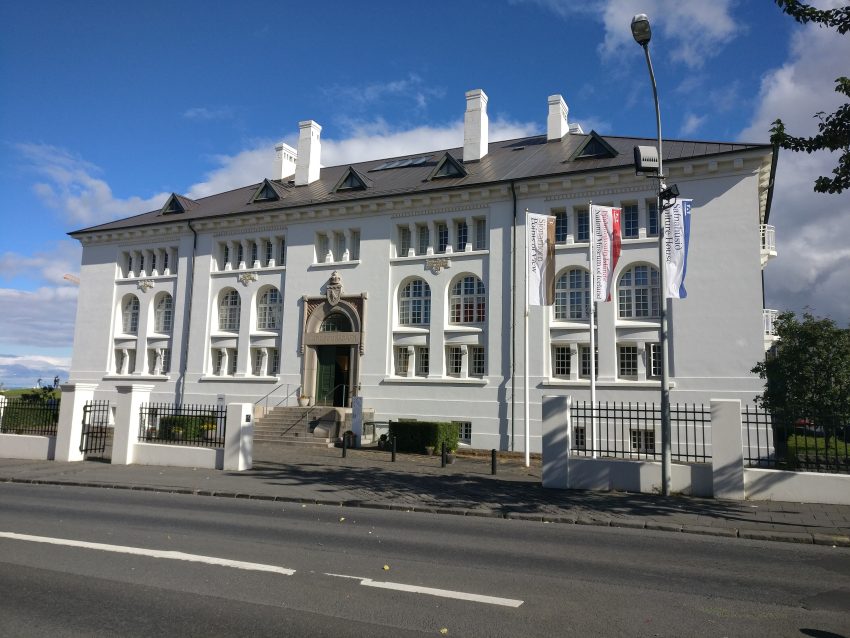
The House of Collections
CC BY-SA 3.0 / Vera de Kok
House of Collections in central Reykjavik occupies the former Culture House, a 1906–1908 building that first opened in 1909 as Iceland’s National Library and Archives and later housed the National Museum and Natural History collections. Now used for exhibitions in partnership with national institutions, it’s a protected historic site where the architecture is part of the draw. Visitors notice the original reading hall and the warm oak furnishings designed by caretaker Frederick Kiörboe, along with the cornerstone set in 1906 that you can spot beneath the front steps. Inside, the galleries feel compact and carefully edited, mixing curated displays with interactive, playful installations that keep the experience calm and unhurried.
Location: Hverfisgata 15, Hverfisgata 15, 101 Reykjavík, Iceland | Hours: Daily: 10:00–17:00. | Price: Adults (18+): 1.500 kr.; Students: 1.000 kr.; Seniors (67+): 1.000 kr.; Children (17 and under): free; Visitors with disabilities and care partners: free. | Website | Distance: 0.4km

15. Harpa Concert Hall and Conference Centre
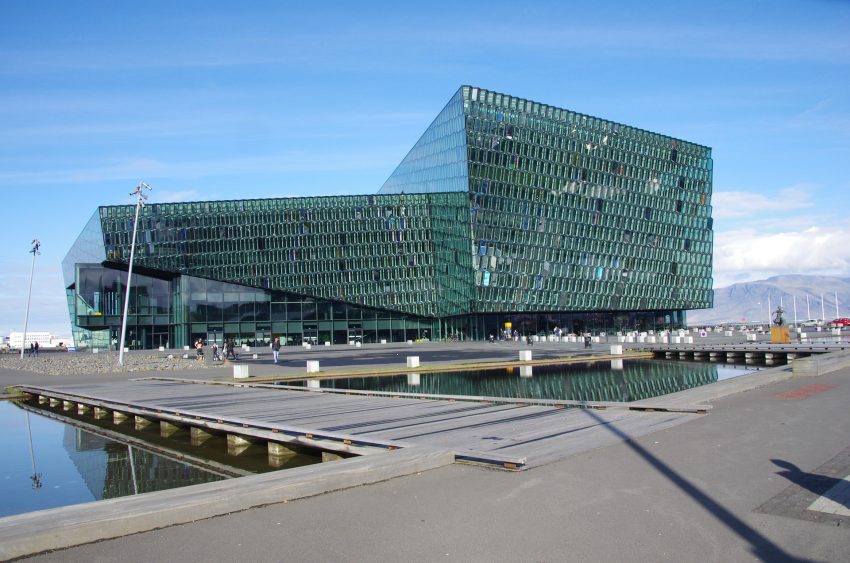
Harpa Concert Hall and Conference Centre
Harpa Concert Hall and Conference Centre is Reykjavik, Iceland’s purpose-built concert hall (completed in 2011), a working home for the Iceland Symphony Orchestra and a major venue for performances and conferences. Visitors remember the faceted, geometric glass skin—colored panels set on a steel frame—that turns the lobby into a shifting play of reflections and, after dark, makes the building glow like a lantern on the harbor. Inside, you can usually wander the lower public floors, with views out to the water and city through the crystalline façade. In the water beside Harpa stands The Musician (1970), a sculpture by Ólöf Pálsdóttir of a cellist that moved here with the orchestra. The building won the EU Mies van der Rohe architecture award in 2013.
Location: Austurbakki 2, 101 Reykjavík, Iceland | Hours: Monday – Tuesday: 10:00–18:00. Wednesday – Saturday: 10:00–20:00. Sunday: 10:00–18:00. | Price: Free (public areas); prices vary by show. | Website | Distance: 0.5km

16. Hólavallagarður
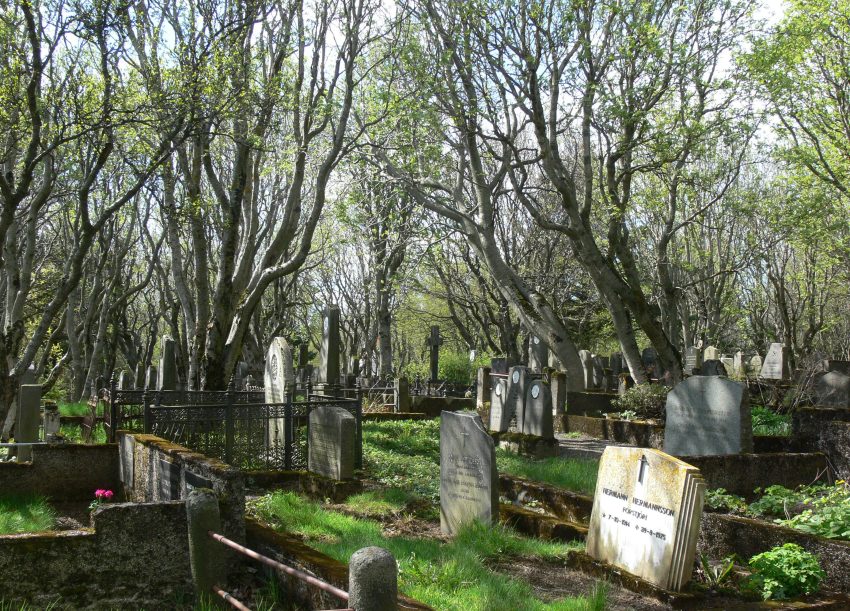
Hólavallagarður
Hólavallagarður
CC BY-SA 2.0 / Christian Bickel fingalo
Hólavallagarður is Reykjavik’s old churchyard cemetery, established in 1838 on a small rise near the city center, where the noise drops away into a surprisingly wooded pocket. Visitors remember the narrow, mossy paths, weather-softened stones, and the way sun (or autumn rain) changes the mood from dappled calm to misty and gray. Unusual for Iceland, the grounds are thick with willows, spruces, poplars, birch, and rowan, making it feel almost like a miniature forest. Many graves belong to major Icelanders—independence leader Jón Sigurðsson, painter Jóhannes S. Kjarval, and parliamentarian Ingibjörg Bjarnason—and there are memorials tied to the 1918 flu and French sailors.
Location: 43V2+RRG, Suðurgata, 101 Reykjavík, Iceland | Hours: 24 Hours. | Price: Free. | Distance: 0.5km

17. National Museum of Iceland
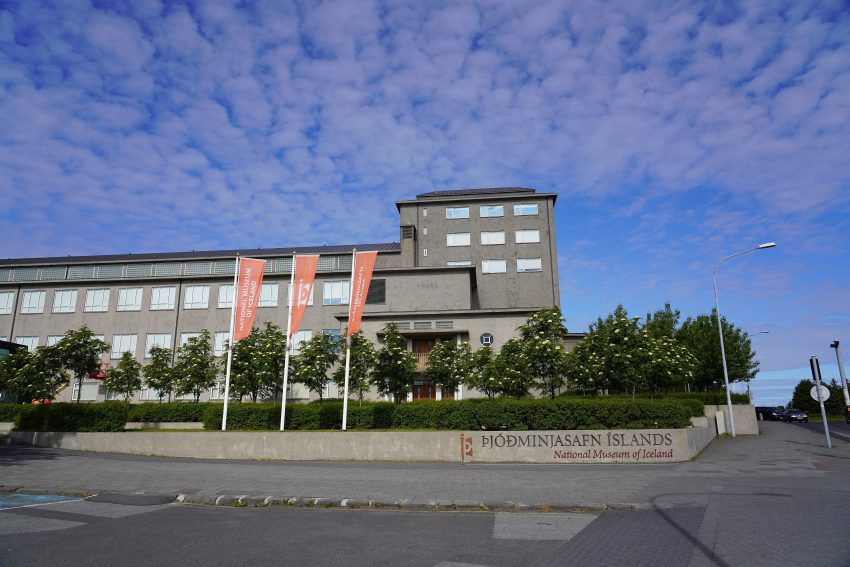
National Museum of Iceland
CC BY-SA 2.0 / Ray Swi-hymn
Reykjavik’s National Museum of Iceland traces the country’s story from early settlement to the present, built around roughly 2,000 artifacts that make daily life feel tangible. Founded in 1863 to gather Icelandic objects long kept in Danish collections, it eventually found a permanent home on Suðurgata in 1950 after decades in various Reykjavík attics. Among the pieces people remember is the carved Valþjófsstaður door, whose medieval imagery riffs on the Lion-Knight tale of a dragon fight and an unlikely animal ally. Displays range from Viking-era weapons and seafaring material to religious objects and a reconstructed Icelandic house, with a surprising modern touch: a copy of Björk’s first album, recorded when she was 11.
Location: Suðurgata 41, 102 Reykjavík, Iceland | Hours: Daily: 10:00–17:00. | Price: Adults: 3,300 ISK; Students & seniors: 1,600 ISK; Under 18: free. | Website | Distance: 0.7km

18. Laugavegur
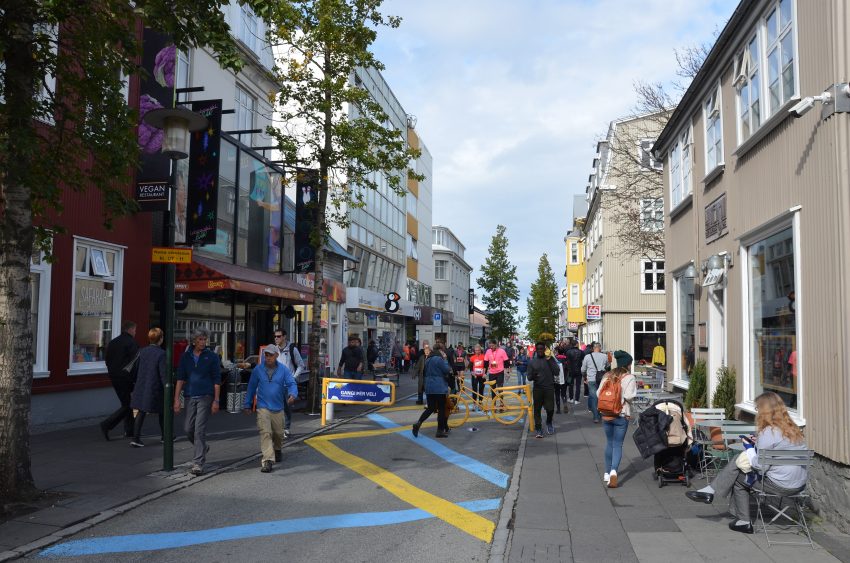
Laugavegur
Laugavegur
CC BY-SA 4.0 / Steven Lek
Laugavegur is Reykjavik’s main shopping street, stretching a little over two kilometers from Hlemmur toward Bankastræti, and it’s where the city’s compact downtown energy is easiest to feel on foot. The name is often translated as “Water Road,” recalling the route once used to reach hot pools for washing laundry. Today the street is a dense run of Icelandic-design boutiques, vintage and second-hand shops, bookstores, cafés, bakeries, bars, and restaurants, from traditional menus to vegan options. Quirkier stops include the Phallological Museum and a tiny punk museum tucked along the way. Travelers often remember the colorful façades, street art, and the relaxed vibe on winter evenings.
Location: Laugavegur, Reykjavík, Iceland | Hours: 24 Hours. | Price: Free. | Distance: 0.7km

19. Landsbókasafn Íslands – Háskólabókasafn
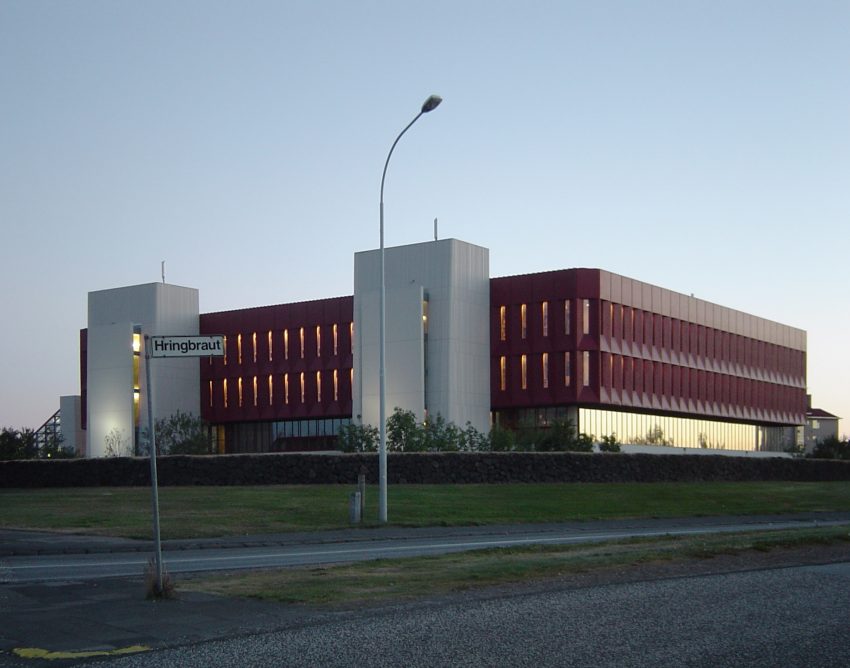
Landsbókasafn Íslands – Háskólabókasafn
CC BY-SA 4.0 / Gunnar Klack
Landsbókasafn Íslands – Háskólabókasafn is Reykjavik’s National and University Library, created in 1994 when the national and university collections merged into one public institution. Inside its 13,000-square-meter Þjóðarbókhlaðan building, visitors notice a calm, spacious layout and distinctive red-and-white modern architecture with generous light and quiet acoustics. The library’s core purpose is preservation and access: it holds roughly a million items, including Iceland’s legal-deposit national collection and an extensive manuscript archive, plus deposited Icelandic music and audio materials. Even if you’re not researching, it’s a memorable place to sit in a comfortable reading chair, use reliable internet, and take a simple meal break at the canteen.
Location: Arngrímsgata 3, 107 Reykjavík, Iceland | Hours: Monday – Thursday: 08:15–22:00. Friday: 08:15–19:00. Saturday: 10:00–17:00. Sunday: 11:00–17:00. | Price: Free. | Website | Distance: 0.7km

20. Hallgrimskirkja
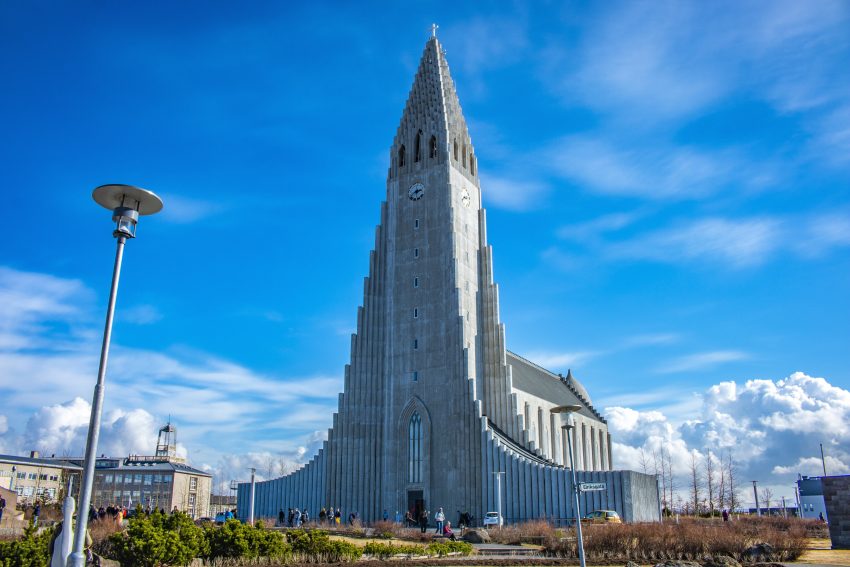
Hallgrimskirkja
Hallgrimskirkja
Hallgrímskirkja is Reykjavík’s 74-meter Lutheran church, a city-defining beacon you can spot from across town and use to orient yourself. Designed by Guðjón Samúelsson in 1937 and built from 1945 to 1986, its stepped, jagged façade echoes Iceland’s lava fields and basalt columns. Inside, the mood is spare and airy, with a towering pipe organ—15 meters tall with 5,275 pipes—that gives the space its sense of scale. For many visitors, the small-fee elevator ride up the tower is the lasting memory, ending in wide views over colorful roofs, the harbor, and distant mountains. Out front, the Leif Eriksson statue adds a surprising historical footnote to the stark modern exterior.
Location: Hallgrímstorg 1, 101 Reykjavík, Iceland | Hours: Daily: 10:00–17:00. Tower & church shop: 10:00–16:45. | Price: Church entry: Free. Tower: Adults 1,400 ISK; Seniors/students/disabled 1,000 ISK; Children (7–16) 200 ISK; Under 7: free. | Website | Distance: 0.8km

21. Aurora Reykjavík
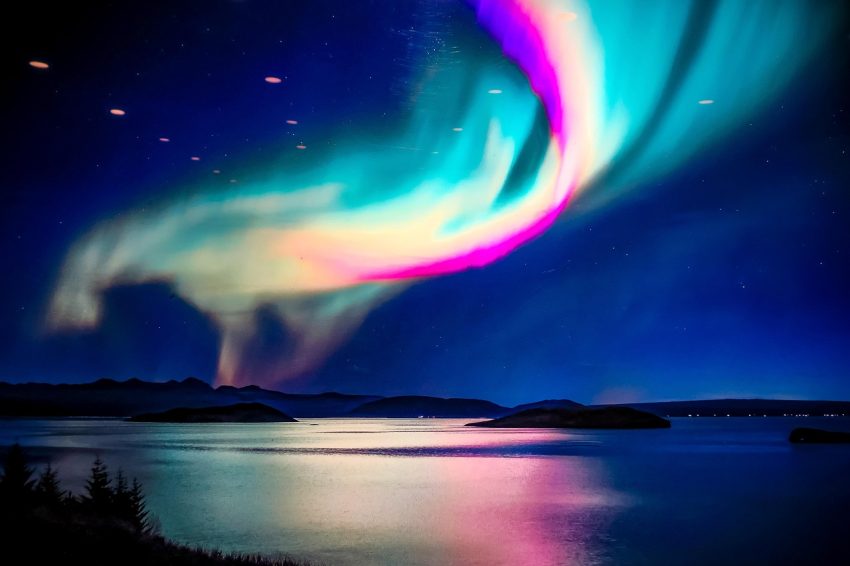
The Northern Lights Center
Aurora Reykjavík is an interactive Northern Lights center in Reykjavik’s Grandi Harbour area that helps visitors understand how auroras form and how to photograph them. The main draw is a 30‑minute aurora film projected on a seven‑meter widescreen, assembled from footage gathered around Iceland over seven years, with cozy bean bags and sheep fur for warming up. Hands-on exhibits cover the science and folklore, including touchscreens that show how aurora colors shift with altitude. Real-time forecast screens and staff advice make the phenomenon feel less mysterious, and a photo simulator lets you test camera settings before heading outside.
Location: Fiskislóð 53, 101 Reykjavík, Iceland | Hours: Daily: 10:00–18:00. | Price: Adults: 3,900 ISK; Students (with ID): 3,500 ISK; Ages 6–16: 1,900 ISK. | Website | Distance: 0.8km

22. The Einar Jónsson Museum
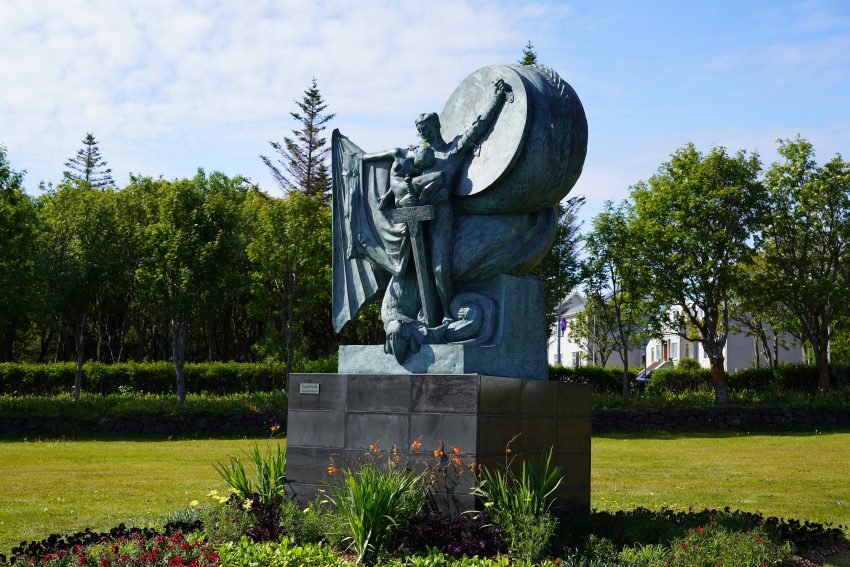
The Einar Jónsson Museum
CC BY-SA 2.0 / Ray Swi-hymn
The Einar Jónsson Museum in Reykjavik is Iceland’s first purpose-built art museum, created in 1923 as part of a deal in which parliament provided the sculptor a home and museum in exchange for his life’s work. Inside, you’ll see around 300 sculptures—many originally made in plaster, a practical choice in Iceland that let Jónsson rework forms over long periods. His style avoids classical polish, blending Nordic folklore, Christian symbolism, and intensely figurative bodies. The adjoining garden is a quiet space with 26 bronze casts, including Thor Wrestling with Age and The King of Atlantis, where visitors often linger among the sculptures in natural light.
Location: Hallgrímstorg 3, Njarðargata 51, 101 Reykjavík, Iceland | Hours: Tuesday – Sunday: 10:00–17:00. Closed on Monday. | Price: Adults: ISK 1500; Seniors (67+): ISK 1000; Students (with ID): ISK 1000; Under 18: free; People with disabilities: free. | Website | Distance: 0.8km

23. Reykjavík Maritime Museum
Reykjavík Maritime Museum
Public Domain / Szilas
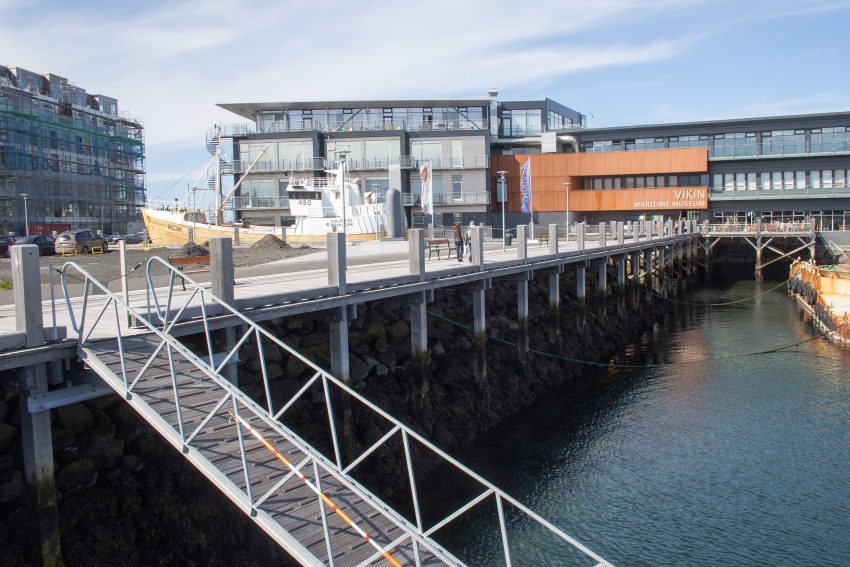
Reykjavík Maritime Museum is a city-run museum on Reykjavík’s Old Harbour, set inside a 1947 building that once froze fish on the reclaimed Grandi shoreline. It matters because it traces how seafaring and fishing shaped Iceland from early settlement through the late 20th century, grounding big national changes in everyday work at sea. The seven exhibition halls mix photographic archives, tools and gear, and displays of century-old boats, so the story feels tangible rather than abstract. Outside, the former Coast Guard rescue ship Óðinn sits docked beside the museum and can be explored on guided visits, adding a bracing, modern note of patrol and rescue to the fisheries narrative.
Location: Grandagarður 8, 101 Reykjavík, Iceland | Hours: Daily: 10:00–17:00. | Price: Check official website. | Website | Distance: 0.8km

24. Leif Eriksson Monument
Leif Eriksson Monument
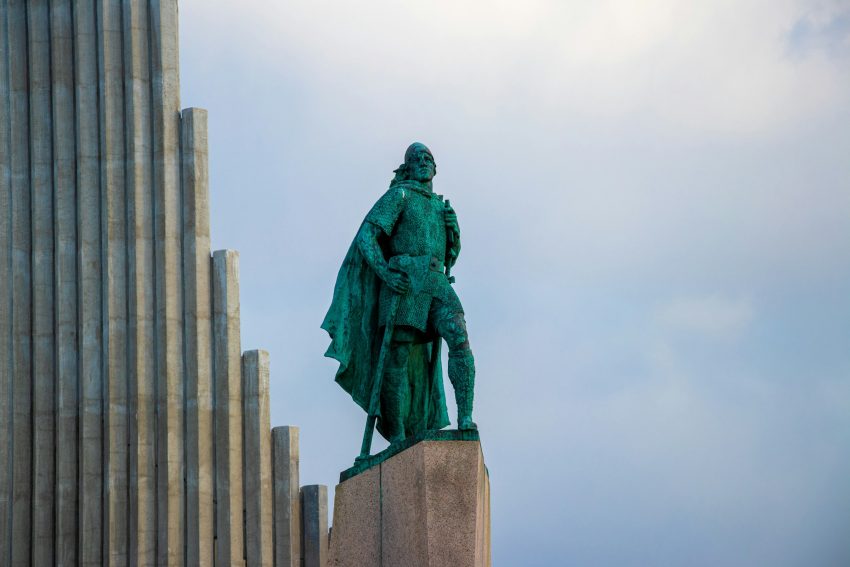
The Leif Eriksson Monument is a bronze statue of the Norse explorer set on a ship-like stone base in the forecourt of Hallgrímskirkja in central Reykjavik. Installed in 1930, it was presented by the United States to mark the 1,000-year anniversary of Alþingi, giving the site a rare blend of Icelandic saga memory and international commemoration. Leif (c. 970–1020) is widely linked to voyages that reached North America around the year 1000, centuries before Columbus, and the sagas connect his Vinland to places such as L’Anse aux Meadows in Newfoundland. Visitors tend to remember how the figure faces toward the city center and how easily it frames photos against the church’s dramatic façade.
Location: Skólavörðustígur 45, 101 Reykjavík, Iceland | Hours: 24 Hours. | Price: Free. | Distance: 0.8km

25. Sun Voyager
Sun Voyager
Sun Voyager
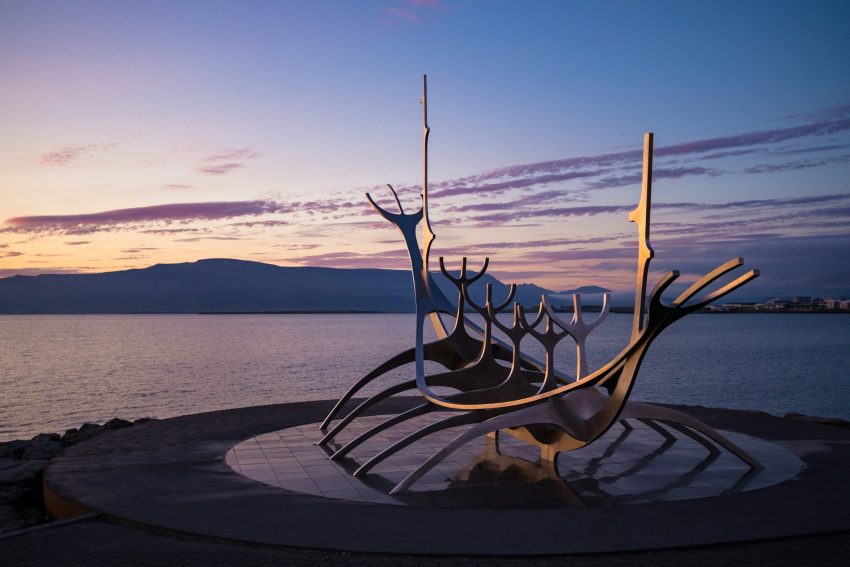
Sun Voyager (Sólfarið) is a stainless-steel waterfront sculpture on Reykjavík’s Sæbraut, created from Jón Gunnar Árnason’s full-scale drawing and unveiled on August 18, 1990 for the city’s 200th anniversary. Often mistaken for a Viking ship, it was conceived as a “dreamboat” and tribute to the sun—an image of hope, progress, and freedom rather than a literal replica. The open ribbed frame sits on a circular base of granite slabs and frames Faxaflói Bay and Mount Esja, so the sea, sky, and weather become part of the piece. Visitors tend to remember how the metal shifts with the light and the bracing wind off the water, with occasional aurora viewing on clear winter nights.
Location: Sæbraut, 101 Reykjavík, Iceland | Hours: 24 Hours. | Price: Free. | Distance: 0.9km

26. Whales of Iceland
Whales of Iceland
Whales of Iceland
CC BY-SA 4.0 / Protochrome
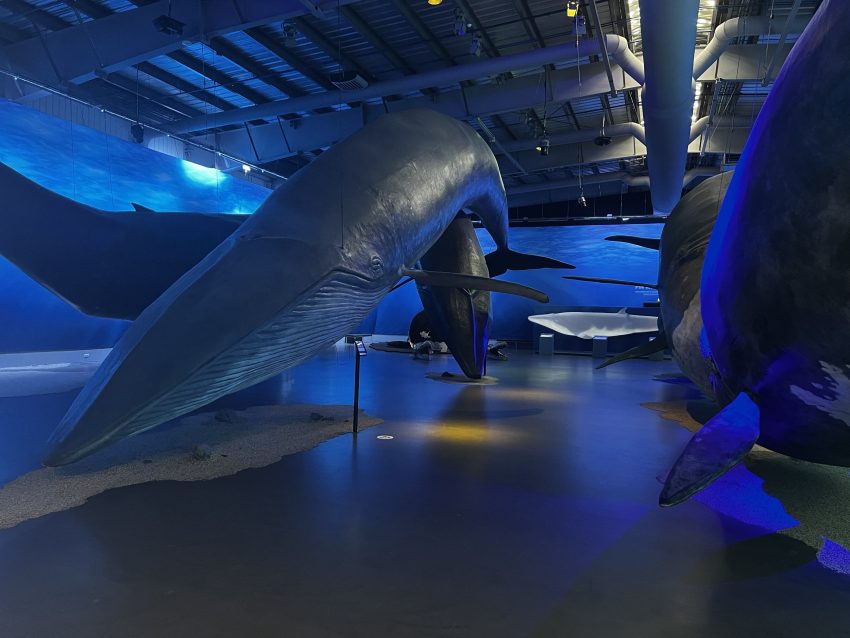
Whales of Iceland is a contemporary whale museum in Reykjavik that recreates an underwater atmosphere inside a large, warehouse-like space. The core experience is walking among 23 full-size whale models representing every species found in Icelandic waters, including a 25-meter blue whale, a sperm whale, and a model of the critically endangered Atlantic right whale. Many of the models are touchable, with interactive stations that explain anatomy and behavior, while ambient whale sounds and ocean-toned lighting shape the mood. A black-and-yellow floor pattern nods to Iceland’s beaches, and VR headsets let you “walk” the seafloor beside the giants. Visitors often linger for the on-site cinema and a warm drink from the small café.
Location: Fiskislóð 23-25, 101 Reykjavík, Iceland | Hours: Daily: 10:00–17:00. | Price: Adults: 3700 ISK; Children (7–15): 1850 ISK; Family (2 adults & 2 children): 7400 ISK; Children (0–6): free. | Website | Distance: 1km

27. Sundhöllin
Sundhöllin
Sundhöllin
CC BY-SA 4.0 / Akigka
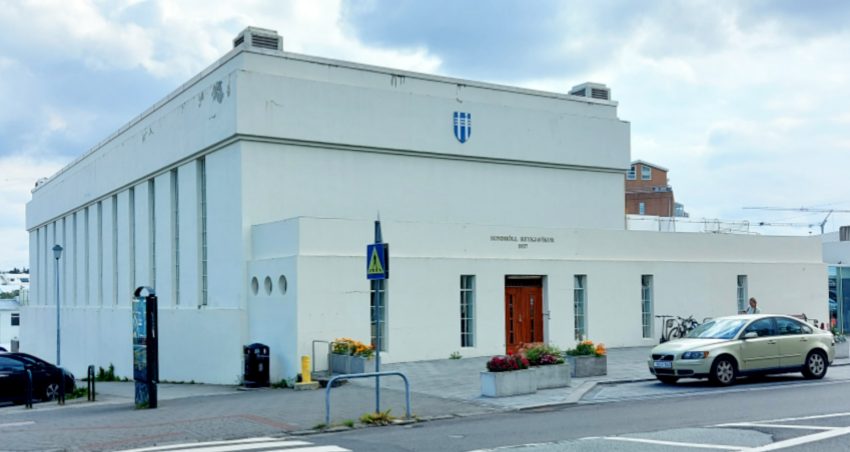
Sundhöllin is Reykjavík’s oldest purpose-built indoor swimming pool, opened in 1937 on Barónsstígur and designed by Guðjón Samúelsson. Its crisp white, Art Deco–tinged exterior and tall narrow windows give way to a 25×10‑meter pool with arched interiors and tiled changing rooms you’ll remember. Geothermal water—once piped about 3 km from Laugardalur—feeds the complex, so locals and travelers move between lap lanes, hot pots, and a bracing cold plunge. A rooftop sundeck adds open-air soaking, and the sauna and steam room round out the city-center ritual. It’s clean, well run, and surprisingly affordable for a long, warm reset.
Location: Barónsstígur 45a, 101 Reykjavík, Iceland | Hours: Monday – Friday: 06:30–22:00. Saturday – Sunday: 08:00–21:00. | Price: Adults: 1,430 ISK; Youth (16–17): 220 ISK; Children (0–15): free. | Website | Distance: 1.1km

28. Höfði House
Höfði House
Höfði House
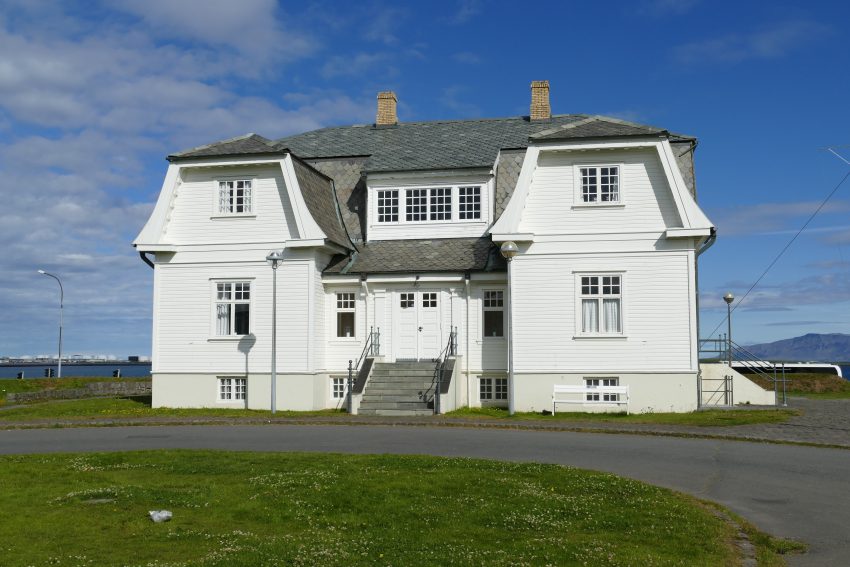
Höfði House is a white wooden villa on Reykjavik’s waterfront, built in 1909 for the French consul, Jean-Paul Brillouin, and later home to poet-businessman Einar Benediktsson. It matters most as the setting for the 1986 Reykjavík Summit, when Ronald Reagan and Mikhail Gorbachev met here—an encounter that helped ease Cold War tensions. Visitors typically experience it from outside, pausing in the garden to take in open bay views and read the commemorations. Look for the flags displayed on site and the nearby fragment of the Berlin Wall, which gives the story a physical edge. The grounds feel calm and spacious, with paid parking nearby on weekdays.
Location: Félagstún 1, 105 Reykjavík, Iceland | Hours: 24 Hours. | Price: Free. | Distance: 1.7km

29. Háteigskirkja
Háteigskirkja
Háteigskirkja
CC BY-SA 4.0 / Hornstrandir1
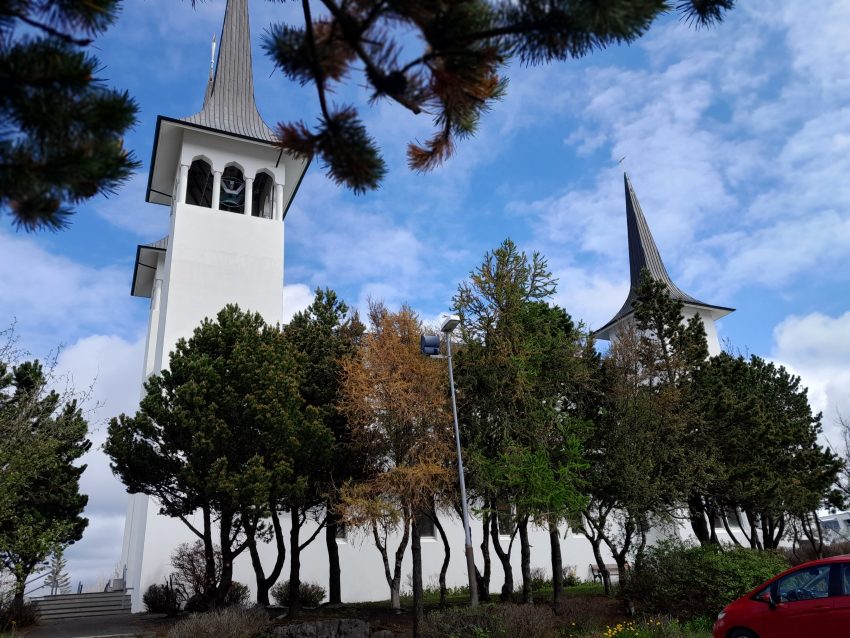
Háteigskirkja is a modern Lutheran church in Reykjavik’s Hlíðar neighborhood, built to serve the city’s post-war expansion and still felt as a working community space. Its hilltop silhouette is hard to miss: four sharply pointed towers and tall, slender spires that read as a citywide landmark as you move through residential streets. Inside, the mood shifts to warm and contemporary, with an unexpected pair of basement naves and striking decorative elements that visitors remember—golden pillars and a colorful mosaic cross by Benedikt Gunnarsson above the altar. Construction began in 1957 under architect Haldor Jonsson, stalled for years after the 1965 consecration, and was completed only in the early 2000s.
Location: Háteigsvegur 27-29, 105 Reykjavík, Iceland | Hours: Tuesday – Thursday: 09:00–16:00. Friday: 09:00–15:00. Sunday: 10:30–12:00. | Price: Free; donations appreciated. | Website | Distance: 1.9km

30. Perlan
Perlan
Perlan
CC BY-SA 2.0 / O Palsson
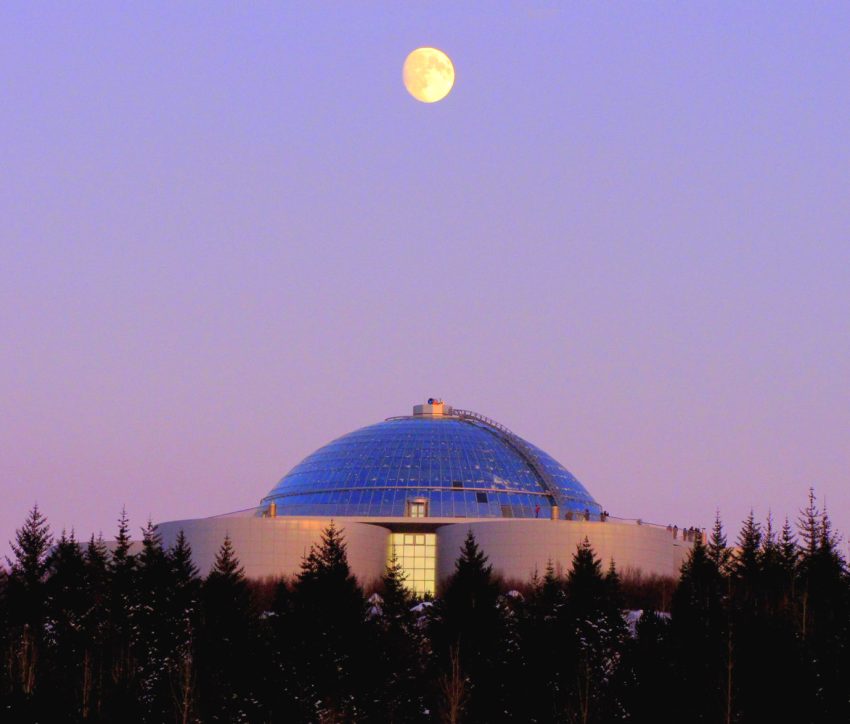
Perlan (The Pearl) is a glass-domed museum and viewpoint on Öskjuhlíð Hill in Reykjavik, built atop the city’s geothermal hot-water storage tanks and reshaped in 1991 with a hemispherical dome. Inside, the 10,000 m³ “Winter Garden” anchors a large exhibition space, while interactive, multimedia displays explain Iceland’s volcanoes, glaciers, and climate in hands-on detail. Many visitors remember the planetarium-style northern lights show and the indoor ice-cave walk-through made from real ice, which feels like stepping into a melting glacier. Head up to the fourth-floor viewing deck, where telescopes at six corners pair the panorama with recorded descriptions in multiple languages, and the top-floor restaurant frames the city in glass.
Location: Varmahlíð 1, 105 Reykjavík, Iceland | Hours: Daily: 09:00–21:00. | Price: Check official website. | Website | Distance: 2.2km

31. Laugarnes Church
Laugarnes Church
Laugarnes Church
Public Domain / TommyBee
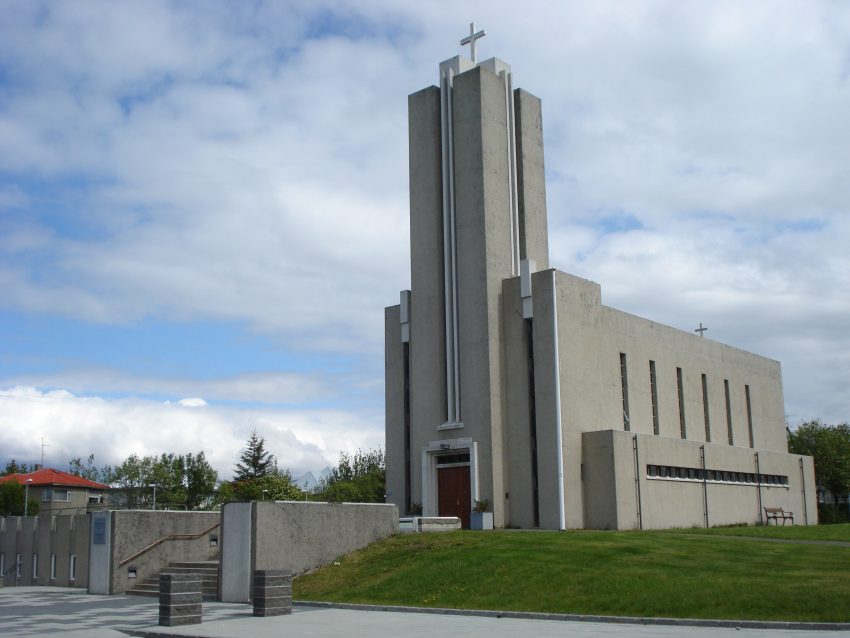
Laugarnes Church (Laugarneskirkja) is a Lutheran parish church in Reykjavik, completed in 1949 and designed by state architect Guðjón Samúelsson, linking it to the same architectural lineage as Hallgrímskirkja. Visitors notice its restrained Art Deco character and an unexpectedly tall profile for Iceland, which makes it stand out even in a low-key residential setting. After dark, the building’s illumination is especially memorable, casting a warm glow that feels striking in winter. Inside, the space is simple and calm rather than ornate, with a quietly elegant atmosphere. Reviews often mention the sober design and the welcoming feel of the community around it.
Location: Silfurteigur 2, 105 Reykjavík, Iceland | Hours: Check official website. | Price: Free; donations appreciated. | Website | Distance: 2.5km

32. Asmundur Sveinsson Sculpture Museum
The Einar Jónsson Museum
CC BY-SA 4.0 / Slawojar2
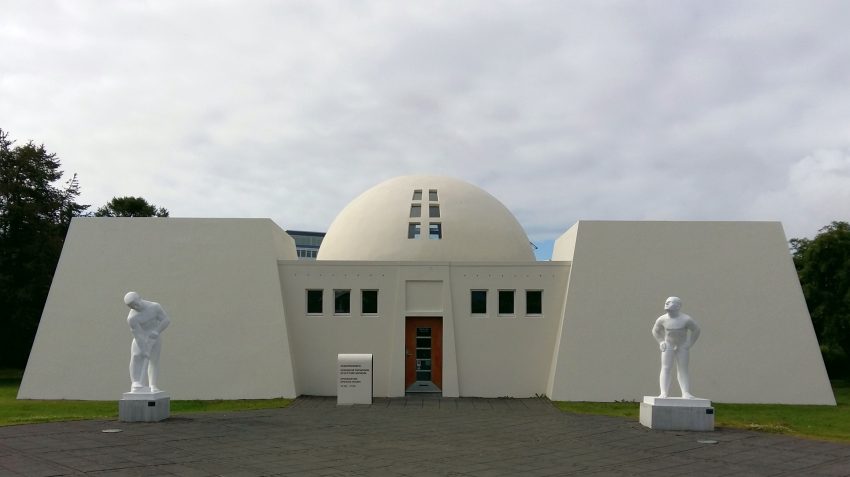
Ásmundarsafn (the Ásmundur Sveinsson Sculpture Museum) is a small Reykjavík Art Museum branch devoted to the sculptures and drawings of Ásmundur Sveinsson (1893–1982), a pioneer of Icelandic sculpture. Opened in 1983, it presents his work thematically and also includes pieces by other artists, so you see how his forms sit in a wider conversation. The building is part of the experience: Sveinsson designed and built it as his home and studio between 1942 and 1950, with an unusual blend of Arab and Mediterranean influences. Step outside into the year-round sculpture garden, where works are spaced for slow looking under shifting light and weather. Visitors often remember the calm, emotionally resonant feel and the chance to circle pieces from multiple angles.
Location: Asmundur Sveinsson Sculpture Museum, Reykjavík, Iceland | Hours: (Summer) May–September; Daily: 10:00–17:00. (Winter) October–April; Daily: 13:00–17:00. | Price: Adults ISK 2,550; Students ISK 1,550; Under 18 free (ticket valid for 24 hours across the Reykjavík Art Museum locations). | Website | Distance: 2.8km

33. Nauthólsvík Geothermal Beach
Nauthólsvík Geothermal Beach
CC BY-SA 2.0 / Helgi Halldórsson
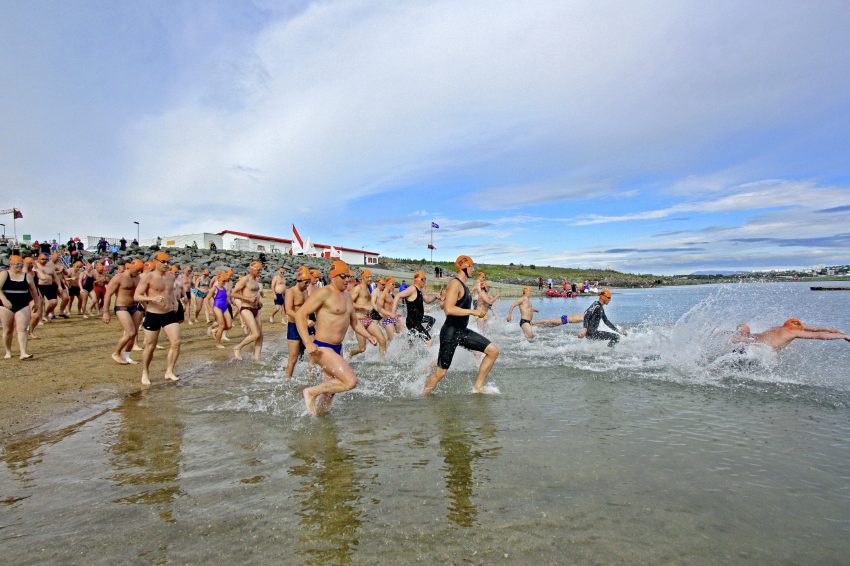
Nauthólsvík Geothermal Beach is an artificial “warm beach” on Reykjavik’s shoreline, created in 2001 to make sea bathing possible in Iceland’s cool climate. In summer, heated seawater is pumped into a sheltered lagoon, typically reaching about 59–66°F, so you can swim in surprisingly mild water with the North Atlantic just beyond the sea walls. Visitors remember the contrast of a quick cold dip followed by a long thaw in the small geothermal hot tubs and steam bath beside the sand. The beach has a relaxed, local feel despite drawing roughly 530,000 visitors a year, with changing rooms, lockers, showers, and a snack area. On colder days, steam drifting over the water is part of the scene.
Location: Nauthólsvík Geothermal Beach, 102 Reykjavík, Iceland | Hours: (Summer) May 15 – August 18; Daily: 10:00–19:00. (Winter) August 19 – May 14; Tuesday – Friday: 11:00–19:00. Saturday: 11:00–16:00. Closed on Monday, Sunday. | Price: Entrance: 920 ISK. | Website | Distance: 2.8km

34. Laugardalslaug
Laugardalslaug
Laugardalslaug
Public Domain / Ohlen
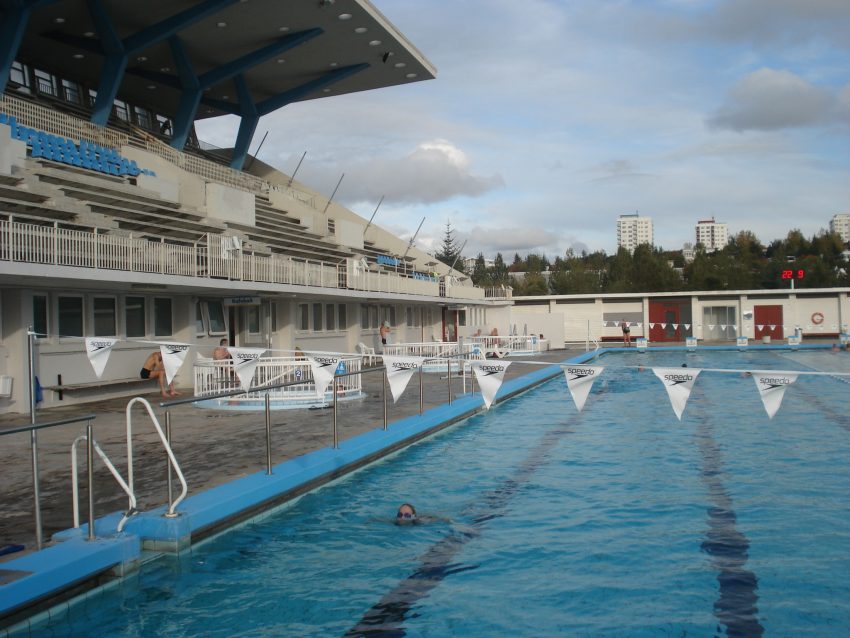
Laugardalslaug is Reykjavík’s largest municipal geothermal pool complex in the Laugardalur district, run by the City of Reykjavík and woven into everyday local routines. Visitors find a serious swimming setup—an indoor Olympic-size pool plus a 50‑meter outdoor pool—alongside a 400 m² play pool and waterslides. The soaking circuit is the main draw: eight hot tubs set to different temperatures and a compact steam bath, making it easy to alternate heat, steam, and a brisk cool-down. Built in phases from 1958–1968 and expanded again in the 1980s and early 2000s, it’s a place that feels lived-in rather than curated. Reviews often mention spotless facilities and the surreal pleasure of soaking outdoors in deep winter cold.
Location: Sundlaugavegur 105, 105 Reykjavík, Iceland | Hours: Monday – Friday: 06:30–22:00. Saturday – Sunday: 08:00–21:00. | Price: Adults (18+): 1,430 ISK; Youth (16–17): 220 ISK; Children (0–15): free. | Website | Distance: 3km

35. Sky Lagoon
Sky Lagoon
Sky Lagoon
CC BY-SA 4.0 / Laurenmcl
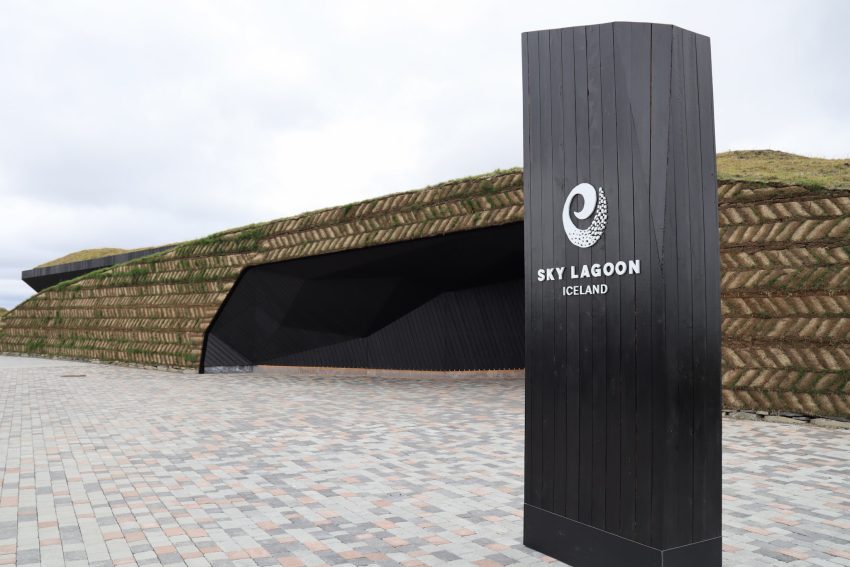
Sky Lagoon is a contemporary geothermal spa on the ocean edge just outside central Reykjavík, shaping Iceland’s bathing culture into a deliberately paced ritual rather than a public-pool swim. The main draw is the infinity-edge lagoon, where warm mineral water meets dark lava-stone design and the horizon blurs into sea and sky when the weather turns moody. Many visitors remember the Skjól ritual: a circuit of sauna heat with wide ocean views, cold exposure, steam, and an exfoliating scrub, linked by cave-like passages and sheltered “rooms” of changing temperature. There’s also an in-water bar where you can charge drinks to a wristband, and twilight sessions feel especially atmospheric in wind and cold.
Location: Sky Lagoon Vesturvör 44-48 200 Kopavogur Iceland | Hours: Monday – Friday: 11:00–22:00. Saturday – Sunday: 10:00–22:00. | Price: From ISK 13,990 (Saman Pass) or from ISK 16,990 (Sér Pass). | Website | Distance: 3.4km
Powered by GetYourGuide

36. Grasagarður Botanical Garden

Grasagarður Botanical Garden in Reykjavik is a 12-acre (five-hectare) outdoor “living museum” in the Laugardalur valley, created by the city in 1961 to preserve native Icelandic flora while supporting research and education. About 5,000 plant species are arranged across eight collections, and many beds are clearly labeled so you can match names to real specimens as you wander the paths. A display greenhouse adds a warm, sheltered stop when the weather shifts, and in summer it also hosts events and group receptions. Inside the greenhouse, Flóran Café/Bístró (typically May to late August) serves treats made with garden-grown ingredients, a detail visitors often remember along with the calm, well-kept walkways.
Location: Grasagarðinum, 104 Reykjavík, Iceland | Hours: Daily: Open 24 hours. Display greenhouse & gazebo (Summer): 10:00–19:00. Display greenhouse & gazebo (Winter): 10:00–15:00. | Price: Free. | Website | Distance: 3.4km

37. Grótta Island Lighthouse
Grótta Island Lighthouse
Public Domain / Bernd Hildebrandt
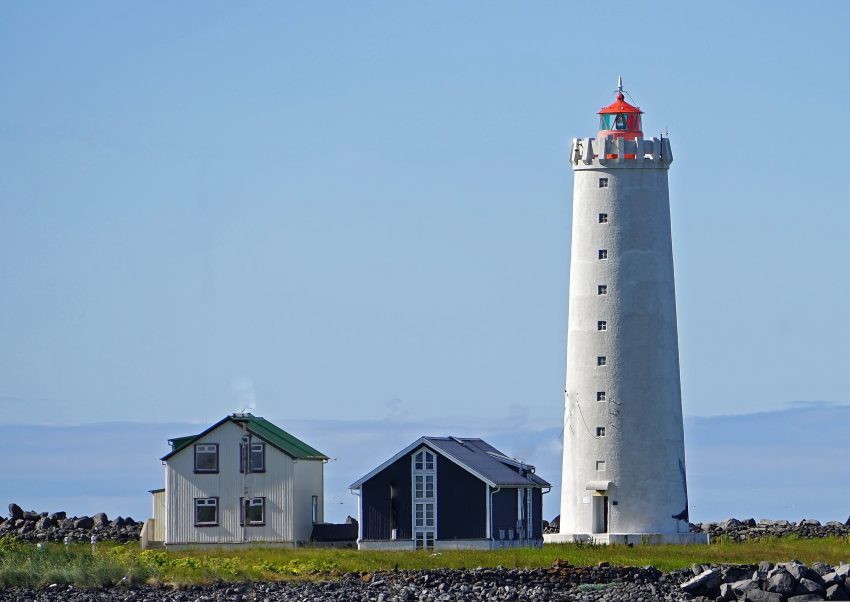
Grótta Island Lighthouse is a round, white, automated beacon on a small islet off the tip of the Seltjarnarnes peninsula, right at Reykjavik’s western edge. At low tide you can cross the rocky causeway to reach the island, where wind, seabirds, and wide views over Faxaflói Bay make the setting feel far from the city. The light’s distinctive navigation signature—three short flashes, one long, then a pause—still helps vessels thread the rocky approaches to Reykjavik Harbour. Between the parking area and the island, a shallow bay can mirror the sky, while high tide and strong wind turn the breakwater rocks into a spray-filled spectacle.
Location: Gróttuviti, 170 Seltjarnarnes, Iceland | Hours: 24 Hours. | Price: Free. | Website | Distance: 4.4km

Best Day Trips from Reykjavik

A day trip from Reykjavik offers the perfect opportunity to escape the urban rhythm and discover the surrounding region's charm. Whether you're drawn to scenic countryside, historic villages, or cultural landmarks, the area around Reykjavik provides a variety of easy-to-reach destinations ideal for a one-day itinerary.

1. Árbær Open Air Museum
Árbær Open Air Museum
CC BY-SA 4.0 / Steinninn
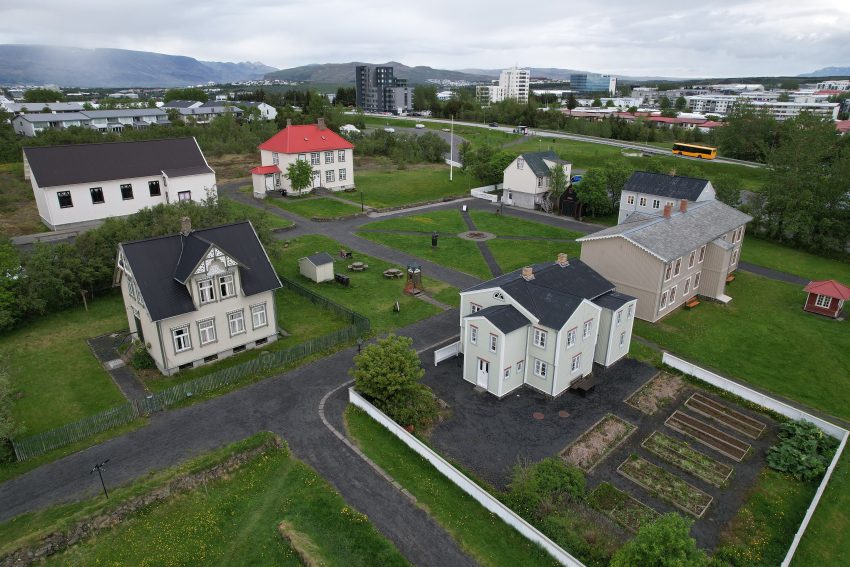
Árbær Open Air Museum (Árbæjarsafn) is Reykjavik’s living-history museum: a small “time-travel” neighborhood of relocated and restored buildings that show how Icelanders lived, worked, shopped, and gathered from the 19th into the 20th century. Set a little east of the city center near green river-valley paths, it’s an easy add-on to a day of sightseeing when you want something slower-paced…
Location: 459J+77, Kistuhylur 110, 110 Reykjavík, Iceland | Hours: (Summer) June 1 – August 31; Daily: 10:00–17:00. (Winter) September 1 – May 31; Daily: 13:00–17:00. | Price: Check official website. | Website | Distance: 6.8km
Visiting Árbær Open Air Museum

2. Blue Lagoon
Blue Lagoon, Iceland
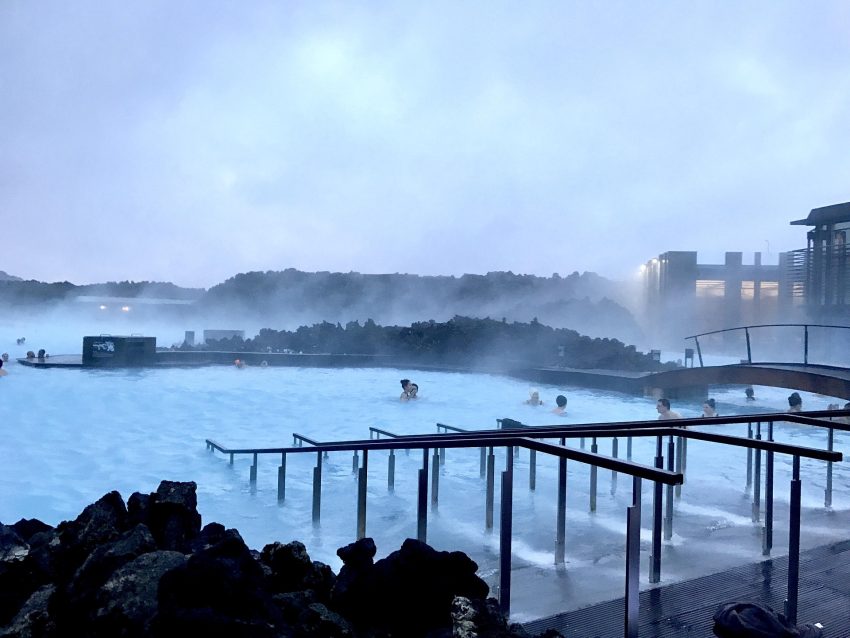
Blue Lagoon Iceland is the country’s best-known geothermal spa, set in a dramatic lava field near Grindavík on the Reykjanes Peninsula. The water’s surreal blue colour comes from minerals and silica, and the experience is designed for unhurried soaking: warm open-air pools, steam drifting across black rock, and simple rituals like the silica mud mask that turns the visit into…
Location: Blue Lagoon, Iceland | Hours: (Summer) June 20 – August 20: 07:00–00:00. (Winter) August 21 – January 31: 08:00–22:00; February 1 – June 19: 08:00–20:00. | Price: From ISK 11,990 | Website | Distance: 38.6km
Visiting Blue Lagoon

3. Silfra Fissure
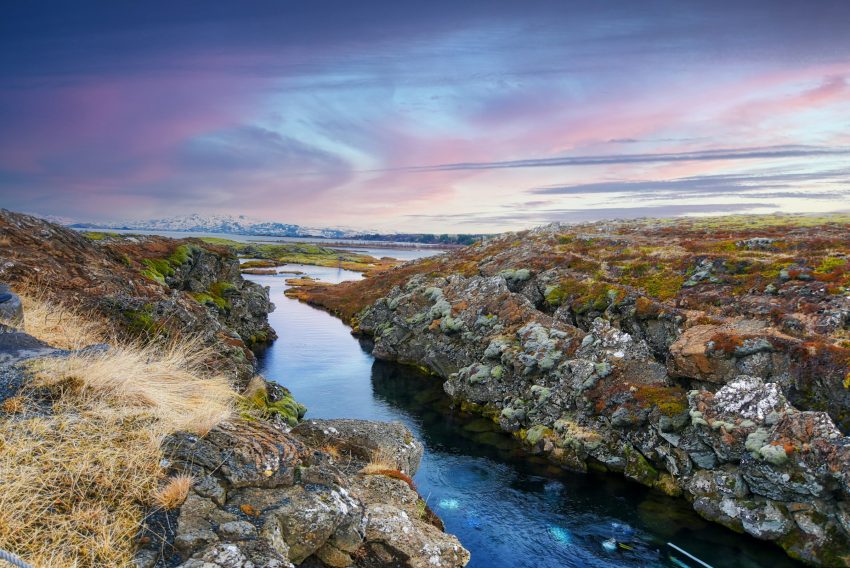
Silfra, Thingvellir National Park
Silfra Fissure is a narrow, water-filled crack in the lava fields of Thingvellir National Park, where the North American and Eurasian tectonic plates slowly drift apart. What makes it famous is not just the geology but the water itself—cold, exceptionally clear, and filtered through underground lava for decades before it reaches the fissure, creating visibility that feels almost unreal. For…
Location: Silfra, Thingvellir National Park, 801 Thingvellir Iceland | Hours: 24 Hours | Price: ISK 1,500 per snorkeler/diver (Silfra fee, typically included in tour price); parking fee at Thingvellir from ISK 1,000 per vehicle/day. | Website | Distance: 41.6km
Visiting Silfra Fissure
https://www.getyourguide.com/en-gb/silfra-l91678/snorkel-with-the-trolls-drysuit-snorkeling-in-silfra-t166737/

4. Thingvellir National Park

Thingvellir, Iceland
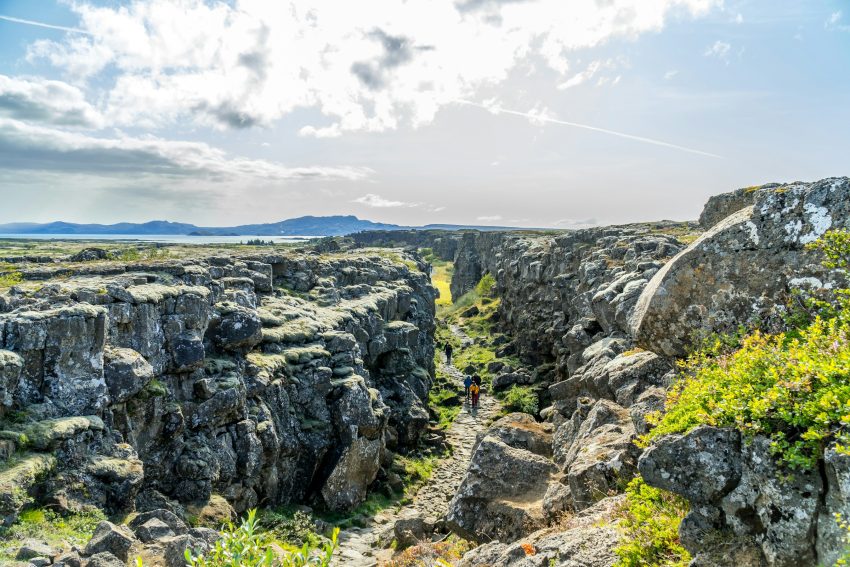
Þingvellir (Thingvellir) National Park is one of Iceland’s most meaningful places: a broad rift valley of lava, cliffs, and clear water where you can physically see the boundary between the North American and Eurasian tectonic plates. It is also a UNESCO World Heritage Site, so the scenery comes with genuine historical weight, not just postcard drama. Most visitors experience Þingvellir…
Location: Thingvellir National Park, Selfoss, Iceland | Hours: Visitor Centre: April – October: 09:00–18:00. Visitor Centre: November – March: 09:00–17:00. | Price: Free (parking service fee applies at designated lots; passenger car 1000 ISK/day). | Website | Distance: 44.4km
Visiting Thingvellir National Park

5. Geysir Geothermal Area
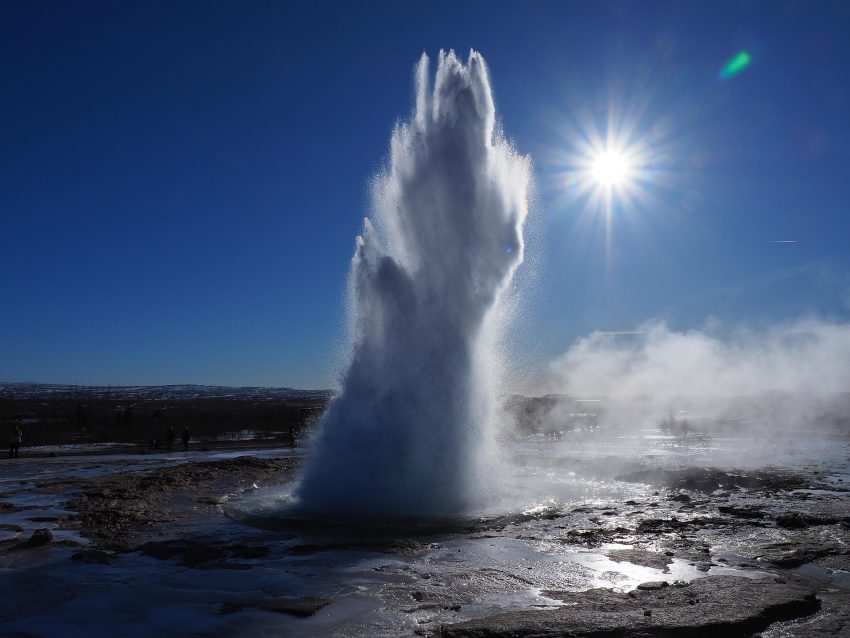
Geysir Geothermal Area
Geysir Geothermal Area is Iceland’s classic “front-row” geothermal stop, where steaming vents, bubbling hot pools, and mineral-stained earth sit right beside the road in Haukadalur valley. The headline moment is Strokkur: a dependable geyser that erupts frequently enough that you can arrive, watch a few cycles, and still have time to explore the smaller features without feeling rushed. This is…
Location: Geysir, Iceland | Hours: 24 Hours | Price: Free | Website | Distance: 81.5km
Visiting Geysir Geothermal Area
Powered by GetYourGuide

6. Gullfoss Waterfall

Gullfoss Waterfall
Gullfoss Waterfall
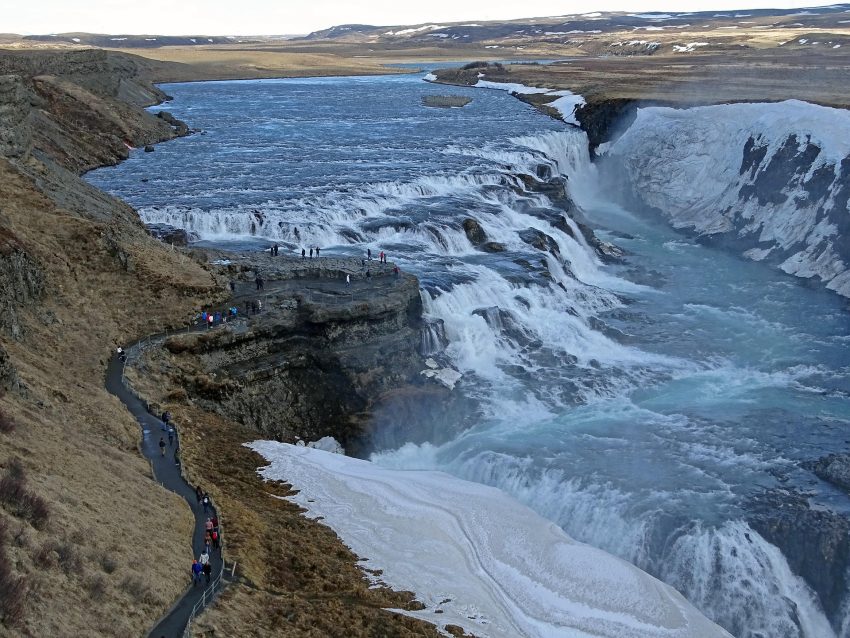
Gullfoss Waterfall is one of Iceland’s defining natural landmarks: a two-tier cascade where the Hvítá river drops hard into a narrow canyon, throwing up mist and rainbows when the light cooperates. The viewpoints are close to the car parks, so you can get dramatic, high-impact scenery without a long hike, yet the scale still feels wild—especially when the water is…
Location: Gullfoss Waterfall, Iceland | Hours: 24 Hoursl; Visitor centre (café/shop/restrooms): Daily 09:30–18:30. | Price: Free. | Website | Distance: 90.2km
Visiting Gullfoss Waterfall
Powered by GetYourGuide

7. Reynisfjara Beach

Reynisfjara Black Sand Beach
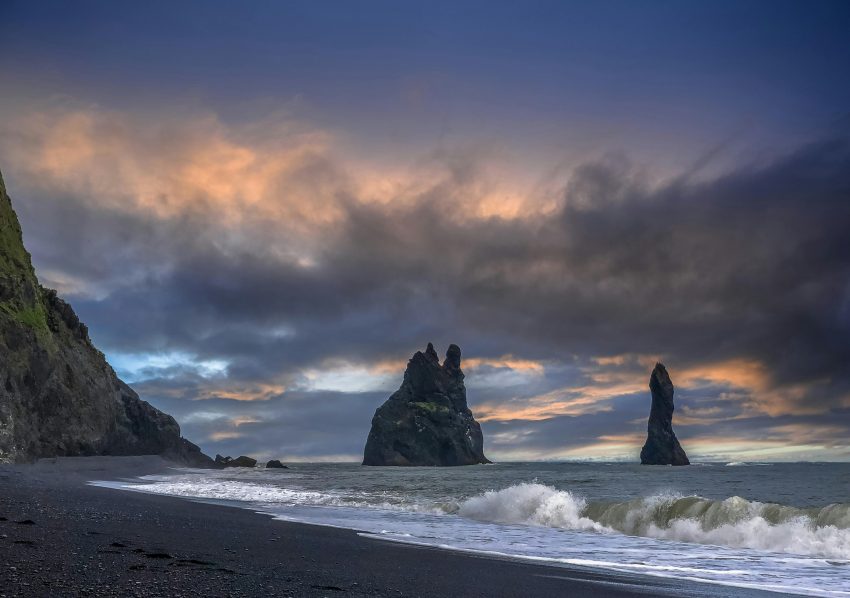
Reynisfjara is the “black sand beach” most travelers mean when they say they want to see one in Iceland: a sweeping volcanic shoreline just outside Vík í Mýrdal on the South Coast, framed by sculpted basalt columns and the dramatic Reynisdrangar sea stacks offshore. It’s a place that looks cinematic in any weather—inky sand, white surf, and dark cliffs—so even…
Location: Reynisfjara Beach, Iceland | Hours: 24 Hours | Price: Free | Website | Distance: 163.3km
Visiting Reynisfjara Beach
Powered by GetYourGuide

8. Svartifoss Waterfall

Skaftafell Iceland
Skaftafell Iceland
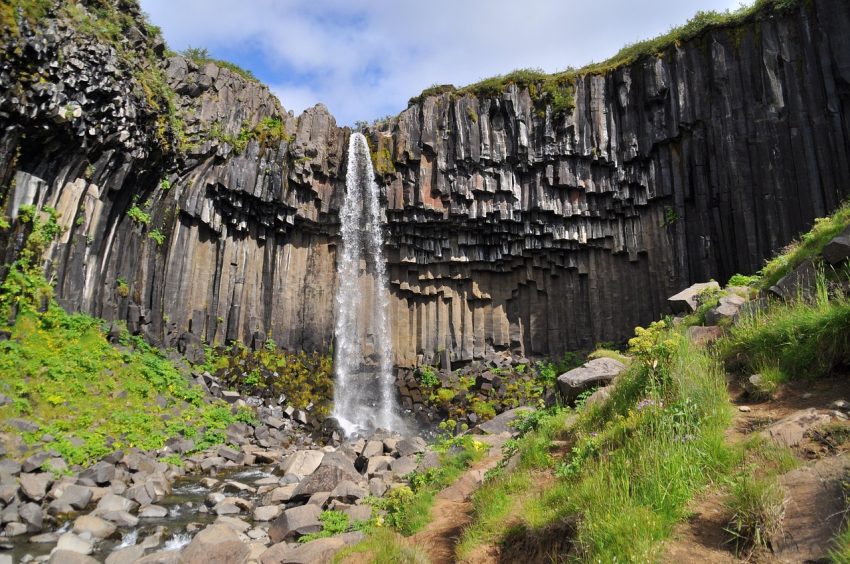
Svartifoss is one of the signature short hikes in Skaftafell, on the southern edge of Vatnajökull National Park. The waterfall itself is modest in height, but the setting is the main event: a natural “amphitheatre” of dark, hexagonal basalt columns that look almost architectural, framing bright, fast-moving water. Because the trail starts by the Skaftafell visitor area, Svartifoss works particularly…
Location: Skaftafell, Skaftafell, Iceland | Hours: 24 Hours | Price: Free; Skaftafell regional parking fee from ISK 1,040 per day (passenger car, 5 or fewer seats). | Website | Distance: 241.2km
Visiting Svartifoss Waterfall
Powered by GetYourGuide

9. Skaftafell

Skaftafell, Reykjavík, Iceland
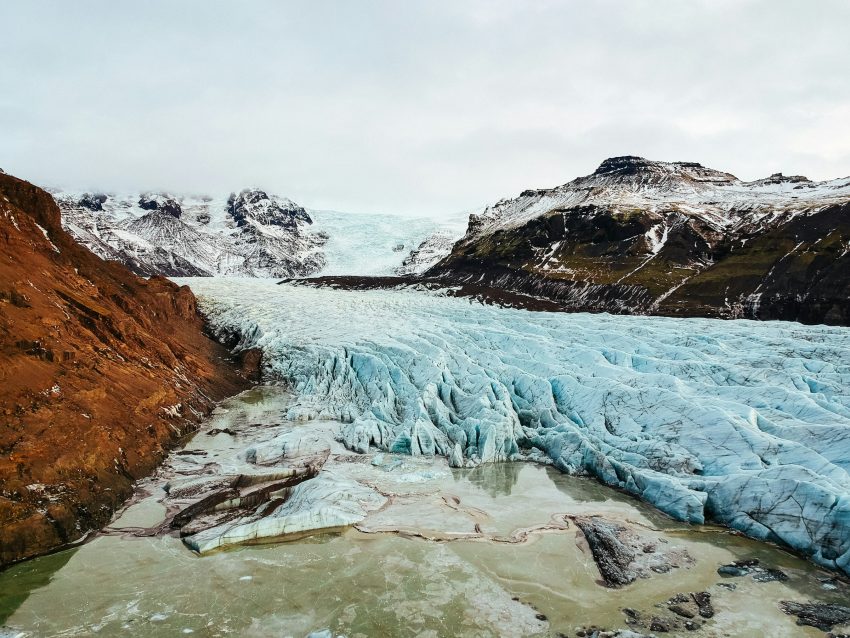
Skaftafell is the South Coast’s “choose-your-own-adventure” nature stop: a concentrated landscape of glacier views, woodland trails, lava-shaped ridges, and standout waterfalls, all accessed from one well-organised base area within Vatnajökull National Park. You can keep it simple with a short hike to Svartifoss or the Skaftafellsjökull viewpoint, or build a longer day that climbs to high lookouts and broader mountain…
Location: Skaftafell Skaftafellsvegur 785 Iceland | Hours: 1 January – 28 February; 1 December – 31 December: Daily 10:00-17:00. 1 March – 31 May; 1 November – 30 November: Daily 09:00-17:00. 1 June – 31 August: Daily 09:00-19:00. 1 September – 31 October: Daily 09:00-18:00. | Price: Free; regional parking fee from ISK 1,040 per day (passenger car, 5 or fewer seats), valid until midnight. | Website | Distance: 242.7km
Visiting Skaftafell
Powered by GetYourGuide

10. Fjallsárlón Glacier Lagoon

Fjallsárlón, Iceland
Fjallsárlón Glacier Lagoon is a compact, less-visited sibling to nearby Jökulsárlón, set directly in front of Fjallsjökull, an outlet glacier of Vatnajökull. Because the lagoon sits closer to the ice, you often get more immediate glacier views with a calmer, less hurried feel—ideal if you want the iceberg-lagoon experience without the biggest crowds. It works especially well as a “best…
Location: Fjallsárlón, Iceland | Hours: Daily: 09:30–16:00. | Price: Free. | Website | Distance: 270.3km
Visiting Fjallsárlón Glacier Lagoon
Powered by GetYourGuide

11. Jökulsárlón Glacier Lagoon

Jökulsárlón lagoon, Iceland
Jökulsárlón Glacier Lagoon is a glacial lake on Iceland’s South Coast where icebergs break away from Breiðamerkurjökull (an outlet of Vatnajökull) and float slowly toward the sea. The scale is immediate: blue-white blocks of ice, some streaked with volcanic ash, drift across still water while seabirds circle overhead and seals occasionally surface between the bergs. Most travelers visit Jökulsárlón as…
Location: Jökulsárlón, Iceland | Hours: 24 Hours | Price: Free to visit; paid boat tours available. Parking fee applies in the Jökulsárlón area (typically around 1,000 ISK per car, valid until midnight). | Website | Distance: 277.2km
Visiting Jökulsárlón Glacier Lagoon
Powered by GetYourGuide

12. Diamond Beach

Diamond Beach, Iceland
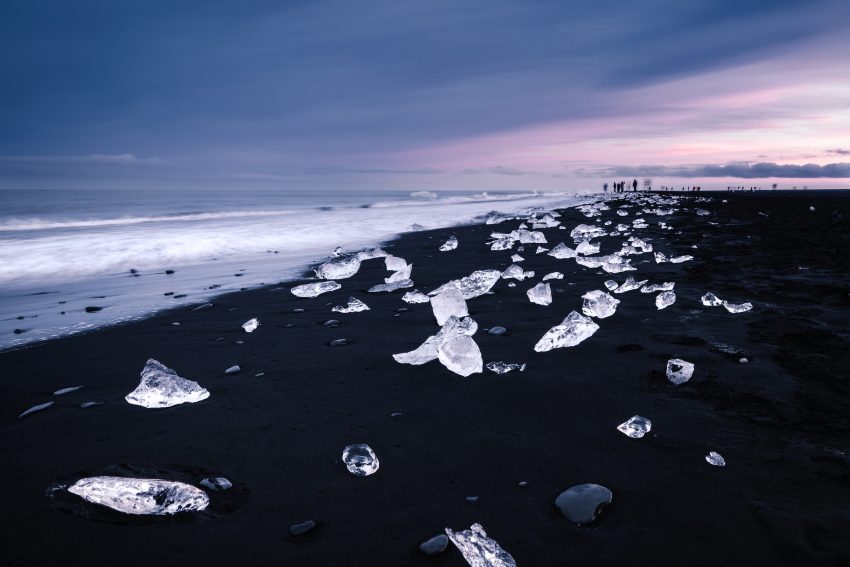
Diamond Beach (often referred to locally as Breiðamerkursandur/Fellsfjara) is one of Iceland’s most photogenic natural stops: a strip of jet-black sand scattered with chunks of glacial ice that drift out from nearby Jökulsárlón and get tossed back onto shore by the Atlantic. When the sun hits the ice, it can look like a field of gemstones—clear, blue-tinged, and sculpted into…
Location: Diamond Beach, Iceland | Hours: 24 Hours | Price: Parking fee (Jökulsárlón area, passenger car up to 5 seats): 1.040 ISK, valid until midnight. | Website | Distance: 280.1km
Visiting Diamond Beach

Where to Stay in Reykjavik

The best area to stay in Reykjavik for most visitors is the 101 city centre (Miðborg), particularly around Laugavegur and the streets leading down toward the harbour, because you can walk to the main sights, restaurants, and cafés, and you will also be well placed for common tour pick-up points. For a central, boutique feel right on the main street, Sand Hotel by Keahotels is a strong option, while Canopy by Hilton Reykjavik City Centre gives you a similarly walkable base with a lively city-centre atmosphere. If you want to be on the quieter upper end of the shopping street but still within easy walking distance of everything, Alda Hotel Reykjavik works well, particularly if you like being close to cafés without being in the middle of late-night noise.

If you prefer to be closer to the waterfront and the Old Harbour vibe, stay around Hafnarstræti and the harbour-side streets, which is convenient for whale-watching departures, sea views, and a slightly more “maritime” feel while still being central. Reykjavik Konsulat Hotel, Curio Collection by Hilton is ideal if you want a polished, central base near Harpa and the harbour, and Berjaya Reykjavik Marina Hotel is a great pick if you like a more characterful harbour setting with easy access to the centre on foot.

Using the our Hotel and Accomodation map, you can compare hotels and short-term rental accommodations in Reykjavik. Simply insert your travel dates and group size, and you’ll see the best deals for your stay.

Reykjavik Accommodation Map

Best Time to Visit Reykjavik

Reykjavík in Spring March to May

Spring in Reykjavík is a shoulder season with fewer crowds and improving daylight, but it can still feel wintry at times, with wind and occasional late cold snaps. It is a good choice if you want better availability and sharper prices than peak summer, while still being able to walk the city comfortably on most days with layers and a waterproof jacket. Festival-wise, late spring can be strong for culture, with the Reykjavík Arts Festival often running from late May into June in years when it is held.

Reykjavík in Summer June to August (Best)

Summer is generally the easiest and most flexible time to visit Reykjavík, with the longest days, the mildest conditions, and the best odds of fitting in late-evening strolls, harbour time, and day trips without feeling rushed. The trade-off is higher demand, so accommodation and popular tours book earlier. If festivals matter, summer is when Reykjavík’s calendar feels most “alive”, with Reykjavík Pride typically in early August and Culture Night in late August, both bringing big street-level energy to the centre.

Reykjavík in Autumn September to November

Autumn is ideal if you prefer a calmer city and a more atmospheric feel, with darker evenings returning and the first real chance of aurora season while you are still close to urban comforts. It is also a strong period for events, especially if you like film and live music, with the Reykjavík International Film Festival typically running from late September into early October and Iceland Airwaves landing in early November. Weather becomes more variable as autumn progresses, so plan your itinerary with buffer time for wind and rain days.

Reykjavík in Winter December to February

Winter is the most dramatic season in Reykjavík, with short daylight, crisp air, and a strong chance of northern-lights conditions on clear nights, balanced against storm risk and frequent wind. It suits travellers who want cosy cafés, geothermal pool time, and a city that feels local and intimate rather than busy. For a festival highlight, the Winter Lights Festival in early February is a standout, with light installations and special evening programming that makes the darker season feel intentional rather than limiting.

Annual Weather Overview

  • January 2°C
  • February 2°C
  • March 3°C
  • April 6°C
  • May 9°C
  • June 12°C
  • July 13°C
  • August 13°C
  • September 10°C
  • October 7°C
  • November 4°C
  • December 3°C

How to get to Reykjavik

Getting to Reykjavik by air

Most visitors fly into Keflavík International Airport (KEF). From there, Reykjavík is roughly a 45 to 60 minute drive depending on conditions and where you are staying.

  • Coach transfers: The most common option is an airport coach to Reykjavík (typically to BSÍ Bus Terminal, with add-on hotel drop-offs on some services).
  • Public bus option: If you are prioritising cost over speed, Strætó operates Route 55 between KEF and the capital area on a regular schedule.
  • Taxi / private transfer: Practical for late arrivals, families, or lots of luggage, but typically the most expensive.

Driving In Iceland

If you are driving in from elsewhere in Iceland, routes are straightforward but conditions can change quickly with wind, rain, ice, and reduced visibility. Build in buffer time, keep your plans flexible, and check conditions before you set off, especially outside summer. Parking is generally easiest in multi-storey garages or designated street bays, and the city centre is very walkable once you arrive. Many travellers pick up a car only for day trips and keep city days car-light to avoid parking friction.

Reykjavík on foot and by city bus

Central Reykjavík is compact and walkable, and Strætó buses cover the wider urban area. If you are using buses frequently, it is worth checking routes and ticketing in advance so you are not problem-solving at the stop.

Reykjavík taxis, tours, and day-trip logistics

Taxis work well for short hops and late nights, while organised tours are the simplest way to reach popular nature sights without driving. Many tours and transfers operate via central pick-up points and hubs such as the BSÍ area, which can be convenient if you choose accommodation nearby.

More from this area