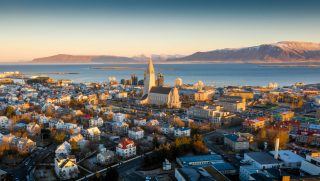
Árbær Open Air Museum, Reykjavik
Historic Building, Historic Site and Museum in Reykjavik
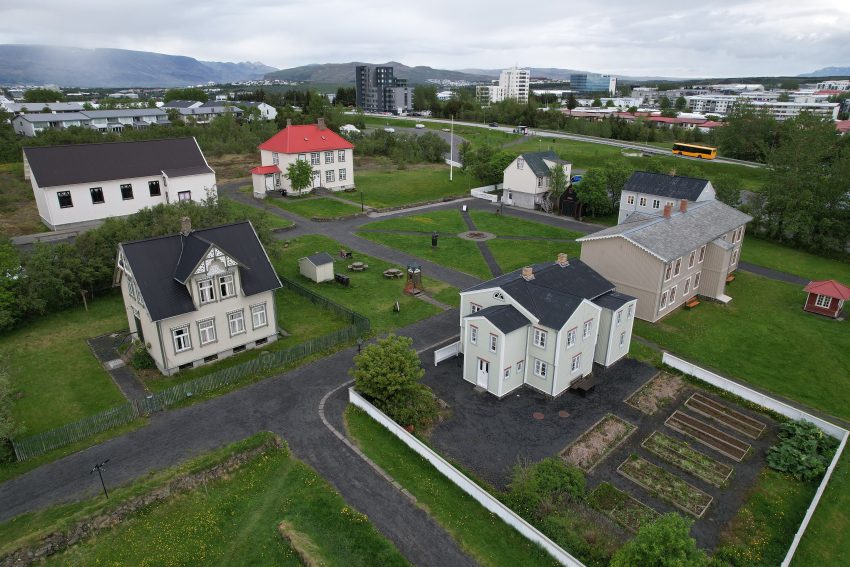
Árbær Open Air Museum (Árbæjarsafn) is Reykjavik's living-history museum: a small “time-travel” neighborhood of relocated and restored buildings that show how Icelanders lived, worked, shopped, and gathered from the 19th into the 20th century. Set a little east of the city center near green river-valley paths, it's an easy add-on to a day of sightseeing when you want something slower-paced and more local than the headline attractions.
You can visit independently, but it also fits nicely into a self-guided walking tour style day: pair it with a stroll in Elliðaárdalur valley nearby, then head back toward central Reykjavik for the harbor, Hallgrímskirkja viewpoints, or a museum hop. If you're choosing the best places to see for “how Reykjavik used to feel,” Árbær is one of the most atmospheric.
Table of Contents
- History and Significance of the Árbær Open Air Museum
- Things to See and Do in the Árbær Open Air Museum
- How to Get to the Árbær Open Air Museum
- Practical Tips on Visiting the Árbær Open Air Museum
- Where to Stay Close to the Árbær Open Air Museum
- Is the Árbær Open Air Museum Worth Visiting?
- For Different Travelers
- FAQs for Visiting Árbær Open Air Museum
History and Significance of the Árbær Open Air Museum
Árbær began as a farm on the outskirts of Reykjavik, but as the city expanded, the area became part of the capital's broader urban fabric. Rather than letting older structures disappear as modern development accelerated, the museum concept gathered historic buildings from around Reykjavik (and beyond) and rebuilt them here to preserve everyday architecture and neighborhood life.
What makes Árbær significant is that it focuses on ordinary living: homes, workshops, and community spaces that reflect how people cooked, heated their houses, furnished rooms, and ran small businesses. It’s a practical, human-scale complement to Iceland’s big nature narratives and saga-era history.
Because it’s an open-air site, the museum also captures the feel of seasons and weather in a way indoor galleries can’t. Even on quieter days when some interiors are closed, the grounds still communicate how streets, yards, and buildings relate to each other in a traditional Icelandic setting.
Things to See and Do in the Árbær Open Air Museum
Start by wandering the lanes and building clusters as if you’re exploring a tiny historic district. Look for the contrast between turf-era sensibilities and later timber-and-painted facades, and pay attention to small details like window styles, rooflines, and how tight the buildings sit together.
If you visit when interiors and staff-led interpretation are running, step inside as many houses as you can. The rooms are the point: you’ll get a clearer sense of how Icelanders organized daily life, from kitchens and sleeping spaces to school and shop environments, and how quickly things changed across the 1900s.
Don’t skip the small on-site shop and café when they’re open. They’re useful for a warm break, and the shop is a good place to pick up Icelandic treats or small gifts that feel more local than the typical downtown souvenir run.
How to Get to the Árbær Open Air Museum
The nearest airport is Keflavík International Airport (KEF), with most visitors continuing onward to Reykjavik by bus, taxi, or rental car. For the best deals and a seamless booking experience, check out these flights to Reykjavik on Booking.com.
Reykjavik does not have intercity passenger rail service, so you won't be arriving by train; instead, plan on buses, taxis, or a car for getting around the city. Train schedules and bookings can be found on Omio.
By car, it's a straightforward drive from central Reykjavik, and having a vehicle also makes it easy to combine Árbær with other stops outside the core sightseeing loop.
Practical Tips on Visiting the Árbær Open Air Museum
- Official website: https://borgarsogusafn.is/arbaejarsafn
- Entrance fee: Check official website.
- Opening hours: (Summer) June 1 – August 31; Daily: 10:00–17:00. (Winter) September 1 – May 31; Daily: 13:00–17:00.
- Best time to visit: Aim for summer if you want the fullest experience with more open interiors and a livelier feel. In winter, it can be quieter and more atmospheric, but plan around shorter opening windows.
- How long to spend: Budget 1.5-2.5 hours for a relaxed visit, longer if you like reading exhibits and revisiting buildings. If some interiors are closed, a shorter stroll can still be worthwhile.
- Accessibility: Paths are generally manageable, but as an outdoor historic site you should expect uneven surfaces and thresholds in older buildings. If you have mobility needs, check ahead for the most accessible route and which interiors are step-free.
- Facilities: Expect restrooms on site plus a small shop and café (seasonal availability can vary). Dress for wind and rain since much of your time is outdoors.
Where to Stay Close to the Árbær Open Air Museum
Base yourself in central Reykjavik (downtown/Miðborg) for the easiest overall trip: walkable sights, dining, and the simplest bus connections to neighborhoods like Árbær.
Center Hotels Plaza A reliable downtown base right by classic Reykjavik streets, great if you want to sightsee on foot and take a quick bus/taxi out to the museum.
Sand Hotel by Keahotels Ideal for travelers who want shopping and cafés at the doorstep; it’s a comfortable, stylish pick that keeps evenings easy after a museum day.
Alda Hotel Reykjavík A strong mid-to-upscale option on the main shopping street, with a calm feel that works well for couples and light-packers.
Fosshotel Reykjavík Good for travelers who want modern rooms and a slightly quieter location while still being close to downtown and transport links.
Hotel Reykjavík Grand A practical choice if you prefer larger-hotel amenities and easy road access for day trips; it can be convenient if you’re driving.
Is the Árbær Open Air Museum Worth Visiting?
Yes, especially if you want context for Reykjavik beyond the postcard highlights. It's one of the best places in the city to understand daily Icelandic life across generations, and the open-air format makes the experience feel like exploring a real neighborhood rather than walking through a single building.
Honest Pivot: If you're on a very tight schedule and only want “must-see” icons, you might prioritize Hallgrímskirkja, Harpa, and a Golden Circle day tour instead. Also consider skipping if bad weather would make an outdoor-heavy visit miserable for your group.
What Other Travellers Say...
Travelers rate Árbær Open Air Museum very highly overall, praising it as an engaging, educational look at Icelandic everyday life across past centuries. Common highlights include the variety of historic buildings, informative stories and signage (often accessible in English), and the added charm of staff in period character, plus a small shop and café. The main drawbacks mentioned are occasional building closures or repairs and the fact that some exhibits may be unavailable or less accessible depending on season, which can make the visit feel more like an outdoor walk than a full interior experience.





For Different Travelers
Árbær works for a wide range of visitors because you can tailor the pace: quick outdoor stroll, deeper interior visits, or a guided-style experience when available. The key is matching your expectations to the season and what’s open on the day.
Families with Kids
Kids often enjoy the feeling of moving through a mini village rather than standing in front of glass cases. The variety of buildings helps break the visit into short, manageable “chapters.”
To keep it fun, treat it like a scavenger hunt: spot old tools, compare room sizes, and look for how people stayed warm. If you’re visiting in a busier season, costumed interpretation can be a big plus for younger travelers.
Couples & Romantic Getaways
For couples, Árbær is a calm, low-pressure outing that balances well with Reykjavik’s food scene and nightlife. The setting is photogenic without feeling overly curated.
Pair it with a cozy café stop and then an evening downtown. If you like slow travel, it’s a refreshing change of pace from the “big nature” day tours.
Budget Travelers
Árbær can be a smart budget pick because it delivers a lot of cultural value in a single stop, and you can reach it by public transport. Even when some interiors are closed, walking the grounds can still feel like a complete mini-experience.
To save more, consider visiting on a day when you’re already exploring the eastern side of the city or nearby green spaces, so you’re not paying extra for multiple long taxi rides.
History Buffs
If you care about social history, architecture, and how cities evolve, this museum is a highlight. It’s less about kings and battles and more about housing, work, schooling, and everyday routines.
Take your time with signage and room layouts, and look for the “in-between” details: repairs, additions, and changing materials that show how people adapted as Reykjavik modernized.
FAQs for Visiting Árbær Open Air Museum
Getting There
Tickets & Entry
Visiting Experience
Tours, Context & Itineraries
Photography
Accessibility & Facilities
Food & Breaks Nearby
Safety & Timing
The Árbær Open Air Museum appears in our Complete Guide to Visiting Reykjavik!

Moira & Andy
Hey! We're Moira & Andy. From hiking the Camino to trips around Europe in Bert our campervan — we've been traveling together since retirement in 2020!
This website uses affiliate links which may earn a commission at no additional cost to you!
Planning Your Visit
(Summer) June 1 - August 31; Daily: 10:00-17:00.
(Winter) September 1 - May 31; Daily: 13:00-17:00.
Check official website.
Nearby Attractions
- Grasagarður Botanical Garden (3.6) km
Attraction, Gardens and Park - Asmundur Sveinsson Sculpture Museum (4.2) km
Gardens, Museum and Sculpture - Laugardalslaug (4.3) km
Baths, Pool and Spa - Laugarnes Church (4.5) km
Church and Religious Building - Háteigskirkja (4.9) km
Church, Historic Building and Religious Building - Perlan (5) km
Attraction, Museum and Viewing Point - Höfði House (5.2) km
Attraction, Historic Building and Historic Site - Nauthólsvík Geothermal Beach (5.4) km
Baths, Beach and Hot Springs - Sundhöllin (5.7) km
Attraction, Baths and Pool - Leif Eriksson Monument (6) km
Memorial, Monument and Statue