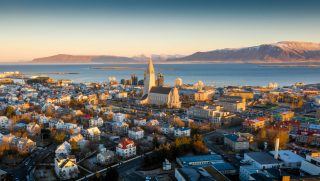
Reykjavik, Iceland: The Ultimate Travel Guide 2026
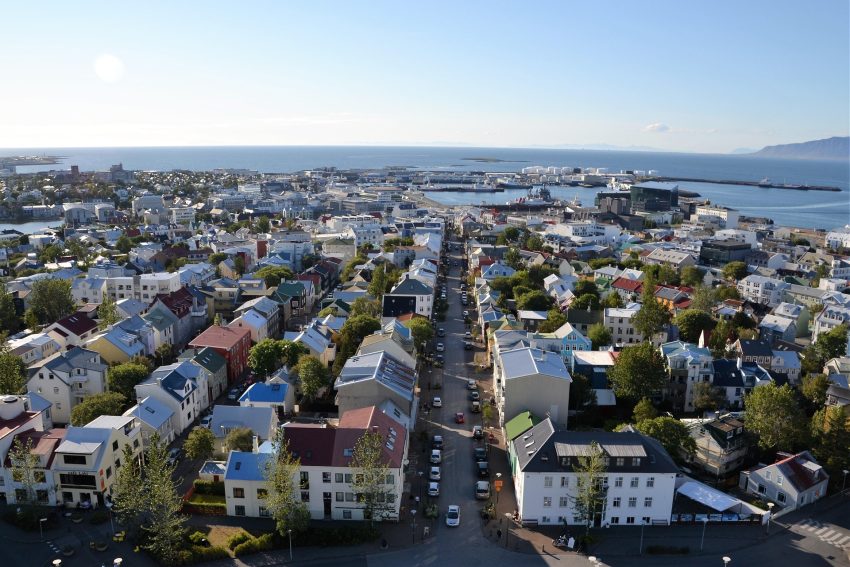
Reykjavík sits in southwest Iceland, on the shore of Faxaflói Bay in the Capital Region, with the Reykjanes Peninsula to the south and a sweep of mountains framing the horizon. As a base for exploring Iceland, it is compact, walkable, and easy to navigate, with most headline sights, cafés, and harbour areas clustered within a short distance of the centre. The city’s appeal is as much about atmosphere as attractions: clean design, strong coffee culture, and a sense that wild landscapes are always close.
Plan your days around the weather and the light rather than a rigid timetable. Reykjavík can shift quickly from crisp sunshine to wind and showers, so layers and a waterproof outer shell matter more than dressing up. If you are visiting in winter, build in flexibility for storms and limited daylight; in summer, take advantage of late evenings for waterfront walks and relaxed dinners. Either way, it is worth scheduling a couple of warm-up breaks, because you will likely spend a lot of time outdoors.
Reykjavík also works well as a hub for day trips without feeling like you are constantly in transit. You can mix city time with quick access to geothermal pools, coastal viewpoints, and organised excursions that return you to town by evening, which keeps logistics simple. For a smoother stay, book accommodation centrally if you want to walk everywhere, or near main bus routes if you plan multiple tours, then use the city’s calm pace to reset between bigger Iceland days.
Table of Contents
- History of Reykjavik
- 37 Best places to See in Reykjavik
- Alþingishúsið
- Austurvöllur
- Tjörnin
- The Settlement Exhibition
- Dómkirkjan í Reykjavík
- The Icelandic Punk Museum
- Reykjavík City Hall
- Prime Minister’s Office
- Reykjavík Art Museum Hafnarhús
- Lutheran Free Church
- The National Gallery of Iceland
- Old Harbour
- Cathedral of Christ the King
- House of Collections
- Harpa Concert Hall and Conference Centre
- Hólavallagarður
- National Museum of Iceland
- Laugavegur
- Landsbókasafn Íslands – Háskólabókasafn
- Hallgrimskirkja
- Aurora Reykjavík
- Leif Eriksson Monument
- The Einar Jónsson Museum
- Reykjavík Maritime Museum
- Sun Voyager
- Whales of Iceland
- Sundhöllin
- Höfði House
- Háteigskirkja
- Perlan
- Laugarnes Church
- Asmundur Sveinsson Sculpture Museum
- Nauthólsvík Geothermal Beach
- Laugardalslaug
- Sky Lagoon
- Grasagarður Botanical Garden
- Grótta Island Lighthouse
- 12 Best Day Trips from Reykjavik
- Where to Stay in Reykjavik
- Best Time to Visit Reykjavik
- How to get to Reykjavik
History of Reykjavik
Reykjavík Before Settlement and Early Norse Arrival (Up to the 9th Century)
Long before Reykjavík became a town, the southwest coast of Iceland was visited by seafarers who left little permanent trace, but later Icelandic tradition holds that the first Norse settler, Ingólfur Arnarson, established a farmstead in the area around 874. Early life in Reykjavík was rural and dispersed, shaped by farming, fishing, and the practical realities of surviving in a harsh North Atlantic environment. For centuries, Reykjavík was not a “city” in the modern sense, but a cluster of farms and small holdings linked to the broader story of the Icelandic Commonwealth.
Reykjavík Under Norwegian and Danish Rule (13th to 18th Centuries)
From the late medieval period onward, Iceland came under Norwegian and then Danish authority, and Reykjavík’s development remained slow compared with continental ports. Trade restrictions, monopolies, and shifting economic policies under Danish control influenced how goods moved and where commerce concentrated, with Reykjavík gradually gaining importance as a local centre. The area began to attract administrative attention, and by the 18th century it became tied to early industrial and reform efforts that aimed to strengthen Iceland’s economy. A key turning point came with the establishment of enterprises associated with Skúli Magnússon, often called the “father of Reykjavík,” whose initiatives helped lay foundations for more permanent urban growth.
Reykjavík Becomes a Town and National Centre (Late 18th to 19th Century)
Reykjavík was granted town privileges in 1786, marking the transition from rural settlement to recognised urban community. Through the 19th century, it expanded in population and function, increasingly becoming Iceland’s administrative, educational, and cultural focal point. The rise of Icelandic nationalism and the push for greater autonomy from Denmark elevated Reykjavík’s role further, as institutions and political life concentrated there. By the end of the century, Reykjavík was firmly established as the country’s leading town, with a growing sense of civic identity and momentum.
Reykjavík and Icelandic Independence (Early 20th Century to 1944)
The early 20th century brought faster urbanisation and a stronger political profile, as Iceland gained home rule in 1904 and then became a sovereign state in union with Denmark in 1918. Reykjavík functioned as the centre of administration and national debate during this period of constitutional change. The Second World War was a major catalyst for transformation, with foreign military presence accelerating infrastructure development, employment, and the pace of modernisation. In 1944, Iceland declared itself a republic, and Reykjavík became the capital of a fully independent state, cementing its symbolic and practical national importance.
Reykjavík’s Postwar Expansion and Modern City Building (1945 to 1980s)
After 1945, Reykjavík grew rapidly as people moved from rural communities into the capital area, seeking work, services, and education. Housing development expanded outwards, and the city’s economy diversified alongside improvements in transport, utilities, and public institutions. Reykjavík’s cultural life strengthened through new venues, media, and a more outward-looking society, while the fishing industry remained a critical economic pillar. By the late 20th century, Reykjavík had become a modern European-style capital in function, if not in scale.
Reykjavík in Contemporary Iceland (1990s to Present)
In recent decades, Reykjavík has continued to develop as Iceland’s main hub for government, culture, tourism, and innovation-driven business. The city’s international profile rose sharply with the growth of tourism, and it faced the same pressures seen in many capitals, including housing demand and balancing local life with visitor economies. The 2008 financial crisis was a defining modern episode, followed by a period of recovery and reorientation. Today, Reykjavík is widely associated with a confident cultural scene, strong design identity, and a city life that continues to evolve while remaining closely tied to Iceland’s national story.

Moira & Andy
Hey! We're Moira & Andy. From hiking the Camino to trips around Europe in Bert our campervan — we've been traveling together since retirement in 2020!
Visiting Reykjavik for the first time and wondering what are the top places to see in the city? In this complete guide, I share the best things to do in Reykjavik on the first visit. To help you plan your trip, I have also included an interactive map and practical tips for visiting!
This website uses affiliate links which earn a small commission at no additional cost to you.
37 Best places to See in Reykjavik
This complete guide to Reykjavik not only tells you about the very best sights and tourist attractions for first-time visitors to the city but also provide insights into a few of our personal favorite things to do.
This is a practical guide to visiting the best places to see in Reykjavik and is filled with tips and info that should answer all your questions!
1. Alþingishúsið
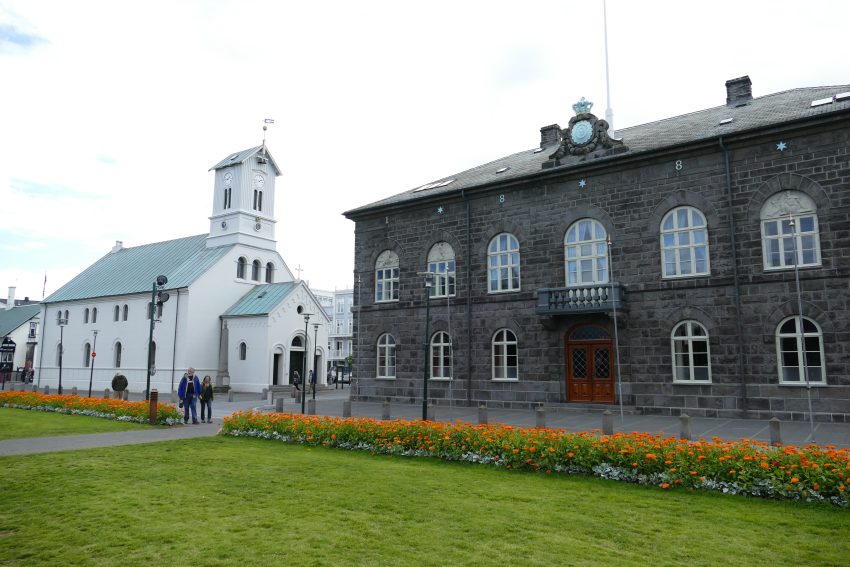
Location: 43W5+MWW, Kirkjutorg, 101 Reykjavík, Iceland | Hours: Check official website. | Price: Free. | Website | Distance: 0.0km

2. Austurvöllur
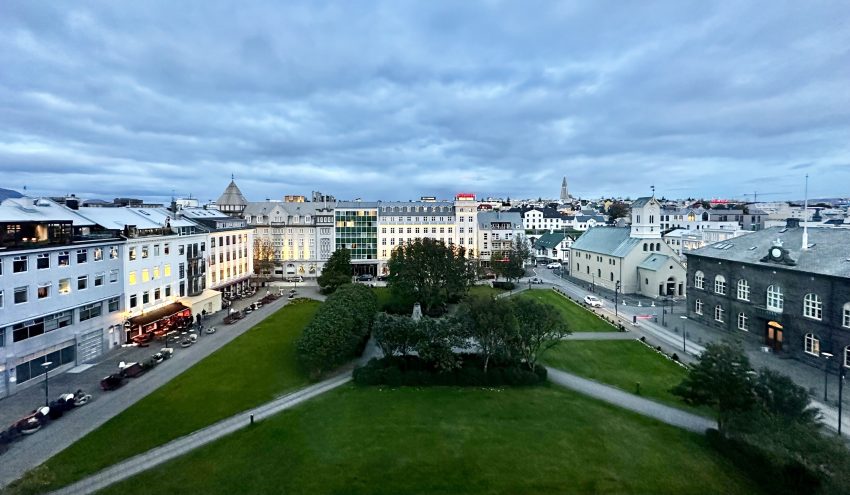
Location: Pósthússtræti 101, 101 Reykjavík, Iceland | Hours: 24 Hours. | Price: Free. | Distance: 0.0km
3. Tjörnin
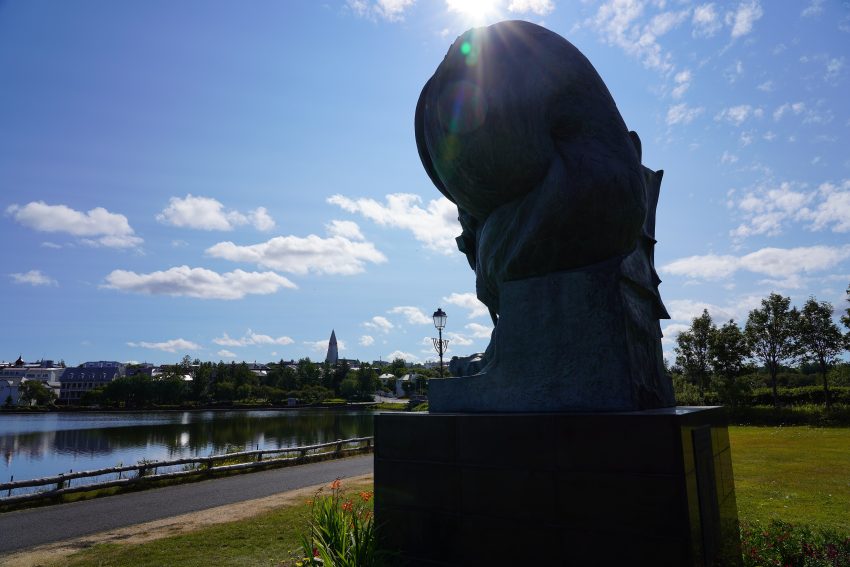
Location: Tjörnin, 101 Reykjavík, Iceland | Hours: 24 Hours. | Price: Free. | Distance: 0.1km
4. The Settlement Exhibition
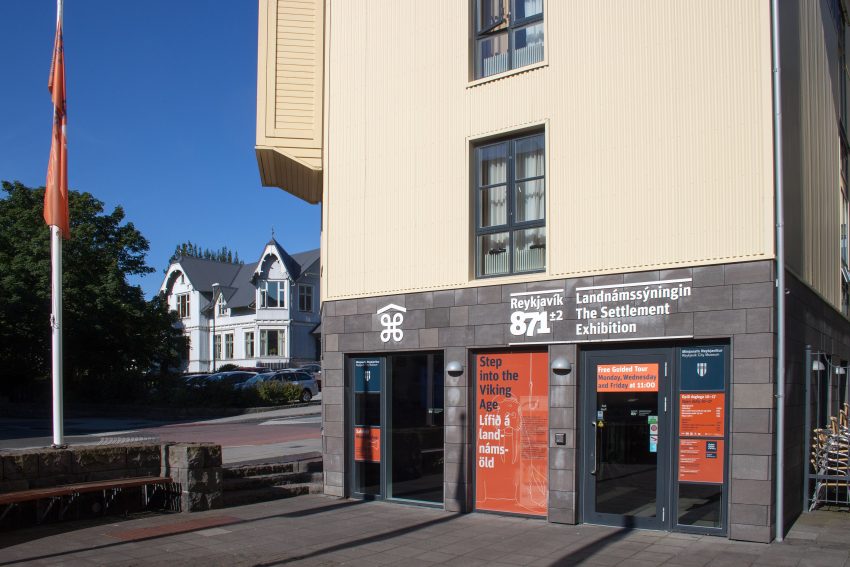
Location: Aðalstræti 16, 101 Reykjavík, Iceland | Hours: Daily: 10:00–17:00. | Price: Check official website. | Website | Distance: 0.1km
5. Dómkirkjan í Reykjavík
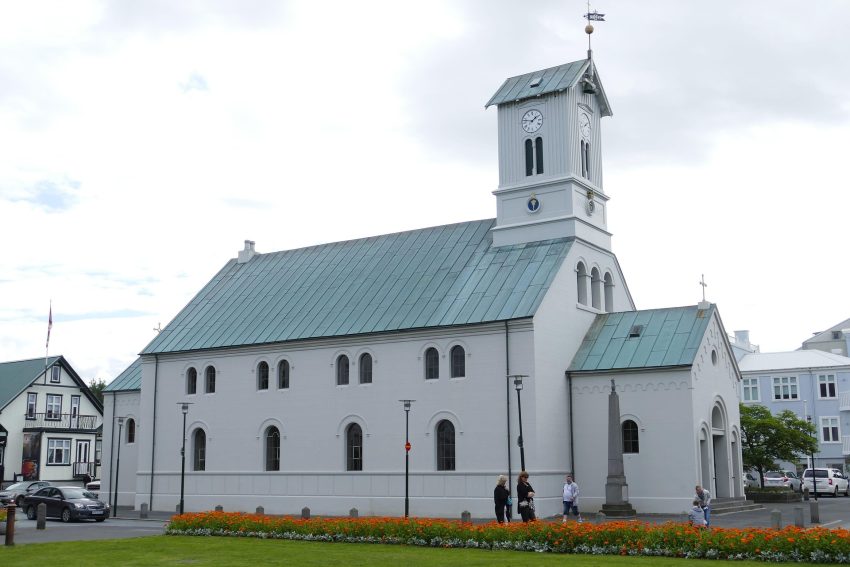
Location: Kirkjustræti, 101 Reykjavík, Iceland | Hours: Monday – Friday: 10:00–14:00. | Price: Free; donations appreciated. | Website | Distance: 0.1km
6. The Icelandic Punk Museum
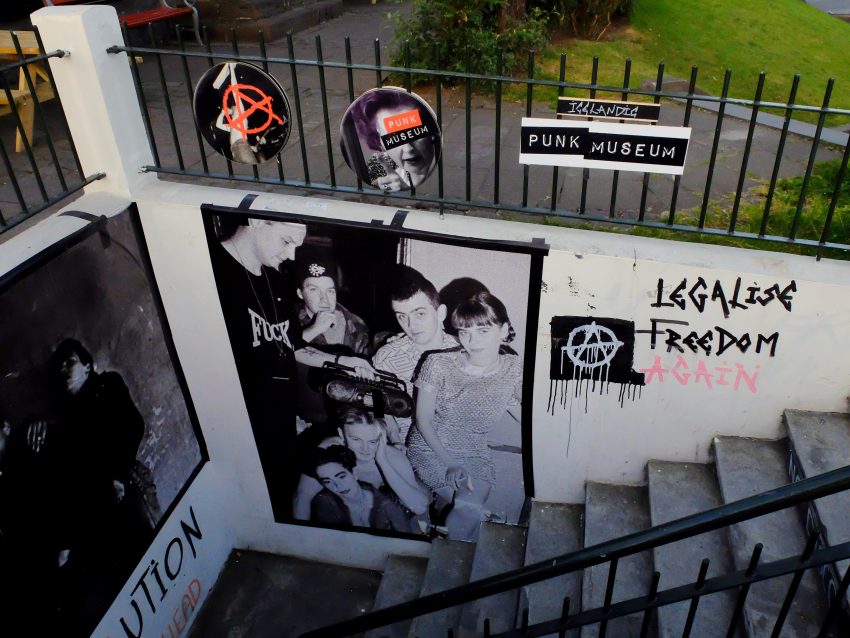
Location: Bankastræti 0, 101 Reykjavík, Iceland | Hours: Daily: 14:00–18:00. | Price: Adults: 2,000 ISK. | Distance: 0.2km
7. Reykjavík City Hall
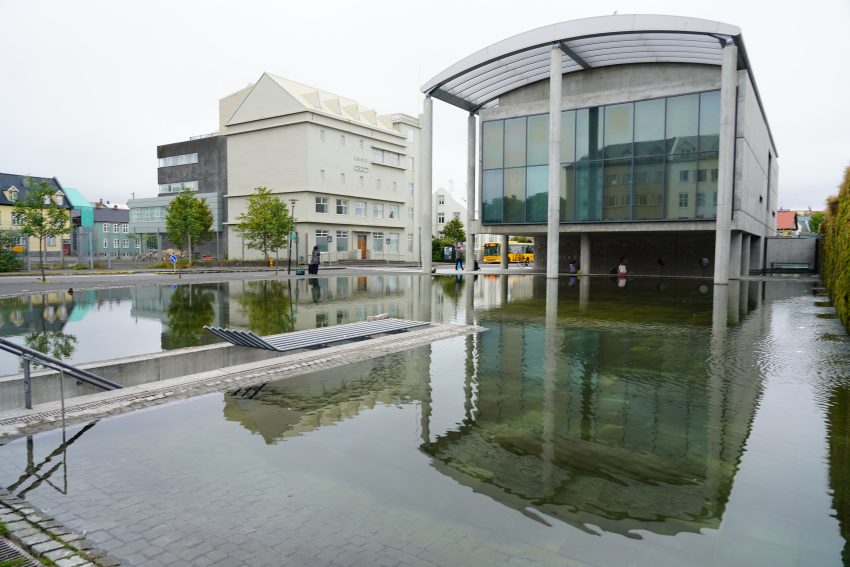
Location: Tjarnargata 11, 101 Reykjavík, Iceland | Hours: Monday – Friday: 08:00–18:00. Saturday: 10:00–18:00. Sunday: 12:00–18:00. | Price: Free. | Website | Distance: 0.2km
8. Prime Minister’s Office
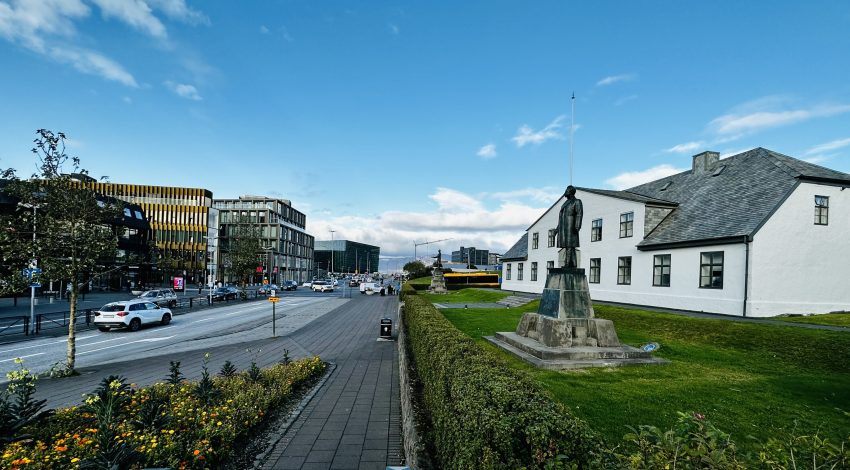
Location: Lækjargata, 101 Reykjavík, Iceland | Hours: Monday – Friday: 08:30–16:00. Closed on Saturday, Sunday. | Price: Free. | Website | Distance: 0.2km
9. Reykjavík Art Museum Hafnarhús
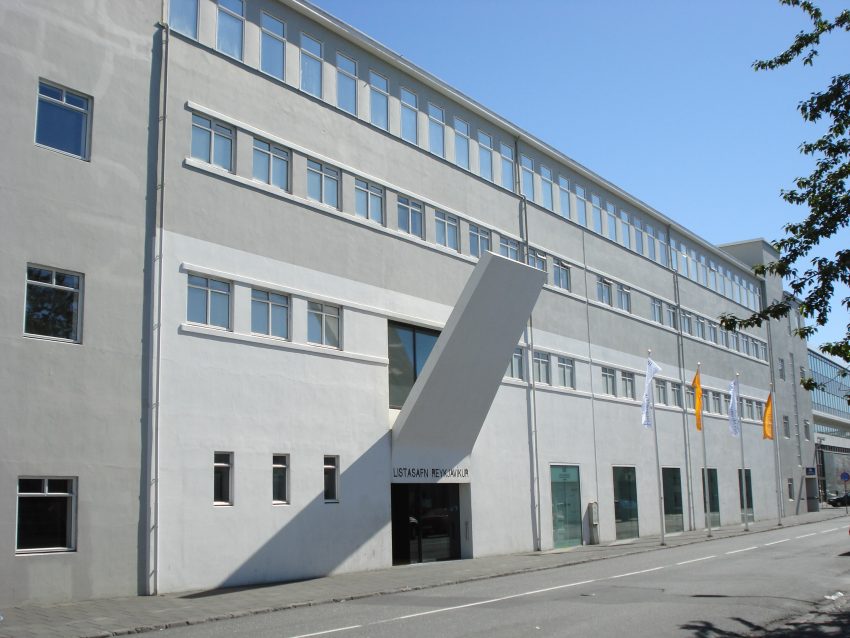
Location: Tryggvagata 17, 101 Reykjavík, Iceland | Hours: Monday – Wednesday: 10:00–17:00. Thursday: 10:00–22:00. Friday – Sunday: 10:00–17:00. | Price: Adults: 2,550 ISK; Students: 1,550 ISK; Under 18: free; Disabled: free. | Website | Distance: 0.2km
10. Lutheran Free Church
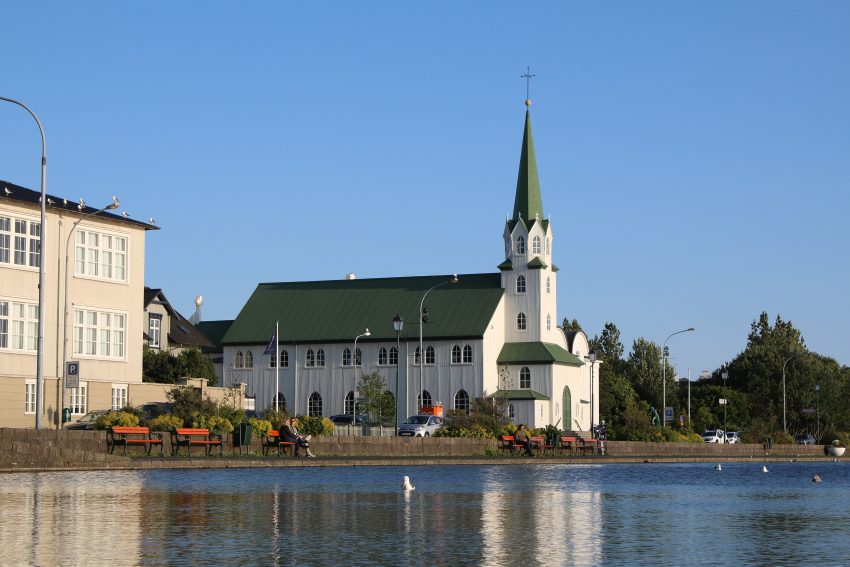
Location: Fríkirkjuvegur 5, 101 Reykjavík, Iceland | Hours: Monday – Thursday: 09:00–16:00. | Price: Free; donations appreciated. | Website | Distance: 0.3km
11. The National Gallery of Iceland
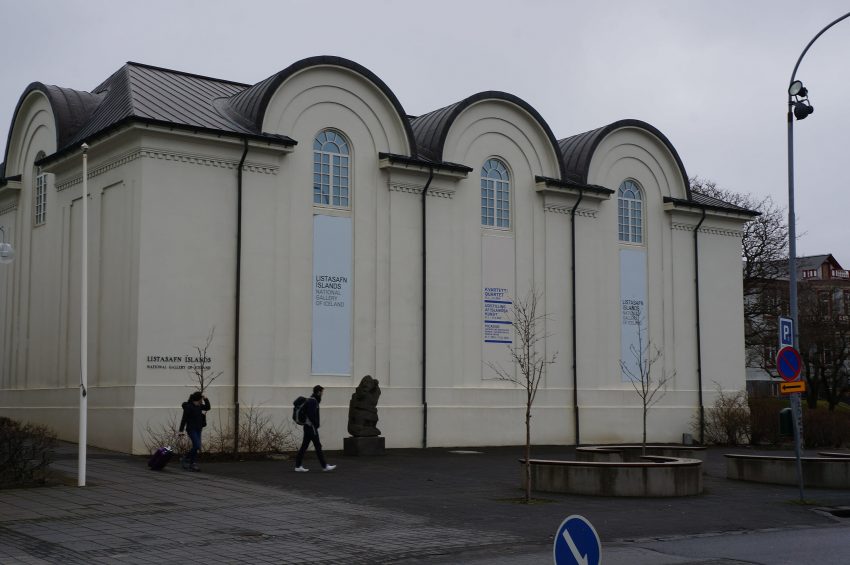
Location: Fríkirkjuvegur 7, 101 Reykjavík, Iceland | Hours: Daily: 10:00–17:00. | Price: Adults (18+): 2,500 kr; Students: 1,500 kr; Seniors (67+): 1,500 kr; Under 18: free; Visitors with disabilities and care partners: free. | Website | Distance: 0.3km
12. Old Harbour
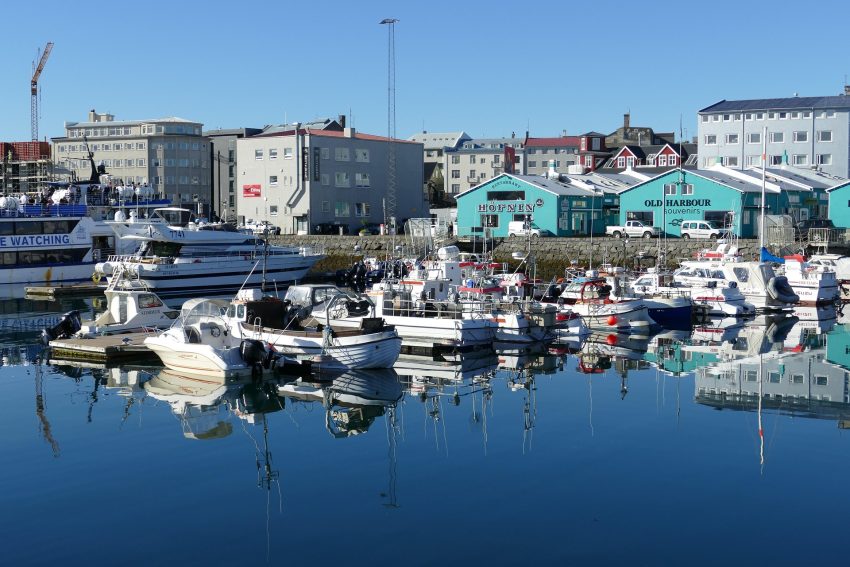
Location: Geirsgata 5c, 101 Reykjavík, Iceland | Hours: 24 Hours | Price: Free. | Website | Distance: 0.4km
13. Cathedral of Christ the King
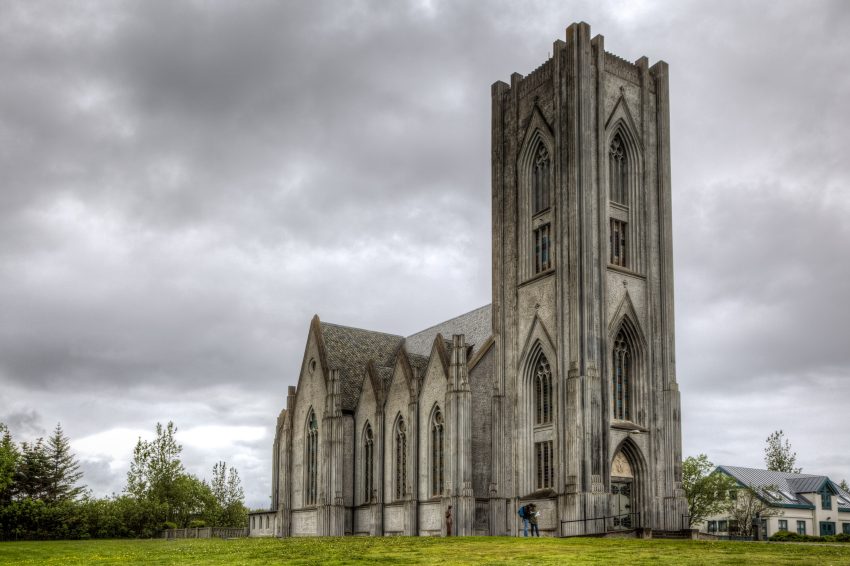
Location: Túngata 13, 101 Reykjavík, Iceland | Hours: Monday: 09:00–17:00. Tuesday: 09:00–17:00. Wednesday: 09:00–17:00. Thursday: 09:00–17:00. Friday: 09:00–17:00. Saturday: Closed. Sunday: Closed. | Price: Free; donations appreciated. | Website | Distance: 0.4km
14. House of Collections
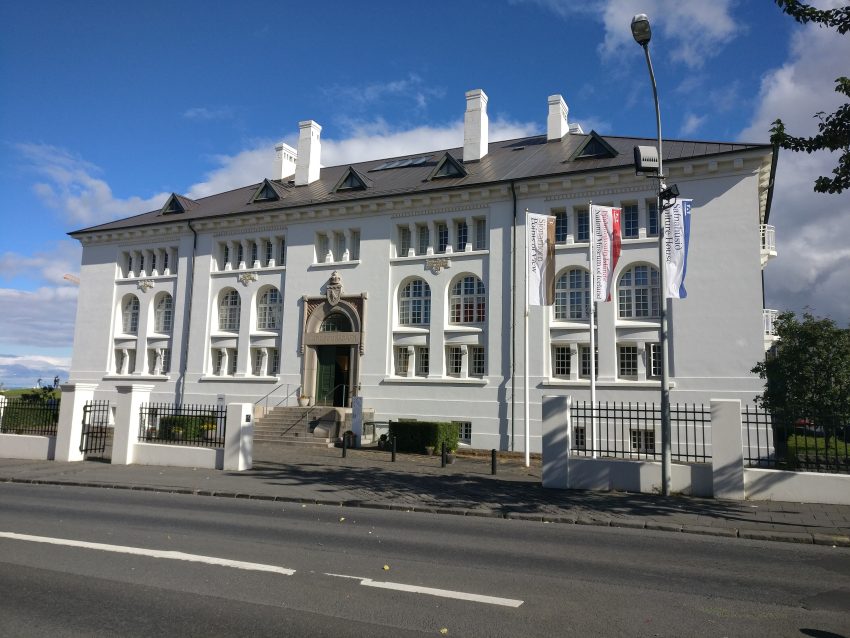
Location: Hverfisgata 15, Hverfisgata 15, 101 Reykjavík, Iceland | Hours: Daily: 10:00–17:00. | Price: Adults (18+): 1.500 kr.; Students: 1.000 kr.; Seniors (67+): 1.000 kr.; Children (17 and under): free; Visitors with disabilities and care partners: free. | Website | Distance: 0.4km
15. Harpa Concert Hall and Conference Centre
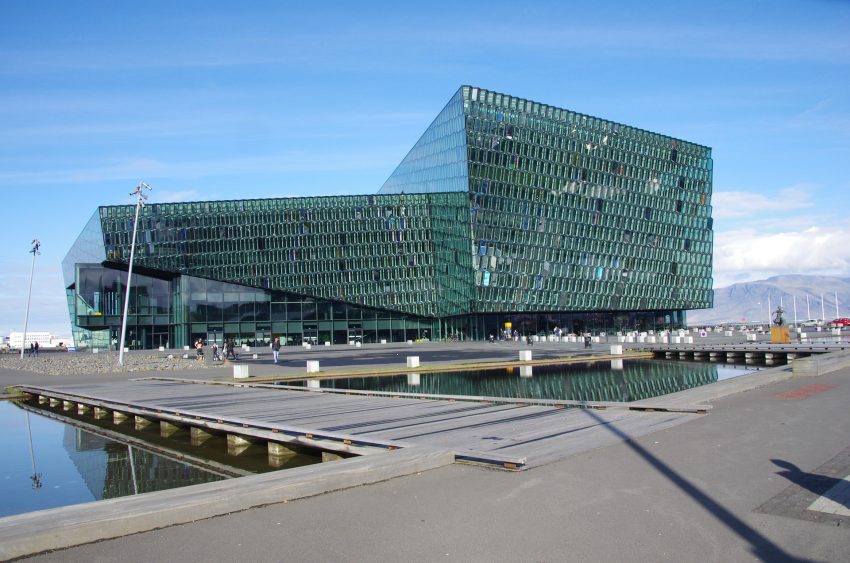
Location: Austurbakki 2, 101 Reykjavík, Iceland | Hours: Monday – Tuesday: 10:00–18:00. Wednesday – Saturday: 10:00–20:00. Sunday: 10:00–18:00. | Price: Free (public areas); prices vary by show. | Website | Distance: 0.5km
16. Hólavallagarður
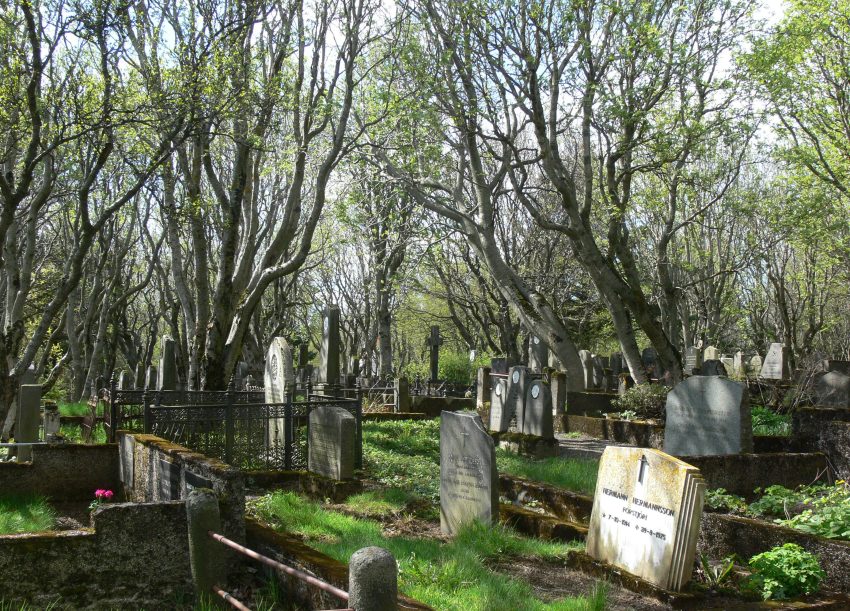
Location: 43V2+RRG, Suðurgata, 101 Reykjavík, Iceland | Hours: 24 Hours. | Price: Free. | Distance: 0.5km
17. National Museum of Iceland
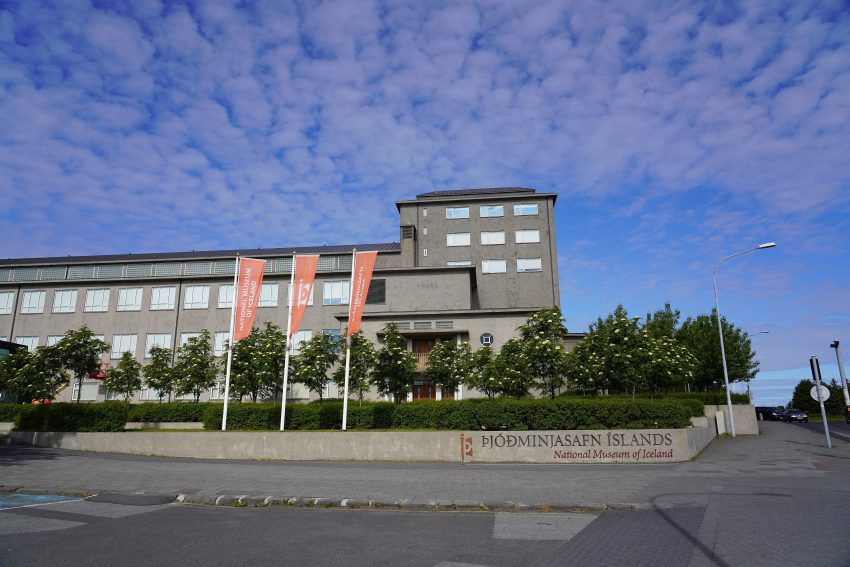
Location: Suðurgata 41, 102 Reykjavík, Iceland | Hours: Daily: 10:00–17:00. | Price: Adults: 3,300 ISK; Students & seniors: 1,600 ISK; Under 18: free. | Website | Distance: 0.7km
18. Laugavegur
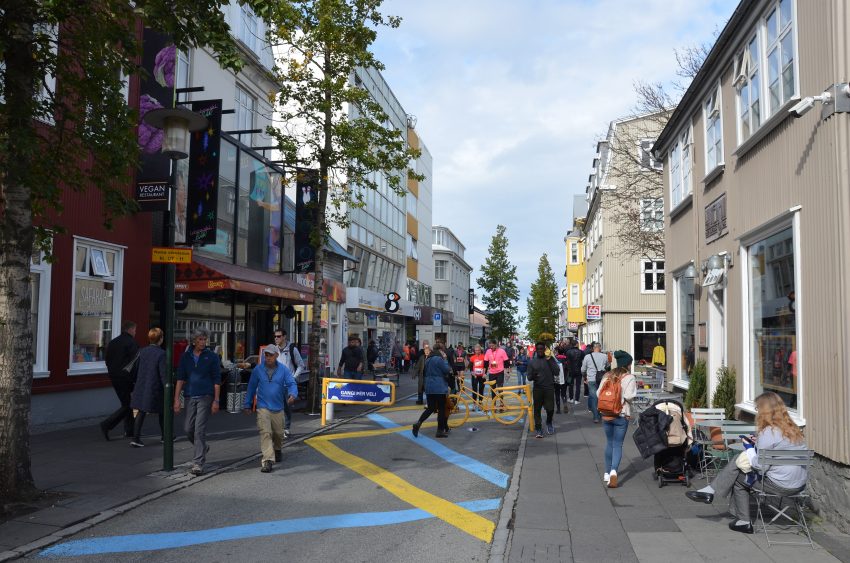
Location: Laugavegur, Reykjavík, Iceland | Hours: 24 Hours. | Price: Free. | Distance: 0.7km
19. Landsbókasafn Íslands – Háskólabókasafn
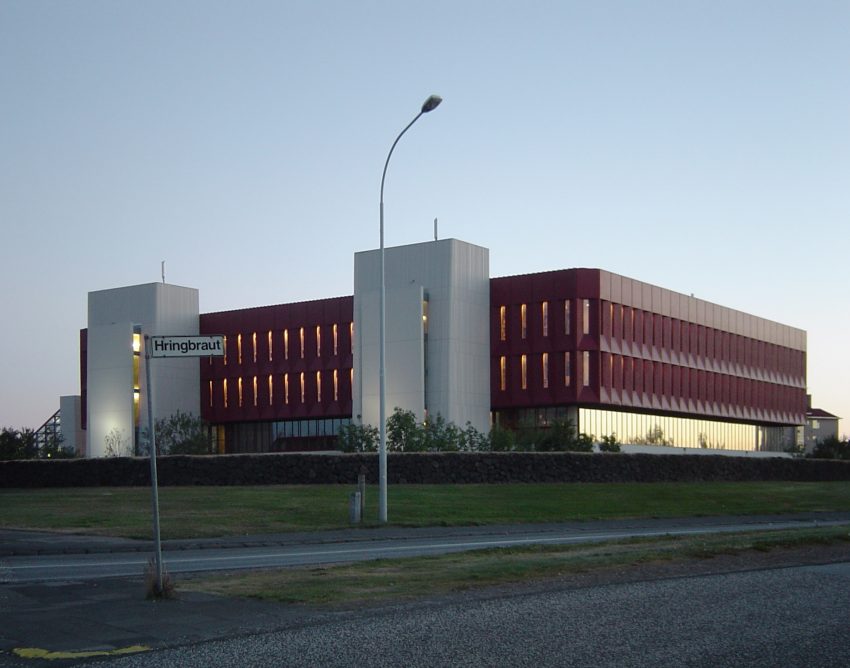
Location: Arngrímsgata 3, 107 Reykjavík, Iceland | Hours: Monday – Thursday: 08:15–22:00. Friday: 08:15–19:00. Saturday: 10:00–17:00. Sunday: 11:00–17:00. | Price: Free. | Website | Distance: 0.7km
20. Hallgrimskirkja
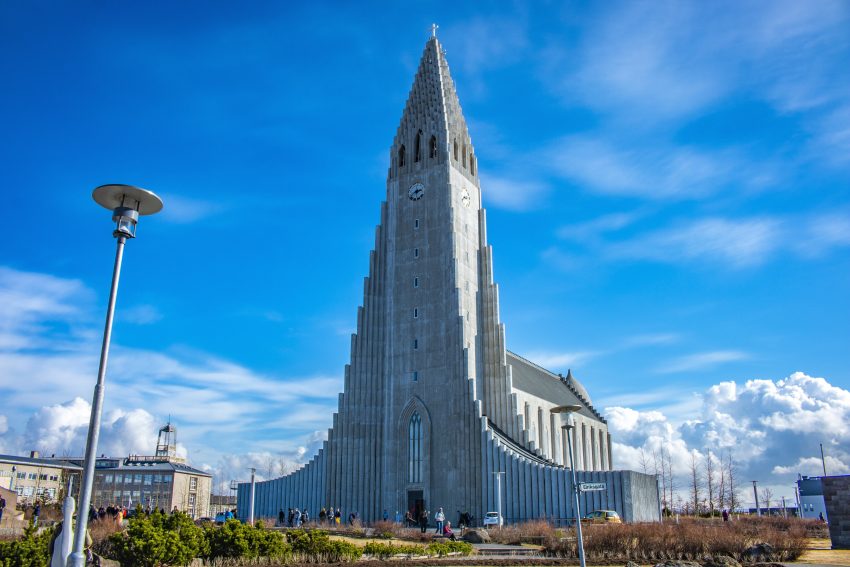
Location: Hallgrímstorg 1, 101 Reykjavík, Iceland | Hours: Daily: 10:00–17:00. Tower & church shop: 10:00–16:45. | Price: Church entry: Free. Tower: Adults 1,400 ISK; Seniors/students/disabled 1,000 ISK; Children (7–16) 200 ISK; Under 7: free. | Website | Distance: 0.8km
21. Aurora Reykjavík
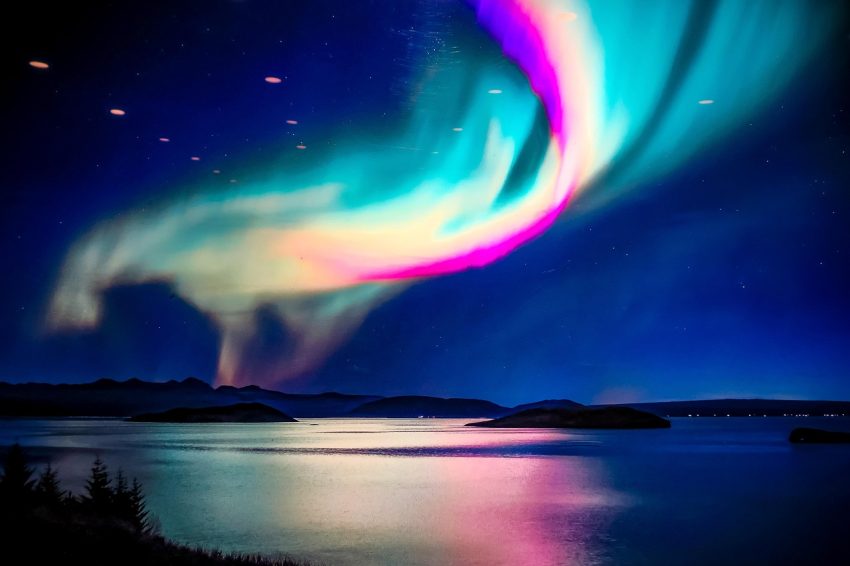
Location: Fiskislóð 53, 101 Reykjavík, Iceland | Hours: Daily: 10:00–18:00. | Price: Adults: 3,900 ISK; Students (with ID): 3,500 ISK; Ages 6–16: 1,900 ISK. | Website | Distance: 0.8km
22. Leif Eriksson Monument
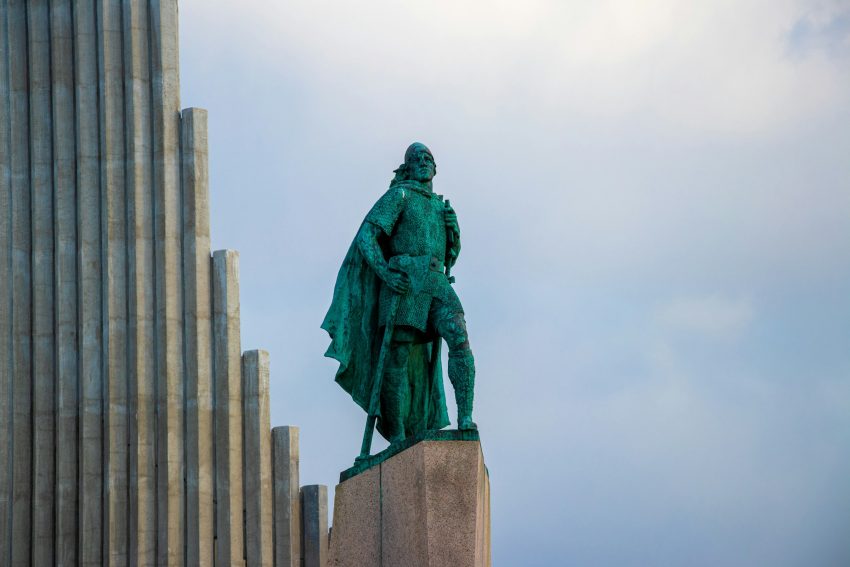
Location: Skólavörðustígur 45, 101 Reykjavík, Iceland | Hours: 24 Hours. | Price: Free. | Distance: 0.8km
23. The Einar Jónsson Museum
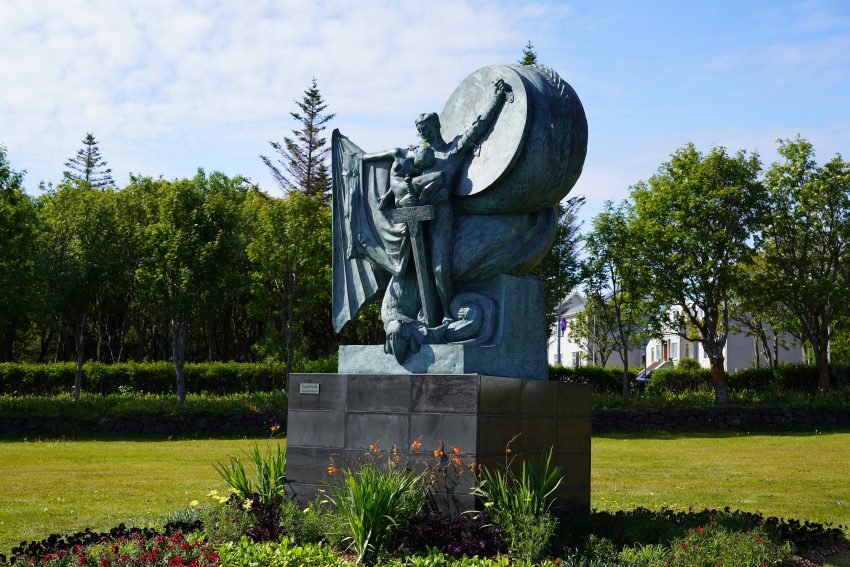
Location: Hallgrímstorg 3, Njarðargata 51, 101 Reykjavík, Iceland | Hours: Tuesday – Sunday: 10:00–17:00. Closed on Monday. | Price: Adults: ISK 1500; Seniors (67+): ISK 1000; Students (with ID): ISK 1000; Under 18: free; People with disabilities: free. | Website | Distance: 0.8km
24. Reykjavík Maritime Museum
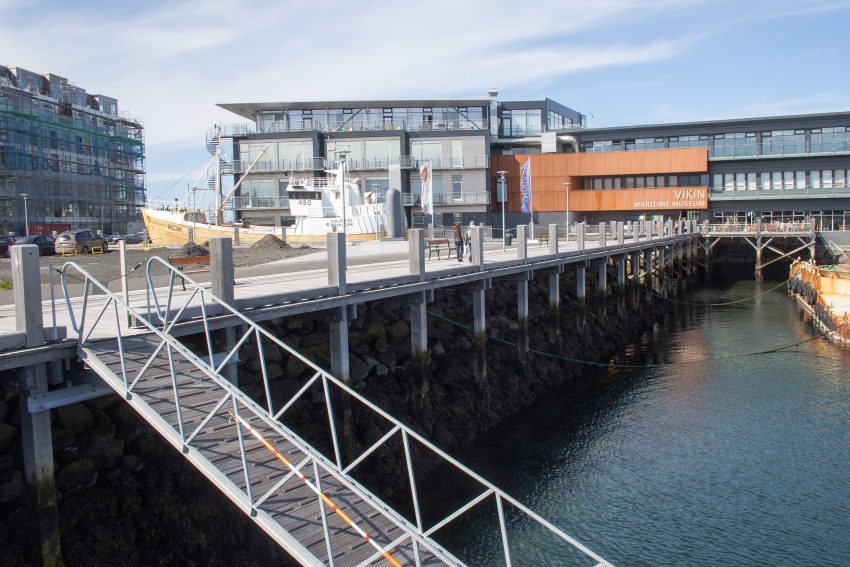
Location: Grandagarður 8, 101 Reykjavík, Iceland | Hours: Daily: 10:00–17:00. | Price: Check official website. | Website | Distance: 0.8km
25. Sun Voyager
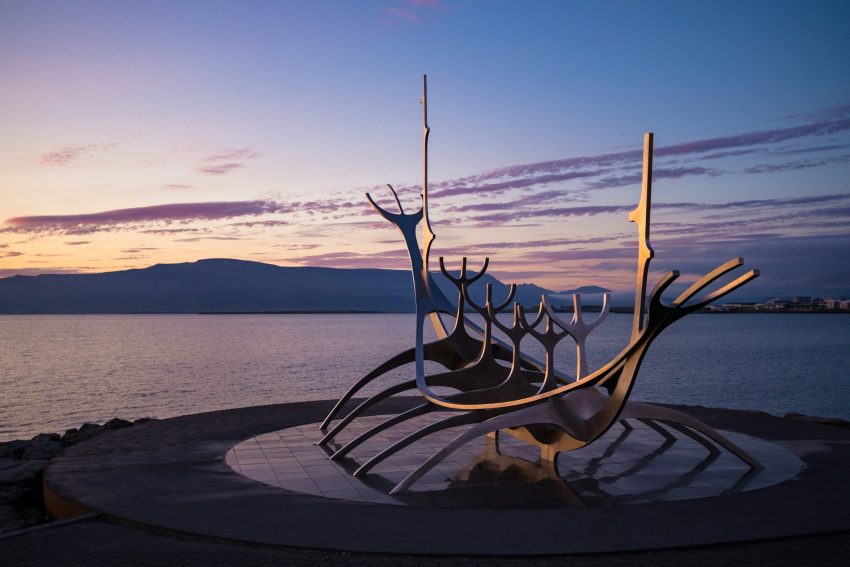
Location: Sæbraut, 101 Reykjavík, Iceland | Hours: 24 Hours. | Price: Free. | Distance: 0.9km
26. Whales of Iceland
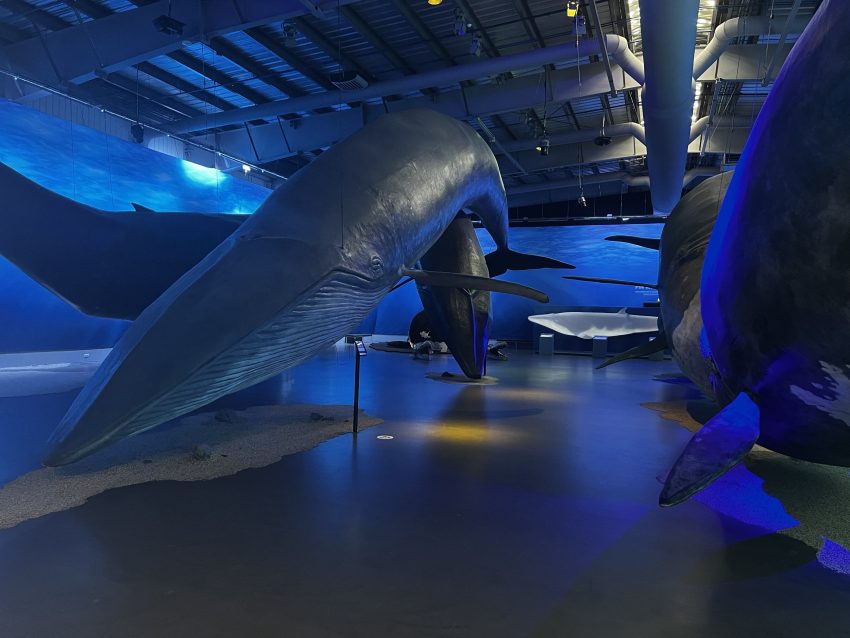
Location: Fiskislóð 23-25, 101 Reykjavík, Iceland | Hours: Daily: 10:00–17:00. | Price: Adults: 3700 ISK; Children (7–15): 1850 ISK; Family (2 adults & 2 children): 7400 ISK; Children (0–6): free. | Website | Distance: 1.0km
27. Sundhöllin
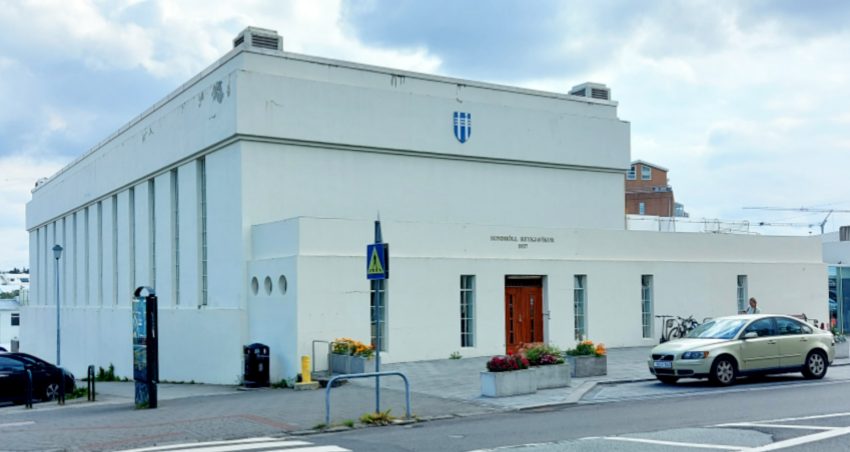
Location: Barónsstígur 45a, 101 Reykjavík, Iceland | Hours: Monday – Friday: 06:30–22:00. Saturday – Sunday: 08:00–21:00. | Price: Adults: 1,430 ISK; Youth (16–17): 220 ISK; Children (0–15): free. | Website | Distance: 1.1km
28. Höfði House
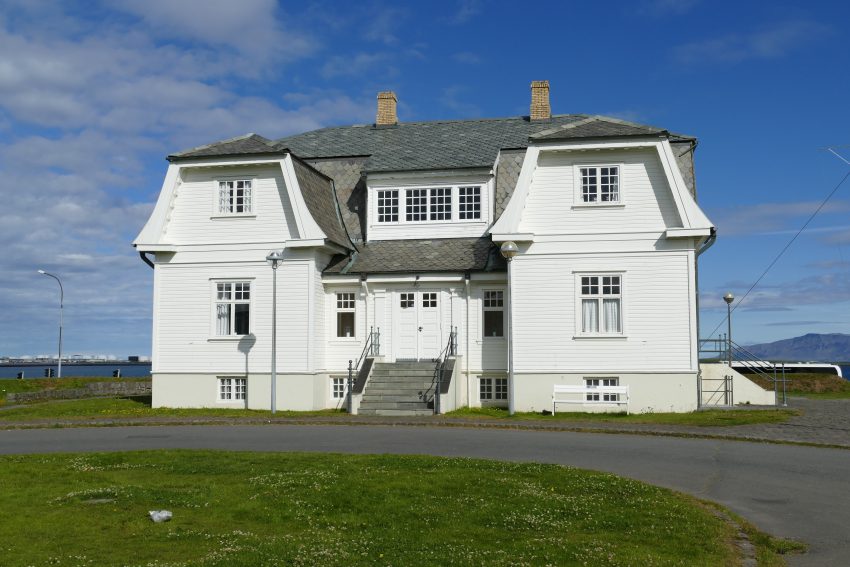
Location: Félagstún 1, 105 Reykjavík, Iceland | Hours: 24 Hours. | Price: Free. | Distance: 1.7km
29. Háteigskirkja
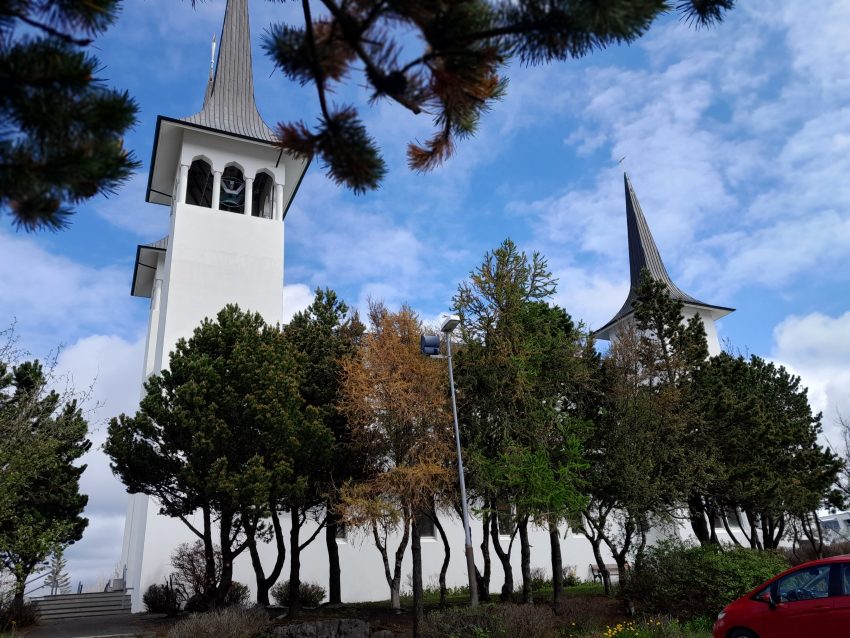
Location: Háteigsvegur 27-29, 105 Reykjavík, Iceland | Hours: Tuesday – Thursday: 09:00–16:00. Friday: 09:00–15:00. Sunday: 10:30–12:00. | Price: Free; donations appreciated. | Website | Distance: 1.9km
30. Perlan
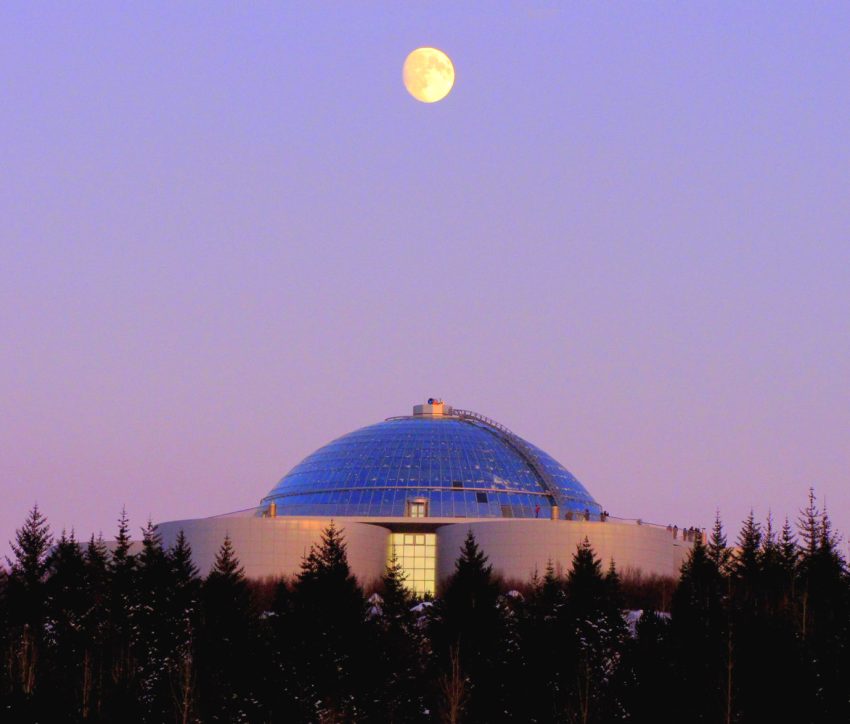
Location: Varmahlíð 1, 105 Reykjavík, Iceland | Hours: Daily: 09:00–21:00. | Price: Check official website. | Website | Distance: 2.2km
31. Laugarnes Church
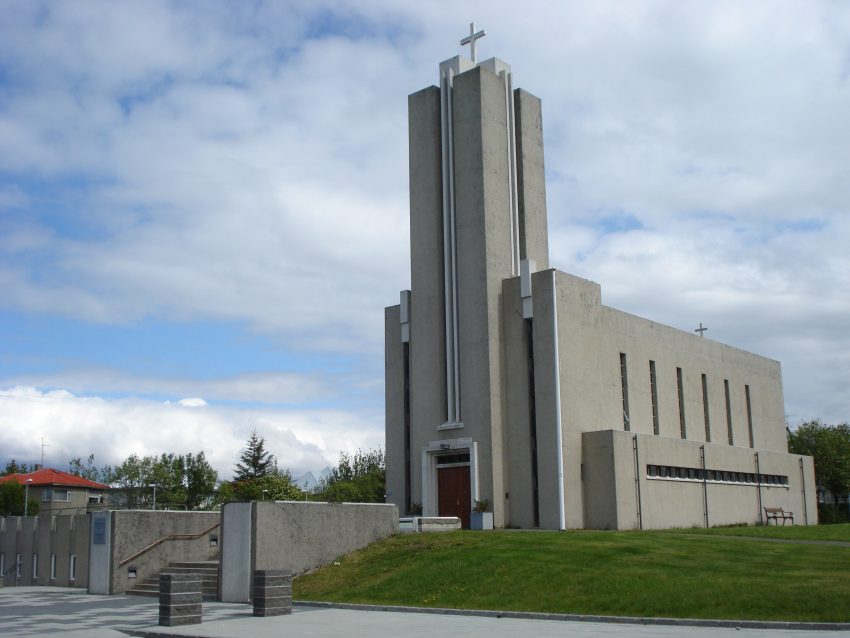
Location: Silfurteigur 2, 105 Reykjavík, Iceland | Hours: Check official website. | Price: Free; donations appreciated. | Website | Distance: 2.5km
32. Asmundur Sveinsson Sculpture Museum
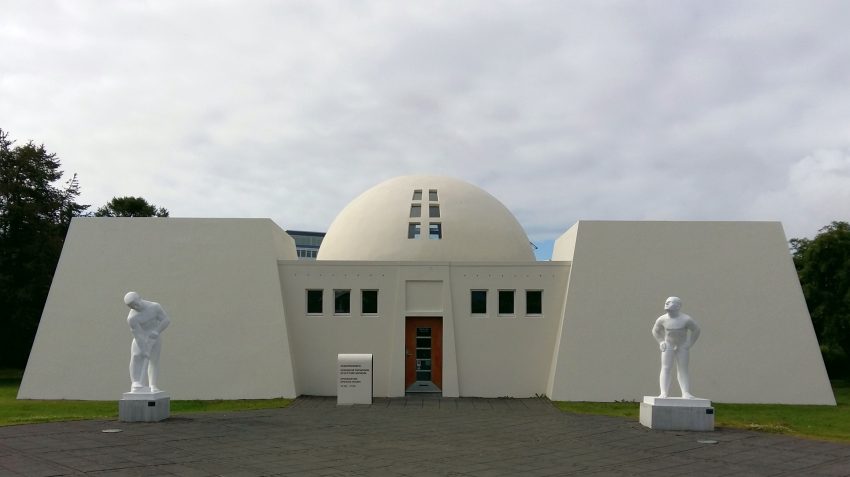
Location: Asmundur Sveinsson Sculpture Museum, Reykjavík, Iceland | Hours: (Summer) May–September; Daily: 10:00–17:00. (Winter) October–April; Daily: 13:00–17:00. | Price: Adults ISK 2,550; Students ISK 1,550; Under 18 free (ticket valid for 24 hours across the Reykjavík Art Museum locations). | Website | Distance: 2.8km
33. Nauthólsvík Geothermal Beach
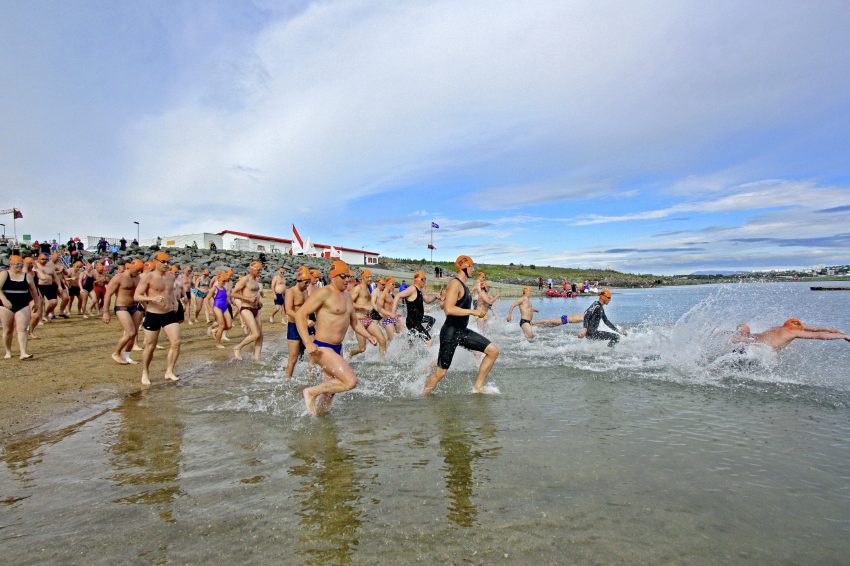
Location: Nauthólsvík Geothermal Beach, 102 Reykjavík, Iceland | Hours: (Summer) May 15 – August 18; Daily: 10:00–19:00. (Winter) August 19 – May 14; Tuesday – Friday: 11:00–19:00. Saturday: 11:00–16:00. Closed on Monday, Sunday. | Price: Entrance: 920 ISK. | Website | Distance: 2.8km
34. Laugardalslaug
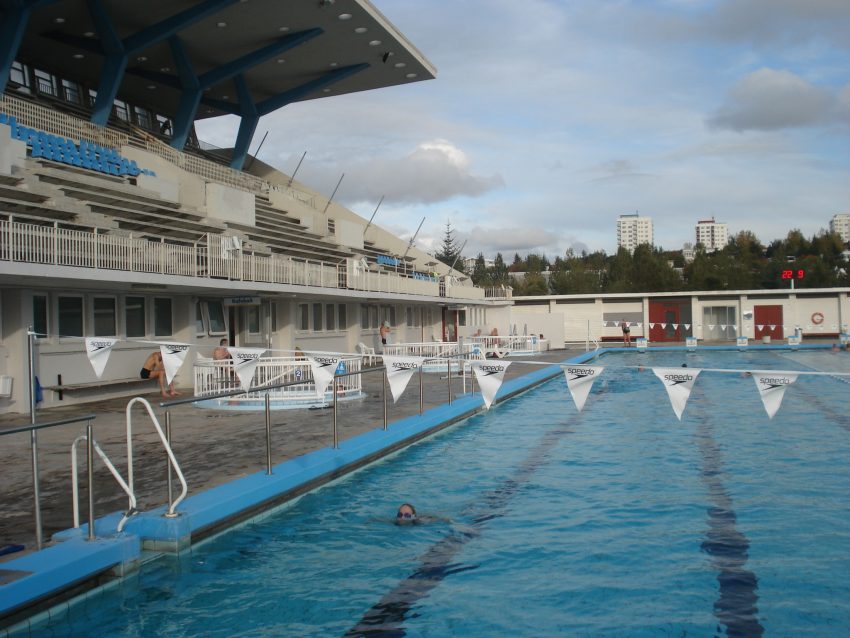
Location: Sundlaugavegur 105, 105 Reykjavík, Iceland | Hours: Monday – Friday: 06:30–22:00. Saturday – Sunday: 08:00–21:00. | Price: Adults (18+): 1,430 ISK; Youth (16–17): 220 ISK; Children (0–15): free. | Website | Distance: 3.0km
35. Sky Lagoon
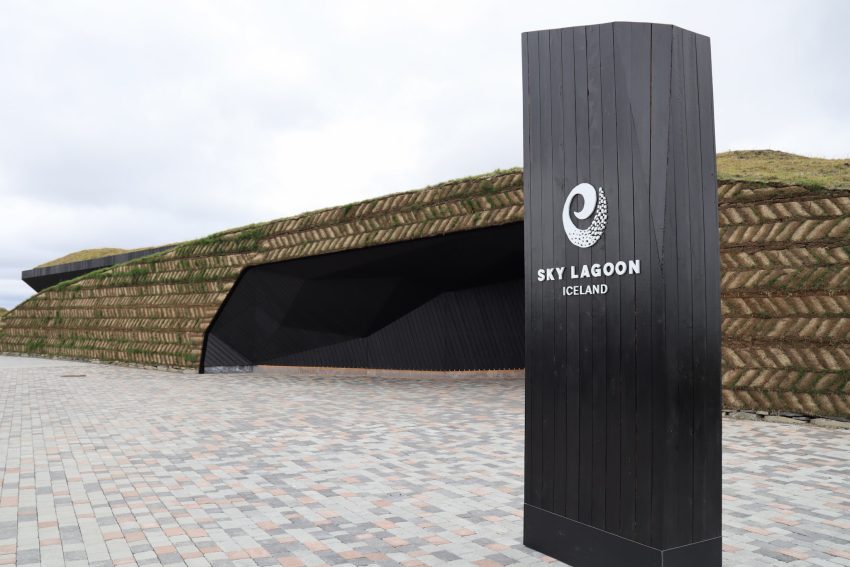
Location: Sky Lagoon Vesturvör 44-48 200 Kopavogur Iceland | Hours: Monday – Friday: 11:00–22:00. Saturday – Sunday: 10:00–22:00. | Price: From ISK 13,990 (Saman Pass) or from ISK 16,990 (Sér Pass). | Website | Distance: 3.4km
36. Grasagarður Botanical Garden
Location: Grasagarðinum, 104 Reykjavík, Iceland | Hours: Daily: Open 24 hours. Display greenhouse & gazebo (Summer): 10:00–19:00. Display greenhouse & gazebo (Winter): 10:00–15:00. | Price: Free. | Website | Distance: 3.4km
37. Grótta Island Lighthouse
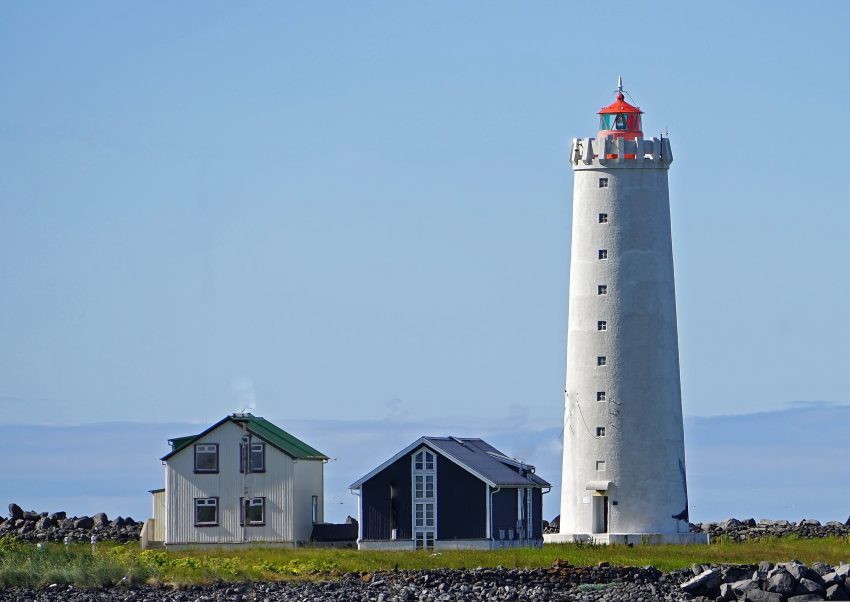
Location: Gróttuviti, 170 Seltjarnarnes, Iceland | Hours: 24 Hours. | Price: Free. | Website | Distance: 4.4km
Best Day Trips from Reykjavik
A day trip from Reykjavik offers the perfect opportunity to escape the urban rhythm and discover the surrounding region's charm. Whether you're drawn to scenic countryside, historic villages, or cultural landmarks, the area around Reykjavik provides a variety of easy-to-reach destinations ideal for a one-day itinerary.
1. Árbær Open Air Museum
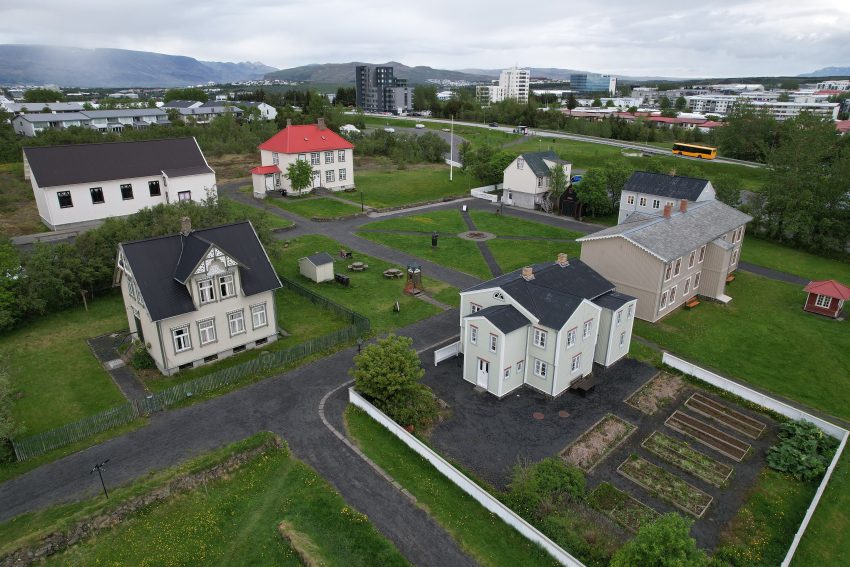
Location: 459J+77, Kistuhylur 110, 110 Reykjavík, Iceland | Hours: (Summer) June 1 – August 31; Daily: 10:00–17:00. (Winter) September 1 – May 31; Daily: 13:00–17:00. | Price: Check official website. | Website | Distance: 6.8km
Visiting Árbær Open Air Museum
2. Blue Lagoon
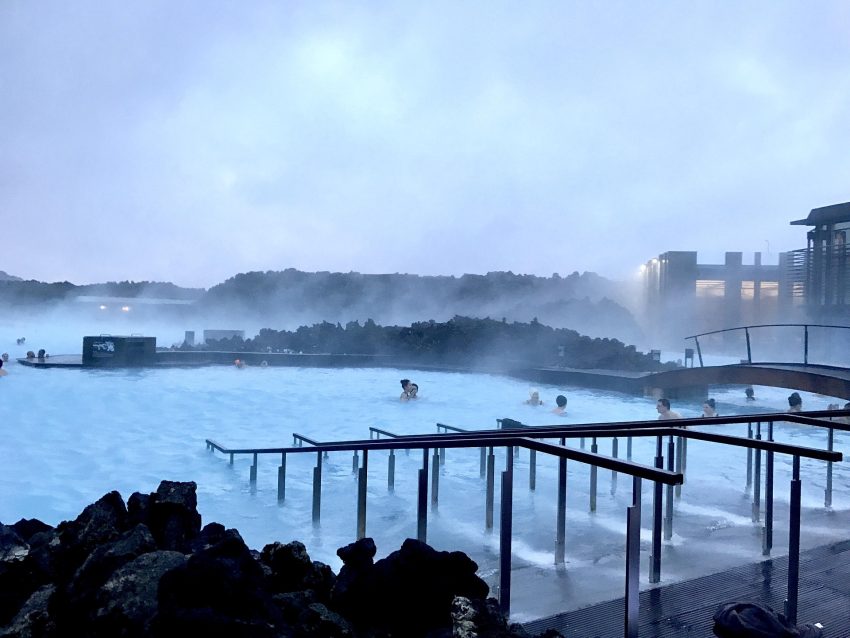
Location: Blue Lagoon, Iceland | Hours: (Summer) June 20 – August 20: 07:00–00:00. (Winter) August 21 – January 31: 08:00–22:00; February 1 – June 19: 08:00–20:00. | Price: From ISK 11,990 | Website | Distance: 38.6km
Visiting Blue Lagoon
3. Silfra Fissure
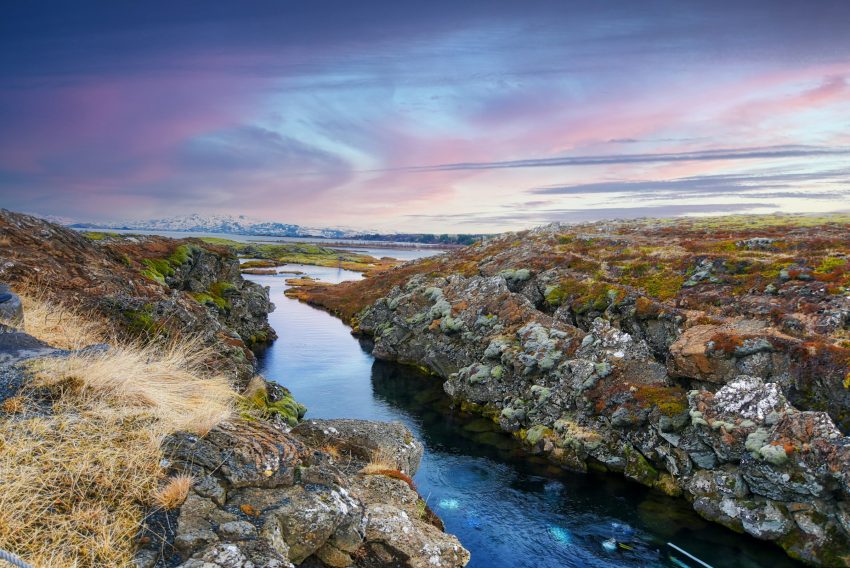
Location: Silfra, Thingvellir National Park, 801 Thingvellir Iceland | Hours: 24 Hours | Price: ISK 1,500 per snorkeler/diver (Silfra fee, typically included in tour price); parking fee at Thingvellir from ISK 1,000 per vehicle/day. | Website | Distance: 41.6km
Visiting Silfra Fissure
4. Thingvellir National Park
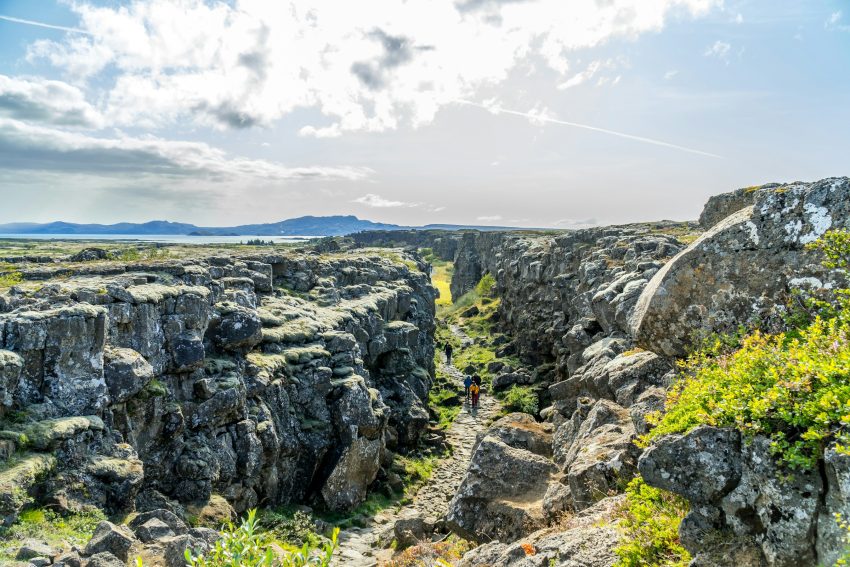
Location: Thingvellir National Park, Selfoss, Iceland | Hours: Visitor Centre: April – October: 09:00–18:00. Visitor Centre: November – March: 09:00–17:00. | Price: Free (parking service fee applies at designated lots; passenger car 1000 ISK/day). | Website | Distance: 44.4km
Visiting Thingvellir National Park
5. Geysir Geothermal Area
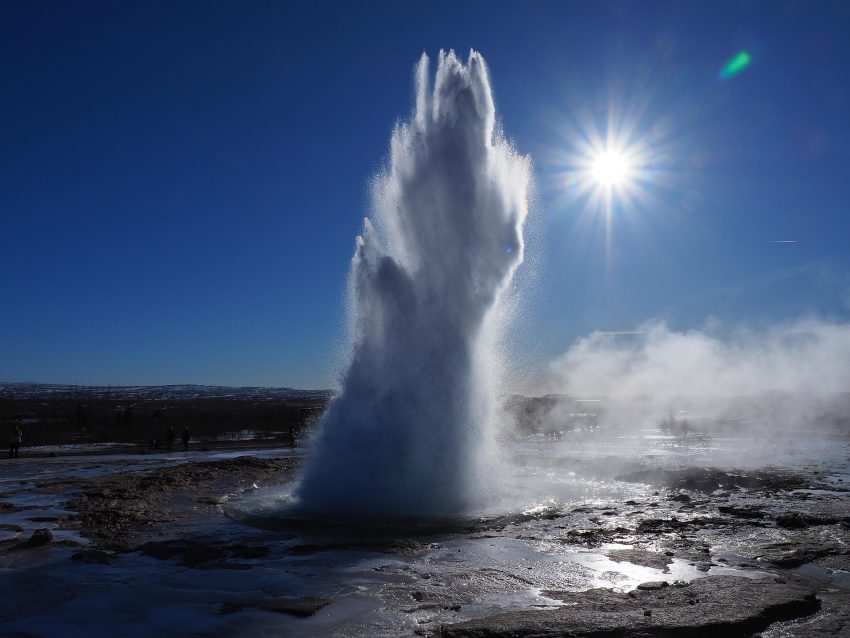
Location: Geysir, Iceland | Hours: 24 Hours | Price: Free | Website | Distance: 81.5km
Visiting Geysir Geothermal Area
6. Gullfoss Waterfall
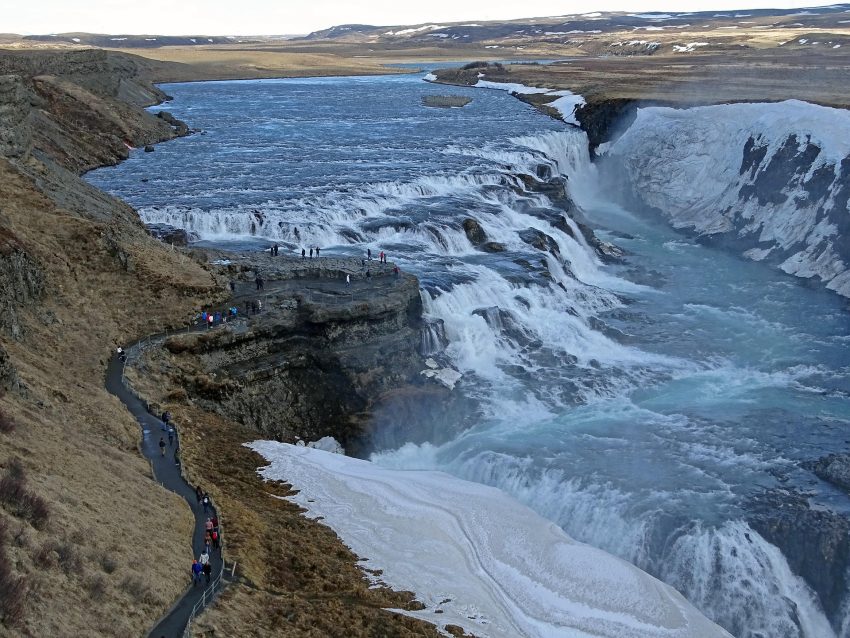
Location: Gullfoss Waterfall, Iceland | Hours: 24 Hoursl; Visitor centre (café/shop/restrooms): Daily 09:30–18:30. | Price: Free. | Website | Distance: 90.2km
Visiting Gullfoss Waterfall
7. Reynisfjara Beach
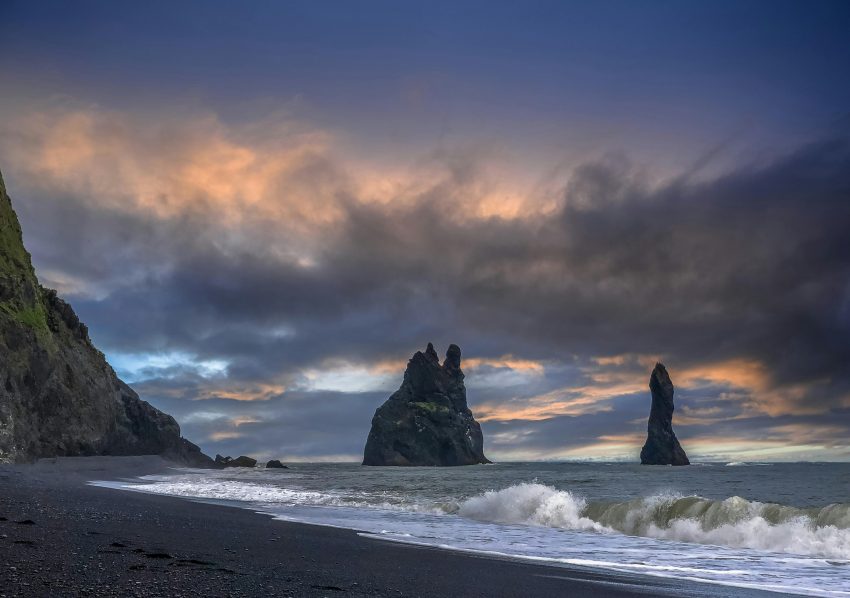
Location: Reynisfjara Beach, Iceland | Hours: 24 Hours | Price: Free | Website | Distance: 163.3km
Visiting Reynisfjara Beach
8. Svartifoss Waterfall
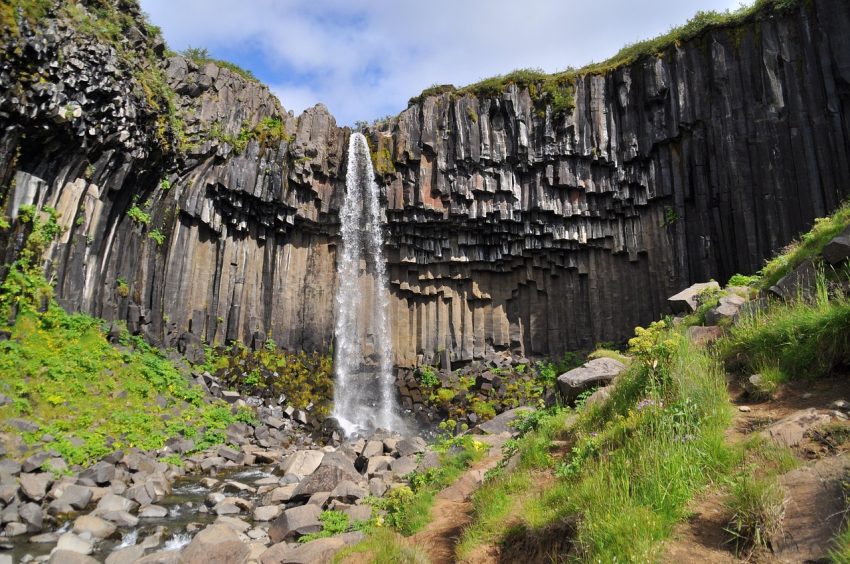
Location: Skaftafell, Skaftafell, Iceland | Hours: 24 Hours | Price: Free; Skaftafell regional parking fee from ISK 1,040 per day (passenger car, 5 or fewer seats). | Website | Distance: 241.2km
Visiting Svartifoss Waterfall
9. Skaftafell
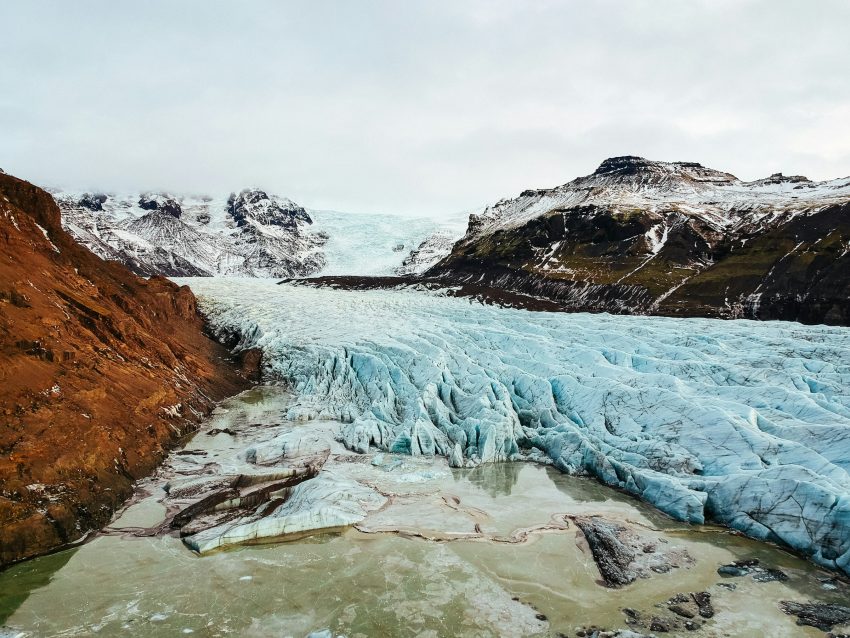
Location: Skaftafell Skaftafellsvegur 785 Iceland | Hours: 1 January – 28 February; 1 December – 31 December: Daily 10:00-17:00. 1 March – 31 May; 1 November – 30 November: Daily 09:00-17:00. 1 June – 31 August: Daily 09:00-19:00. 1 September – 31 October: Daily 09:00-18:00. | Price: Free; regional parking fee from ISK 1,040 per day (passenger car, 5 or fewer seats), valid until midnight. | Website | Distance: 242.7km
Visiting Skaftafell
10. Fjallsárlón Glacier Lagoon
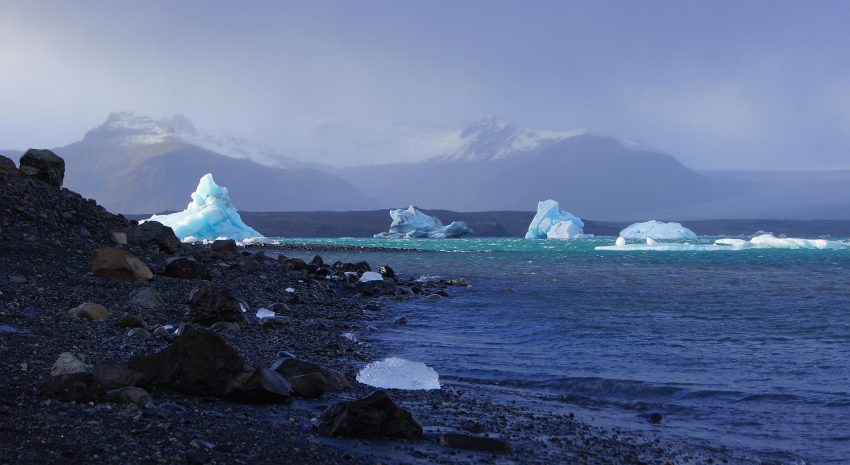
Location: Fjallsárlón, Iceland | Hours: Daily: 09:30–16:00. | Price: Free. | Website | Distance: 270.3km
Visiting Fjallsárlón Glacier Lagoon
11. Jökulsárlón Glacier Lagoon
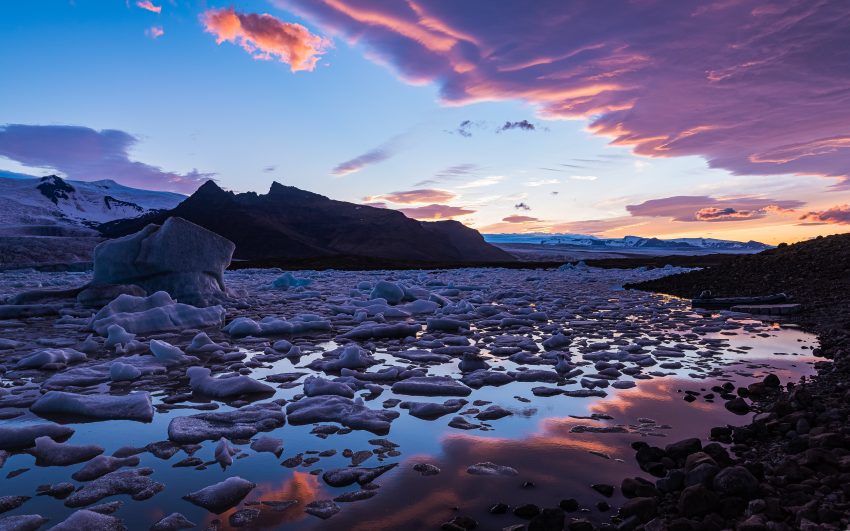
Location: Jökulsárlón, Iceland | Hours: 24 Hours | Price: Free to visit; paid boat tours available. Parking fee applies in the Jökulsárlón area (typically around 1,000 ISK per car, valid until midnight). | Website | Distance: 277.2km
Visiting Jökulsárlón Glacier Lagoon
12. Diamond Beach
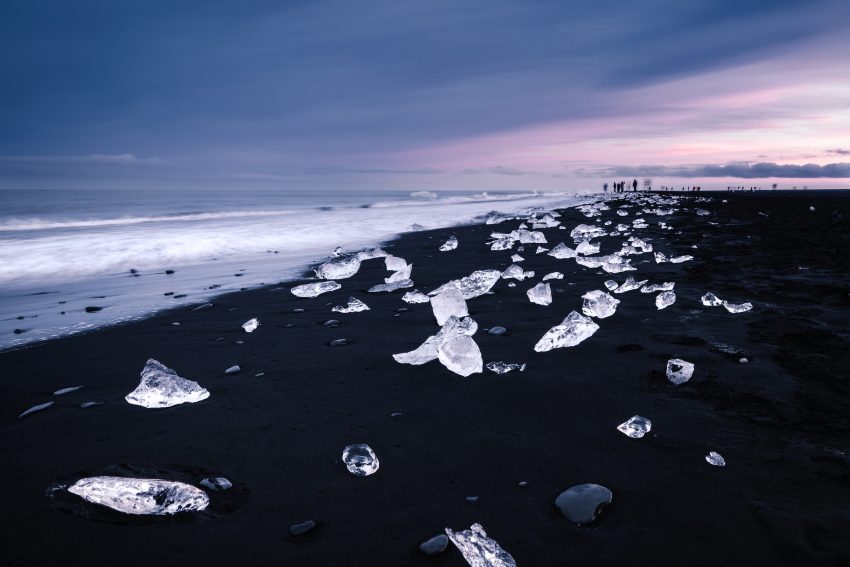
Location: Diamond Beach, Iceland | Hours: 24 Hours | Price: Parking fee (Jökulsárlón area, passenger car up to 5 seats): 1.040 ISK, valid until midnight. | Website | Distance: 280.1km
Visiting Diamond Beach
Where to Stay in Reykjavik
The best area to stay in Reykjavik for most visitors is the 101 city centre (Miðborg), particularly around Laugavegur and the streets leading down toward the harbour, because you can walk to the main sights, restaurants, and cafés, and you will also be well placed for common tour pick-up points. For a central, boutique feel right on the main street, Sand Hotel by Keahotels is a strong option, while Canopy by Hilton Reykjavik City Centre gives you a similarly walkable base with a lively city-centre atmosphere. If you want to be on the quieter upper end of the shopping street but still within easy walking distance of everything, Alda Hotel Reykjavik works well, particularly if you like being close to cafés without being in the middle of late-night noise.
If you prefer to be closer to the waterfront and the Old Harbour vibe, stay around Hafnarstræti and the harbour-side streets, which is convenient for whale-watching departures, sea views, and a slightly more “maritime” feel while still being central. Reykjavik Konsulat Hotel, Curio Collection by Hilton is ideal if you want a polished, central base near Harpa and the harbour, and Berjaya Reykjavik Marina Hotel is a great pick if you like a more characterful harbour setting with easy access to the centre on foot.
Using the our Hotel and Accomodation map, you can compare hotels and short-term rental accommodations in Reykjavik. Simply insert your travel dates and group size, and you’ll see the best deals for your stay.
Reykjavik Accommodation Map
Best Time to Visit Reykjavik
Reykjavík in Spring March to May
Spring in Reykjavík is a shoulder season with fewer crowds and improving daylight, but it can still feel wintry at times, with wind and occasional late cold snaps. It is a good choice if you want better availability and sharper prices than peak summer, while still being able to walk the city comfortably on most days with layers and a waterproof jacket. Festival-wise, late spring can be strong for culture, with the Reykjavík Arts Festival often running from late May into June in years when it is held.
Reykjavík in Summer June to August (Best)
Summer is generally the easiest and most flexible time to visit Reykjavík, with the longest days, the mildest conditions, and the best odds of fitting in late-evening strolls, harbour time, and day trips without feeling rushed. The trade-off is higher demand, so accommodation and popular tours book earlier. If festivals matter, summer is when Reykjavík’s calendar feels most “alive”, with Reykjavík Pride typically in early August and Culture Night in late August, both bringing big street-level energy to the centre.
Reykjavík in Autumn September to November
Autumn is ideal if you prefer a calmer city and a more atmospheric feel, with darker evenings returning and the first real chance of aurora season while you are still close to urban comforts. It is also a strong period for events, especially if you like film and live music, with the Reykjavík International Film Festival typically running from late September into early October and Iceland Airwaves landing in early November. Weather becomes more variable as autumn progresses, so plan your itinerary with buffer time for wind and rain days.
Reykjavík in Winter December to February
Winter is the most dramatic season in Reykjavík, with short daylight, crisp air, and a strong chance of northern-lights conditions on clear nights, balanced against storm risk and frequent wind. It suits travellers who want cosy cafés, geothermal pool time, and a city that feels local and intimate rather than busy. For a festival highlight, the Winter Lights Festival in early February is a standout, with light installations and special evening programming that makes the darker season feel intentional rather than limiting.
Annual Weather Overview
- January 2°C 39°F
- February 2°C 40°F
- March 3°C 40°F
- April 6°C 46°F
- May 9°C 51°F
- June 12°C 57°F
- July 13°C 60°F
- August 13°C 59°F
- September 10°C 53°F
- October 7°C 48°F
- November 4°C 43°F
- December 3°C 41°F
How to get to Reykjavik
Getting to Reykjavik by air
Most visitors fly into Keflavík International Airport (KEF). From there, Reykjavík is roughly a 45 to 60 minute drive depending on conditions and where you are staying.
- Coach transfers: The most common option is an airport coach to Reykjavík (typically to BSÍ Bus Terminal, with add-on hotel drop-offs on some services).
- Public bus option: If you are prioritising cost over speed, Strætó operates Route 55 between KEF and the capital area on a regular schedule.
- Taxi / private transfer: Practical for late arrivals, families, or lots of luggage, but typically the most expensive.
Driving In Iceland
If you are driving in from elsewhere in Iceland, routes are straightforward but conditions can change quickly with wind, rain, ice, and reduced visibility. Build in buffer time, keep your plans flexible, and check conditions before you set off, especially outside summer. Parking is generally easiest in multi-storey garages or designated street bays, and the city centre is very walkable once you arrive. Many travellers pick up a car only for day trips and keep city days car-light to avoid parking friction.
Reykjavík on foot and by city bus
Central Reykjavík is compact and walkable, and Strætó buses cover the wider urban area. If you are using buses frequently, it is worth checking routes and ticketing in advance so you are not problem-solving at the stop.
Reykjavík taxis, tours, and day-trip logistics
Taxis work well for short hops and late nights, while organised tours are the simplest way to reach popular nature sights without driving. Many tours and transfers operate via central pick-up points and hubs such as the BSÍ area, which can be convenient if you choose accommodation nearby.