Novi Pazar, Serbia: The Ultimate Travel Guide 2026
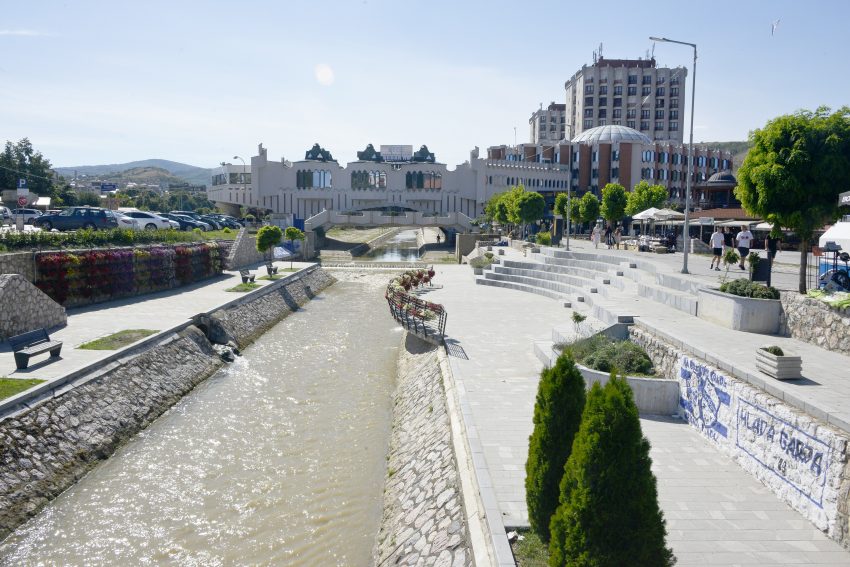
Novi Pazar is a lively, walkable city in southwestern Serbia, set in the Raška region between mountain landscapes and river valleys. It's an easy place to enjoy a few days of café culture, local markets, and a food scene that blends Balkan comfort dishes with strong Ottoman-era influences-without needing a packed itinerary. The central streets feel busiest in the late afternoon and evening, when locals gather for coffee and dessert and the city's social energy is at its peak.
A visit works well if you like mixing urban strolling with short, low-effort excursions. Within a short drive you can reach monasteries, hilltop viewpoints, and peaceful picnic spots, while the city itself offers mosques, churches, and everyday street life that rewards slow exploration. Novi Pazar is also a great base for day trips into nearby mountains, so you can balance culture and nature even on a short stay.
Come with an appetite and a bit of curiosity: browsing bakeries, trying local grilled specialties, and sampling sweets is part of the experience. Even if you don't plan much in advance, Novi Pazar is the kind of place where you can fill your days by simply walking, stopping often, and letting the city's rhythm guide you from landmarks to small shops and back to the main promenade.
History of Novi Pazar
Novi Pazar in the Medieval Era (Before the 15th Century)
The area around Novi Pazar developed in the orbit of medieval Serbian states, shaped by trade routes and fortified settlements that linked inland markets with the Adriatic-facing hinterland. Nearby ecclesiastical centers and noble estates helped anchor the region’s political and religious life, leaving a legacy of monastic culture and stone architecture.
Novi Pazar Under Ottoman Rule (15th–19th Centuries)
Novi Pazar rose to prominence after the Ottoman conquest, expanding as a commercial and administrative town. Ottoman urban planning and institutions influenced its layout and skyline, with mosques, baths, bazaars, and caravan-oriented trade shaping daily life. Over time, the city became known for its multi-confessional character and its role as a regional market hub.
Novi Pazar in the Late Ottoman Period and Shifting Borders (19th–Early 20th Century)
As the Ottoman Empire weakened, Novi Pazar experienced political uncertainty and changing administrative arrangements. The wider region became a focus of international attention, with competing interests and reforms affecting security, trade, and local governance. These decades left a complex social fabric that continued to influence identity and community relations.
Novi Pazar in the Yugoslav Era (1918–1990s)
In the 20th century, Novi Pazar developed within successive Yugoslav frameworks, with modernization affecting education, industry, and infrastructure. Urban growth accelerated, and the city’s role as a regional center strengthened, even as broader political shifts periodically reshaped economic opportunities and migration patterns.
Novi Pazar in Contemporary Serbia (2000s–Today)
In recent decades, Novi Pazar has continued to evolve as a cultural and commercial center, with renewed interest in heritage, local cuisine, and small business. The city’s public spaces and landmarks remain central to civic life, while new development and tourism gradually add to its visibility and visitor appeal.

Moira & Andy
Hey! We're Moira & Andy. From hiking the Camino to trips around Europe in Bert our campervan — we've been traveling together since retirement in 2020!
Visiting Novi Pazar for the first time and wondering what are the top places to see in the city? In this complete guide, I share the best things to do in Novi Pazar on the first visit. To help you plan your trip, I have also included an interactive map and practical tips for visiting!
This website uses affiliate links which earn a small commission at no additional cost to you.
More from this area
Best things to do and See in Novi Pazar
1. Novi Pazar Old Town Walking Loop (City Center Streets)
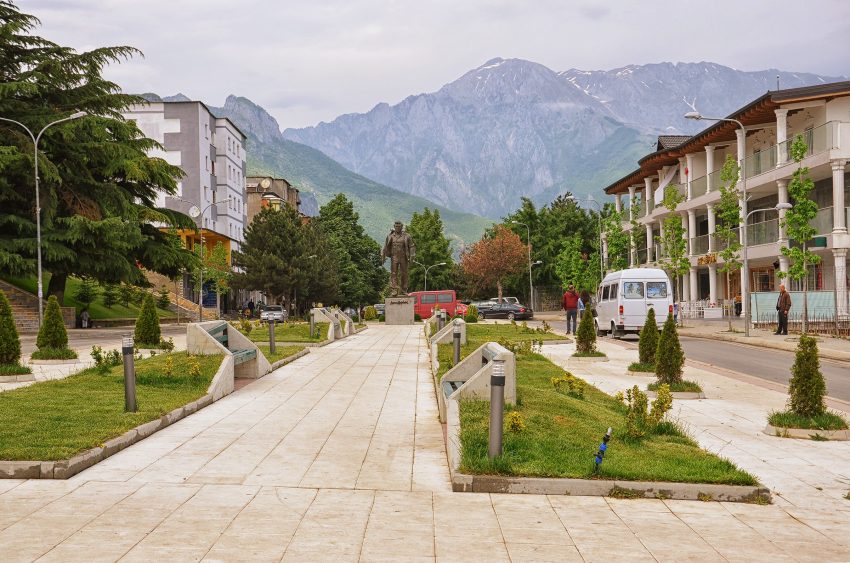
Start with a slow loop through the central streets where Novi Pazar’s everyday life is most visible: cafés, bakeries, small shops, and the steady flow of locals meeting for coffee. The best approach is unhurried—pause often, try a pastry, and watch how the city’s social rhythm builds toward late afternoon.
Architecturally, you’ll notice a mix of styles and eras rather than one single “museum-like” district. This is exactly what makes the walk rewarding: you’re not just ticking off monuments, you’re experiencing a living city center. Cost: free. Suggested time: 1–2 hours.
2. Novi Pazar Altun-Alem Mosque
Altun-Alem Mosque is one of the city’s most important Islamic landmarks and a key stop for understanding Novi Pazar’s cultural character. Its setting and proportions make it a calm place to visit, especially outside peak prayer times when the surrounding streets are quieter.
Dress modestly and be respectful of worshippers; if entry is permitted at the time of your visit, keep voices low and photography discreet. Entry cost: typically free (donations may be welcomed). Opening times: generally daily, outside prayer times; hours can vary.
3. Novi Pazar Fortress (Stari Grad)
The fortress area offers a tangible sense of the city’s layered past and is a good place to break up a day of walking with a short climb and open views. Even if you’re not deeply focused on history, the site works well as a scenic stop and a way to orient yourself geographically.
Visit in the morning or near sunset for softer light and fewer people. Combine it with nearby cafés afterward to make it a relaxed half-day. Entry cost: typically free. Opening times: generally open-access; best visited during daylight.
4. Novi Pazar Museum (Local Heritage Collections)
For context on what you’re seeing around town, the local museum is the most efficient “one-stop” indoor visit. Exhibits commonly cover archaeology, ethnography, and regional material culture, helping you connect monuments and neighborhoods to broader themes.
Allow at least an hour, more if you like reading labels and studying objects closely. Entry cost: usually a modest ticket fee. Opening times: commonly daytime hours, often closed one day per week; confirm locally as schedules can change seasonally.
5. Novi Pazar City Promenade and Café Culture
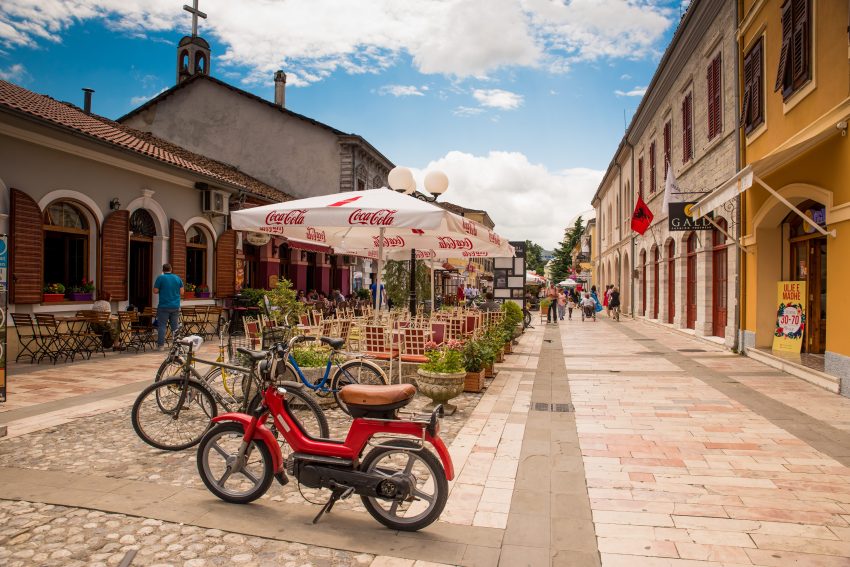
The promenade-style central streets are where Novi Pazar feels most itself—social, conversational, and food-forward. Plan to do this more than once: a daytime pass for shopping and errands, and an evening pass for the full atmosphere.
Order coffee and a local sweet, then repeat somewhere else; the point is comparison and people-watching. This is also where you’ll get the best informal recommendations from locals for what to eat next. Cost: free to stroll; café prices vary. Best time: late afternoon to evening.
6. Novi Pazar Market Browsing (Fresh Produce and Local Goods)
A market visit is one of the quickest ways to understand local tastes—seasonal produce, cheeses, honey, and pantry staples. Go earlier in the day for the fullest selection and the most active trading energy.
Even if you don’t buy much, it’s a great place to pick up edible souvenirs and to see what’s in season. Be prepared for cash-friendly transactions. Entry cost: free. Opening times: typically mornings to early afternoon; exact hours vary.
7. Novi Pazar Sopoćani Monastery (UNESCO-listed site nearby)
Sopoćani is one of the most rewarding short trips from Novi Pazar, offering a quieter, contemplative atmosphere and a strong sense of sacred art and place. The approach itself feels like a transition from city bustle to countryside calm.
Give yourself time to walk the grounds slowly and sit for a few minutes in silence—this is a site that benefits from patience rather than speed. Entry cost: typically free (donations may be welcomed). Opening times: generally daytime visiting hours; confirm locally.
8. Novi Pazar Đurđevi Stupovi Monastery (Hilltop Views)
Perched above the city, Đurđevi Stupovi is a standout for combining heritage with panoramic views. It’s especially good if you want a short outing that feels “bigger” than the time invested—drive up, explore, then linger for the scenery.
Go in clear weather for the best visibility, and bring a light jacket even in warmer months as it can feel breezier on higher ground. Entry cost: typically free. Opening times: generally daytime visiting hours; confirm locally.
9. Novi Pazar River Walk and Green Pockets
For a low-key break between major stops, follow the river-adjacent paths and small green pockets near the center. It’s a simple activity, but it changes the pace of your day and gives you a more local, everyday view of the city.
This is ideal for families, casual joggers, or anyone who wants a calmer hour without committing to a long excursion. Cost: free. Best time: morning or early evening.
10. Novi Pazar Local Food Crawl (Grill, Bakery, and Sweets)
Make one meal into a progressive “crawl”: start with a bakery item, move to a grill specialty, then finish with a dessert and tea or coffee. Novi Pazar is particularly satisfying for this style of eating because the city center is compact and options are close together.
Ask what’s freshest that day and follow the crowd—busy places tend to be busy for a reason. If you’re traveling with others, share dishes so you can try more. Cost: varies by appetite; plan a moderate budget for multiple stops. Best time: late afternoon into evening.