Noto, Italy: The Ultimate Travel Guide 2026
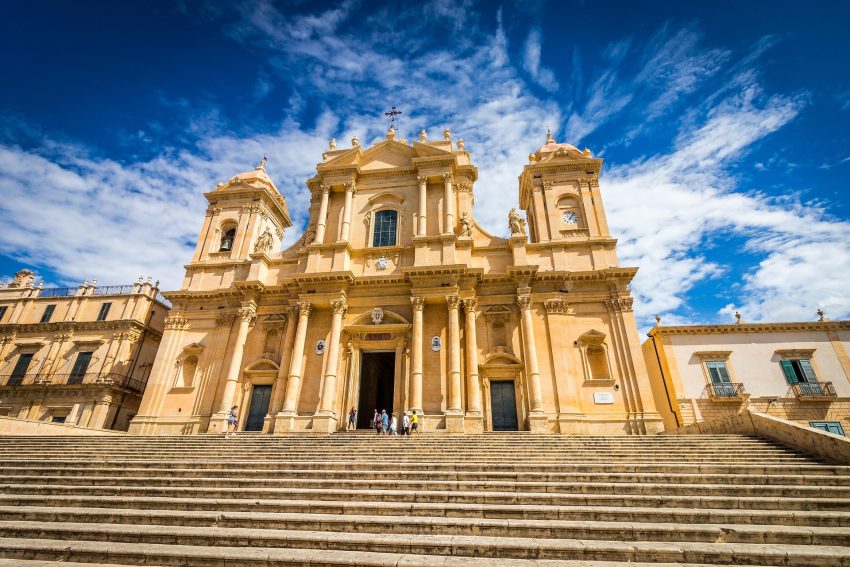
Noto is one of Sicily's most rewarding small cities for travelers who love architecture, food, and an easygoing pace. Set in the Val di Noto area of southeastern Sicily, it's famous for its honey-colored Baroque streetscape that glows at golden hour, with grand churches and palazzi lining a walkable main corso. The city feels elegant but unpretentious, making it ideal for a long weekend or as a base for nearby beaches and nature.
A visit is best enjoyed slowly: start with a morning espresso and pastry, then wander from viewpoint to viewpoint, dipping into ornate interiors and quiet side lanes. Between sightseeing stops, you'll find excellent gelato, almond-based sweets, and restaurants that showcase local produce and seafood. Even without a packed plan, Noto rewards curiosity-small courtyards, carved balconies, and unexpected panoramas appear as you explore.
Beyond the historic center, the surrounding countryside and coast are close enough for easy day trips. You can pair city strolls with a swim at nearby beaches, a walk through a nature reserve, or a tasting at a local winery. It’s a destination that balances culture and relaxation, with plenty to do while still feeling like you’ve escaped the crowds.
History of Noto
### Noto in Antiquity and Early Settlements
The earliest communities connected to Noto developed in the wider Hyblaean landscape, where indigenous Sicel populations and later Greek influence shaped local life. Over time, settlement patterns shifted between defensible high ground and more accessible routes, reflecting changing political pressures and trade networks.
### Noto Under Greek and Roman Influence
As Mediterranean powers expanded, Noto’s surrounding territory was drawn into broader economic and administrative systems. Agricultural production and regional exchange became increasingly important, while governance and infrastructure evolved under successive rulers.
### Noto in the Medieval Period
During the medieval centuries, Noto experienced the typical transitions of southern Italy: shifting feudal control, fortified life, and the growth of ecclesiastical institutions. The town’s strategic value and local autonomy rose and fell with the fortunes of larger kingdoms and noble families.
### Noto and the 1693 Earthquake
A defining turning point came with the catastrophic earthquake of 1693, which devastated many towns in the region. The destruction prompted a decision to rebuild Noto on a new site, enabling a planned urban layout rather than a purely organic medieval street pattern.
### Noto’s Baroque Rebuilding and 18th-Century Flourish
Reconstruction unfolded over decades, producing the cohesive Baroque cityscape that defines Noto today. Architects and craftsmen developed a distinctive local style, using warm limestone and dramatic façades, while churches, civic buildings, and aristocratic residences expressed renewed confidence and patronage.
### Noto from the 19th Century to the Present
Modernization brought social and economic changes, including new transport links and evolving industries. In recent decades, conservation efforts and cultural tourism have helped restore key monuments and revive public spaces, reinforcing Noto’s reputation as a landmark of late Baroque urban design.

Moira & Andy
Hey! We're Moira & Andy. From hiking the Camino to trips around Europe in Bert our campervan — we've been traveling together since retirement in 2020!
Visiting Noto for the first time and wondering what are the top places to see in the city? In this complete guide, I share the best things to do in Noto on the first visit. To help you plan your trip, I have also included an interactive map and practical tips for visiting!
This website uses affiliate links which earn a small commission at no additional cost to you.
Best things to do and See in Noto
### 1. Noto Cathedral (Cattedrale di San Nicolò) in Noto
The cathedral is the city’s visual anchor, and approaching it along the main corso is part of the experience—the steps, the broad square, and the warm stone create a dramatic sense of arrival. Inside, the atmosphere is calmer and more minimal than some Sicilian churches, which makes the scale and light feel especially striking.
Spend time around the cathedral square as well, because the surrounding façades and viewpoints change character throughout the day. Early morning is peaceful, while late afternoon brings the famous golden glow that makes photos look almost cinematic.
**Entry:** typically free (donations appreciated). **Hours:** generally open daily with midday closures common; check posted times on arrival.
### 2. Palazzo Ducezio (Town Hall) in Noto
Facing the cathedral, Palazzo Ducezio is a key stop for understanding Noto’s civic grandeur. The building’s symmetry and elegant rooms give a sense of how the city presented itself during its Baroque rise, and the interior often includes halls used for official functions.
If accessible during your visit, the upper areas and windows can offer excellent views over the main square—great for orienting yourself before continuing your walk. Pair it with a slow circuit of the piazza to appreciate the dialogue between religious and civic architecture.
**Entry:** paid ticket (often a few euros). **Hours:** typically daytime opening with possible breaks; confirm at the door.
### 3. Church of San Carlo al Corso (viewpoint) in Noto
This church is a favorite because it combines ornate Baroque detail with one of the best panoramic viewpoints in town. Climbing up rewards you with a clear look along the main street and across rooftops, especially beautiful near sunset.
Go when the light is softer and the city’s stone turns amber; it’s one of the most memorable “Noto moments.” Afterward, linger nearby for an aperitivo and watch the evening passeggiata begin.
**Entry:** small fee for the viewpoint (commonly a few euros). **Hours:** usually open during the day; closures can occur around services.
### 4. Noto’s Corso Vittorio Emanuele evening passeggiata
The main corso is more than a street—it’s the city’s stage. Walking it slowly lets you appreciate the rhythm of façades, balconies, and staircases, with frequent chances to duck into a church or pause for granita or gelato.
In the evening, the atmosphere becomes social and relaxed, with families and couples strolling and the monuments softly lit. It’s an ideal low-effort activity that still feels distinctly local and memorable.
### 5. Palazzo Nicolaci di Villadorata in Noto
This palace is famous for its extravagant balconies supported by carved figures and decorative flourishes. Even if you only admire it from the street, it’s a highlight of Noto’s sculptural imagination and a must for architecture lovers.
If interiors are open, you’ll get a better sense of aristocratic life and the scale of private wealth that shaped the city’s look. Visit in quieter hours to take your time with details—faces, animals, and swirling motifs appear everywhere.
**Entry:** paid ticket (typically in the low-to-mid euro range). **Hours:** generally open daytime; seasonal variations apply.
### 6. Noto’s Baroque churches circuit (Santa Chiara, San Domenico, and more)
Beyond the headline monuments, Noto’s smaller churches are where you can really feel the city’s cohesion—each has its own façade personality, interior proportions, and decorative choices. Creating a self-guided circuit turns a simple walk into a deeper architectural experience.
Mix major stops with spontaneous ones: step inside when doors are open, listen for the hush, and notice how light falls on stone and plaster. This is also a good rainy-day plan because you can move between interiors without rushing.
**Entry:** often free or donation-based. **Hours:** typically mornings and late afternoons; closures around services are common.
### 7. Noto Antica (the old site) within 10 km of Noto
A short trip takes you to the atmospheric remains associated with the earlier settlement, offering a different perspective from the polished Baroque center. It’s quieter, more rural, and feels like a step into a layered landscape where nature and history overlap.
Go with sturdy shoes and a sense of exploration—this is less about grand monuments and more about mood, views, and imagining how life once clustered around defensible terrain. It pairs well with a picnic or a countryside lunch afterward.
**Entry:** typically free. **Hours:** open access; visit in daylight.
### 8. Vendicari Nature Reserve (Riserva di Vendicari) near Noto
Vendicari is a standout day trip for beaches, coastal walks, and birdlife, with paths that lead through dunes, scrub, and wetlands. It’s ideal if you want a break from stone and streets, and it’s one of the best nearby places for a long, unhurried swim.
Choose a route based on your energy: a short walk to a beach and back, or a longer loop with wildlife viewing. Bring water, sun protection, and snacks, and aim for early morning or late afternoon in warmer months.
**Entry:** small fee may apply depending on access point/season. **Hours:** daytime access; exact times can vary.
### 9. Calamosche Beach (Spiaggia di Calamosche) near Noto
Often considered one of the prettiest nearby coves, Calamosche combines clear water with a sheltered feel. Reaching it involves a walk from the parking area, which helps keep the atmosphere calmer than more roadside beaches.
Plan to stay a while: swim, snorkel close to the rocks, and enjoy the scenery. In peak summer, arrive early to avoid the hottest walk and to secure space on the sand.
**Entry:** generally free (parking may be paid/limited). **Hours:** daylight access.
### 10. Wine tasting in the Noto countryside (within 10 km of Noto)
The countryside around Noto is well suited to relaxed tastings, often combining local varietals with small plates and views over vines and olive trees. A tasting is a great way to slow down after a morning of walking and to connect what you eat in town with where it comes from.
Book ahead when possible, especially in high season, and consider arranging a driver if you plan to sample generously. Many visits include a short tour of the cellar or vineyards, which adds context without requiring deep wine knowledge.
**Cost & hours:** vary by winery and package; tastings are commonly priced per person and run late morning through early evening by reservation.