Livorno, Italy: The Ultimate Travel Guide 2026
Livorno is a lively seaside city on Italy's Tuscan coast, known for its working port energy, waterfront promenades, and a refreshingly local feel compared with some of the region's more polished postcard towns. It's an easy place to enjoy simple pleasures: a stroll along the sea, a coffee in a canal-side square, and a long seafood lunch that leans into the city's maritime identity. If you like destinations that feel real and lived-in-where ferries, fishing boats, and daily life share the same horizon-Livorno delivers.
A great way to experience Livorno is to mix its neighborhoods: wander the canals and bridges of the old quarters, then head out to the coast for dramatic rocks, bathing platforms, and sunset views. The city is compact enough to explore on foot for much of the day, but it also rewards short hops by bus or taxi to reach the best sea viewpoints and nearby green spaces. Food is a major part of the visit, especially the local seafood traditions and market culture.
Livorno also works beautifully as a base for short trips around northern Tuscany, while still offering plenty to do without leaving town. You can spend mornings sightseeing, afternoons by the water, and evenings in relaxed piazzas with aperitivo. It’s a city that’s at its best when you slow down, follow the waterfront, and let the day unfold between canals, markets, and the sea breeze.
Table of Contents
- History of Livorno
- Best things to do and See in Livorno
- Livorno at Terrazza Mascagni
- Livorno along the Canals of Venezia Nuova
- Livorno at Mercato Centrale
- Livorno at Fortezza Nuova
- Livorno at Fortezza Vecchia
- Livorno at the Monumento dei Quattro Mori
- Livorno at Acquario di Livorno
- Livorno at Santuario di Montenero
- Livorno at Cala del Leone and the Rocky Coast
- Livorno for a Day Trip to Pisa
- 10 Best Day Trips from Livorno
- Where to Stay in Livorno
- Best Time to Visit Livorno
- How to get to Livorno
History of Livorno
Livorno in the Medieval Era
Livorno began as a small coastal settlement tied to the fortunes of nearby powers, with early development shaped by maritime needs and defensive concerns. Through the Middle Ages, it remained relatively modest compared with larger regional centers, but its strategic coastal role gradually increased its importance.
Livorno under the Medici: Port City Transformation (16th–17th Centuries)
A major turning point came when the Medici invested heavily in turning Livorno into a modern port. Fortifications, docks, and planned urban areas were developed to support trade and naval activity. Policies encouraging merchants and skilled newcomers helped the city grow quickly, creating a more cosmopolitan character than many comparable Italian cities of the time.
Livorno and the Age of Commerce (18th Century)
As trade networks expanded, Livorno benefited from its role as a commercial hub. Warehouses, customs activity, and shipping-related industries shaped daily life, while the city’s social fabric reflected a mix of communities connected to maritime commerce.
Livorno in the 19th Century: Modernization and New Ideas
The 1800s brought political change and modernization, including improvements in infrastructure and urban services. Like many Italian cities, Livorno experienced shifting governance and social movements, with port labor and maritime trade continuing to influence its economy and identity.
Livorno in the 20th Century: War, Reconstruction, and Industry
The 20th century brought severe disruption during wartime, followed by reconstruction that reshaped parts of the urban landscape. In the post-war decades, industrial activity and port operations remained central, while the city also developed a stronger relationship with leisure along the seafront.
Livorno Today: A Working Port with Cultural Life
In recent decades, Livorno has balanced its role as a major port with a growing focus on culture, events, and waterfront enjoyment. The city’s identity remains closely tied to the sea, expressed through food traditions, neighborhood life, and the constant movement of ships in and out of the harbor.

Moira & Andy
Hey! We're Moira & Andy. From hiking the Camino to trips around Europe in Bert our campervan — we've been traveling together since retirement in 2020!
Visiting Livorno for the first time and wondering what are the top places to see in the city? In this complete guide, I share the best things to do in Livorno on the first visit. To help you plan your trip, I have also included an interactive map and practical tips for visiting!
This website uses affiliate links which earn a small commission at no additional cost to you.
Best things to do and See in Livorno
1. Livorno at Terrazza Mascagni
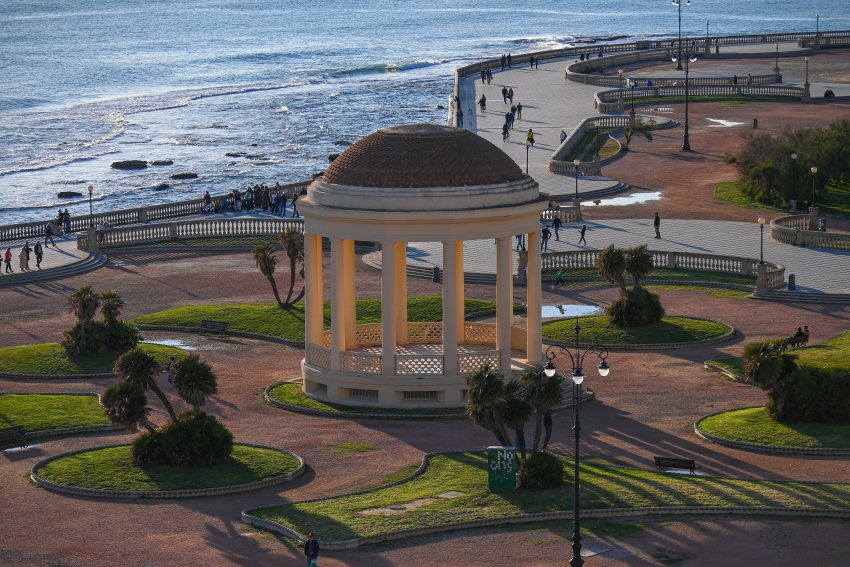
Terrazza Mascagni is the city’s signature seafront promenade, famous for its black-and-white checkerboard paving and wide-open views over the water. It’s the kind of place that instantly sets the tone for Livorno: breezy, maritime, and made for slow strolling.
Come in the morning for a calm walk and photos with softer light, or in the evening when locals gather for a passeggiata and the sea turns dramatic at sunset. There’s no entry fee and it’s open at all times.
2. Livorno along the Canals of Venezia Nuova
Venezia Nuova is the canal district where bridges, waterside buildings, and small squares create some of Livorno’s most atmospheric scenery. Walking here gives you a strong sense of the city’s relationship with trade and the water—without needing a museum to explain it.
Aim to explore at a relaxed pace, stopping for coffee or an aperitivo near the canals. It’s especially enjoyable in late afternoon when the light reflects off the water and the neighborhood feels most alive. No entry fee; open at all times.
3. Livorno at Mercato Centrale
Mercato Centrale is a must for food lovers: a busy indoor market where locals shop for seafood, produce, and Tuscan staples. Even if you’re not cooking, it’s a great place to understand the city’s everyday rhythms and its strong culinary identity.
Go hungry and plan to linger—many visitors come for the atmosphere as much as the ingredients. Entry is free; typical opening hours are mornings and early afternoons, with closures varying by day and season.
4. Livorno at Fortezza Nuova
Fortezza Nuova is a historic fortification area that today feels like a green, water-edged park within the city. It’s a pleasant contrast to the busy streets, offering shaded paths and a calmer pace while still being close to central sights.
It’s ideal for a midday break, a short walk, or a quiet moment after exploring the canal district. Entry is generally free when accessible, and it’s typically open during daytime hours.
5. Livorno at Fortezza Vecchia
Fortezza Vecchia sits near the port and is one of the city’s most striking historic structures, with layers of construction that reflect Livorno’s long maritime importance. Visiting gives you a strong sense of how the city once defended and managed its harbor.
Access can depend on events and port-area arrangements, so it’s smart to check locally on the day. When open to visitors, there may be a modest entry fee, and hours usually follow daytime schedules.
6. Livorno at the Monumento dei Quattro Mori
The Monumento dei Quattro Mori is one of Livorno’s most recognizable landmarks and a popular meeting point. It’s a quick stop, but it’s worth it for understanding local symbolism and for the classic photos with the harbor backdrop.
Because it’s outdoors, you can visit anytime, and it pairs well with a walk between the port area and the canal district. No entry fee; open at all times.
7. Livorno at Acquario di Livorno
The Acquario di Livorno is a family-friendly stop on the seafront, offering exhibits that focus on marine life and aquatic environments. It’s a good option when the weather turns windy or if you want a break from walking.
Expect to spend around 1–2 hours depending on interest. Tickets are paid (prices vary by season and discounts), and typical opening hours are daytime with extended hours in peak periods.
8. Livorno at Santuario di Montenero
The Santuario di Montenero sits on higher ground above the city and is one of the best places nearby for panoramic views. The atmosphere is calmer and more contemplative, making it a rewarding contrast to the port-side bustle.
You can reach it by car, taxi, or local transport depending on schedules, and it’s especially beautiful on clear days. Entry is generally free; opening hours typically follow daytime church visiting times.
9. Livorno at Cala del Leone and the Rocky Coast
For a more nature-forward experience, head to the rocky coastline south of the city for coves and swimming spots like Cala del Leone. The scenery here is rugged and photogenic, with clear water on good days and a wilder feel than sandy beach resorts.
Wear sturdy shoes for the approach and bring water, especially in summer. There’s no entry fee and it’s accessible at all times, but conditions can change with waves and wind.
10. Livorno for a Day Trip to Pisa (within 10 km)
Pisa is close enough to feel like an easy extension of a Livorno stay, whether you go for the iconic Leaning Tower area or simply to wander along the river and explore quieter streets. It’s a convenient way to add a world-famous sight without changing hotels.
Go early to avoid crowds at the main monuments, then spend the rest of the time exploring beyond the busiest squares. Costs depend on what you enter (monument tickets are paid), and opening times vary by site, generally daytime.