National Ethnographic Museum, Berat
Museum in Berat
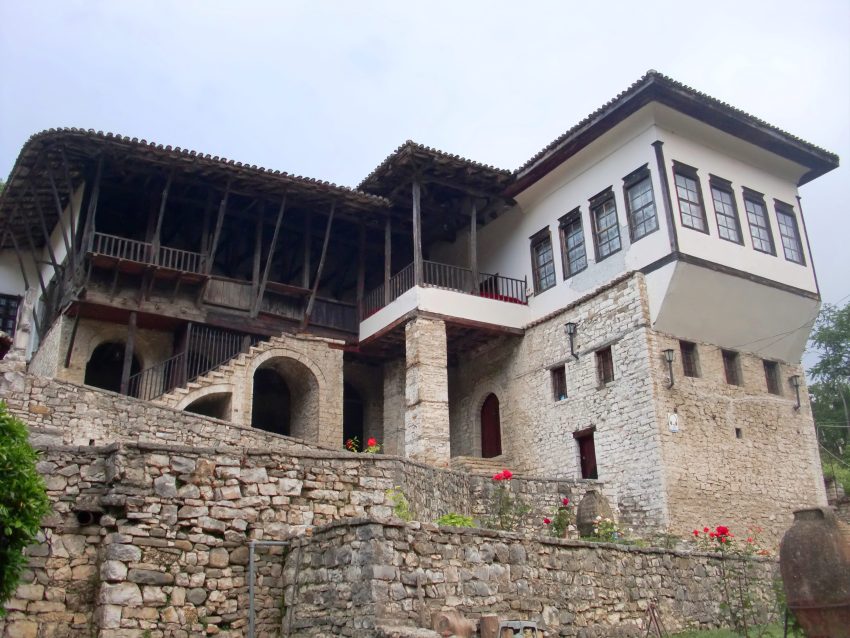
The National Ethnographic Museum in Berat, Albania is a small cultural museum housed in an 18th-century stone residence in the city's historic lower quarter. It focuses on traditional domestic life, crafts, and the layout of an Ottoman-era home. The building itself is part of the experience, with thick stone walls, carved wood details, and rooms arranged to show how a prosperous family lived and worked.
Visitors notice the recreated bazaar display on the ground floor, the household rooms upstairs, and the courtyard objects tied to everyday work. It is best for travellers who like architecture, local craft traditions, and museums that can be seen in a short stop. Those wanting a larger collection or a high-energy sightseeing experience may find it modest, but it gives a clear picture of Berat’s older way of life.
Table of Contents
- History and Significance of the National Ethnographic Museum
- Things to See and Do in the National Ethnographic Museum
- How to Get There
- Practical Tips on Visiting the National Ethnographic Museum
- Where to Stay close to the National Ethnographic Museum
- Is the National Ethnographic Museum Worth Visiting?
- FAQs for Visiting
History and Significance of the National Ethnographic Museum
The museum opened in 1979 within a beautifully preserved 18th-century Ottoman-style residence. Once home to a prosperous merchant family, the building itself is a major exhibit, reflecting the wealth, craftsmanship, and architectural traditions of its time. Its sturdy stone construction, decorative wooden features, and well-planned layout typify Berat’s historical homes and demonstrate how local builders balanced elegance with practicality.
The museum was created to document and celebrate the cultural heritage of Berat and the surrounding region. Its exhibits were sourced from rural homes, artisan workshops, and local families, ensuring that each piece reflects genuine historical use. By situating these objects within reconstructed living and working spaces, the museum provides an immersive experience that bridges past and present, helping preserve a way of life that was rapidly disappearing during the 20th century.
Over the decades, the museum has become a cornerstone of Berat’s cultural identity. It offers insight into the economic, social, and artistic traditions that shaped the city, from domestic routines to artisanal craftsmanship and agricultural practices.
Things to See and Do in the National Ethnographic Museum
The ground floor is designed as a replica of a medieval bazaar, complete with stalls displaying embroidery, woodcarving, metalwork, and other crafts central to Berat’s artisanal economy. Tools, finished products, and traditional materials provide a vivid picture of daily life in the old market, where guilds and artisans once played a vital role in the city’s prosperity.
Upstairs, the museum reveals the intimate side of traditional Albanian living. Rooms are arranged to resemble a typical 18th- or 19th-century household, including a loom room for weaving, a cosy sitting room, and a fully equipped kitchen. Authentic furniture, textiles, and household objects recreate the atmosphere of a working family home, offering a glimpse into everyday routines and family customs.
Outside, the courtyard adds another dimension to the experience. Its stone water well, olive press, wool press, and large ceramic dishes illustrate the agricultural and domestic activities that sustained households across the region. The courtyard's tools and layout help contextualise the relationship between home life and rural labour in historical Berat.
How to Get There
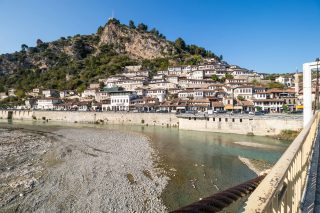
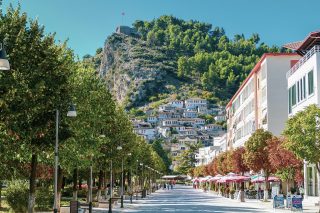
The National Ethnographic Museum is located in the lower historic district of Berat, within easy walking distance of Boulevard Republika, the Gorica Bridge, and the Mangalem Quarter. Travellers flying into Albania generally arrive at Tirana International Airport before continuing on to Berat. For the best deals and a seamless booking experience, check out these flights to Berat on Booking.com.
If driving, you can park near the riverfront or in the streets below the museum before walking up the short incline to the entrance. If you are looking to rent a car in Albania I recommend having a look at Discover Cars, first, as they compare prices and review multiple car rental agencies for you.
Practical Tips on Visiting the National Ethnographic Museum
- Best time to visit: Late morning or early afternoon for good lighting indoors and in the courtyard.
- Entrance fee in Euros: A small fee applies; usually just a few euros.
- Opening hours: Typically open daily during standard museum hours; seasonal variations may occur.
- Official website: No dedicated site; information available through local tourism platforms.
- How long to spend: Around 45 minutes to one hour for a full visit.
- Accessibility: Upper floors reached by stairs; uneven floors may pose challenges.
- Facilities: Limited facilities on-site; cafés and shops nearby.
- Photography tip: Capture the carved wooden ceilings and bazaar stalls in soft natural light.
- Guided tours: Local guides can offer deeper insight into the building’s history and exhibits.
- Nearby food options: Restaurants and cafés along Boulevard Republika are only a short walk away.
Where to Stay close to the National Ethnographic Museum
For an authentic stay near the museum, Hotel Mangalemi offers traditional architecture and local charm. For modern comfort within easy reach of the museum and riverfront, Hotel Rezidenca Desaret is a popular choice with scenic terraces. Another option is Hotel Vila Aleksander, set in a historic building with warm interiors and excellent views.
Is the National Ethnographic Museum Worth Visiting?
Yes. The museum provides an engaging, atmospheric look into the daily rhythms, craftsmanship, and cultural heritage of Berat’s past. Whether you’re interested in traditional architecture, rural traditions, or local crafts, the museum offers a rich and memorable experience.
What Other Travellers Say...
Muzeu Kombëtar Ikonografik Onufri sits within Berat Castle and displays Byzantine icons and religious objects in a church setting; visitors praise its rich, well‑preserved collection and ornate altar screen, note that an audio guide (with music) adds depth though it can be detailed for casual visitors, and recommend it as a worthwhile stop when exploring the castle—be aware lighting can affect visibility on occasion.





FAQs for Visiting
The National Ethnographic Museum appears in our Complete Guide to Visiting Berat!

Moira & Andy
Hey! We're Moira & Andy. From hiking the Camino to trips around Europe in Bert our campervan — we've been traveling together since retirement in 2020!
This website uses affiliate links which may earn a commission at no additional cost to you!
Nearby Attractions
- King's Mosque Berat (0.3) km
Mosque - Mangalemi quarter (0.3) km
Area - Bachelors' Mosque Berat (0.3) km
Mosque - Ruins of the Red Mosque (0.4) km
Historic Building - St. Michael’s Church (0.4) km
Church - The Ruins of the White Mosque (0.5) km
Historic Building - Berat Iconography Museum (0.5) km
Museum - Berat Castle (0.5) km
Castle - Holy Trinity Church (0.5) km
Church - Monument of Constantine the Great (0.5) km
Monument