Self-Guided Walking Tour of Strasbourg (with Maps!)
This website uses affiliate links which earn a small commission at no additional cost to you.
Strasbourg is a city that rewards slow travel: bridges, canals, half-timbered streets, and landmark squares appear in quick succession, yet everything feels walkable and cohesive. On this self-guided route you can stitch the headline sights together without rushing, while still leaving space for detours into quieter lanes and riverside views.
This is also one of the easiest places to explore without a strict schedule. You can start wherever is closest to your accommodation, loop back naturally, and build your own pace around coffee stops, market browsing, or a long lunch. It’s an ideal format if you want structure, but not a tour-group tempo.
If you're trying to cover the best things to see in Strasbourg in a single day, a walking itinerary is the most efficient way to do it. The route keeps you in the most atmospheric areas, brings you past the unmissable landmarks, and helps you avoid doubling back.
Table of Contents
- How to Get to Strasbourg
- A Short History of Strasbourg
- Where to Stay in Strasbourg
- Your Self-Guided Walking Tour of Strasbourg
- Place Kléber
- Aubette Building
- Rue des Grandes Arcades
- Place Gutenberg
- Rue Mercière
- Place de la Cathédrale
- Maison Kammerzell
- Cathédrale Notre-Dame de Strasbourg
- Musée de l’Œuvre Notre-Dame
- Palais Rohan
- Historical Museum
- Musée Alsacien
- Cave des Hospices de Strasbourg
- Pont Couverts
- Barrage Vauban
- Musée d’Art Moderne et Contemporain
- Petite France
- Église protestante Saint-Pierre-le-Jeune
- Place Broglie
How to Get to Strasbourg
By Air: Strasbourg Airport (SXB) is the closest option, with straightforward connections into the city, while EuroAirport Basel-Mulhouse-Freiburg (BSL/MLH) can be a useful alternative if flights are cheaper or schedules suit you better. From Strasbourg Airport you'll typically connect onward by train/shuttle into central Strasbourg, then continue on foot or by tram to your hotel. For the best deals and a seamless booking experience, check out these flights to Strasbourg on Booking.com.
By Train: Strasbourg is exceptionally convenient by rail, with frequent services linking it to major French cities and fast international routes via nearby hubs. The main station (Gare de Strasbourg) is walkable to the historic centre for confident walkers, and it's also well linked by tram if you want to save your steps for the old streets and canal paths. You can use SNCF Connect to check schedules, compare routes, and purchase tickets for National (SNCF ) and regional trains (TER). For a more streamlined experience, we recommend using Omio, which allows you to easily compare prices, schedules, and book tickets for both National and Regional travel across all of Europe, all in one place.
By Car: Driving works well if you're combining Strasbourg with Alsace villages or the wider region, but the historic core is best handled on foot and by tram. Plan to use a hotel with parking or a nearby public car park, then treat your car as “stored” for the walking-tour day so you're not navigating one-way systems and limited-access zones. If you are looking to rent a car in France I recommend having a look at Discover Cars, first, as they compare prices and review multiple car rental agencies for you.
By Bus: Long-distance coaches can be a budget-friendly way to arrive, particularly from nearby cities and cross-border destinations. Coach stops are usually connected onward by tram or a short taxi ride, and once you’re checked in centrally you can run the full route entirely on foot.
Getting around the city: Strasbourg’s trams and buses are simple to use and helpful for bridging the gap between the station/outer districts and the centre, but the main sights are compact enough that you’ll mostly walk. Comfortable shoes matter more than anything else, and it’s worth planning a flexible loop so you can pause for cafés, viewpoints, or museum time without feeling “behind schedule.”
A Short History of Strasbourg
Strasbourg in Roman Times and the Early City
Strasbourg’s roots go back to the Roman period, when a military presence helped establish the settlement’s strategic importance. Over time, the early town grew into a regional centre, setting the foundations for the later medieval city that still shapes the street plan and key routes through the old core.
Medieval Strasbourg and the Rise of a Civic Power
In the Middle Ages, Strasbourg developed into a prosperous, self-confident city with strong civic institutions and a distinctive urban identity. Trade and craft guilds shaped daily life, while ambitious building projects transformed the skyline and public spaces, leaving a legacy of grand churches, squares, and richly detailed architecture.
Strasbourg in the Renaissance and Reformation Era
The Renaissance brought cultural energy and new ideas, and Strasbourg became closely associated with religious and intellectual change. This period sharpened the city's role as a place of debate, learning, and publishing, while wealth from commerce continued to feed construction and embellishment across prominent streets and façades.
Strasbourg Under Shifting Borders and Modern Transformation
In the modern era, Strasbourg experienced repeated political and cultural transitions that influenced language, administration, and civic life. The city modernised its infrastructure, expanded beyond the old core, and developed the transport and public spaces that make it so accessible today, while maintaining a strong attachment to its historic centre.
Contemporary Strasbourg and a City Shaped by Heritage
Today Strasbourg balances lived-in neighbourhoods with carefully protected heritage, so you can move quickly from monumental landmarks to intimate lanes and canalside corners. Its historic fabric isn't a museum piece; it's the stage-set for everyday life, which is exactly why exploring on foot feels so rewarding.
Where to Stay in Strasbourg
To make the most of visiting Strasbourg and this walking tour then you consider stay overnight at the centre, so you can start early, take breaks whenever you want, and finish the route without thinking about transport. The Grande Île (historic core) is the most convenient base: you'll be close to the main sights, the prettiest evening atmosphere, and the easy “start anywhere” logic that suits a self-guided route. Good choices here include Hôtel Gutenberg and Hôtel & Spa Régent Petite France for a classic, walk-out-the-door location.
Petite France is ideal if you want postcard scenery right outside your hotel, with canals, bridges, and half-timbered streets that feel especially magical early and late in the day. It's still central, but often calmer once day-trippers thin out, and it puts you in a strong position for a circular route through the old town. Consider Hotel Hannong and BOMA easy living hotel as solid bases for comfort and quick access.
If you prefer a slightly more local feel while staying close, the area around Place Kléber and the shopping streets keeps you central for the walking tour while offering fast connections to the station and trams. This works well if you’re arriving by train and want minimal luggage handling, or if you like having lots of dining options within a few minutes’ walk. Options to check include Maison Rouge Strasbourg Hotel & Spa and Hôtel Kaijoo by HappyCulture.
For a quieter stay with good value, look just outside the core in districts that still let you walk in quickly or hop a tram for one stop. You’ll often get more space, easier parking options, and a calmer night’s sleep, while keeping the walking tour simple to start and finish. A practical base could be OKKO Hotels Strasbourg Centre if you don’t mind a short tram ride to the very centre.
Your Self-Guided Walking Tour of Strasbourg
Discover Strasbourg on foot with our walking tour map guiding you between each stop as you explore its standout sights. As this is a self guided walking tour, you are free to skip places, and take coffee stops when ever you want!
1. Place Kléber
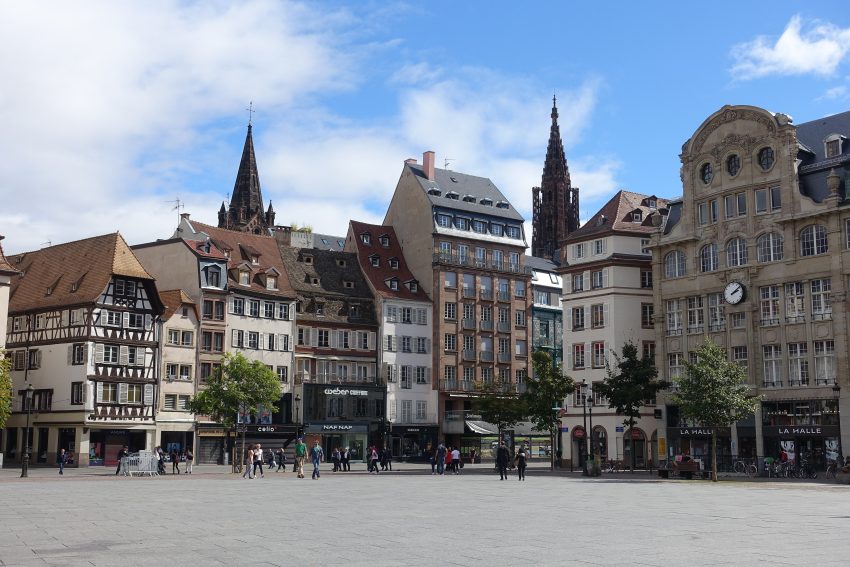
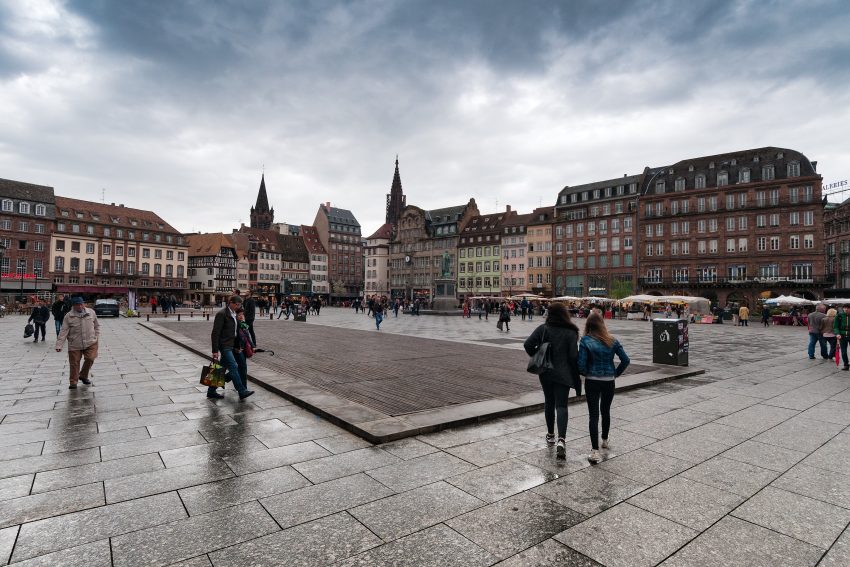
Place Kléber is Strasbourg’s main civic square, shaped largely by the city’s 18th-century rebuilding and later remodelling. Its scale and centrality made it the obvious stage for everything from markets to public celebrations, and it still functions as the city’s “front room.”
What to see starts with the broad, open space itself: the sightlines, the façades, and the constant movement between the old centre and the main shopping streets. It’s also a practical orientation point because so many routes through the centre naturally funnel past it.
Look closely at the built edge of the square: the mix of formal stone architecture and commercial frontages tells you a lot about Strasbourg’s shift from fortified medieval city to modern regional capital. L’Aubette on the square is the standout for architecture and interiors.
Location: Pl. Kléber, 67000 Strasbourg, France | Hours: 24 Hours. | Price: Free.
2. Aubette Building
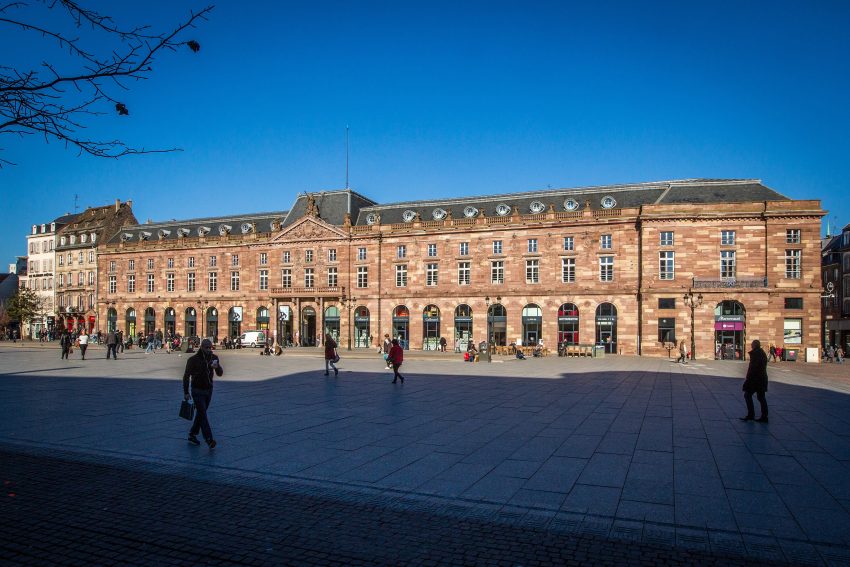
L’Aubette was built on Place Kléber in the late 18th century, on a site with older religious and military associations, and it long had a public, multifunctional role in the city. It’s historically notable both for its architecture and for what came later inside it.
In the 1920s, parts of the interior were transformed into a bold, avant-garde “total artwork” by leading modern artists. That layer gives the building a second life story: not just a civic shell, but a landmark of early modern design.
When you visit, focus on the contrast: restrained 18th-century exterior versus the radical interior concept. Even if you only dip in briefly, it’s one of the clearest places in Strasbourg to see how the city holds French classical planning and experimental modernism side by side.
Location: 31 Pl. Kléber, 67000 Strasbourg, France | Hours: Wednesday – Saturday: 14:00–18:00. Closed on Monday, Tuesday, Sunday. | Price: Free. | Website
3. Rue des Grandes Arcades
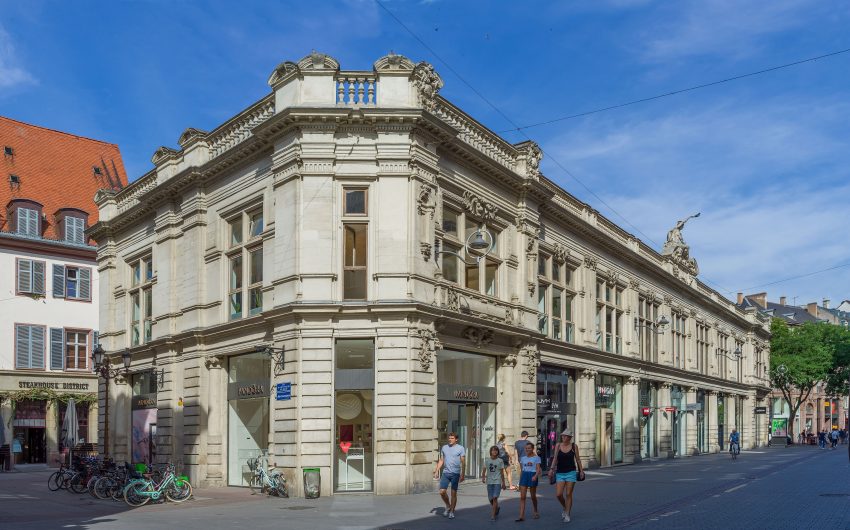
Rue des Grandes Arcades is one of the classic commercial axes of central Strasbourg, running through the historic core where medieval street patterns were later adapted for modern retail life. The name reflects its arcaded character and the tradition of sheltered shopping streets in Alsatian cities.
What you “see” here is less a single monument than the lived texture of the centre: shopfronts set into older building lines, the steady pedestrian flow, and the way the street links major squares. It’s useful for understanding how the Grande Île functions day to day as a working city centre, not a museum set.
If you want the historic read, glance upward. The higher storeys and rooflines often preserve older proportions even where ground floors have been modernised, and the street’s continuity makes it a good place to feel the scale of the old city between its larger set-piece squares.
Location: Rue des Grandes Arcades, 67000 Strasbourg, France | Hours: 24 Hours. | Price: Free.
4. Place Gutenberg
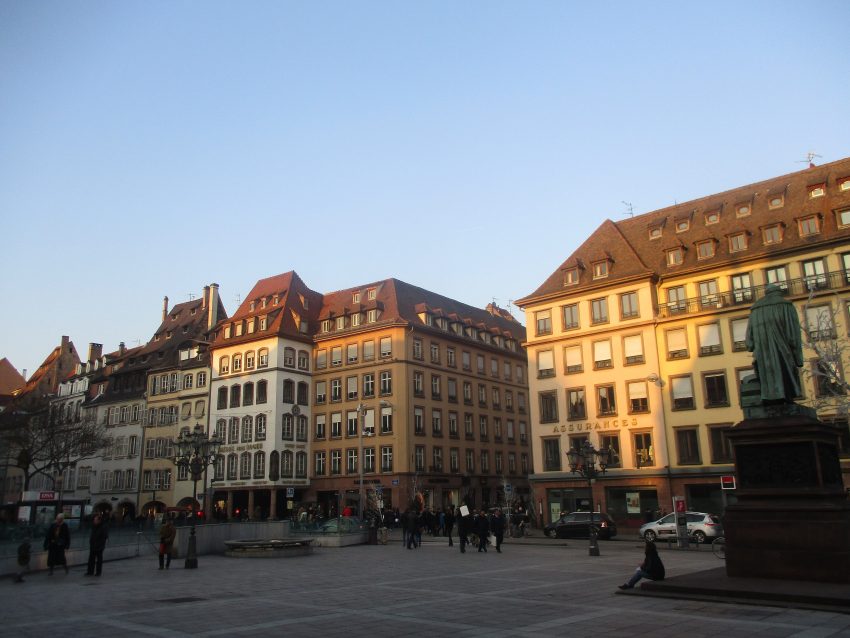
Place Gutenberg has been an important urban space since the Middle Ages, tied to Strasbourg’s civic identity as a free city and to its later reputation as a centre of printing and ideas. It’s the kind of square whose importance comes from accumulated layers rather than a single event.
The obvious focal point is the Gutenberg statue, unveiled in 1840, which anchors the square’s theme of print culture and communication. It’s a quick, legible piece of symbolism: Strasbourg presenting itself as a city of learning and public life.
Spend time here by using it as a pause between bigger sights: it’s close to the cathedral area, but typically calmer. Notice how the surrounding streets pull you toward the older core, and how the square’s scale suits street cafés and lingering, which is exactly what good civic squares were designed to encourage.
Location: Pl. Gutenberg, 67000 Strasbourg, France | Hours: 24 Hours. | Price: Free.
5. Rue Mercière
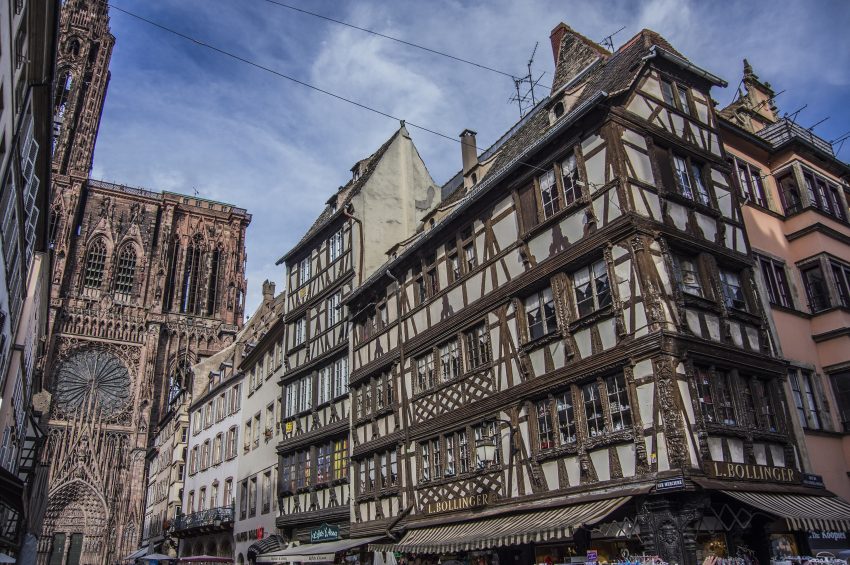
Rue Mercière is one of Strasbourg’s classic “approach streets” to the cathedral area, historically tied to commerce and the dense fabric of the old town. Streets like this were the economic capillaries of medieval cities: narrow, active, and shaped by foot traffic long before cars existed.
What to see is the reveal effect as you move toward the cathedral: the street’s tighter scale makes the cathedral feel even more monumental when it comes into view. Along the way, the façades and shopfront rhythm give you a sense of how older buildings were adapted for trade over centuries.
If you want to keep it grounded, treat it as a texture stop: look for the mix of older upper-storey construction with modern ground-floor uses. The real value is how it demonstrates the living continuity of the historic centre.
Location: Rue Mercière, 67000 Strasbourg, France | Hours: 24 Hours. | Price: Free.
6. Place de la Cathédrale
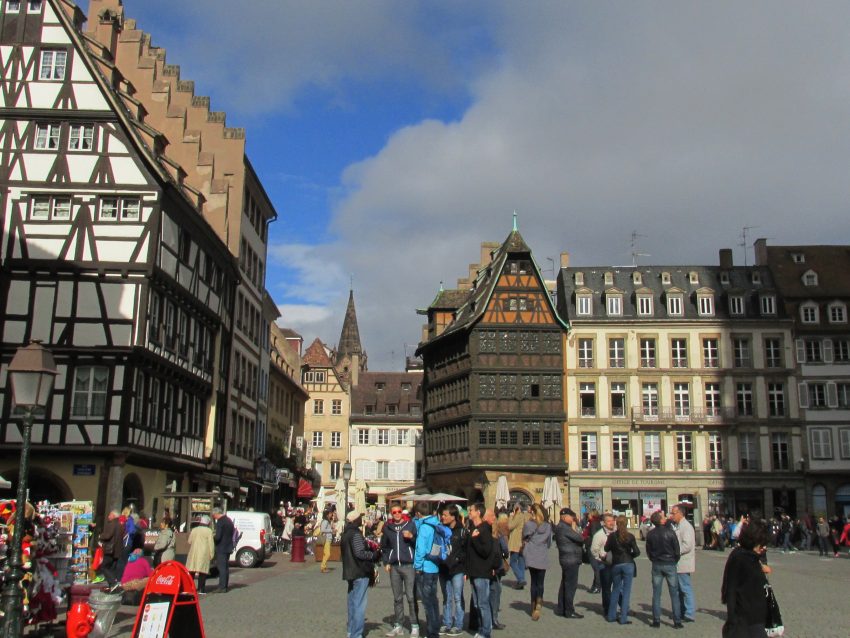
Place de la Cathédrale is the principal forecourt of Strasbourg Cathedral and the natural gathering space for the historic centre. Squares like this exist because big churches needed breathing room: space for processions, markets, and the daily crowd drawn to a city’s main landmark.
The main “sight” is the cathedral’s west front dominating the square, but the square itself matters: it gives you the correct distance to read the façade’s verticality and sculptural density. It’s also where you feel the cathedral as a civic object, not just a religious one.
Take in the edges of the square too, especially the surviving historic buildings that frame the space and reinforce how tightly woven the old city is. In Strasbourg, the contrast between the cathedral’s pink sandstone and nearby timber-framed buildings is part of the visual signature of the centre.
Location: Pl. de la Cathédrale, 67000 Strasbourg, France | Hours: 24 Hours. | Price: Free.
7. Maison Kammerzell
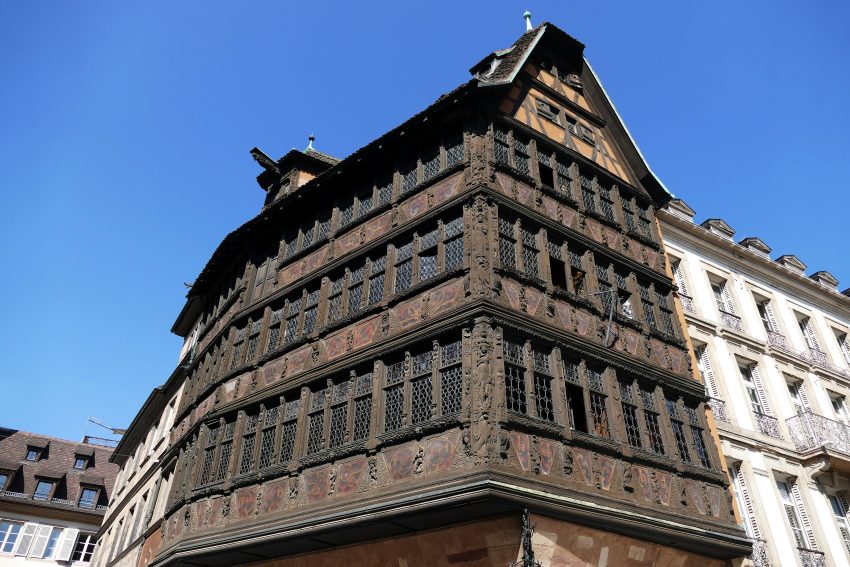
Maison Kammerzell is one of Strasbourg’s best-preserved and most ornate medieval civic houses, originally built in 1427 and later transformed in 1467 and 1589. Its survival and embellishment make it a rare, readable example of prosperous urban domestic architecture.
What to see is the exterior detail: the dense carved timberwork and the way later Renaissance-era changes were layered onto an older structure. It’s a building that rewards slow looking, because the decoration is not generic prettiness; it’s a statement of status and craft.
Inside, it operates as a public venue today, but even if you don’t go in, the house is worth treating as a “close-up counterpoint” to the cathedral nearby: sacred monument versus civic wealth, both expressing Strasbourg’s historical importance in the Upper Rhine region.
Location: 16 Pl. de la Cathédrale, 67000 Strasbourg, France | Hours: Daily: 08:00–22:00. | Price: Free (to view the exterior); restaurant prices vary. | Website

8. Cathédrale Notre-Dame de Strasbourg
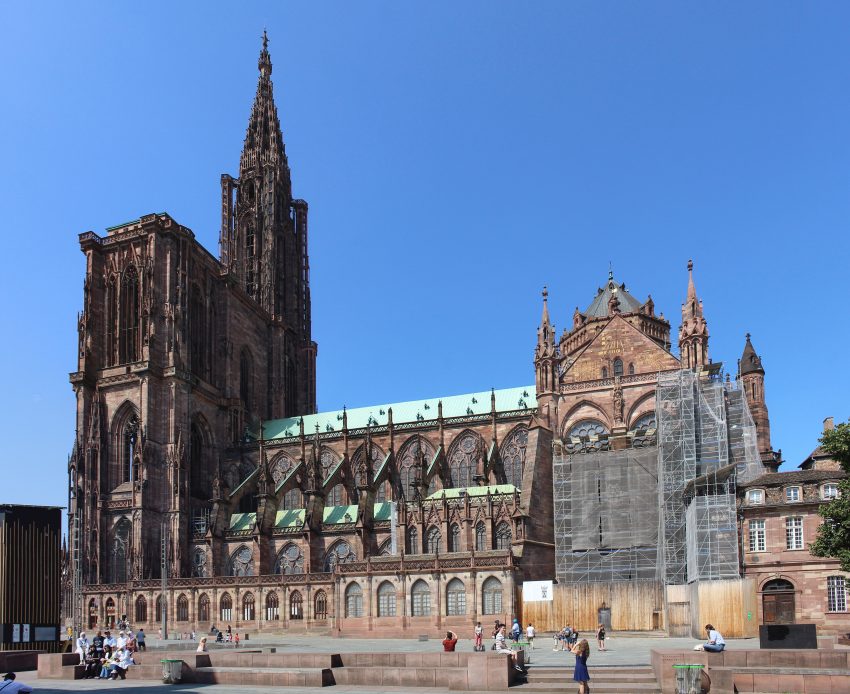
Strasbourg Cathedral is one of Europe’s great Gothic cathedrals, with construction beginning in 1015 and completion in 1439, and it became famous for its single spire reaching about 142 metres. Its long build time is part of the story: Romanesque beginnings evolving into high Gothic ambition.
What to see starts with the exterior: the west façade is a dense “stone screen” of sculpture and structure, and the pink sandstone gives it a warmth that shifts with the light. The spire’s asymmetry (one main spire rather than a matched pair) is also a distinctive feature in the skyline.
Inside, focus on scale and craftsmanship: Gothic cathedrals are designed to move your eye upward and forward. Even if you’re not ticking off individual artworks, the experience of the volume, the filtered light, and the sense of the building as a medieval engineering project is the core of the visit.
Location: Pl. de la Cathédrale, 67000 Strasbourg, France | Hours: Monday – Saturday: 08:30–11:15 & 12:45–17:45. Sunday: 14:00–17:15. | Price: Free; donations appreciated. Platform climb: €8. | Website
9. Musée de l’Œuvre Notre-Dame
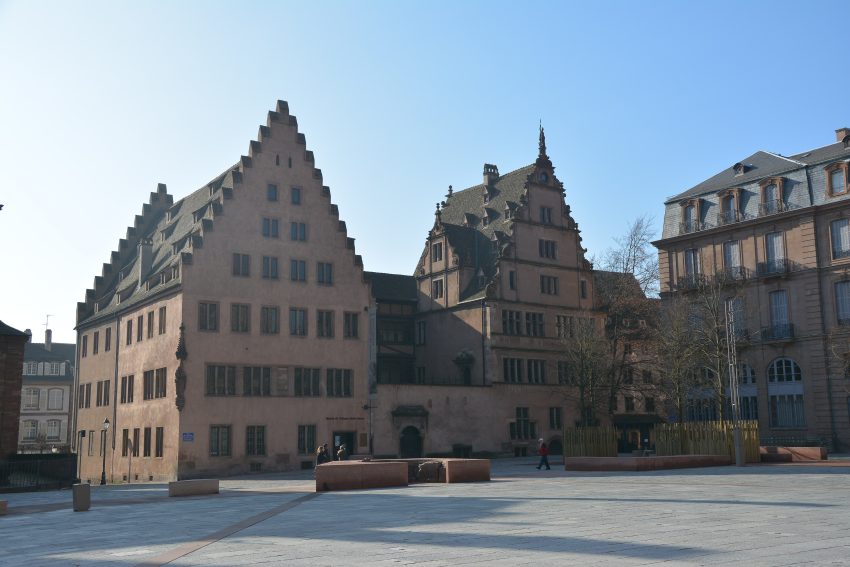
This museum exists because cathedrals generate art: sculpture, stained glass, architectural fragments, and the skilled workshops that maintain and remake them over centuries. In Strasbourg, the Œuvre Notre-Dame tradition is part of how the cathedral was sustained as both a building and a cultural project.
What to see here is the “backstage” of the cathedral’s artistry: the kinds of objects you can’t properly appreciate when they’re high on a façade or embedded in a structure. It’s the place to understand the cathedral as a long-running workshop, not only a finished monument.
Treat it as the cathedral’s companion visit: the museum gives you a vocabulary for what you later notice outside (stone carving styles, figures, fragments, and the material logic of Gothic construction). It’s also a calmer, more detailed experience than the cathedral precinct itself.
Location: 3 Pl. du Château, 67000 Strasbourg, France | Hours: Tuesday – Friday: 10:00–13:00 & 14:00–18:00. Saturday – Sunday: 10:00–18:00. Closed on Monday. | Price: Adults: €7.50; Reduced: €3.50. | Website
10. Palais Rohan
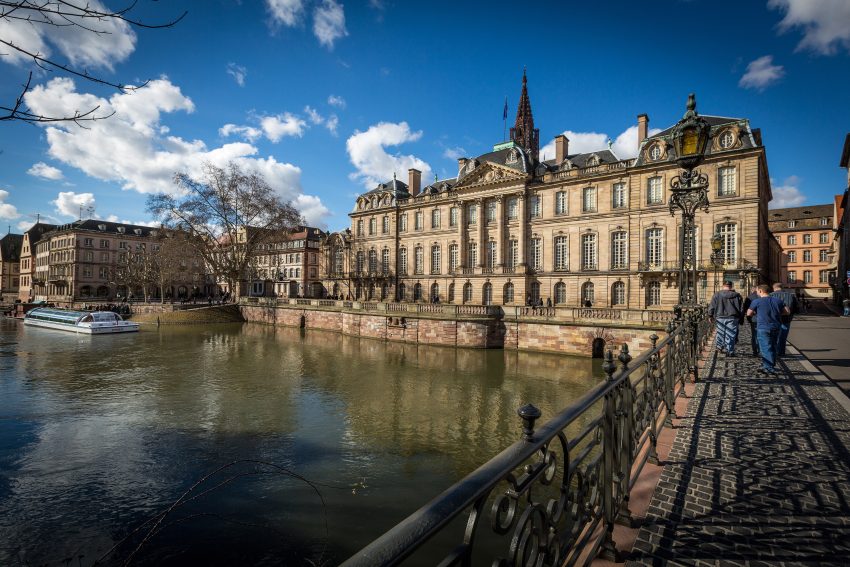
The Palais Rohan was built between 1732 and 1742 as the residence of Strasbourg’s prince-bishops, a major statement of French Baroque power placed right beside the cathedral. That location is deliberate: it visually ties ecclesiastical authority and elite lifestyle to the city’s main sacred landmark.
What to see is twofold: first, the architecture and formal rooms that communicate status through scale, symmetry, and decoration; second, the fact that it now houses multiple museums (including Fine Arts, Decorative Arts, and Archaeology), which makes it a dense cultural stop in one building.
Even if you only view the palace exterior and courtyard areas, it’s valuable as an “era shift” marker. In a few minutes you move from Gothic medieval Strasbourg to the more courtly, centralising French 18th-century style that reshaped the city’s elite spaces.
Location: 2 Pl. du Château, 67000 Strasbourg, France | Hours: Monday: 10:00–13:00 & 14:00–18:00. Tuesday: Closed. Wednesday – Friday: 10:00–13:00 & 14:00–18:00. Saturday – Sunday: 10:00–18:00. | Price: Adults: €7.50; Reduced: €3.50; Under 18: free. | Website
11. Historical Museum
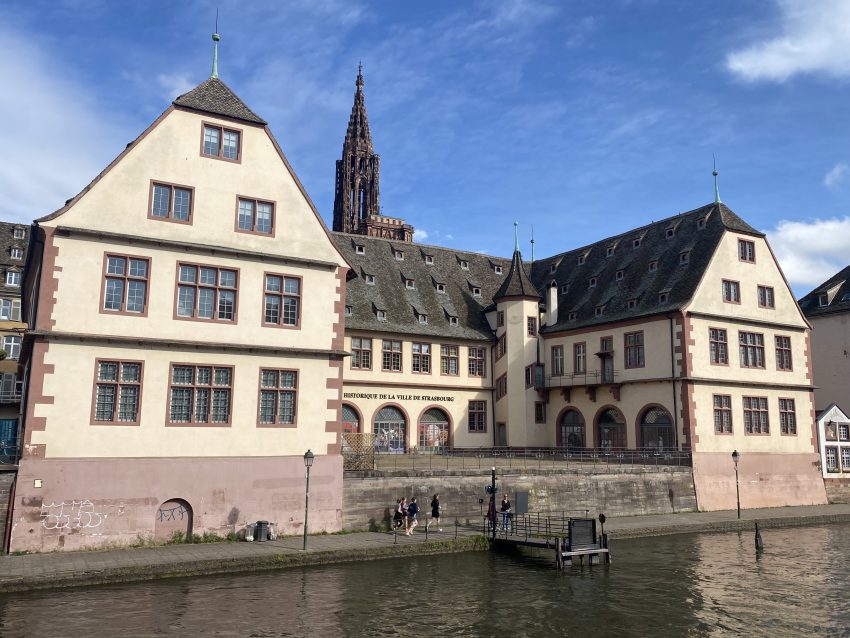
Strasbourg’s Historical Museum was founded in 1920 and is housed in the former “Grande boucherie” (Great Butchery), a Renaissance building built in 1586–1588 and later renovated and reopened in stages (notably in 2013 after major work). The setting is part of the appeal: civic history inside a civic-era structure.
What to see is a city-scale narrative: Strasbourg as a place shaped by trade, religion, fortification, and repeated political shifts. The museum format is designed to move you through centuries, so you come away with a coherent timeline rather than disconnected anecdotes.
This is also one of the best places to contextualise Strasbourg’s “in-between” identity without relying on guesswork. If you visit only one history-focused museum in the centre, this is the one that explains why the architecture and institutions around you look the way they do.
Location: 2 Rue du Vieux-Marché-aux-Poissons, 67000 Strasbourg, France | Hours: Tuesday – Friday: 10:00–13:00 & 14:00–18:00. Saturday – Sunday: 10:00–18:00. Closed on Monday. | Price: Adults: €7.50; Reduced: €3.50; Under 18: free. | Website
12. Musée Alsacien
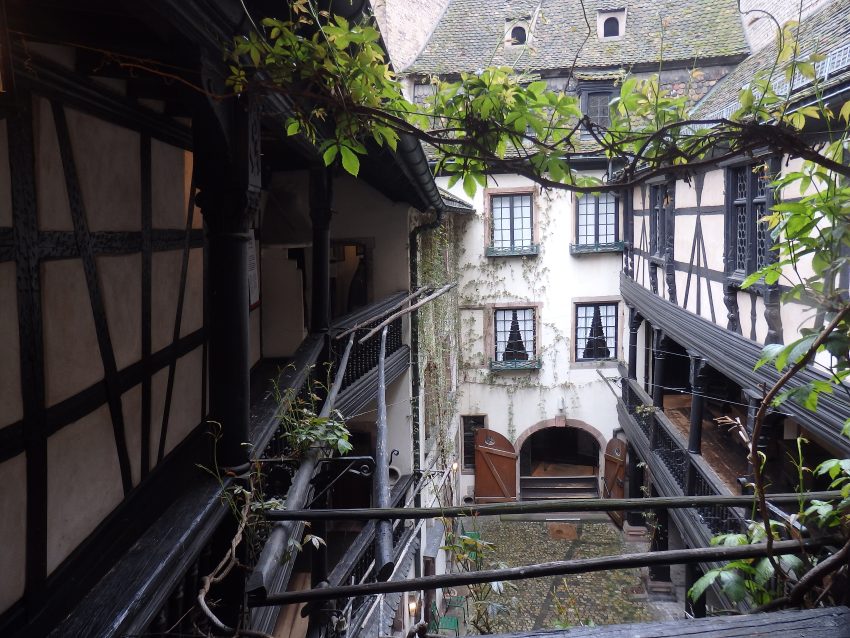
The Alsatian Museum grew out of a desire to preserve regional identity and everyday culture, founded in the early 20th century and set within historic houses linked by passages and stairways. The building layout matters: it reinforces the sense of moving through domestic worlds rather than formal galleries.
What to see is the material culture of Alsace: interiors, furniture, household tools, costumes, religious objects, and the details of rural and small-town life that large political histories tend to flatten. It’s strongest when you let the rooms tell you how people lived, worked, celebrated, and displayed status.
As a visit, it balances Strasbourg’s “big monument” stops. After cathedrals and palaces, the museum brings you back to human scale and local specificity, which is essential in a borderland region where language, craft, and customs have long been part of identity politics.
Location: 23-25 Quai Saint-Nicolas, 67000 Strasbourg, France | Hours: Closed for renovations (July 7, 2025 – June 30, 2027). | Price: Check official website. | Website
13. Cave des Hospices de Strasbourg
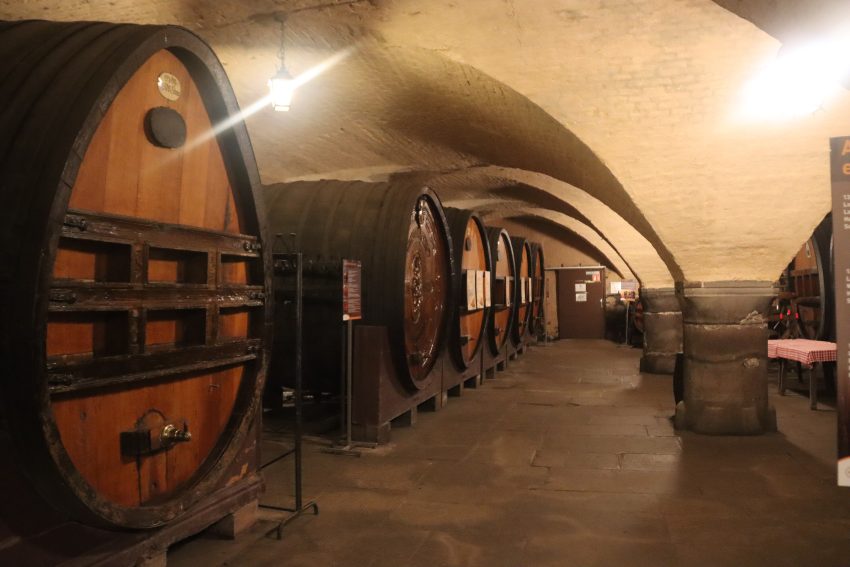
Strasbourg’s historic hospital wine cellar is unusual because it ties together charity, property, and wine culture: hospices historically received vineyards and wine income as donations, and the cellar became a long-lived repository of those gifts. The site preserves extremely old barrels, including a famous 1472 cask.
What to see is the atmosphere and the objects: the barrel gallery, the historic casks, and the sense that this is a working institutional space with deep continuity rather than a themed attraction. It’s also a very Strasbourg experience: pragmatic civic institutions with layered cultural consequences.
Approach it as a short, distinctive stop. You don’t need to be a wine specialist to appreciate what’s rare here: evidence of centuries of civic life, and a tangible thread connecting medieval-era practices to the present-day city.
Location: 1 Pl. de l'Hôpital, 67000 Strasbourg, France | Hours: Monday – Friday: 08:30–12:00 & 13:30–17:30. Saturday: 09:00–12:30. Closed on Sunday. Closed on public holidays. | Price: Free (self-guided visit). Audio guide: €3. | Website
14. Pont Couverts
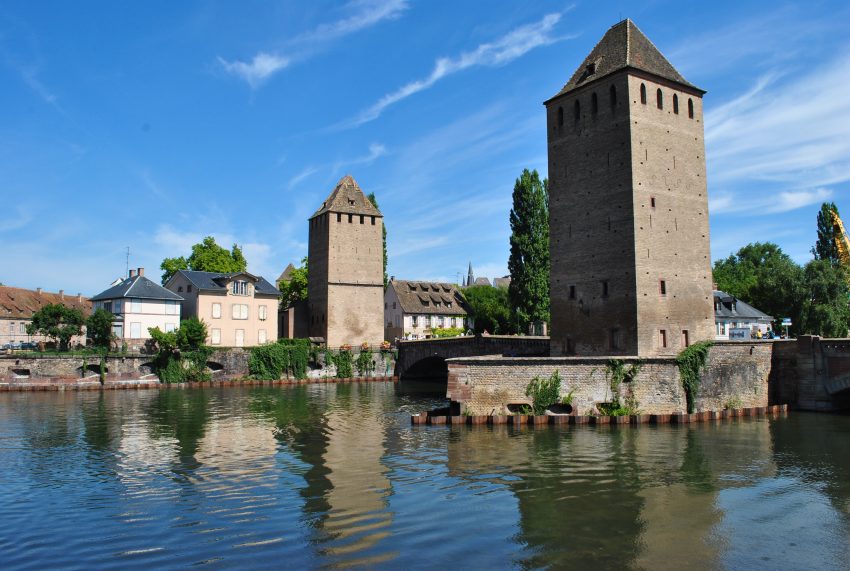
The Ponts Couverts are a set of three bridges and four towers forming a 13th-century defensive work on the River Ill, begun around 1230 and opened in 1250. The “covered” part refers to roofs that once protected defenders; the roofs are gone, but the name stuck.
What to see is the fortification logic: towers positioned to control waterways and approaches into the city. Even in daylight, it’s easy to imagine how this worked as a choke point where water, walls, and access were managed together.
For the best experience, treat it as a view-and-context stop rather than a long linger. The bridges make most sense when you connect them mentally to the later Vauban-era defences nearby, which updated the city’s strategy from medieval tower control to controlled flooding and heavier engineering.
Location: Ponts Couverts, 67000 Strasbourg, France | Hours: 24 Hours. | Price: Free. | Website
15. Barrage Vauban
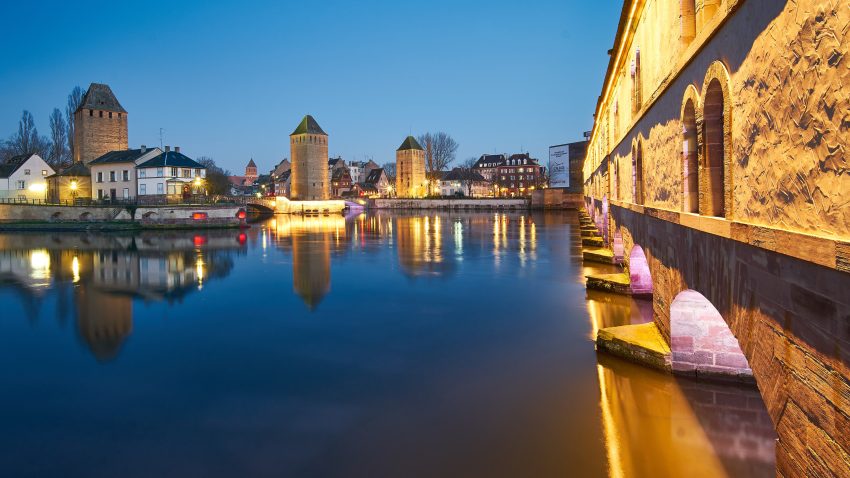
The Barrage Vauban was built from 1686 to 1690 as a defensive work on the River Ill, designed to allow the city to raise water levels and flood approaches in the event of attack. It’s an excellent example of how early-modern military engineering reshaped European cities.
What to see today is the structure’s dual identity: a functional weir/bridge and a public viewpoint. The roof terrace is specifically valuable because it lets you read the relationship between the dam, the Ponts Couverts, and the Petite France waterways in one coherent scene.
Even if you’re not focused on military history, this is a good place to understand Strasbourg’s geography. From here the city’s defensive story becomes spatial: you can see how water, architecture, and urban survival were engineered as one system.
Location: Pl. du Qur Blanc, 67000 Strasbourg, France | Hours: (Seasonal) March 1 – April 30: 08:00–19:00; May 1 – August 31: 07:15–21:00; September 1 – October 31: 08:00–19:00; November 1 – February 28/29: 08:30–16:00. Closed for renovation works in the 1st half of 2026; check for updates. | Price: Free. | Website
16. Musée d’Art Moderne et Contemporain
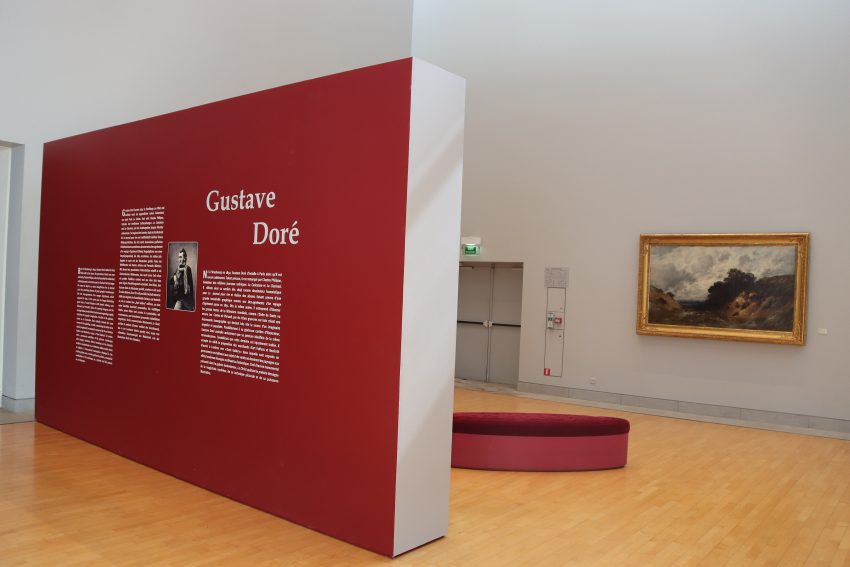
The Musée d’Art Moderne et Contemporain de Strasbourg was founded in 1973 and opened in its dedicated building in 1998, signalling the city’s commitment to modern culture in a place often dominated by medieval and early-modern landmarks. Its position by the River Ill is part of that modern statement.
What to see is a broad sweep from around 1870 to the present, with painting, sculpture, graphic arts, and design. The collection’s strength is giving you continuity: you can trace how European art responds to industrialisation, war, and new media across generations.
Practically, it’s a good “palette cleanser” after the old town. The architecture and light-filled spaces change your pace and perspective, and the museum’s scale makes it easy to tailor the visit: either a quick highlights run or a deeper afternoon.
Location: 1 Pl. Hans-Jean-Arp, 67000 Strasbourg, France | Hours: Tuesday – Friday: 10:00–13:00 & 14:00–18:00. Saturday – Sunday: 10:00–18:00. Closed on Monday. | Price: Adults: €7.50; Reduced: €3.50; Under 18: free. | Website
17. Petite France
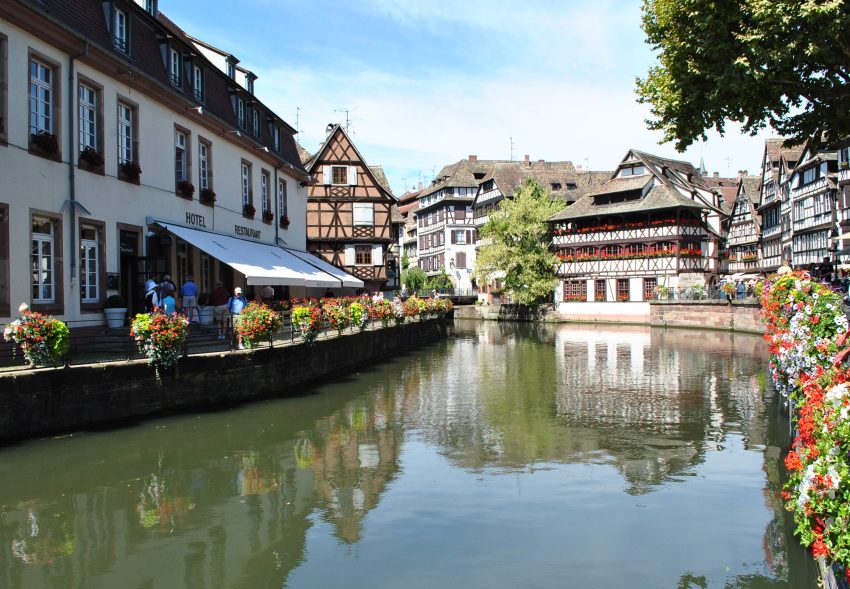
Petite France developed around the branching channels of the River Ill, and in the Middle Ages it was associated with trades that needed water: tanners, millers, and fishermen. That working-water landscape is the reason the quarter looks the way it does today.
What to see is the canal geometry, the timber-framed houses, and the way the district is stitched together by small bridges and quays. It’s scenic now, but the best visits keep the older function in mind: these buildings and waterways were infrastructure before they were postcard material.
Petite France is also part of Strasbourg’s UNESCO-listed Grande Île, so it’s not an “isolated cute corner” but a key piece of the historic urban ensemble. If you slow down and watch how water and streets interlock, you’ll understand why Strasbourg’s centre reads as a river city as much as a cathedral city.
Location: Petite-France, 67000 Strasbourg, France | Hours: 24 Hours. | Price: Free. | Website
18. Église protestante Saint-Pierre-le-Jeune
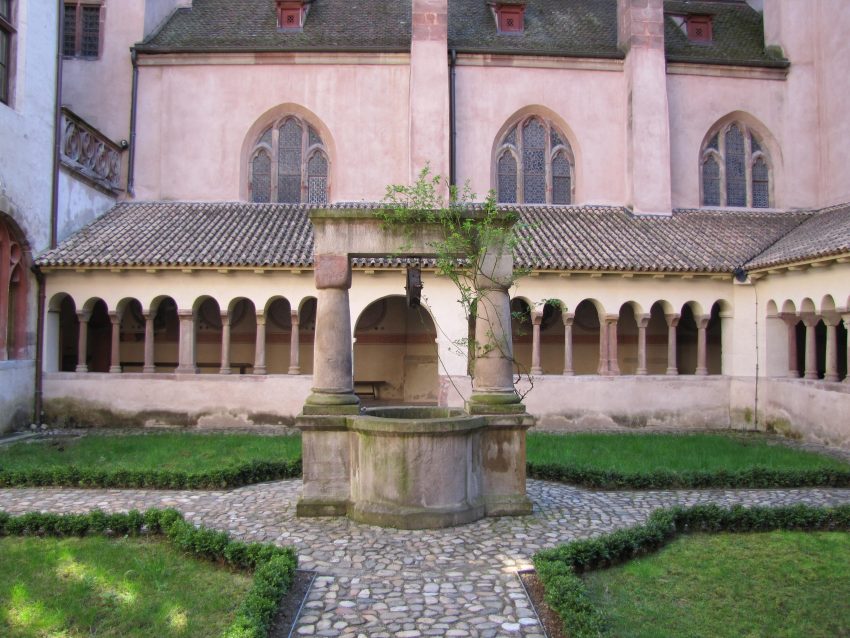
Saint-Pierre-le-Jeune is one of Strasbourg’s most important church buildings, with medieval construction phases culminating in a church consecrated in 1320. It became Lutheran in the early Reformation era (from 1524), which makes it a key monument for understanding how religious change reshaped the city’s institutions.
What to see includes the building’s layered fabric: medieval structure, later additions, and the sense of a church continually adapted rather than frozen in one style. It’s particularly valuable if you want a counterpart to the cathedral: still historic and monumental, but shaped by different religious and civic pressures.
Give yourself time inside. Churches like this communicate history through spatial details and fittings as much as through plaques: screens, chapels, and the gradual transitions between parts of the building are often where the story sits most clearly.
Location: Pl. Saint-Pierre-le-Jeune, 67000 Strasbourg, France | Hours: (Summer) May 1 – October 31; Daily: 10:00–18:00. (Winter) November 1 – April 30; Daily: 12:00–18:00. | Price: Free; donations appreciated. | Website
19. Place Broglie
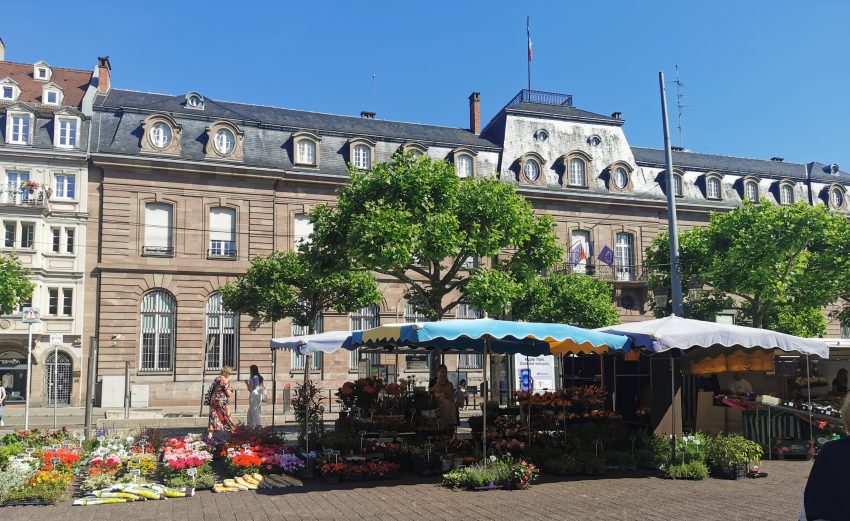
Place Broglie is a major square on the Grande Île, notable for its long rectangular form and the concentration of prestigious buildings around it. Its identity was shaped strongly in the 18th century and then reinforced with major civic architecture in the 19th century.
What to see is the ensemble: the opera house presence, formal institutional façades, and the sense that this is where Strasbourg presents itself as a capital city rather than a picturesque old town. It’s also historically linked to major civic events and commemorations tied to the city’s modern history.
This is a good square for understanding Strasbourg’s “public face.” If Place Kléber is the everyday heart, Place Broglie is more ceremonial and administrative in feel, and it shows how the city’s centre balances commerce, culture, and government within a compact historic core.
Location: Pl. Broglie, 67000 Strasbourg, France | Hours: 24 Hours. | Price: Free.

Moira & Andy
Hey! We're Moira & Andy. From hiking the Camino to trips around Europe in Bert our campervan — we've been traveling together since retirement in 2020!
This website uses affiliate links which earn a small commission at no additional cost to you.
Walking Tour Summary
Distance: 5.5 km
Sites: 19