Complete Guide to Basque Country (2026)
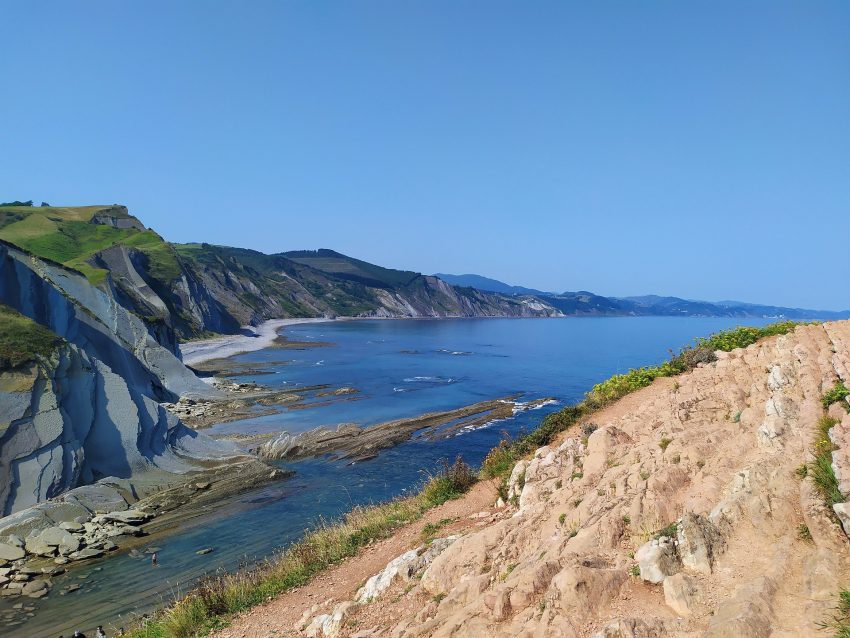
Though widely known for its violent separatist movement ETA, the Basque Country is actually the most prosperous region in Spain in terms of GDP per inhabitant, thanks to its industrial sector, tourism, and agricultural activities. The Basque Country has two official languages: Basque (Euskara) and Spanish (Castilian). With completely different origins, the Basque language is unlike Spanish, which explains why many places in the Basque area have two distinct names.
The region boasts two major industrial and commercial cities, the ports of Bilbao and San Sebastian (Donostia). Between them, the rocky Atlantic coastline features several small resorts that have seen development in recent decades, though not to the extent of the Mediterranean coast.
The northern half of the Basque Country is hilly, as the Basque hills are the westward extension of the Pyrenees. Unlike the Spanish Pyrenees, the Basque hill country receives more rainfall, making it a green and wooded area. The hills and valleys are dotted with small villages and isolated farmsteads, popular with ramblers and hikers. The southern part of the Basque Country, the province of Álava, lies south of the coastal mountains and enjoys a more continental climate. Most of the population in Álava is concentrated in the Vitoria-Gasteiz conglomeration. Beyond the capital city, the area is largely agricultural, particularly on the flat expanses of the upper Ebro valley.

Cities of Basque Country
Bilbao
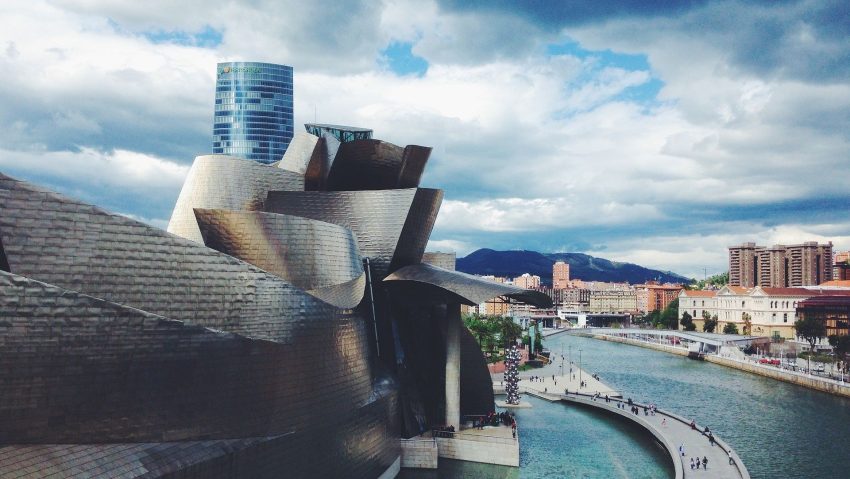
Bilbao, located in Spain’s northern Basque Country, is a dynamic riverside city where contemporary design meets rugged green hills and Atlantic light. Once known primarily for its industrial heritage, it has transformed into a vibrant cultural hub, symbolized by the shimmering titanium curves of the Guggenheim Museum. Visitors arriving here often find a city that feels both cosmopolitan and deeply regional, with Basque traditions woven naturally into modern urban life. The city’s size makes it ideal for exploring on foot, and its distinct blend of innovation, culture, and gastronomy has helped position Bilbao as one of the best places to visit in Spain.
A stroll along the Nervión River reveals much of what makes Bilbao so appealing. The regenerated waterfront is lined with architectural landmarks, art installations, and outdoor cafés that buzz with conversation well into the night. From here, it’s easy to wander into the Casco Viejo, the old quarter, where seven medieval streets spill out into lively plazas filled with pintxo bars and markets. The mix of languages, the scent of grilled seafood, and the rhythm of people hopping from one bar to another create an atmosphere that captures the spirit of the Basque people-sociable, proud, and inventive.
Beyond its urban energy, Bilbao offers quick access to the stunning natural landscapes that surround it. The metro connects the city to Getxo’s beaches and the dramatic Basque coastline, where surfers and walkers share the same Atlantic breeze. Inland, rolling green hills and vineyards hint at a slower pace, perfect for day trips or weekend escapes. It’s this balance-between art and industry, mountains and sea, modern energy and traditional soul-that makes Bilbao such an unforgettable destination for travelers exploring northern Spain.
View our Bilbao Guide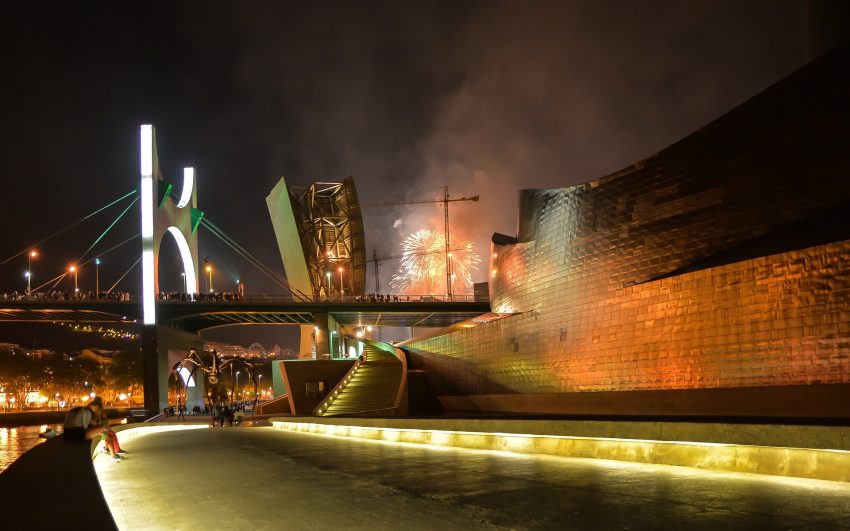
Vitoria-Gasteiz
Vitoria-Gasteiz is the seat of government and the capital city of the Basque Country and the province of Araba/Álava in northern Spain. It hosts the autonomous community’s House of Parliament, the Government headquarters, and the Lehendakari’s official residence. The municipality, which includes the city and the surrounding 63 agricultural villages, is the largest in the Basque Country, covering a total area of 276.81 km², with a population of 252,571 people. Residents of Vitoria-Gasteiz are known as vitorianos or gasteiztarrak, and traditionally as babazorros.
Vitoria-Gasteiz is a multicultural city with notable strengths in healthcare, aeronautics, the vehicle industry, and gastronomy. It consistently ranks among the top five best places to live in Spain. It was the first Spanish municipality to receive the title of European Green Capital and has also been recognized by the UN with the Global Green City Award. The old town features some of the best-preserved medieval streets and plazas in the region and is one of the few cities with two cathedrals. The city hosts well-known festivals such as the Azkena Rock Festival, FesTVal, Vitoria-Gasteiz Jazz Festival, and the Virgen Blanca Festivities.
The vicinity of Vitoria-Gasteiz is home to world-renowned wineries such as Ysios and the Marqués de Riscal Hotel. It boasts significant heritage sites, including the Neolithic remains of Aizkomendi, Sorginetxe, and La Chabola de la Hechicera; Iron Age settlements such as Lastra and Buradón; ancient remains like the settlement of La Hoya and the Salt Valley of Añana; and numerous medieval fortresses such as the Tower of Mendoza and the Tower of Varona.
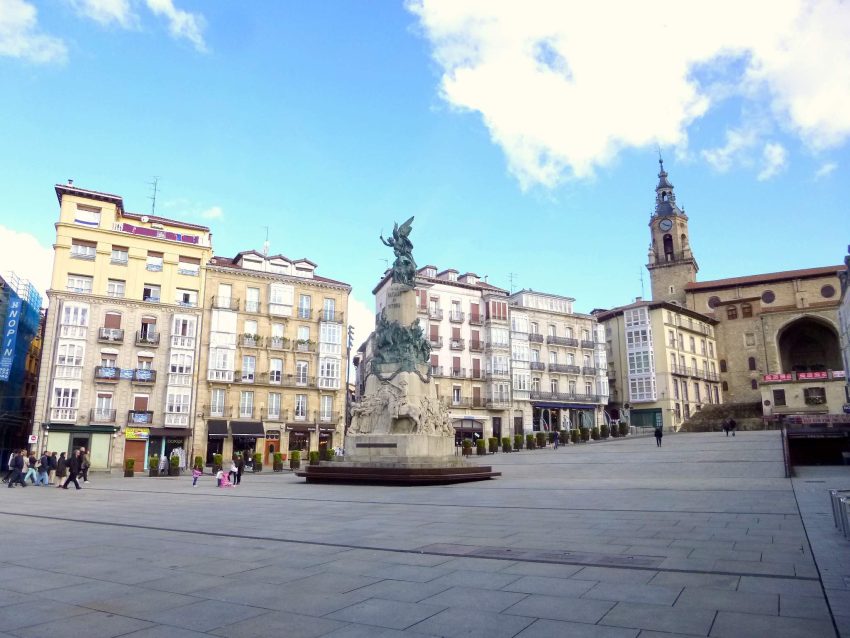
Ludwig van Beethoven dedicated his Opus 91, often called the “Battle of Vitoria” or “Wellington’s Victory,” to one of the most famous events of the Napoleonic Wars: the Battle of Vitoria. In this battle, a Spanish, Portuguese, and British army under the command of General the Marquess of Wellington defeated the French army and nearly captured the puppet king Joseph Bonaparte. It was a pivotal point in the Peninsular War and a precursor to the expulsion of the French from Spain. A memorial statue commemorating this event can be seen today in Virgen Blanca Square.
View our Vitoria-Gasteiz GuideSan Sebastián
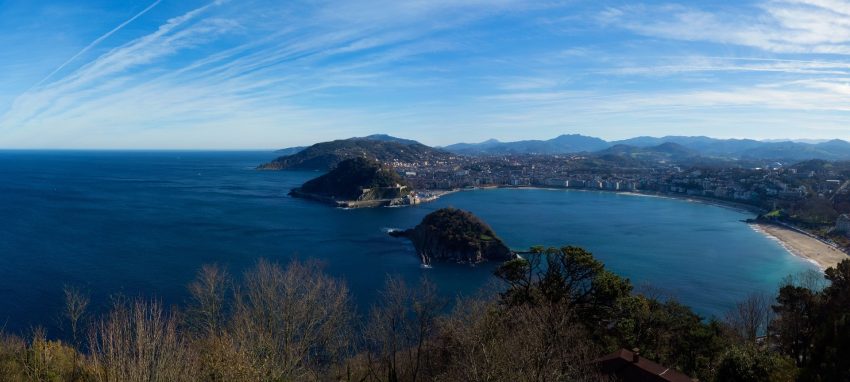
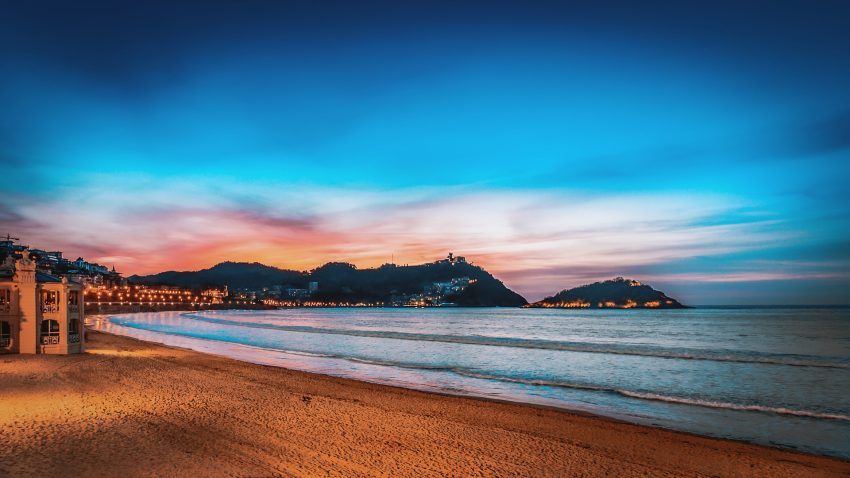
San Sebastián, located in Basque Country, is a city renowned for its breathtaking coastal scenery, world-class cuisine, and elegant charm. One of its most famous attractions is La Concha Beach, a stunning crescent-shaped bay with golden sands and clear waters that make it perfect for swimming, sunbathing, or taking a relaxing seaside stroll. The beachfront promenade, lined with historic railings and stylish cafés, invites visitors to enjoy the magnificent ocean views while experiencing the relaxed yet refined atmosphere of San Sebastián. Whether indulging in water sports or simply enjoying the serenity of the waves, La Concha is a must-visit for anyone exploring the city.
Beyond its coastal beauty, San Sebastián offers a vibrant culinary scene, widely regarded as one of the finest in the world. The city is famous for its pintxos, the Basque version of tapas, served in lively bars throughout the Parte Vieja (Old Town). Visitors can spend their evenings hopping between taverns, sampling exquisite small plates such as txistorra sausage, bacalao (salted cod), and Idiazabal cheese, paired with local cider or Txakoli wine. San Sebastián also boasts several Michelin-starred restaurants, where chefs craft groundbreaking dishes that elevate Basque cuisine to an art form. The fusion of traditional flavors and avant-garde techniques makes dining in the city an unforgettable experience.
For those who love scenic viewpoints and cultural excursions, Monte Igueldo offers spectacular panoramas of the city and coastline, accessible via a funicular ride that dates back to the early 20th century. Meanwhile, the city’s cultural festivals, including the internationally acclaimed San Sebastián Film Festival, bring excitement and artistic flair throughout the year. Whether enjoying stunning landscapes, indulging in exceptional food, or soaking in its cultural richness, San Sebastián delivers a dynamic yet relaxing getaway that encapsulates the essence of Basque Country.
View our San Sebastián Guide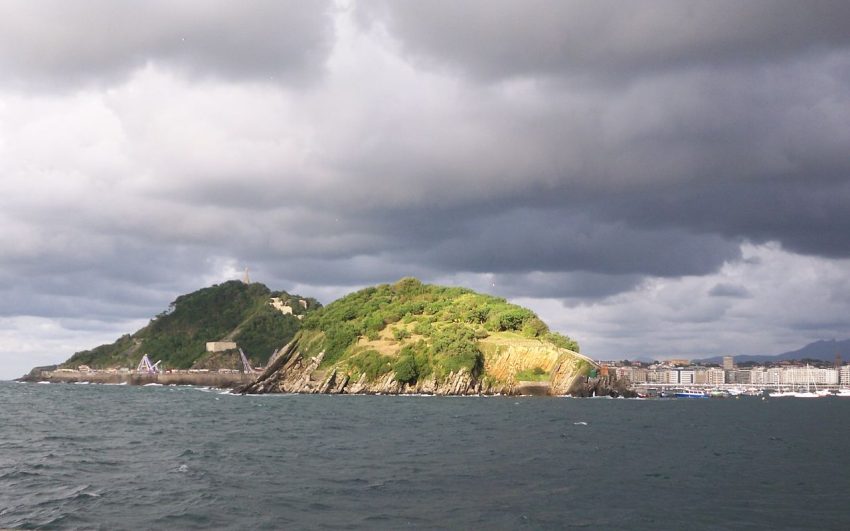
History of Basque Country
Prehistoric Times in the Basque Country
The Basque Country has a long and rich prehistoric history. Evidence of early human habitation in the region dates back to the Paleolithic period, with cave paintings found in places like Cueva de Santimamiñe. The region’s caves and archaeological sites suggest that the Basques were one of the earliest European groups to settle, with a lifestyle centered around hunting, fishing, and gathering. By the Neolithic period, the people of the Basque Country began to practice agriculture, building permanent settlements and establishing early trade routes.
The Basque Country in the Roman Period
During the Roman Empire, the Basque Country was never fully integrated into Roman rule. While Roman influence was strong throughout much of the Iberian Peninsula, the Basques retained a degree of independence. The Romans referred to the Basque people as the Vascones, and they had a reputation for their resistance to Romanization. The region remained relatively autonomous, with the Romans establishing some roads and military settlements in areas such as Pompaelo (modern-day Pamplona) but never exerting full control over the Basque lands. The Basques’ natural defenses, such as their mountainous terrain, helped them maintain their independence.
The Basque Country in the Middle Ages
The Middle Ages were a time of change and development in the Basque Country. Following the fall of the Roman Empire, the region was influenced by the Visigoths and later the Moors, who arrived in the Iberian Peninsula in the 8th century. However, the Basques maintained their distinct culture and language, Euskara, throughout these periods of foreign rule. In the 9th century, the Kingdom of Navarre emerged, with Pamplona as its capital, marking the beginning of the Basques’ formal political organization. The Kingdom of Navarre played a significant role in European politics during this period, and its influence extended to regions now part of modern-day France and Spain.
The Basque people were also involved in the Reconquista, the Christian effort to reclaim territory from the Moors. By the late Middle Ages, the Basque Country became part of the Kingdom of Castile after the fall of Navarre in the 16th century, though the Basques retained a significant degree of local autonomy.
The Basque Country in the Early Modern Period
In the 16th century, the Basque Country, particularly the coastal areas, began to develop economically due to its strategic location and strong maritime traditions. The Basques became famous for their expertise in shipbuilding, whaling, and trade. Bilbao, one of the region’s most important cities, became a major commercial and industrial hub during the Early Modern period, benefiting from its port and trade networks. The region also saw the rise of the Basque nationalist identity, with a strong focus on local governance and independence.
The 17th and 18th centuries saw continued prosperity, especially in the coastal regions, and the Basques played an important role in Spain’s naval power. However, tensions between the Basque provinces and the Spanish monarchy began to rise, as the centralization efforts of the Spanish crown clashed with the Basques’ desire to maintain their traditional foral system of local laws and privileges.
The Basque Country in the 19th Century
The 19th century was a time of political and social upheaval in the Basque Country. The Napoleonic Wars and the Peninsular War had a significant impact, with the French invasion of Spain affecting the region. Following the war, the Carlist Wars broke out in the Basque Country, as Basque factions fought for a return to the traditional privileges of the foral system against the growing power of the central Spanish government. These wars were a defining moment for Basque identity, as they highlighted the Basques’ strong desire for regional autonomy and independence.
During this time, industrialization began to shape the Basque Country, with the rise of steel and shipbuilding industries, particularly in Bilbao and Barakaldo. The region’s economy grew rapidly, attracting workers from all over Spain, and by the end of the century, the Basque Country had become one of Spain’s industrial powerhouses.
The Basque Country in the 20th Century
The 20th century saw the Basque Country experience significant political changes and tensions. After the Spanish Civil War (1936-1939), the Basque Country came under the dictatorship of Francisco Franco, who suppressed Basque culture, language, and autonomy. During this time, the Basques faced harsh repression, and the Euskara language was banned in schools and public life. However, the region’s desire for self-governance remained strong, and resistance movements, such as ETA (Euskadi Ta Askatasuna), emerged, advocating for Basque independence through violent means.
The end of Franco’s dictatorship in the 1970s and the transition to democracy led to the establishment of the Basque Autonomous Community in 1979. This marked a new era of regional self-governance, with the Basque Country gaining control over many areas, including education, health, and economic policy. However, political tensions continued, and ETA’s activities persisted until a ceasefire was declared in the early 2000s, and the organization eventually disbanded.
Contemporary Basque Country
Today, the Basque Country is an autonomous region within Spain with a significant degree of self-governance. The region is known for its distinct cultural identity, with Euskara spoken alongside Spanish. The Basque Country is also an economic powerhouse, with a strong industrial base, particularly in Bilbao and San Sebastián. Tourism plays an important role in the region’s economy, with visitors attracted by its rich history, unique culture, and stunning landscapes, including the Pyrenees and its rugged coastline along the Bay of Biscay. The Basque Country remains a symbol of regional pride and autonomy within Spain, with ongoing political debates regarding full independence.
Best Time to Visit Basque Country
Visiting the Basque Country in Spring
Spring (March to May) in the Basque Country is a wonderful time to visit, with temperatures ranging from 10°C to 16°C in March, gradually warming to 14°C to 20°C by May. Nights are cooler, ranging from 5°C to 9°C in March and 8°C to 12°C by May. This season is ideal for outdoor activities such as hiking, exploring coastal villages, and enjoying the blossoming landscapes. The weather is mild, making it perfect for sightseeing and attending festivals like San Sebastián Day.
Visiting the Basque Country in Summer
Summer (June to August) in the Basque Country can be warm but generally mild compared to other Spanish regions, with daytime temperatures ranging from 20°C to 28°C. Nights are cooler, typically between 14°C and 18°C. The region’s coastal areas, such as San Sebastián and Bilbao, benefit from refreshing sea breezes, making it comfortable for beach visits and outdoor festivals. Summer is peak tourism season, with plenty of cultural events, beach activities, and lively celebrations like La Semana Grande.
Visiting the Basque Country in Autumn
Autumn (September to November) in the Basque Country offers mild temperatures, with September averaging 20°C to 25°C during the day, cooling to 12°C to 16°C by November. Nights become cooler, with temperatures ranging from 10°C to 14°C by November. This is an excellent time to explore the region, as the crowds from summer thin out and the landscape takes on beautiful autumn colors. The weather is still pleasant enough for outdoor activities, and autumn is a fantastic season for food lovers to explore the region’s renowned gastronomy.
Visiting the Basque Country in Winter
Winter (December to February) in the Basque Country is cool and damp, with daytime temperatures ranging from 8°C to 14°C. Nights are chilly, with temperatures dipping to 3°C to 6°C. Although the region can experience rainfall, the winter season offers a quieter atmosphere for visiting museums, exploring the cities, and enjoying indoor cultural events. The crisp air and fewer tourists make it a peaceful time to explore Bilbao and San Sebastián, while enjoying the cozy Basque cuisine.
Annual Weather Overview
- January 11°C 55°F
- February 12°C 58°F
- March 14°C 62°F
- April 15°C 63°F
- May 19°C 69°F
- June 21°C 74°F
- July 24°C 78°F
- August 24°C 78°F
- September 24°C 78°F
- October 21°C 74°F
- November 15°C 62°F
- December 13°C 59°F
How to get to Basque Country
Getting to the Basque Country by Air
The Basque Country is served by several airports, with Bilbao Airport (BIO) being the main international gateway. Located about 12 km north of Bilbao, this airport offers direct flights to major European cities, as well as domestic flights to other parts of Spain. It is the busiest airport in the region and well-connected by public transport, making it a convenient point of entry.
In addition to Bilbao Airport, San Sebastián Airport (EAS) is located about 20 km from the city center of San Sebastián and serves both domestic and limited international flights. Although smaller than Bilbao Airport, it offers easy access to the Bay of Biscay coastline and nearby towns in the Basque region.
For travelers coming to the Vitoria-Gasteiz area, Vitoria Airport (VIT) is another option. Located around 8 km from the city center, it offers a smaller selection of domestic flights, particularly from Madrid.
Getting Around the Basque Country by Train
The Basque Country has a well-developed rail network, with the main train station in Bilbao, known as Estación de Abando, providing connections to other major Spanish cities such as Madrid, Barcelona, and Vitoria-Gasteiz. The Cercanías commuter train service connects smaller towns such as Getxo, Gernika, and Santurce with Bilbao.
San Sebastián is also well-connected by rail, with the Estación de San Sebastián providing train services to neighboring regions and cities. Renfe, Spain’s national train service, operates trains to other parts of the country, making it easy to travel between cities in the Basque Country and beyond.
Getting Around the Basque Country by Bus
The Basque Country has an efficient bus system, with Bilbao as the main hub. The Termibus station in Bilbao offers buses to other towns and cities within the region, such as Vitoria-Gasteiz, San Sebastián, and Hondarribia, as well as intercity connections to places like Madrid and Biarritz in France.
In San Sebastián, the Estación de Autobuses connects the city with other Basque towns and regional destinations. Buses are a convenient and affordable way to explore smaller towns, including coastal areas like Zarautz and Orio, or inland destinations like Oñati.
Getting Around the Basque Country by Car
Renting a car is one of the best ways to explore the Basque Country at your own pace. The region’s well-maintained road network, including major highways like the AP-8 (which connects Bilbao to the French border), makes it easy to drive between towns and cities. Bilbao, San Sebastián, and Vitoria-Gasteiz are all easily accessible by car, and visitors can enjoy the stunning landscapes of the Pyrenees and the Basque coastline.
For those traveling to the Rías Altas area, car rentals allow easy access to picturesque coastal towns such as Getaria and Hondarribia, as well as beautiful rural landscapes in areas like Urdaibai Biosphere Reserve. Parking is available in most towns, although it can be more limited and expensive in city centers.
Getting Around the Basque Country by Public Transport
Public transportation in the Basque Country is reliable and efficient, particularly in Bilbao and San Sebastián. The Metro Bilbao system is an easy way to get around Bilbao, with stops at key points like the Guggenheim Museum and Casco Viejo. Additionally, buses and the Tranvía (tram) in San Sebastián provide convenient options for exploring the city and its surrounding neighborhoods.
In the smaller towns and rural areas, bus services operated by Lurraldebus connect the Basque Country‘s towns and cities. The EuskoTren system provides services to several Basque towns along the coast and inland, offering connections between towns like Hondarribia and Zarautz.
For those visiting the scenic coastal areas and enjoying the Basque landscapes, biking is also a popular mode of transport, with dedicated bike lanes in Bilbao, San Sebastián, and other towns.
Festivals in Basque Country
La Semana Grande (Aste Nagusia)
When: August
Where: Bilbao
A week-long festival in Bilbao, featuring parades, live music, street performances, and fireworks. The event celebrates Basque culture with activities ranging from traditional Basque sports to international music performances.
San Sebastián Day
When: January
Where: San Sebastián
A public holiday in San Sebastián, celebrating the city’s patron saint, with processions, concerts, and local traditions. The highlight is the Tamborrada, a drumming parade that fills the city with vibrant energy.
Feria de Abril
When: April
Where: Vitoria-Gasteiz
Inspired by Seville’s Feria de Abril, this festival in Vitoria-Gasteiz features flamenco music, dancing, and colorful parades. It’s a celebration of Andalusian culture with a strong Basque twist, offering a mix of music, food, and fun.
Fiestas de la Virgen Blanca
When: August
Where: Vitoria-Gasteiz
The most important festival in Vitoria-Gasteiz, this event celebrates the patroness of the city with fireworks, music, traditional dances, and a famous procession. The city comes alive with parades and street parties during this time.
La Tamborrada
When: January
Where: San Sebastián
A traditional festival in San Sebastián, where thousands of participants, dressed in uniforms, march through the city with drums to celebrate the city’s patron saint, St. Sebastián. It’s one of the most iconic events of the year in the city.
Feria de San Fermín
When: July
Where: Pamplona (near the Basque border)
Although it is technically in Navarre, the nearby town of Pamplona hosts the world-famous San Fermín Festival. Known for its running of the bulls, this event draws visitors from around the world for its festivities, including bullfights, parades, and traditional music.
Carnaval de Getxo
When: February
Where: Getxo
A lively Carnival celebration in Getxo, featuring costume parades, street performances, and vibrant parties. The event brings together both locals and visitors for a colorful celebration of the end of winter.
Festa de la Sidra
When: November
Where: Astigarraga
A festival in Astigarraga dedicated to the region’s famous cider. It includes cider tasting, traditional music, and lively gatherings in the cider houses, where visitors can enjoy the local drink and learn about its production.
Zarautz Surfing Festival
When: July
Where: Zarautz
An exciting event for surf enthusiasts in Zarautz, one of the Basque Country’s premier surfing destinations. The festival features surfing competitions, music, and an open-air market, bringing together the region’s surf culture and vibrant coastal atmosphere.
Fiesta de la Blanca
When: August
Where: Vitoria-Gasteiz
This annual festival in Vitoria-Gasteiz celebrates the Virgen Blanca with an array of cultural events, from bullfighting and processions to music concerts and fireworks, creating a festive atmosphere throughout the city.