World Heritage Museum Hallstatt
Museum in Hallstatt
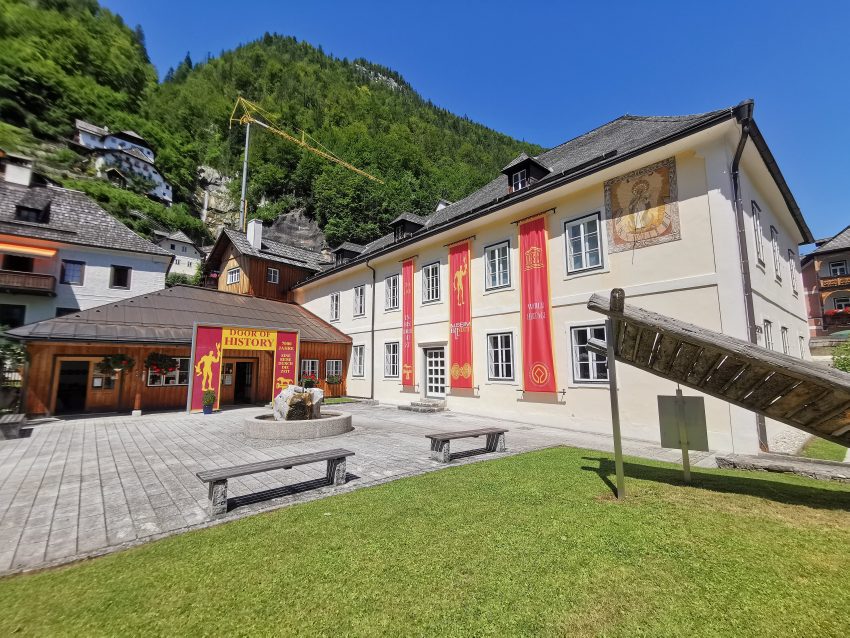
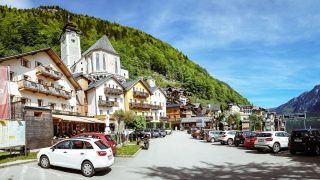
The World Heritage Museum Hallstatt is one of the most worthwhile stops in the village if you want to understand why this small lakeside place became world-famous long before social media found it. Sitting in the heart of Hallstatt's old centre, it takes the village beyond its pretty façades and mountain reflections, explaining how salt shaped daily life here for thousands of years and why Hallstatt gave its name to an entire prehistoric era.
For many visitors, Hallstatt is a place of viewpoints, steep lanes, and quick photo stops, but the museum adds the missing context that turns a scenic stroll into a far richer visit. It works especially well as part of a walking tour through the old town, and it is also one of the best places to visit in Hallstatt when the weather turns wet or the streets are packed with day-trippers.
Table of Contents
- History and Significance of the World Heritage Museum Hallstatt
- Things to See and Do in the World Heritage Museum Hallstatt
- How to Get to the World Heritage Museum Hallstatt
- Practical Tips on Visiting the World Heritage Museum Hallstatt
- Where to Stay Close to the World Heritage Museum Hallstatt
- Is the World Heritage Museum Hallstatt Worth Visiting?
- For Different Travelers
- FAQs for Visiting World Heritage Museum Hallstatt
- Nearby Attractions to the Hallstatt World Heritage Museum
History and Significance of the World Heritage Museum Hallstatt
The museum tells the story of Hallstatt across an extraordinary timespan, from prehistoric settlement and early salt extraction to the growth of the village as a place of trade, ritual, and Alpine culture. That long arc matters here because Hallstatt is not just picturesque; it is one of Europe's key archaeological names, and the museum helps explain why scholars, not just tourists, have been drawn here for generations.
What gives the museum real weight is its connection to the Hallstatt culture of the early Iron Age. Even travelers who vaguely know the name often do not realise it comes from this very village. Inside, the exhibitions place local finds into a wider European story, showing how a small mountain community built significance through salt, exchange networks, and technical skill.
The museum itself feels contemporary rather than dusty, which suits Hallstatt well. This is not a sprawling institution where you need half a day and a scholarly mindset; it is a clear, modern museum that gives visitors a manageable but meaningful historical framework for the village outside. That balance makes it particularly useful for travelers who want substance without derailing a short Hallstatt itinerary.
Things to See and Do in the World Heritage Museum Hallstatt
The main draw is the way the museum connects archaeology with the landscape you can see just outside. You are not looking at abstract history detached from place; you are looking at the deeper story of the same slopes, lake edge, and salt-rich mountains that define Hallstatt today. That makes even a relatively short visit feel grounded and memorable.
The exhibits on prehistoric mining and the Hallstatt era are the real highlight. If you are planning to visit the salt mine as well, the museum is an excellent companion stop because it gives you the background first, making the larger Hallstatt story easier to follow once you head uphill. Seen together, the museum and the salt-mine area create one of the most coherent cultural experiences in the village.
It is also worth appreciating the museum simply as a quiet reset point in Hallstatt. The village can feel intensely busy in peak season, so stepping indoors for an hour of well-presented history can be a smart way to break up the day before returning to the waterfront, Marktplatz, or nearby lanes.
How to Get to the World Heritage Museum Hallstatt
The museum is in Hallstatt's historic centre, so getting there is usually straightforward once you are already in the village. Most visitors arrive first in the Salzkammergut region by air through Salzburg Airport, with Vienna Airport also used for longer onward journeys into Upper Austria. For the best deals and a seamless booking experience, check out these flights to Hallstatt on Booking.com. From central Hallstatt, the museum is reached on foot as part of the old-town area.
If you are travelling by public transport, the standard route is by train to Hallstatt station on the opposite side of the lake, followed by the local boat connection into the village. You can easily check timetables and book train tickets through the ÖBB (Austrian Federal Railways) website. However, for a smoother experience, we recommend using Omio, which simplifies the booking process and lets you compare routes, prices, and departure times all in one place. This is part of the Hallstatt experience and is often easier than driving, especially in the busiest months when road access and parking become more frustrating.
Drivers can reach Hallstatt by road, but the village centre is car-free and parking is outside the historic core. If you are looking to rent a car in Austria I recommend having a look at Discover Cars, first, as they compare prices and review multiple car rental agencies for you. That means you should expect to park and continue on foot, and in peak periods it is wise to allow extra time rather than assuming you can roll straight into the old town. Bus access is also possible via Hallstatt Lahn, which leaves you with a manageable walk into the centre.
Practical Tips on Visiting the World Heritage Museum Hallstatt
- Entrance fee: Adults €12.00; children up to 14 years €8.00.
- Opening hours: (January – March) Daily: 11:00–16:00. (April) Daily: 10:00–16:00. (May – September) Daily: 10:00–18:00. (October) Daily: 10:00–16:00. (November – 23 December) Wednesday – Sunday: 11:00–16:00. (24 December – 8 January) Daily: 11:00–15:00.
- Official website: https://www.museum-hallstatt.at/
- Best time to visit: Late morning or the final hour of the afternoon usually works well, especially if you want a calmer indoor stop between the busiest old-town periods.
- How long to spend: Around 45 minutes to 1 hour is enough for most travelers, though anyone with a strong interest in archaeology could stay longer.
- Accessibility: As a modern museum, it is more manageable than many older heritage buildings in Hallstatt, but it is still sensible to check current access details before visiting.
- Facilities: Expect a proper museum setting with visitor information and a more comfortable indoor environment than many of Hallstatt’s small historic stops.
Where to Stay Close to the World Heritage Museum Hallstatt
For a culture-heavy Hallstatt stay, the best base is the old-town centre around the market square and lakeside lanes, where you can walk easily between the museum, waterfront, churches, and evening viewpoints.
If you want to step out of your hotel and be immediately in the atmospheric core of Hallstatt, staying near Marktplatz makes the most sense. Seewirt Zauner is a particularly convenient choice for travelers who want to stay right in the historic centre, while Lakeside Hotel Grüner Baum puts you in an equally central position with classic lake-and-square surroundings.
If you prefer something with a slightly traditional inn feel while still remaining close to the main sights, Bräugasthof Lobisser is another strong option. In a village as compact as Hallstatt, the real advantage is not shaving off transport time but being able to enjoy the old town early in the morning and again after the busiest daytime crowds have thinned.
Is the World Heritage Museum Hallstatt Worth Visiting?
Yes, definitely, especially if you want Hallstatt to feel like more than a beautiful backdrop. The museum gives the village intellectual depth and historical texture, and for a place so often consumed quickly, that is valuable. It is one of the best stops in Hallstatt for travelers who like to understand where they are, not just photograph it.
The honest pivot is that it is not essential for every visitor. If you are in Hallstatt for only a few rushed hours and your priority is the waterfront, viewpoints, and old-town atmosphere, you may prefer to stay outdoors. But for overnight visitors, rainy-day travelers, and anyone interested in archaeology, heritage, or salt history, it is one of the smartest additions to your itinerary.
What Other Travellers Say...

Reviews highlight Hallstatt as a beautiful destination, with winter visits praised for being quiet and crowd-free and the short boat ride seen as an easy way to reach the center. The museum is repeatedly described as well organized, interesting, and a worthwhile addition for understanding the town's history, though some exhibits lack English translations. Common drawbacks include limited accessibility due to many stairs, mixed value perceptions around the €11–12 entry fee, and practical issues like limited English at reception and American Express not being accepted.


For Different Travelers
Families with Kids
For families, the museum works best as a short cultural stop rather than the centrepiece of the day. It gives children a break from steep lanes and changing weather, and it can pair well with more visual or active Hallstatt experiences such as the lakefront, the funicular area, or a gentle wander through the village.
That said, younger children who are not especially interested in history may not want a long visit, so it helps to keep expectations realistic. Think of it as a one-hour indoor anchor in a broader family day rather than a place that needs a deep, exhibit-by-exhibit approach.
Couples & Romantic Getaways
For couples, the museum is a good way to add substance to what can otherwise become a purely scenic Hallstatt visit. It works particularly well on an overnight stay, when you have time to move beyond the standard photo circuit and settle into the village's deeper story.
It is also a useful rainy-weather option that does not feel like a compromise. A museum visit followed by coffee or a lakeside stroll makes for an easy, balanced Hallstatt afternoon, especially outside the busiest midday rush.
Budget Travelers
Budget travelers should weigh the ticket price against how much historical context matters to them. Hallstatt itself offers plenty to enjoy for free just by walking the lanes, absorbing the views, and exploring the old town, so the museum is not a must purely from a value-for-money standpoint.
Still, if you are the sort of traveler who would rather pay for one thoughtful museum than a string of small impulse expenses, this is a defensible choice. It gives clear context, is easy to fit into a short trip, and can be more rewarding than simply treating Hallstatt as a quick scenic stop.
History Buffs
History buffs are the people who should make this a priority. Hallstatt is one of those rare places where the name of a global archaeological culture is tied directly to a living village, and the museum is where that connection becomes legible.
For anyone interested in early Europe, ancient trade, mining, burial culture, or the relationship between landscape and settlement, this is one of the most important small museums in the region. You may still want to pair it with the salt-mine visit or other heritage stops, but the museum is the clearest starting point.
FAQs for Visiting World Heritage Museum Hallstatt
Getting There
Tickets & Entry
Visiting Experience
Tours, Context & Itineraries
Photography
Accessibility & Facilities
Food & Breaks Nearby
Safety & Timing
Nearby Attractions to the Hallstatt World Heritage Museum
- Marktplatz Hallstatt: The village's main square is an easy add-on right after the museum, with classic façades, lake glimpses, and cafés for a quick reset.
- Evangelical Parish Church (Christuskirche): A beautiful lakeside church with a peaceful atmosphere and one of the most photographed viewpoints in Hallstatt.
- Archaeological Excavations in Hallstatt: A free, tucked-away ruin site beneath Dachsteinsport Janu that reveals layers from the Stone Age through Roman and medieval periods.
- Hallstatt Charnel House (Beinhaus): A small, memorable stop beside the Catholic church, known for its painted skulls and unusual local funerary traditions.
- Seestraße Lakeside Promenade: A scenic waterfront stroll that strings together the best old-town views and makes a perfect gentle loop after the museum.
The World Heritage Museum Hallstatt appears in our Complete Guide to Visiting Hallstatt!

Moira & Andy
Hey! We're Moira & Andy. From hiking the Camino to trips around Europe in Bert our campervan — we've been traveling together since retirement in 2020!
This website uses affiliate links which may earn a commission at no additional cost to you!
Planning Your Visit
(January - March) Daily: 11:00-16:00.
(April) Daily: 10:00-16:00.
(May - September) Daily: 10:00-18:00.
(October) Daily: 10:00-16:00.
(November - 23 December) Wednesday - Sunday: 11:00-16:00.
(24 December - 8 January) Daily: 11:00-15:00.
Adults €12.00; children up to 14 years €8.00.
Nearby Attractions
- Archaeological Excavations in Hallstatt (0.1) km
Historic Site - Hallstatt Market Square (0.1) km
Square - Christuskirche (0.1) km
Church - Hallstatt Bone House (0.2) km
Church - Hallstatt Skywalk (0.4) km
- Rudolf Tower (0.4) km
Hotel and Viewing Point - Hallstatt Salt Mine Funicular (0.5) km
Funicular - Salt Mine Visitor Center (0.7) km
- Hallstatt Salt Mine (1) km
Mine - Waldbachstrub Waterfall (2.9) km
Waterfalls