Vlorë Ethnographic Museum
Museum in Vlorë
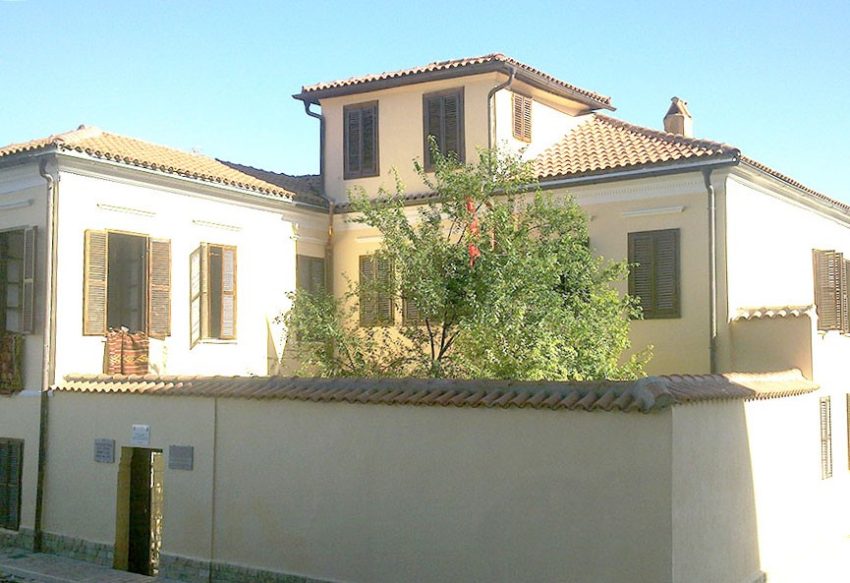
Tucked into the historic heart of the city on Rruga Justin Godard, the Ethnographic Museum, Vlore is the kind of small museum that quietly steals your attention. Housed in a mid-19th-century home with traditional woodwork and an unmistakably local feel, it offers a grounded look at how families in Vlore and southern Albania lived, worked, and celebrated. If you're mapping out a walking tour of Vlore, this is one of the top attractions in Vlore for adding context to everything you're seeing outside.
Inside, the experience is intimate and refreshingly human-scale: rooms laid out with tools, textiles, and household objects that make the past feel practical rather than distant. The building itself is part of the story, too, and the museum's collections do a great job of connecting coastal life, artisan skills, and regional identity without demanding hours of your day. It's easy to pair with nearby squares, mosques, and viewpoints, which is why it's often considered one of the things to do in Vlore when you want more than just sea views.
Table of Contents
- History and Significance of the Ethnographic Museum, Vlore
- Things to See and Do in the Ethnographic Museum, Vlore
- How to Get to the Ethnographic Museum, Vlore
- Practical Tips on Visiting the Ethnographic Museum, Vlore
- Where to Stay Close to the Ethnographic Museum, Vlore
- Is the Ethnographic Museum, Vlore Worth Visiting?
- For Different Travelers
- FAQs for Visiting Ethnographic Museum, Vlore
- Nearby Attractions to the Ethnographic Museum, Vlore
History and Significance of the Ethnographic Museum, Vlore
The museum’s setting is a major part of its appeal. The house dates to the mid-19th century and was later linked to Vlore’s civic and patriotic life, including its use as the club “Laberia” in the early 20th century, with Ismail Qemali associated as an honorary figure. That layered history gives the visit a double meaning: you’re not only looking at objects behind glass, you’re also standing in a building that reflects the city’s social and political energy during a formative period.
In 1982, the space was reorganised as an ethnographic museum, and the collections were arranged to showcase traditional life in Vlore and southern Albania in a clear, room-by-room way. The focus is on material culture: what people wore, how they produced food and goods, and the crafts that shaped everyday life. It's a compact but effective introduction to regional identity, especially if you're visiting Vlore as a gateway to the Albanian Riviera and want to understand the culture behind the coastline.
Things to See and Do in the Ethnographic Museum, Vlore
Start by taking a slow lap of the building itself. Look up at the wooden ceilings and details that hint at the craftsmanship and domestic architecture of the period, then use that as a backdrop for the exhibits. Even if you’re not usually a museum person, the atmosphere feels lived-in, which makes it easier to imagine the objects in use rather than as “collections.”
The traditional costume displays are often the showstopper. You’ll see richly detailed garments from different Albanian regions, many dating back decades, with patterns and techniques that reflect local pride, status, and ceremony. It’s the kind of section that rewards close attention, because the embroidery and motifs are as much storytelling as decoration.
Beyond clothing, the museum is strong on tools and craft traditions: metalworking, woodworking, weaving, embroidery, fishing, and agricultural life (including the culture of olive oil and wine). Try to spot the items that connect directly to Vlore’s coastal character, then compare them to the inland influences you’ll notice in household objects and textile work. If you enjoy photography, the museum’s textures and details can be surprisingly compelling, especially when the light catches the wood and fabrics.
How to Get to the Ethnographic Museum, Vlore
Vlore is typically reached via Tirana International Airport (TIA), then continued by bus, taxi, or rental car to the city. For the best deals and a seamless booking experience, check out these flights to Vlorë on Booking.com. Vlora International Airport (VLO) has been under development near the city, so it’s worth checking whether commercial routes are operating for your travel dates. For the best deals and a seamless booking experience, check out these flights to Vlorë on Booking.com.
From within Vlore, the museum is easiest on foot if you're staying around the Old Town or the central squares, and a short taxi ride if you're based along the waterfront. City buses and local minibuses can also get you into the centre, but walking is often the simplest once you're nearby.
Albania's passenger rail network is limited, and Vlore is not a practical train destination for most travellers, so buses and cars tend to be the default options for intercity travel. If you're driving down from Tirana or the Durres area, the route is straightforward and gives you flexibility to add stops en route or detour into the hills above the coast. If you are looking to rent a car in Albania I recommend having a look at Discover Cars, first, as they compare prices and review multiple car rental agencies for you.
Practical Tips on Visiting the Ethnographic Museum, Vlore
- Entrance fee: 200 lek.
- Opening hours: Tuesday – Friday: 08:00–16:00. Saturday – Sunday: 08:00–14:00. Closed on Monday.
- Official website: https://vlora.gov.al/events/muzeume/
- Best time to visit: Aim for late morning on a weekday for a calm, unhurried visit, then continue on to nearby Old Town sights while the day still has momentum.
- How long to spend: Plan for 30-60 minutes, longer if you enjoy reading labels and looking closely at textiles and craft tools.
- Accessibility: Expect a historic-house layout with steps and tight corners in places; if mobility is a concern, it’s worth planning for a shorter, ground-floor-focused visit.
- Facilities: Keep expectations simple; think “small local museum” rather than a large modern attraction, and plan café and restroom stops in the surrounding centre.
Where to Stay Close to the Ethnographic Museum, Vlore
For a culture-heavy itinerary, base yourself around Vlore Old Town and the central squares; for a sea-focused trip with evening strolls, the Lungomare waterfront is the most convenient area.
If you want to be walking-distance close to the museum and the historic centre, choose somewhere central so you can dip into sights between coffee stops and evening aperitifs. Hotel Partner & SPA is a reliable pick for a comfortable, full-service stay that keeps you well connected to the centre, while Hotel Bologna works well if you like being near the city’s main arteries for easy taxis and quick access around town.
For a more local, neighbourhood feel right by the Old Town streets, Godard Apartments puts you close enough to treat the museum as a quick, spontaneous stop rather than a planned excursion. It’s a handy option if you prefer a quieter base with the freedom to come and go between sightseeing and long lunches.
Is the Ethnographic Museum, Vlore Worth Visiting?
Yes, especially if you want a deeper sense of place beyond beaches and waterfront cafes. It’s a small museum, but it delivers a clear, tangible picture of Vlore’s traditional life through objects you can genuinely imagine being used.
It’s also an easy win for itinerary planning: low time commitment, central location, and a natural pairing with nearby landmarks. If you enjoy craft, textiles, or the details that bring a destination to life, it’s a very satisfying stop.
For Different Travelers
Families with Kids
This works best for families when you turn it into a “spot the object” visit: tools, clothing, and unusual household items are more engaging than long text panels. Keep the pace brisk and let kids lead the route from room to room.
Pair it with an outdoor break immediately after, such as a nearby square or a short walk to a viewpoint, so the day stays balanced. A quick museum followed by a snack stop usually lands better than trying to stretch the visit.
Couples & Romantic Getaways
For couples, this museum is a lovely change of rhythm from the waterfront, especially if you enjoy slow travel and local detail. The atmosphere feels intimate and calm, which makes it a good mid-day stop before a longer lunch or early-evening drinks.
Combine it with a gentle Old Town wander and a sunset plan elsewhere in the city. It’s not a “big-ticket” attraction, but it adds texture to the day and gives you more to talk about than the usual beach itinerary.
Budget Travelers
The Ethnographic Museum, Vlore is a strong value stop: affordable, central, and easy to fit between free sights like squares, street scenes, and viewpoints. It's also a good rainy-day option when you want something cultural without committing to an expensive tour.
Save money by staying central so you can walk most places, and treat the museum as part of a DIY Old Town circuit. With a little planning, you can build a full day around low-cost highlights and spend your budget where it matters more (food, a boat trip, or a beach day).
History Buffs
History lovers will appreciate the building's own story as much as the exhibits, especially its links to early 20th-century civic life in Vlore. The collection is ethnographic rather than political, but it helps you understand the social fabric behind the city's modern identity.
To deepen the context, follow the visit with nearby independence-related landmarks and central monuments, and pay attention to how coastal trade and craft traditions shaped the region. It’s the kind of museum that makes the rest of the city read differently once you’ve seen it.
FAQs for Visiting Ethnographic Museum, Vlore
Getting There
Tickets & Entry
Visiting Experience
Tours, Context & Itineraries
Photography
Accessibility & Facilities
Food & Breaks Nearby
Safety & Timing
Nearby Attractions to the Ethnographic Museum, Vlore
- Kaninë Castle: A short trip above the city with fortress ruins and panoramic perspectives over Vlore and the coastline.
- Muradie Mosque: A beautiful Ottoman-era mosque that makes an easy nearby cultural pairing with your Old Town walk.
- Independence Square (Sheshi i Flamurit): The city's key central square, ideal for people-watching and understanding Vlore's modern civic heart.
- National Museum of Independence: A focused museum that adds political context to Vlore's role in Albania's national story.
- Kuzum Baba: A hilltop viewpoint and shrine area with sweeping city and bay views, especially rewarding near sunset.
The Vlorë Ethnographic Museum appears in our Complete Guide to Visiting Vlorë!

Moira & Andy
Hey! We're Moira & Andy. From hiking the Camino to trips around Europe in Bert our campervan — we've been traveling together since retirement in 2020!
This website uses affiliate links which may earn a commission at no additional cost to you!
Planning Your Visit
Tuesday - Friday: 08:00-16:00.
Saturday - Sunday: 08:00-14:00.
Closed on Monday.
200 lek.
Nearby Attractions
- Muzeu Historik, Vlorë (0.1) km
Museum - Vlorë Museum of Historic Relics (0.1) km
Museum - Tomb of Ismail Qemali (0.2) km
Tomb - Sheshi i Flamurit (0.2) km
Monument - Muradie Mosque (Lead Mosque) (0.4) km
Mosque - Muradie Mosque (0.4) km
Mosque - Kuzum Baba Hill (0.5) km
Religious Building and Viewing Point - Teatri “Petro Marko” (0.8) km
Theatre - National Museum of Independence (2.3) km
Museum - Vlorë Museum of National Independence (2.3) km
Museum