Tuckers Hall, Exeter
Historic Building in Exeter
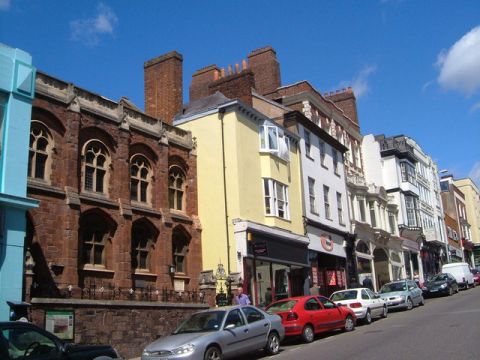
Tuckers Hall is one of the most atmospheric historic buildings in Exeter, a rare survivor from the city's medieval and early modern woollen trade. Home to the still-active Incorporation of Weavers, Fullers and Shearmen, the hall stands as one of the top attractions in Exeter for travellers interested in craftsmanship, trade guilds, and the role textiles played in shaping the city's wealth.
Stepping inside reveals a beautifully preserved interior: a lofty 15th-century wooden roof, richly carved Jacobean panelling, and a sense of continuity that links present-day Exeter with the merchants who once controlled the city's most profitable industry. Its central location and unique heritage make it a highlight of any walking tour of Exeter, perfect for visitors who enjoy intimate, story-rich historic spaces.
History and Significance of Tuckers Hall
Tuckers Hall was built in the 15th century for the Incorporation of Weavers, Fullers and Shearmen-three trades at the heart of Exeter's medieval and Tudor economy. These guilds regulated workmanship, set standards, supported members, and helped steward the prosperity of woollen cloth, which was Exeter's most valuable export for centuries. By the late medieval period, cloth from Exeter was renowned across Europe, and the guilds behind it were powerful civic players.
The hall itself became a symbol of this influence. Its 15th-century roof timbers speak to a period when Exeter was one of England's most important cloth centres. In the early 1600s, lavish Jacobean panelling was added to the interior, creating a richly carved setting suitable for guild meetings, trade discussions, and civic ceremonies. The building survived fires, redevelopment, and wartime damage that erased many similar structures.
Because the Incorporation still exists today, Tuckers Hall is not just an architectural treasure but a living link to Exeter's commercial past. The guild continues its charitable and ceremonial role, preserving records, silver, textiles, and traditions that help tell the story of how cloth craft shaped the life and fortunes of the city.
Things to See and Do in Tuckers Hall
The main attraction is the Great Hall, where visitors can admire the magnificent 15th-century arch-braced timber roof soaring above them. Its craftsmanship is exceptional, offering a glimpse of medieval woodworking skills at their finest. Below it, the Jacobean wood panelling adds dramatic warmth to the room, with intricate carvings and decorative panels that reflect the guild’s prestige.
Exhibits within the hall present the broader story of Exeter’s cloth industry, from the processes of weaving, fulling, and shearing to the international trade routes that took Devon-made cloth to Spain, the Low Countries, and beyond. Artefacts, documents, and interpretive displays help bring to life the daily work and rituals of the guild members who shaped the city’s economic rise.
A visit also offers the chance to explore one of the best places to visit in Exeter for anyone interested in how commerce and craftsmanship intertwined during the medieval and early modern periods. The space feels intimate and personal, and volunteers often share stories that illuminate how the guild operated across centuries of change.
How to Get to Tuckers Hall
Tuckers Hall is located on Fore Street, a short walk west of Exeter's High Street and close to many other historic sites. The nearest airports are Exeter Airport and Bristol Airport, both offering good regional and international connections. For the best deals and a seamless booking experience, check out these flights to Exeter on Booking.com.
Exeter Central and Exeter St Thomas railway stations are both within walking distance, with frequent train services from London, the South West, and other Devon towns. Train schedules and bookings can be found on Omio.
Travelling by car is simple, with several city-centre car parks nearby; Fore Street itself is best approached on foot due to narrow streets and limited parking.
Practical Tips on Visiting Tuckers Hall
- Best time to visit Tuckers Hall: Mornings are usually quieter, offering more time to appreciate the architecture and exhibits.
- Entrance fee in Euros: Free entry; donations are appreciated to support the hall’s upkeep.
- Opening hours: Typically open on select days; check ahead as times vary seasonally.
- Official website: Available through the Incorporation of Weavers, Fullers and Shearmen’s online pages.
- How long to spend: Around 30-45 minutes is enough to explore the hall and exhibitions.
- Accessibility: The building is historic and includes narrow passages; some areas may be difficult for visitors with limited mobility.
- Facilities: The hall has information panels and volunteer guides; cafés are located nearby on Fore Street.
- Photography tip: Capture the sweeping curve of the timber roof from the centre of the hall for the best sense of scale.
- Guided tours: Volunteers often offer informal introductions; group tours may be arranged by request.
- Nearby food options: Fore Street has excellent independent cafés, bakeries, and restaurants.
Where to Stay close to Tuckers Hall
Staying near Fore Street offers easy access to Tuckers Hall along with many of Exeter's most charming independent shops and eateries. A characterful option is Mercure Exeter Rougemont Hotel, placing guests close to both the cathedral quarter and the historic gardens. For boutique charm, Hotel du Vin Exeter provides stylish rooms and peaceful grounds within walking distance. Those preferring a modern base can choose Leonardo Hotel Exeter, offering contemporary comfort just a short stroll from the city’s main attractions.
Add a Is Tuckers Hall Worth Visiting?
Tuckers Hall is absolutely worth visiting, especially for travellers who enjoy discovering smaller, character-rich historic buildings that tell big stories. Its beautifully preserved medieval roof, ornate Jacobean interior, and unique link to Exeter's cloth trade make it a fascinating stop. It stands as one of the things to do in Exeter for visitors who want to explore the city beyond its major landmarks and uncover its economic and artisanal past.
What Other Travellers Say...

Exeter Historic Guildhall on High Street is a free-to-enter, Grade I listed hall tucked among the shops where visitors describe a timeless interior with a carved oak entrance door, restored exposed beams in the Judges' Room, ornate chandeliers and a stained-glass window, rows of seats bearing names of past officials and benefactors, and a quirky “monkey” feature to ask about; it still functions for civic use and has been used for small weddings, though opening to visitors can vary so check before you go.


FAQs for Visiting Tuckers Hall
Nearby Attractions to Tuckers Hall
- Exeter Cathedral - A stunning Gothic masterpiece with centuries of heritage.
- St Nicholas Priory - Exeter's oldest building, offering an immersive Tudor experience.
- Royal Albert Memorial Museum - The city's premier museum with wide-ranging collections.
- Exeter Quayside - A scenic area with historic warehouses, cafés, and riverside walks.
- Medieval Exe Bridge - Remarkable surviving arches of a 12th-century bridge with a chapel.
The Tuckers Hall appears in our Complete Guide to Visiting Exeter!

Moira & Andy
Hey! We're Moira & Andy. From hiking the Camino to trips around Europe in Bert our campervan — we've been traveling together since retirement in 2020!
This website uses affiliate links which may earn a commission at no additional cost to you!
Planning Your Visit
Tuckers Hall will be open every Thursday and Saturday mornings every week. Opening hours will be from 10:30 until 13:00 on all days.
Nearby Attractions
- St Nicholas Priory (0.1) km
Historic Building, Historic Site and Museum - Medieval Exe Bridge (0.2) km
Bridge - Cricklepit Mill (0.2) km
Mill - Exeter Customs House (0.3) km
Historic Building and Tourist Office - Exeter City Wall (0.3) km
City Gate and City Walls - Exeter Guildhall (0.4) km
Historic Building - Exeter Cathedral (0.4) km
Cathedral - Exeter Ship Canal (0.5) km
Canal - Royal Albert Memorial Museum (0.5) km
Museum - Wynard’s Almshouses (0.6) km
Historic Building